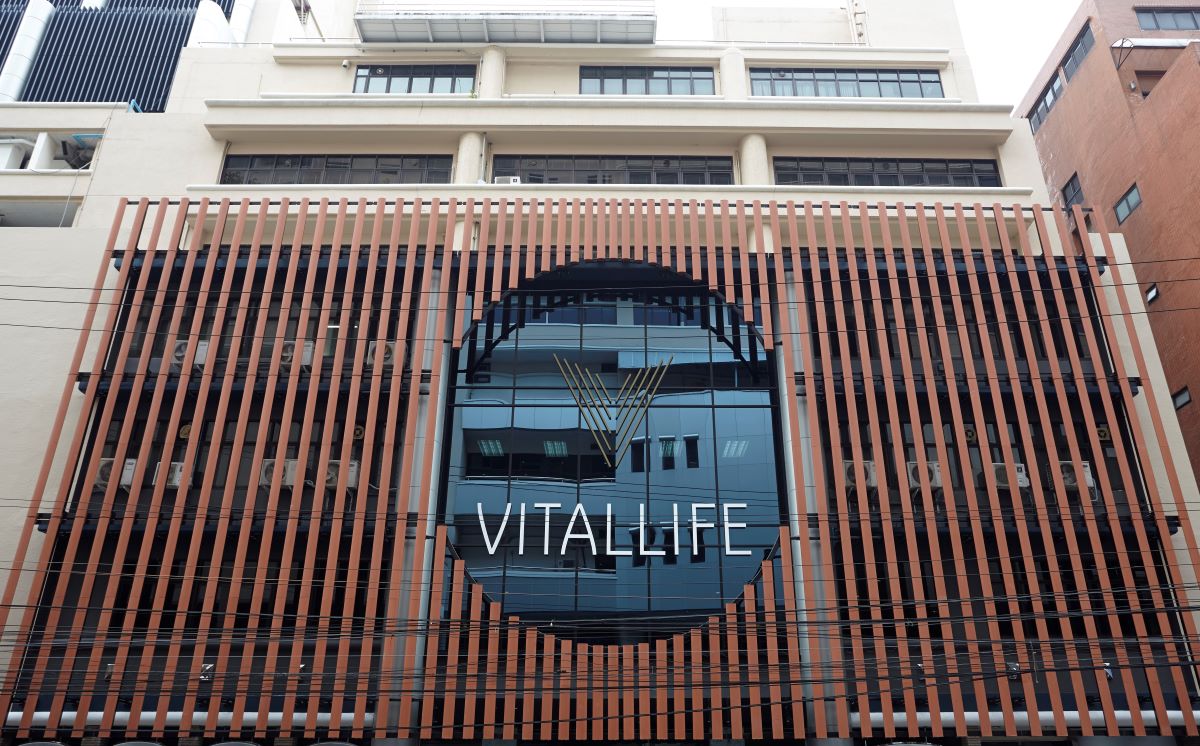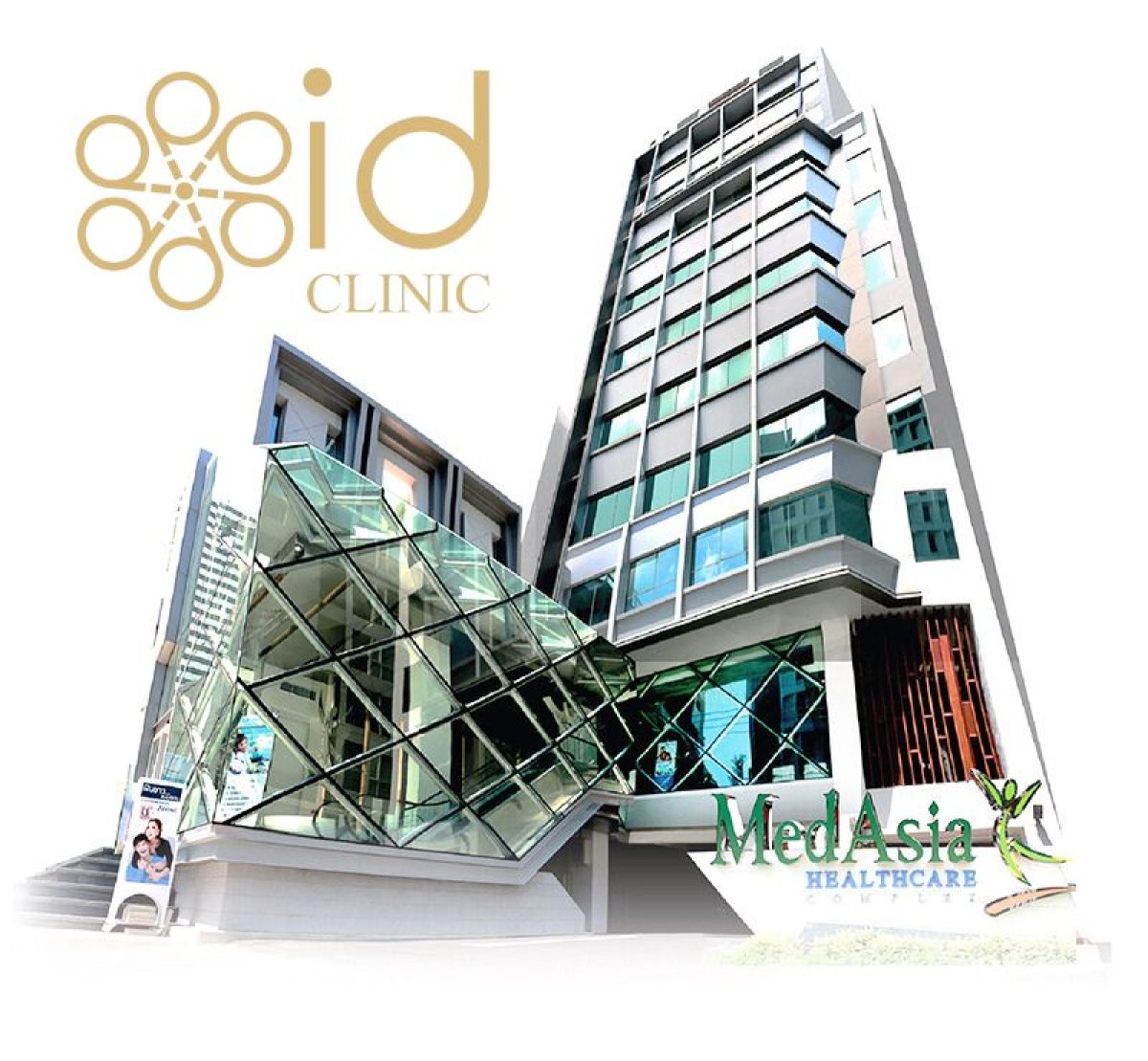
ID Clinic Bangkok
تايلاند, بانكوك
Dr Phatcharasak Kraisornphongsakul Md
34سنة خبره ١٦ سنة • تم تنفيذ 20000+ علاجات

العيادة معتمدة من قبل : 

تمت مراجعة المقالة طبيا من قبل
فهد مولود
من $10,300 / 350,200฿. يعتمد السعر النهائي على جرعة الخلايا، وعمر المريض، والبروتوكول الطبي المتبع. تشمل الباقات الطبية التايلاندية المعتادة جلسات حقن الخلايا الجذعية، والاستشارات الطبية، والتنقل من وإلى المطار.
رأي خبراء Bookimed: يضمن اختيار عيادة حاصلة على شهادات اعتماد خلوية محددة أفضل قيمة للمرضى الدوليين. تحمل مرافق مثل عيادة ديماريست في فوكيت شهادة AABB (الجمعية الأمريكية لبنوك الدم) للتعامل مع الخلايا. في المقابل، تقدم عيادة STC في بانكوك أسعاراً تنافسية تبدأ من حوالي 4,500 $. هذا يجعل الطب التجديدي المتقدم متاحاً بتكلفة معقولة مقارنة بمراكز الحياة الطويلة في الغرب.
| تايلاند | تركيا | إسبانيا | |
|---|---|---|---|
| علاج مرض السكري بالخلايا الجذعية | من $10,300 / 350,200฿ | من $7,400 / 251,600฿ | ≈ $9,500 / 323,000฿ |
هذا العلاج هو علاج باستخدام خلايا الجسم لإصلاح الأنسجة التالفة. إنه فعال وآمن ومتعدد الاستخدامات.
يستخدم هذا العلاج خلايا الشخص لإصلاح المفاصل التالفة ، وتقليل الألم والالتهابات المصاحبة لالتهاب المفاصل.
يستخدم هذا العلاج خلايا الجسم لإصلاح تلف الدماغ المرتبط بالتوحد ، مما يوفر سلوكًا اجتماعيًا محسنًا.
يستخدم هذا العلاج الخلايا المتجددة لعلاج تلف الدماغ وتحسين الوظائف الحركية لدى الأشخاص المصابين بالشلل الدماغي.
يستخدم هذا العلاج الخلايا التي يحافظ عليها الجسم لإبطاء تقدم مرض باركنسون ، وتعزيز وظائف المخ وقدرته على الحركة.
يستخدم هذا العلاج الخلايا الجذعية لإصلاح خلايا البنكرياس التالفة ، والسيطرة على أعراض مرض السكري.
يعتمد هذا العلاج على إمكانات الشفاء الذاتي ، عن طريق حقن الخلايا المحصودة في مفاصل الركبة لإصلاح الغضروف التالف.
يستخدم هذا العلاج الخلايا الجذعية لإصلاح الخلايا والأنسجة التالفة وتحسين صحتك.
اليوم 1
اليوم الثاني
يوم 3
اليوم الرابع
يوم 5
اليوم السادس
اليوم السابع
الأسبوع 1-3 بعد العملية
الأسبوع 4-6 بعد العملية
يرجى ملاحظة أن الجدول الزمني للتعافي قد يختلف حيث أن كل حالة فردية.
في Bookimed.com ، نقدم معلومات عن علاج مرض السكري بالخلايا الجذعية في تايلاند والخدمات الطبية الأخرى في جميع أنحاء العالم. بصفتنا المنصة العالمية الرائدة في مجال السياحة العلاجية ، فإننا نتحمل مسؤولية كبيرة لتزويد عملائنا بمعلومات موثوقة ودقيقة. نحن نضمن أن جميع المعلومات التي نقدمها تستند إلى البحث والاستبصار والخبرة. إليك كيف نفعل ذلك:
نستخدم نظام تصنيف تلقائي ذكي لتشكيل قوائمنا بالعيادات والأطباء. يعتمد هذا النظام على أسعار Bookimed الحقيقية للمرضى لتوفير المعلومات الأكثر موضوعية وشفافية حول العيادات والخدمات الطبية. يجمع عالم البيانات ذو الخبرة لدينا البيانات يوميًا ، ويراقب ويحسن نظام التصنيف باستخدام التعلم الآلي والذكاء الاصطناعي لضمان تحديث نظام التصنيف وتقديم نتائج دقيقة.
نقوم بجمع آراء عملاء Bookimed فقط بعد الحصول على خبرة طبية مع العيادة. هذا يضمن أن كل شخص على المنصة يمكنه الوثوق بالمنشأة التي يختارونها. ننشر مراجعات إيجابية وسلبية ، بهدف أن نكون مصدرًا لاتخاذ قرارات مستنيرة لعملائنا في المستقبل.
على Bookimed.com ، يمكنك العثور على أفضل الحلول الطبية من أفضل مقدمي الخدمات الطبية في مكان واحد. نتأكد من تقديم أحدث المعلومات. يقوم ممثلو العيادة بتحديث السير الذاتية للأطباء وقدرات العيادات والصور السابقة واللاحقة والأسعار والباقات والعروض الخاصة بأنفسهم قريبًا. يمكنك مقابلة ممثل العيادة والتحقق من تاريخ المحتوى المحدث في صفحة كل عيادة للتأكد من مصداقيتها.
لدينا فريق من المؤلفين المحترفين الذين يتمتعون بخبرة لا تقل عن 3 سنوات في الكتابة الطبية ويتم تحريرهم من قبل المتخصصين الطبيين ذوي الخبرة السريرية والبحثية ذات الصلة. يقومون بإنشاء مدونة وقطع داعمة لتعزيز وصول المرضى إلى المعلومات الصحية ، مما يجعلها خبراء ولكن يسهل فهمها. تتبع جميع القطع إرشادات التحرير الخاصة بـ Bookimed.
نحن مصنوعون من الناس ومن أجلهم ، وهذه هي قيمتنا الأساسية. لهذا السبب يتم جمع جميع البيانات المقدمة على المنصة وتحريرها ومراجعتها وتحديثها بانتظام من قبل مرضانا وعياداتنا الشريكة وفريقنا. لدينا المجلس الاستشاري الطبي Bookimed ، والذي يتكون من أطباء مشهورين عالميًا يتمتعون بأكثر من 20 عامًا من الممارسة والسمعة الإيجابية. تعلم المزيد عنا وعن مهمتنا .
في حال وجدت أي خطأ أو لديك أي أسئلة حول المعلومات المقدمة على Bookimed.com ، فلا تتردد في الاتصال بنا على marketing@bookimed.com .

الدكتور أوم سودتشومبهاي هو أخصائي في الطب التجديدي في مستشفى باناسي راما 2 في بانكوك. وهو حاصل على درجة الماجستير في التغذية السريرية والطب التكاملي. يتابع الدكتور أوم حاليًا درجة الدكتوراه في علم النفس. وهو متخصص في الجمع بين العلاج بالخلايا، والتغذية الوريدية، وطب الأعشاب للحالات المزمنة.
الدكتورة سارونيا يوتاغوفيت هي من أبرز جراحي الأعصاب في تايلاند، متخصصة في جراحة الأوعية العصبية. تعالج حالات معقدة مثل تمدد الأوعية الدموية داخل الجمجمة، ومرض مويا مويا، والنواسير الشريانية الوريدية في العمود الفقري. لدى الدكتورة سارونيا خبرة في إعادة التوعية الدماغية والإجراءات الجراحية المجهرية المتقدمة.
ساهمت في تطوير برامج تدريبية لمقيمي جراحة الأعصاب والممرضين العصبيين. في مركز EDNA للعافية، تقود الدكتورة سارونيا برامج الأعصاب والخلايا الجذعية والتجميل، وتضمن التزام جميع العلاجات

الدكتور ناتافون سريثوراوانيت هو أخصائي في الطب التجديدي في مستشفى مالي متعدد التخصصات في بانكوك. يدمج بين الطب التقليدي والطب الدقيق لعلاج الأمراض المزمنة غير المعدية. يركز الدكتور سريثوراوانيت على تقليل أوقات الشفاء من خلال تقنيات ترميمية في منشأة معتمدة من GHA.

كتب بواسطة Mariia Mytrofankina
 Anna Leonova
يتضمن علاج الخلايا الجذعية لمرض السكري استخدام العلاج التجديدي لإصلاح أو استبدال خلايا البنكرياس التالفة، بهدف تحسين إنتاج الأنسولين والتحكم في الجلوكوز.
العلاج بالخلايا الجذعية قانوني في تايلاند ويخضع لتنظيم وزارة الصحة العامة وإدارة الغذاء والدواء التايلاندية. يجب على العيادات الالتزام بأطر عمل منتجات العلاج المتقدم (ATMP)، واستخدام مختبرات معتمدة لممارسات التصنيع الجيد (GMP) لمعالجة الخلايا المشتقة من الحبل السري أو الخلايا الذاتية.
رؤية خبير Bookimed: بينما تدعي العديد من العيادات معدلات نجاح عالية، تتميز المرافق من الدرجة الأولى من خلال ارتباطات محددة. مراكز مثل R3 Life Wellness Center معتمدة من قبل جمعية العلاج بالخلايا التايلاندية، بينما تتبع مراكز أخرى مثل عيادة The Demarest Clinic معايير الجمعية الأمريكية لبنوك الدم (AABB). إن التوافق مع هذه الجمعيات الدولية أو الوطنية المحددة يعد إشارة جودة أقوى من الترخيص العام وحده.
إجماع المرضى: يؤكد المرضى على ضرورة التحقق من ترخيص العيادة مباشرة من خلال وزارة الصحة العامة. ويوصون بالحصول على تأكيد كتابي لتركيزات الخلايا وطرق المعالجة لضمان شفافية العلاج وسلامته.
يحمل العلاج بالخلايا الجذعية لمرض السكري مخاطر طبية خطيرة بما في ذلك تكوين الأورام، ورفض الجهاز المناعي، والعدوى الشديدة. تظل معظم الإجراءات تجريبية، حيث تشكل العلاجات غير المنظمة مخاطر تهدد الحياة مثل مرض الطعم ضد المضيف (GVHD). يمكن أن يؤدي ارتفاع نسبة السكر في الدم أيضًا إلى فشل الخلايا المزروعة أو موتها قبل الأوان.
رؤية خبير Bookimed: تعتمد سلامة المريض بشكل كبير على معايير معالجة الخلايا وليس فقط على المنشأة الجراحية. ابحث عن عيادات مثل عيادة ديماريست (The Demarest Clinic) في بوكيت التي تحتفظ بشهادات الجمعية الأمريكية لبنوك الدم (AABB). هذا الاعتماد الفني المحدد هو أمر نادر في المنطقة ويعمل كضمان حيوي ضد تلوث الخلايا والطفرات الجينية.
إجماع المرضى: يؤكد المرضى على ضرورة التحقق من أوراق الاعتماد من خلال المجالس الطبية التايلاندية الرسمية بدلاً من الاعتماد على شهادات المواقع الإلكترونية. يحذر الكثيرون من أن التسويق العدواني للعلاج هو علامة تحذير رئيسية للعلاجات التجريبية غير المثبت
العلاج بالخلايا الجذعية ليس علاجاً عالمياً أو دائماً لمرض السكري. في حين تظهر التجارب السريرية معالم مثل عكس الاعتماد على الأنسولين في حالات محددة، إلا أنه يظل علاجاً تجريبياً. في تايلاند، تقدم العيادات حقن الخلايا الجذعية الوسيطة التي تركز على التعديل المناعي بدلاً من نمو خلايا بنكرياسية جديدة.
رؤية خبير Bookimed: غالباً ما تستفيد العيادات التايلاندية من شبكات المختبرات العالمية، مثل العمليات المعتمدة من AABB الموجودة في عيادة The Demarest Clinic. وهذا يضمن زراعة خلايا جذعية عالية الجودة للبروتوكولات التجديدية. ومع ذلك، يجب على المرضى إعطاء الأولوية للعيادات التي يشرف فيها أطباء الغدد الصماء مثل الدكتورة أنيارات فيتشاياواناكول على الصحة الأيضية الأساسية أثناء هذه الإجراءات.
إجماع المرضى: غالباً ما يلاحظ المرضى استقراراً مؤقتاً في سكر الدم بسبب انخفاض الالتهاب. ومع ذلك، يبلغ الكثيرون عن العودة إلى مستويات الأنسولين السابقة في غضون ستة أشهر بمجرد تلاشي التأثيرات الأولية.
يهدف العلاج بالخلايا الجذعية لمرض السكري في تايلاند إلى استعادة إنتاج الأنسولين وتحسين الحساسية الخلوية. عادةً ما يختبر المرضى استقرار مستويات الجلوكوز في الدم وتحسنًا في علامات الببتيد C. يقلل العديد من الأفراد بشكل كبير من اعتمادهم اليومي على الأنسولين، ويحققون أحيانًا هدوءًا مؤقتًا من خلال حقن الخلايا الجذعية الوسيطة والبروتوكولات التجديدية.
رؤية خبير Bookimed: تتخصص مراكز العافية التايلاندية في التكامل بدلاً من الإجراءات المنعزلة. بينما تستخدم عيادات مثل عيادة The Demarest عمليات معتمدة من AABB للتعامل مع الخلايا، تظهر أفضل النتائج عندما يتم دمج العلاج مع رعاية وقائية مكثفة. غالبًا ما تستخدم المراكز الخلايا الجذعية الوسيطة من نسيج الحبل السري خصيصًا لاستهداف الالتهاب الجهازي وتجديد البنكرياس.
إجماع المرضى: يلاحظ العديد من المرضى تحسنًا في التحكم في سكر الدم لمدة تتراوح بين ستة إلى اثني عشر شهرًا بدلاً من الشفاء الدائم. بينما يقلل البعض من الأدوية بشكل كبير، يؤكد معظمهم أن النتائج تتطلب إدارة مستمرة لنمط الحياة وربما علاجات متكررة للحفاظ على التقدم.
عادة ما تستمر آثار العلاج بالخلايا الجذعية لمرض السكري في تايلاند من 6 أشهر إلى 3 سنوات. تختلف النتائج بناءً على شدة المرض والاستجابة للعلاج. إن الحفاظ على نظام غذائي صارم وروتين تمارين رياضية يطيل بشكل كبير من مدة تحسن التحكم في نسبة الجلوكوز في الدم وحساسية الأنسولين.
رؤية خبير Bookimed: تجمع العيادات التايلاندية مثل مركز R3 Life Wellness وعيادة STC بشكل متزايد بين العلاج الخلوي والبرامج التجديدية. تظهر بياناتنا أن العيادات التي تتعاون مع بنوك الخلايا الجذعية العالمية غالباً ما توفر متابعة أكثر توثيقاً. اطلب دائماً بيانات مكتوبة للمرضى لمدة 12 شهراً بدلاً من قبول وعود غامضة طويلة الأجل.
إجماع المرضى: يؤكد معظم المرضى أن النتائج تعتمد على خيارات نمط الحياة بعد الإجراء. ينصح الكثيرون بتخصيص ميزانية لجلسات تكرارية محتملة لأن الفوائد العلاجية تتضاءل طبيعياً بمرور الوقت.
يستهدف العلاج بالخلايا الجذعية في تايلاند كلاً من مرض السكري من النوع الأول والنوع الثاني باستخدام الطب التجديدي. ويهدف إلى إصلاح خلايا بيتا البنكرياسية التالفة لدى مرضى النوع الأول وتحسين حساسية الأنسولين وامتصاص الجلوكوز لدى المصابين بمرض السكري من النوع الثاني.
رؤية خبير Bookimed: في حين أن علاجات الخلايا الجذعية الأساسية تبدأ من $1,500، فإن معظم النتائج الناجحة في تايلاند تأتي من عيادات مثل R3 Life Wellness Center. فريقهم معتمد من قبل المجلس الأمريكي للطب المضاد للشيخوخة والطب التجديدي (ABAARM). اختيار مركز حاصل على شهادات متخصصة في تجديد الخلايا يضمن بروتوكولات ذات جودة أعلى من عيادات التجميل العامة.
إجماع المرضى: غالبًا ما يذكر المرضى تحسن مستويات الطاقة وقراءات أكثر استقرارًا لسكر الدم بعد العلاج. يقدر الكثيرون النهج الشامل الذي يتضمن اختبار الحمض النووي لتكييف عملية التجديد مع ملفهم الجيني المحدد.
تستخدم العيادات في تايلاند بشكل أساسي الخلايا الجذعية الوسيطة (MSCs) لعلاجات داء السكري. يتم حصاد هذه الخلايا متعددة القدرات عادةً من أنسجة الحبل السري، أو الأنسجة الدهنية، أو نخاع العظم. غالبًا ما تستخدم المراكز المتخصصة خلايا خيفية من أنسجة الحبل السري نظرًا لقابليتها العالية للحياة وانخفاض خطر الرفض المناعي.
رؤية خبراء Bookimed: تتميز العيادات التايلاندية مثل مركز R3 Life Wellness وعيادة The Demarest باستخدام خلايا معتمدة من قبل الجمعية الأمريكية لبنوك الدم (AABB). في حين تقدم العديد من المرافق خلايا مشتقة من الأنسجة الدهنية، تستفيد البرامج الأكثر تطورًا من الخلايا الجذعية الوسيطة من الحبل السري. توفر هذه الخلايا عددًا أكبر من الخلايا، حيث يصل غالبًا إلى 100–200 مليون وحدة لكل حقن، وهو أمر بالغ الأهمية للتعديل المناعي الجهازي.
إجماع المرضى: غالبًا ما يسلط المرضى الضوء على أنه على الرغم من أن الخلايا المشتقة من الحبل السري مريحة، إلا أن جودتها تختلف. يوصي الكثيرون بطلب تقارير مختبرية محدد