علاج هبوط الصمام التاجي في تايلاند: 3 مستشفيات


تمت مراجعة المقالة طبيا من قبل
فهد مولود
ما هي تكلفة هبوط الصمام التاجي إجراءات التشخيص والعلاج في تايلاند؟ اعرف الآن
تتراوح تكلفة علاج تدلي الصمام التاجي في تايلاند عادةً ما بين $18,000 / 612,000฿ إلى $30,000 / 1,020,000฿ لعملية رأب الصمام. من $25,000 / 850,000฿. تعتمد التكاليف الإجمالية على الاختيار بين الصمامات البيولوجية أو الميكانيكية، والتقنية الجراحية المستخدمة، واعتماد العيادة. يوفر المرضى عموماً ما بين 40-70% مقارنة بالأسعار في الولايات المتحدة. تشمل مراكز العلاج الرائدة بانكوك، وباتايا، وكرابي.
تكاليف علاج تدلي الصمام التاجي النموذجية في تايلاند
- رأب الصمام: $18,000 / 612,000฿ – $30,000 / 1,020,000฿
- استبدال صمام القلب: من $25,000 / 850,000฿
- استبدال الصمام التاجي للأطفال: $24,000 / 816,000฿ – $38,000 / 1,292,000฿
- جراحة تجميل صمام القلب: $13,500 / 459,000฿ – $18,500 / 629,000฿
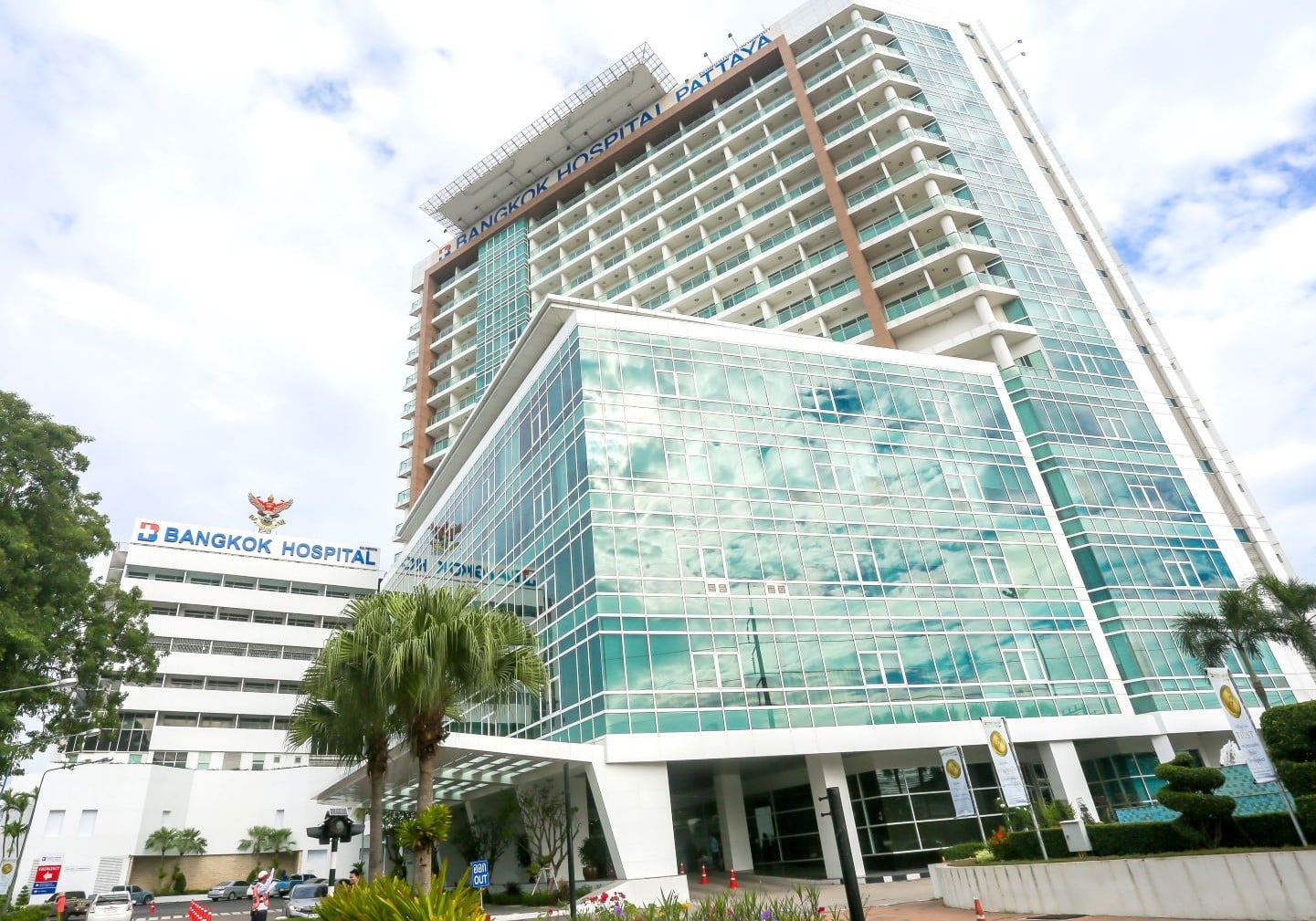
رؤية خبراء Bookimed: يجب على المرضى ذوي الحالات عالية الخطورة الذين يحتاجون إلى تقنيات متقدمة إعطاء الأولوية للمراكز الحاصلة على اعتماد اللجنة الدولية المشتركة (JCI) مثل مستشفى بامرونجراد الدولي. تستخدم هذه المنشأة الجراحة الروبوتية والذكاء الاصطناعي لإصلاحات القلب المعقدة. بالنسبة للمرضى الدوليين الذين يبحثون عن شبكات راسخة، يقدم مستشفى بانكوك باتايا رعاية متخصصة ضمن مجموعة BDMS الواسعة. ويوفر مستشفى سيكارين بديلاً تنافسياً للمرضى الإقليميين الذين يحتاجون إلى جراحة قلب قياسية مع خدمة حاصلة على تقييم 4.7 نجوم.
| تايلاند | تركيا | إسبانيا | |
|---|---|---|---|
| رأب الصمام | ≈ $18,000 / 612,000฿ | من $8,000 / 272,000฿ | ≈ $16,500 / 561,000฿ |
| الجراحة التجميلية لصمام القلب | ≈ $13,500 / 459,000฿ | من $11,000 / 374,000฿ | من $46,000 / 1,564,000฿ |
| استبدال صمام القلب | من $25,000 / 850,000฿ | من $15,000 / 510,000฿ | من $44,800 / 1,523,200฿ |
| استبدال الصمام التاجي للأطفال | ≈ $24,000 / 816,000฿ | من $12,000 / 408,000฿ | من $44,800 / 1,523,200฿ |
| استبدال الصمام التاجي | ≈ $22,000 / 748,000฿ | من $18,200 / 618,800฿ | ≈ $32,000 / 1,088,000฿ |
مزاياك وضماناتك مع Bookimed
أسعار مباشرة
Bookimed لا يضيف رسوماً إضافية على أسعار علاج هبوط الصمام التاجي. الأسعار مأخوذة من قوائم الأسعار الرسمية للعيادات. تدفع مباشرة في العيادة مقابل علاجك عند وصولك إلى البلد.
عيادات وأطباء معتمدون فقط
Bookimed ملتزم بسلامتك. نحن نعمل فقط مع المؤسسات الطبية التي تحافظ على معايير دولية عالية في علاج هبوط الصمام التاجي ولديها التراخيص اللازمة لخدمة المرضى الدوليين في جميع أنحاء العالم.
مساعدة مجانية على مدار الساعة
Bookimed يقدم مساعدة خبراء مجانية. منسق طبي شخصي يدعمك قبل وأثناء وبعد العلاج، ويحل أي مشاكل. لن تكون وحيداً أبداً في رحلة علاج هبوط الصمام التاجي.

منسقك الطبي الشخصي في Bookimed
- يدعمك في كل مرحلة
- المساعدة في اختيار العيادة الطبية المناسبة والطبيب المناسب
- يضمن الوصول السريع والمريح إلى المعلومات
اكتشف أفضل هبوط الصمام التاجي العيادات في تايلاند: 3 خيارات معتمدة والأسعار











مشاركة المحتوى
قصص فيديو من مرضى Bookimed
 Anna Leonova
أسئلة متكررة حول علاج هبوط الصمام التاجي في تايلاند
ما هي المستشفيات الأكثر توصية لجراحة الصمام التاجي في تايلاند؟
يوصى بشدة بمستشفى بامرونجراد الدولي، ومستشفى بانكوك للقلب، ومستشفى فيثاني لجراحة الصمام التاجي في تايلاند. تتخصص هذه المراكز المعتمدة من قبل اللجنة الدولية المشتركة (JCI) في الإصلاحات طفيفة التوغل والاستبدالات المعقدة. يستخدم الجراحون الرئيسيون تقنيات متقدمة لضمان معدلات بقاء عالية وأوقات تعافي أسرع.
- الخبرة الجراحية: يعطي الجراحون الأولوية لإصلاح الصمام على استبداله للحفاظ على وظيفة القلب على المدى الطويل.
- اعتماد المستشفى: تمتلك أفضل المرافق اعتماد اللجنة الدولية المشتركة (JCI) وشهادة الاعتماد الصحي العالمي.
- التكنولوجيا المتقدمة: تستخدم المراكز الجراحة بمساعدة الروبوت والتصوير الرقمي ثلاثي الأبعاد لوضع الصمام بدقة.
- الحجم الدولي: يعالج مستشفى بامرونجراد 50% من المرضى الدوليين، ويقدم فرق تنسيق مخصصة تتحدث الإنجليزية.
رؤية خبير Bookimed: تظهر مراكز القلب الرائدة في تايلاند نمط جودة واضح مرتبط بحجم المرضى. يخدم مستشفى بامرونجراد ومستشفى بانكوك باتايا ما يصل إلى 1,000,000 مريض سنوياً. يسمح هذا النطاق الضخم لهم بالحفاظ على وحدات قلب مخصصة مع فرق تخدير متخصصة. قد تفتقر المرافق الأصغر إلى هذا الدعم القلبي المتخصص على مدار الساعة طوال أيام الأسبوع، مما يجعل المراكز ذات الحجم الكبير أكثر أماناً لأعمال الصمامات المعقدة.
إجماع المرضى: يشير المرضى إلى أن اختيار جراح يشرح خطة الإصلاح مقابل الاستبدال بوضوح أمر حيوي. كما يؤكدون على أهمية التحقق من جودة العناية المركزة ورعاية المتابعة بعد الجراحة.
هل يمكن علاج تدلي الصمام التاجي بدون جراحة؟
غالبًا ما لا يتطلب تدلي الصمام التاجي (MVP) جراحة إذا كان التسريب خفيفًا أو غير موجود. يركز العلاج على المراقبة وإدارة الأعراض. تستخدم مراكز القلب التايلاندية مخططات صدى القلب (إيكو) لتتبع وظيفة الصمام. لا تكون الجراحة ضرورية إلا في حالة الارتجاع الشديد أو تدهور صحة القلب.
- العلاج الطبي: تتحكم حاصرات بيتا في خفقان القلب وألم الصدر وأعراض القلق.
- المراقبة الروتينية: تتبع مخططات صدى القلب السنوية في المرافق المعتمدة من قبل JCI تغيرات الصمام بفعالية.
- تعديلات نمط الحياة: يساعد تقليل الكافيين وإدارة التوتر في تقليل أحاسيس القلب المزعجة.
- مسيلات الدم: يصف الأطباء مضادات التخثر إذا أدى تدلي الصمام التاجي إلى عدم انتظام ضربات القلب.
رؤية خبراء بوكيميد (Bookimed): تستضيف تايلاند مراكز رئيسية مثل مستشفى بامرونجراد الدولي، الذي يعالج مليون مريض سنويًا. تُظهر بياناتنا أن هذه المراكز ذات الحجم الكبير غالبًا ما تفضل إصلاح الصمام على استبداله. يحافظ هذا النهج على أنسجة قلبك الطبيعية إذا أصبح التدخل ضروريًا في النهاية. تضمن المراقبة في مثل هذه المرافق ذات الخبرة انتقالًا أكثر أمانًا من المراقبة إلى العلاج.
إجماع المرضى: يلاحظ المرضى أن تشخيص تدلي الصمام نادرًا ما يعني الجراحة الفورية. يجد معظمهم الراحة من خلال الفحوصات الدورية وتغييرات نمط الحياة البسيطة للتحكم في الخفقان.
هل إصلاح الصمام التاجي خيار أم سيكون الاستبدال ضروريًا؟
يعد إصلاح الصمام التاجي المعيار الذهبي لعلاج التدلي في تايلاند عندما يكون ذلك ممكنًا من الناحية التشريحية. يعطي الجراحون في المراكز المعتمدة من قبل JCI الأولوية للإصلاح للحفاظ على وظيفة القلب الطبيعية. يصبح الاستبدال ضروريًا فقط إذا كانت أنسجة الصمام متكلسة بشدة أو مدمرة هيكليًا بسبب العدوى.
- بقاء أفضل: توفر الصمامات المصلحة بقاءً أفضل على المدى الطويل وتحسين أداء القلب.
- بروتوكول الأدوية: يتجنب المرضى الذين يخضعون للإصلاح عمومًا مسيلات الدم التي تستخدم مدى الحياة والمطلوبة للصمامات الميكانيكية.
- الهدف الجراحي: يهدف جراحو القلب التايلانديون إلى إجراء جراحة تجميلية للصمام أولاً.
- معايير الاستبدال: يُستخدم الاستبدال في حالات الأمراض المعقدة، والندوب الشديدة، أو فشل الإصلاحات السابقة.
رؤية خبراء بوكيميد (Bookimed): تتعامل المراكز الطبية التايلاندية مثل مستشفى بامرونجراد الدولي مع مليون مريض سنويًا مع حجم كبير من المرضى الدوليين. يسمح هذا النطاق الضخم للمستشفيات بالحفاظ على أقسام جراحة قلب متخصصة للغاية. تُظهر البيانات أن هذه المراكز تستخدم التصوير الرقمي المتقدم والأنظمة الروبوتية لزيادة نجاح الإصلاح. يعد اختيار مركز ذو حجم كبير في بانكوك أكثر أمانًا من العيادات الصغيرة لإعادة بناء الصمامات المعقدة.
إجماع المرضى: يلاحظ المرضى أن القرار النهائي بين الإصلاح والاستبدال غالبًا ما يُتخذ أثناء الجراحة. ويشددون على أهمية سؤال الجراح عن نسبة نجاحه المحددة في الإصلاح لتشريحك الخاص.
ما هو الجدول الزمني النموذجي للتعافي بعد جراحة الصمام التاجي في تايلاند؟
يتضمن التعافي النموذجي بعد جراحة الصمام التاجي في تايلاند إقامة في المستشفى تتراوح من 3 إلى 7 أيام، تليها فترة من 4 إلى 8 أسابيع للشفاء الأولي. يعود معظم المرضى إلى الأنشطة الخفيفة في غضون شهر واحد. يحدث التعافي الجسدي الكامل عادةً ما بين 3 إلى 6 أشهر بعد الإجراء.
- الإقامة في المستشفى: توقع من 3 إلى 4 أيام للجراحة طفيفة التوغل، أو من 5 إلى 7 أيام لجراحة القلب المفتوح.
- الحركة الأولية: تشجع الفرق الطبية التايلاندية على المشي وتمارين التنفس في غضون 24 إلى 48 ساعة بعد العملية.
- قيود النشاط: يجب على المرضى تجنب رفع الأشياء الثقيلة أو ممارسة التمارين الشاقة لمدة 3 أشهر على الأقل.
- التعافي الكامل: يستقر التعافي الجسدي والعاطفي الكامل عادةً عند علامة الـ 6 أشهر.
رؤية خبراء بوكيميد (Bookimed): تظهر البيانات من المراكز التايلاندية الكبرى رابطًا واضحًا بين اختيار المستشفى وسرعة التعافي. تستخدم مرافق مثل مستشفى بامرونجراد الدولي الجراحة الروبوتية والتصوير المدعوم بالذكاء الاصطناعي لإجراء إصلاحات معقدة. غالبًا ما تقلل هذه التقنيات المتقدمة من فترات الإقامة في المستشفى بمقدار يومين مقارنة بالطرق التقليدية. يجب على المرضى إعطاء الأولوية للعيادات المعتمدة من قبل JCI في بانكوك للوصول إلى هذه التقنيات المحددة التي تقصر فترة التعافي.
إجماع المرضى: يلاحظ المرضى أن طاقم التمريض الداعم في تايلاند يجعل الحركة المبكرة أسهل بكثير. يقترح الكثيرون التخطيط لفترة تعافي عاطفي أطول، حيث غالبًا ما تعود القوة الجسدية بشكل أسرع من مستويات الطاقة الع
كم من الوقت يجب أن أخطط للبقاء في تايلاند لعلاج الصمام التاجي؟
خطط للبقاء في تايلاند لمدة تتراوح بين 14 إلى 21 يومًا لعلاج الصمام التاجي. تتيح هذه الفترة إجراء جراحة القلب، والمراقبة بعد العملية، وتخطيط صدى القلب الأساسي. تضمن المستشفيات المعتمدة من قبل اللجنة الدولية المشتركة (JCI) في بانكوك استقرار المرضى وحصولهم على تصريح للسفر جوًا قبل المغادرة.
- فترة الاستشفاء: يستغرق التعافي الأولي في المستشفى عادةً من 5 إلى 7 أيام بعد الجراحة.
- مرحلة التشخيص: خصص من 3 إلى 5 أيام للفحوصات المعبرية قبل الجراحة والتصوير المتقدم.
- نافذة المراقبة: يطلب الجراحون من 7 إلى 10 أيام بعد الخروج من المستشفى للتحقق من أي مضاعفات مبكرة.
- تصريح السفر: احصل على شهادة اللياقة للطيران وخطة تعافي مكتوبة قبل المغادرة.
رؤية خبراء بوكيميد (Bookimed): تدير المستشفيات التايلاندية مثل مستشفى بامرونجراد الدولي أكثر من مليون مريض سنويًا بوجود أقسام متخصصة في جراحة القلب. تظهر البيانات أن 50% من هؤلاء المرضى دوليون. غالبًا ما تستخدم المراكز الكبيرة الجراحة الروبوتية لتقصير فترات التعافي مقارنة بالإجراءات التقليدية المفتوحة. يؤدي هذا الحجم الكبير من العمليات إلى تبسيط إجراءات الخروج للمسافرين الأجانب.
إجماع المرضى: يؤكد المرضى على أهمية إضافة أيام احتياطية إضافية إلى خطط السفر. يشدد الكثيرون على أن تعديلات الأدوية والفحوصات النهائية غالبًا ما تستغرق وقتًا أطول مما كان متوقعًا في البداية.