هبوط الصمام التاجي العلاج في ليتوانيا - التكاليف 2026


تمت مراجعة المقالة طبيا من قبل
فهد مولود
ما هي تكلفة هبوط الصمام التاجي إجراءات التشخيص والعلاج في ليتوانيا؟ اعرف الآن
مزاياك وضماناتك مع Bookimed
أسعار مباشرة
Bookimed لا يضيف رسوماً إضافية على أسعار علاج هبوط الصمام التاجي. الأسعار مأخوذة من قوائم الأسعار الرسمية للعيادات. تدفع مباشرة في العيادة مقابل علاجك عند وصولك إلى البلد.
عيادات وأطباء معتمدون فقط
Bookimed ملتزم بسلامتك. نحن نعمل فقط مع المؤسسات الطبية التي تحافظ على معايير دولية عالية في علاج هبوط الصمام التاجي ولديها التراخيص اللازمة لخدمة المرضى الدوليين في جميع أنحاء العالم.
مساعدة مجانية على مدار الساعة
Bookimed يقدم مساعدة خبراء مجانية. منسق طبي شخصي يدعمك قبل وأثناء وبعد العلاج، ويحل أي مشاكل. لن تكون وحيداً أبداً في رحلة علاج هبوط الصمام التاجي.

منسقك الطبي الشخصي في Bookimed
- يدعمك في كل مرحلة
- المساعدة في اختيار العيادة الطبية المناسبة والطبيب المناسب
- يضمن الوصول السريع والمريح إلى المعلومات
اكتشف أفضل هبوط الصمام التاجي العيادات في ليتوانيا: 1 خيار معتمدة والأسعار

مشاركة المحتوى
قصص فيديو من مرضى Bookimed
 Anna Leonova
أسئلة متكررة حول علاج هبوط الصمام التاجي في ليتوانيا
هل يحتاج جميع المرضى الذين تم تشخيص إصابتهم بتدلي الصمام التاجي إلى جراحة فورية؟
معظم المرضى الذين يعانون من تدلي الصمام التاجي لا يحتاجون إلى جراحة فورية. هذه الحالة غالباً ما تكون حميدة. وهي تصيب حوالي 2% من الناس في جميع أنحاء العالم. لا يوصي الأطباء بالجراحة إلا إذا تسبب التدلي في تسرب دموي حاد. يركز العلاج على المراقبة طويلة المدى من خلال تخطيط صدى القلب المنتظم.
- دواعي الجراحة: الجراحة ضرورية في حالات ارتجاع الصمام التاجي الشديد.
- إجهاد القلب: يتم التدخل إذا انخفضت الكسر القذفي للبطين الأيسر.
- إدارة المضاعفات: يتطلب الرجفان الأذيني الجديد أو ارتفاع ضغط الدم الرئوي تقييماً فورياً.
- الرعاية التحفظية: يدير العديد من المرضى أعراض الخفقان باستخدام حاصرات بيتا.
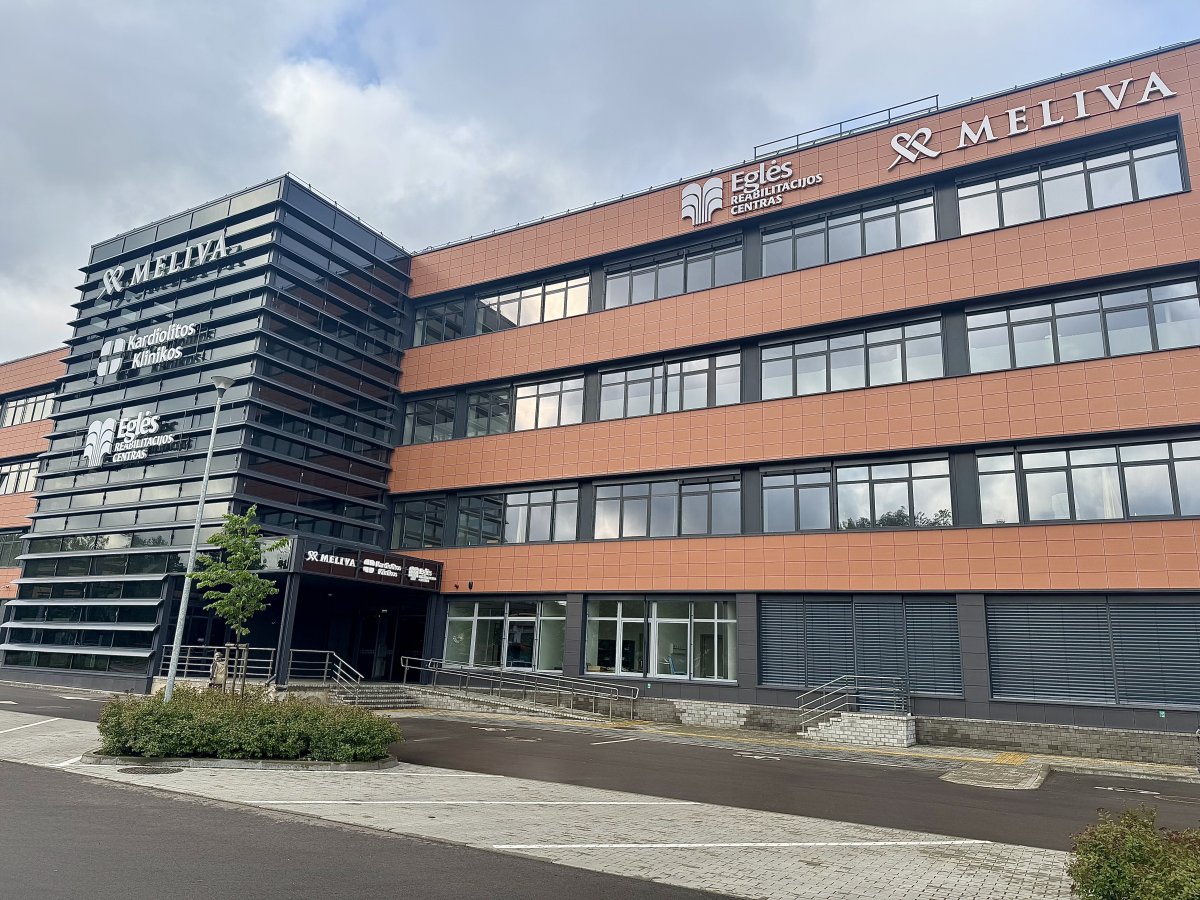
رؤية خبير Bookimed: تعطي المراكز ذات الحجم الكبير مثل مستشفى Meliva Kardiolita في فيلنيوس الأولوية لإصلاح الصمام التاجي. تحافظ هذه التقنية على أنسجة المريض الخاصة بشكل أفضل من الاستبدال الكامل. تظهر البيانات أن هذا المستشفى يعالج ما يقرب من 300,000 مريض سنوياً عبر 33 قسماً. اختيار منشأة ذات حجم كبير يضمن أن الجراحين لديهم الخبرة اللازمة للإصلاحات المعقدة. هذا أمر حيوي قبل حدوث إعادة تشكيل القلب.
إجماع المرضى: يؤكد المرضى أن هذا التشخيص هو طيف وليس حدثاً واحداً. يجد الكثيرون أنه من المفيد التركيز على شدة التسرب بدلاً من تسمية التدلي نفسها.
هل يُفضل إصلاح الصمام التاجي على استبداله في العيادات الليتوانية؟
تعطي مراكز القلب الليتوانية مثل مستشفى ميليفا كارديوليتا في فيلنيوس الأولوية لإصلاح الصمام التاجي على استبداله. يتبع الجراحون إرشادات الجمعية الأوروبية لأمراض القلب للحفاظ على الأنسجة الطبيعية. يتجنب هذا النهج الحاجة إلى مميعات الدم مدى الحياة. كما يضمن معدلات بقاء أعلى للمرضى الذين يعانون من تدلي الصمام التاجي.
- الالتزام بالإرشادات: يتبع المتخصصون الليتوانيون بدقة المعايير الدولية للجمعية الأوروبية لأمراض القلب.
- نتائج البقاء على قيد الحياة: الحفاظ على تشريح الصمام الأصلي يؤدي إلى معدلات بقاء أفضل على المدى الطويل.
- فوائد الأدوية: الإصلاح الناجح يلغي الحاجة إلى العلاج المضاد للتخثر مدى الحياة.
- السلامة الهيكلية: الحفاظ على بنية الصمام الطبيعية يمنع تمدد القلب والمضاعفات المستقبلية.
رؤية خبير Bookimed: يعالج مستشفى ميليفا كارديوليتا ما يقرب من 300,000 مريض سنويًا على الرغم من وجود 54 سريرًا فقط. يشير هذا التدفق الهائل للمرضى الخارجيين والجراحيين إلى نظام إجرائي مبسط للغاية. تم دمج معظم الأقسام الرئيسية في مبنيين فقط. غالبًا ما يسمح هذا الإعداد بإجراء فحوصات ما قبل الجراحة بشكل أسرع قبل جراحة القلب.
إجماع المرضى: يشير المرضى إلى أن الإصلاح هو الهدف الأساسي للتدلي. غالبًا ما يشعرون بالقلق بشأن الأدوية مدى الحياة. يقترح الكثيرون سؤال الجراحين عن معدلات نجاحهم الشخصية في الإصلاح. كما يؤكدون أن الاستبدال هو احتياطي ضروري للصمامات المتكلسة بشدة.
ما هي أفضل المستشفيات في ليتوانيا لعلاج تدلي الصمام التاجي؟
تعد ليتوانيا رائدة إقليمية في علاج الصمام التاجي. تشمل أفضل المرافق مستشفى ميليفا كارديوليتا، ومستشفى جامعة فيلنيوس سانتاروس كلينيكوس، وعيادات كاوناس. تتخصص هذه المراكز في إصلاح الصمام التاجي المتقدم. وهي تستخدم تخطيط صدى القلب ثلاثي الأبعاد وتقنيات طفيفة التوغل لضمان معدلات نجاح عالية.
- مستشفى ميليفا كارديوليتا: هذا المركز الذي يقع في فيلنيوس معتمد من قبل اللجنة الدولية المشتركة (JCI). يعمل به 510 أطباء ويعالج البالغين.
- سانتاروس كلينيكوس: مستشفى تعليمي رائد متخصص في إجراءات إعادة بناء الصمام التاجي المعقدة.
- عيادات كاوناس: أكبر مرفق متعدد التخصصات. يقدم خبرة مشهورة عالميًا في استبدال الصمامات.
- التشخيص المتقدم: تستخدم المراكز ذات الحجم الكبير تخطيط صدى القلب عبر المريء لتقييم الدرجة الدقيقة لتدلي الصمام.
رؤية خبير Bookimed: يتميز مستشفى ميليفا كارديوليتا بالكفاءة. فهو يدير 298,000 مريض سنويًا مع 510 أطباء. تقلل هذه القدرة العالية من الأطباء لكل مريض من أوقات الانتظار لإصلاح الصمامات العاجلة. يستفيد المرضى الدوليون من الوصول المباشر إلى الفرق الجراحية بمعايير JCI دون طوابير الانتظار الأكاديمية الطويلة.
إجماع المرضى: يؤكد المرضى على الحاجة إلى رأي ثانٍ بشأن مخططات صدى القلب. ويوصون بسؤال الجراحين عن نسبتهم المحددة لإصلاح الصمامات مقابل استبدالها.
هل تتوفر خيارات طفيفة التوغل لإصلاح تدلي الصمام التاجي (MVP) في ليتوانيا؟
توفر ليتوانيا خيارات طفيفة التوغل لإصلاح تدلي الصمام التاجي. تستخدم المراكز المتخصصة شقوقاً صغيرة بدلاً من بضع القص التقليدي. تشمل التقنيات بضع الصدر المصغر الأيمن والإصلاح بالمنظار بمساعدة الفيديو. تساعد هذه الطرق في علاج ارتجاع الصمام التاجي من خلال شقوق صغيرة تصل إلى 4 سم.
- الوصول الجراحي: يستخدم الجراحون شقاً بطول 4-5 سم بين الضلوع.
- بصريات متقدمة: يوفر تنظير الصدر ثلاثي الأبعاد عالي الدقة رؤية مكبرة.
- الحفاظ على الصمام: يستخدم المتخصصون حلقات رأب الحلقة والأوتار الاصطناعية.
- أوقات التعافي: غالباً ما يعود المرضى إلى أنشطتهم في غضون أسبوعين.
- معايير المنشأة: مراكز مثل مستشفى ميليفا كارديوليتا حاصلة على اعتماد JCI.
رؤية خبير Bookimed: يستخدم مستشفى ميليفا كارديوليتا بنية تحتية خاصة لخدمة 298,000 مريض سنوياً. يدعم هذا الحجم الكبير عبر 33 قسماً فريقاً قوياً لجراحة القلب. بالنسبة للمرضى الذين يختارون ليتوانيا، يضمن الجمع بين معايير JCI والرعاية الخاصة اتباع الإرشادات الطبية الغربية بدقة.
إجماع المرضى: يشير المرضى إلى أن جراحة الشق الصغير تعتمد بشكل كبير على جراح متخصص في الإصلاح بدلاً من الاستبدال. ينصحون بالسؤال عما إذا كان تشريح الصمام الخاص بك مناسباً لبضع الصدر المصغر قبل السفر.
ما الذي يجب على المرضى الذين يعانون من سمات تشريحية معقدة مثل مرض بارلو سؤال جراحهم الليتواني عنه؟
يجب على مرضى مرض بارلو سؤال الجراحين الليتوانيين عن معدلات نجاحهم الشخصية في إصلاح تدلي الصمامات متعدد القطاعات. يجب أن تغطي الأسئلة الموجهة تقنيات محددة مثل وضع الأوتار الاصطناعية واختيار حلقة تجميل الحلقة. تضمن هذه التفاصيل قدرة الجراح على إدارة تعقيدات وريقات الصمام مع تجنب استبدال الصمام.
- مقاييس النجاح: اسأل عن معدلات الإصلاح الشخصية الخاصة بمرض بارلو بدلاً من إحصائيات المستشفى العامة.
- النهج التقني: استفسر عن الاختيار بين استئصال الوريقات أو استخدام الأوتار الاصطناعية من مادة PTFE.
- الوقاية من المضاعفات: اسأل كيف يخطط الجراح لتخفيف مخاطر الحركة الانقباضية الأمامية (SAM).
- بروتوكولات التصوير: تأكد مما إذا كان المركز يستخدم تخطيط صدى القلب عبر المريء ثلاثي الأبعاد أثناء الجراحة للتقييم.
رؤية خبير Bookimed: غالبًا ما ترتبط مؤشرات الجودة في ليتوانيا بأعداد المرضى الكبيرة التي تشهدها المراكز الرئيسية. يعالج مستشفى ميليفا كارديوليتا في فيلنيوس 298,000 مريض سنويًا ويحمل اعتماد JCI. يشير هذا المعدل الجراحي المرتفع إلى أن الموظفين معتادون على المراقبة المعقدة بعد الجراحة لمرضى صمامات القلب.
إجماع المرضى: يؤكد المرضى على أهمية طلب رسم تشريح الصمام الخاص بهم من الجراحين لفهم خطة الإصلاح. ويشيرون إلى أن إعطاء الأولوية لإصلاح دائم أكثر أهمية من حجم الشق الجراحي.
ما هو الهيكل النموذجي للتعافي والإقامة في المستشفى في ليتوانيا؟
تستخدم ليتوانيا نهج تعافي منظم لعلاج الصمام التاجي. يقضي المرضى عادةً من 5 إلى 10 أيام في المستشفى. يبدأ هذا بـ 1 إلى 2 يوم من المراقبة في وحدة العناية المركزة. يتبع التعافي نموذجًا منظمًا من ثلاث مراحل يضمن إعادة التأهيل القلبي المستمر من السرير إلى المنزل.
- المراقبة المكثفة: يبقى المرضى 48 ساعة للاستقرار في وحدات العناية المركزة.
- جناح القلب: يتم نقل المرضى إلى الأجنحة لمراقبة الإيقاع وفحوصات الحركة.
- المرحلة الثانية من إعادة التأهيل: توفر وحدات المرضى الداخليين المتخصصة العلاج الطبيعي لمدة 20 يومًا إذا لزم الأمر.
- الإقامة في الرعاية الحادة: يبلغ متوسط العلاجات الجراحية في ليتوانيا 7.9 يومًا للتعافي الحاد.
رؤية خبير Bookimed: بينما يبلغ متوسط الإقامات الجراحية العامة في ليتوانيا 10.5 يومًا، تعطي مراكز مثل مستشفى Meliva Kardiolita الأولوية للمشي المبكر. غالبًا ما يحصل المرضى الذين يبدأون في المشي في غضون 24 ساعة على خروج أسرع. يعالج هذا المستشفى 298,000 مريض سنويًا، مما يظهر كفاءة عالية في التعامل مع أحجام الجراحة الدولية. يتيح فريقهم الكبير المكون من 510 أطباء مراقبة دقيقة خلال الأسبوع الأول الحرج من تعافي القلب.
إجماع المرضى: يؤكد المرضى أن المشي مبكرًا أمر حيوي لمغادرة المستشفى في وقت أقرب. يلاحظ الكثيرون أن الأسابيع الستة الأولى في المنزل أصعب من الجراحة نفسها بسبب التعب.