علاج هبوط الصمام التاجي في الهند: 16 مستشفيات


تمت مراجعة المقالة طبيا من قبل
فهد مولود
ما هي تكلفة هبوط الصمام التاجي إجراءات التشخيص والعلاج في الهند؟ اعرف الآن
Mitral valve prolapse treatment cost in India typically depends on whether a patient requires heart valve replacement surgery, which ranges from $6,000 to $6,500, or specialized plastic surgery for cardiac valve repair, costing between $6,000 and $9,500. Total expenses are influenced by the choice of prosthetic material and hospital tier. Patients generally save 60-80% compared to the US. Top cities for this treatment include Delhi, Mumbai, and Gurgaon.
Typical Mitral Valve Prolapse Treatment Costs in India
- Heart valve replacement: $6,000 – $6,500
- Plastic surgery for cardiac valve: $6,000 – $9,500
- Valvuloplasty: $4,800 – $8,500
- Pediatric mitral valve replacement: $7,500 – $12,000
Bookimed Expert Insight: Patients requiring complex valve repair benefit from centers like Global Hospital Chennai, known for minimally invasive techniques. For international patients, Fortis Escorts Heart Institute in Delhi offers specialized care under experts like Dr. Z S Meharwal, who has 35 years of experience. Choosing JCI-accredited facilities ensures safety standards comparable to Western clinics while maintaining significant cost advantages.
| الهند | تركيا | إسبانيا | |
|---|---|---|---|
| رأب الصمام | ≈ $4,800 | من $8,000 | ≈ $16,500 |
| الجراحة التجميلية لصمام القلب | ≈ $6,000 | من $11,000 | من $46,000 |
| استبدال صمام القلب | من $6,000 | من $15,000 | من $44,800 |
| استبدال الصمام التاجي للأطفال | ≈ $7,500 | من $12,000 | من $44,800 |
| استبدال الصمام التاجي | ≈ $7,500 | من $18,200 | ≈ $32,000 |
مزاياك وضماناتك مع Bookimed
أسعار مباشرة
Bookimed لا يضيف رسوماً إضافية على أسعار علاج هبوط الصمام التاجي. الأسعار مأخوذة من قوائم الأسعار الرسمية للعيادات. تدفع مباشرة في العيادة مقابل علاجك عند وصولك إلى البلد.
عيادات وأطباء معتمدون فقط
Bookimed ملتزم بسلامتك. نحن نعمل فقط مع المؤسسات الطبية التي تحافظ على معايير دولية عالية في علاج هبوط الصمام التاجي ولديها التراخيص اللازمة لخدمة المرضى الدوليين في جميع أنحاء العالم.
مساعدة مجانية على مدار الساعة
Bookimed يقدم مساعدة خبراء مجانية. منسق طبي شخصي يدعمك قبل وأثناء وبعد العلاج، ويحل أي مشاكل. لن تكون وحيداً أبداً في رحلة علاج هبوط الصمام التاجي.

منسقك الطبي الشخصي في Bookimed
- يدعمك في كل مرحلة
- المساعدة في اختيار العيادة الطبية المناسبة والطبيب المناسب
- يضمن الوصول السريع والمريح إلى المعلومات
اكتشف أفضل هبوط الصمام التاجي العيادات في الهند: 16 خيارات معتمدة والأسعار




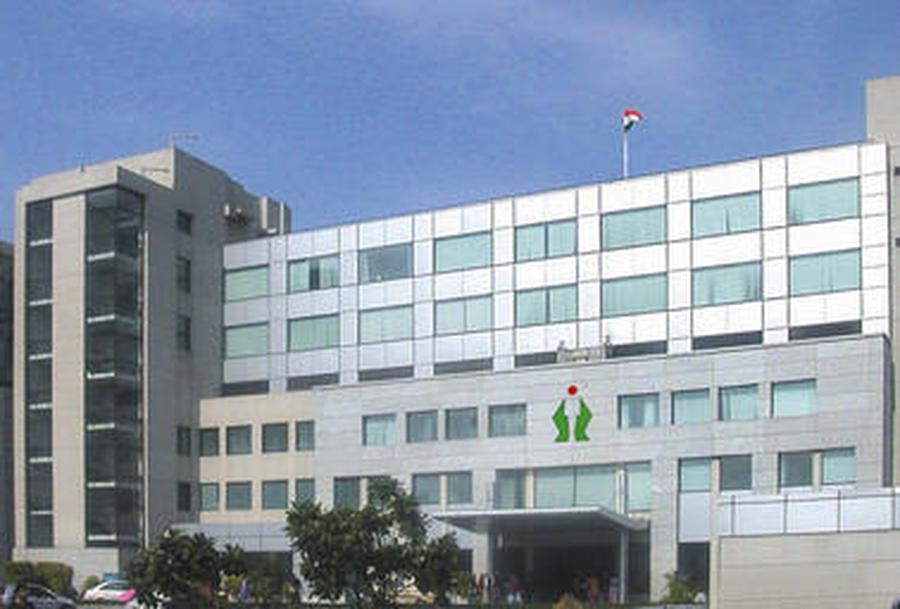







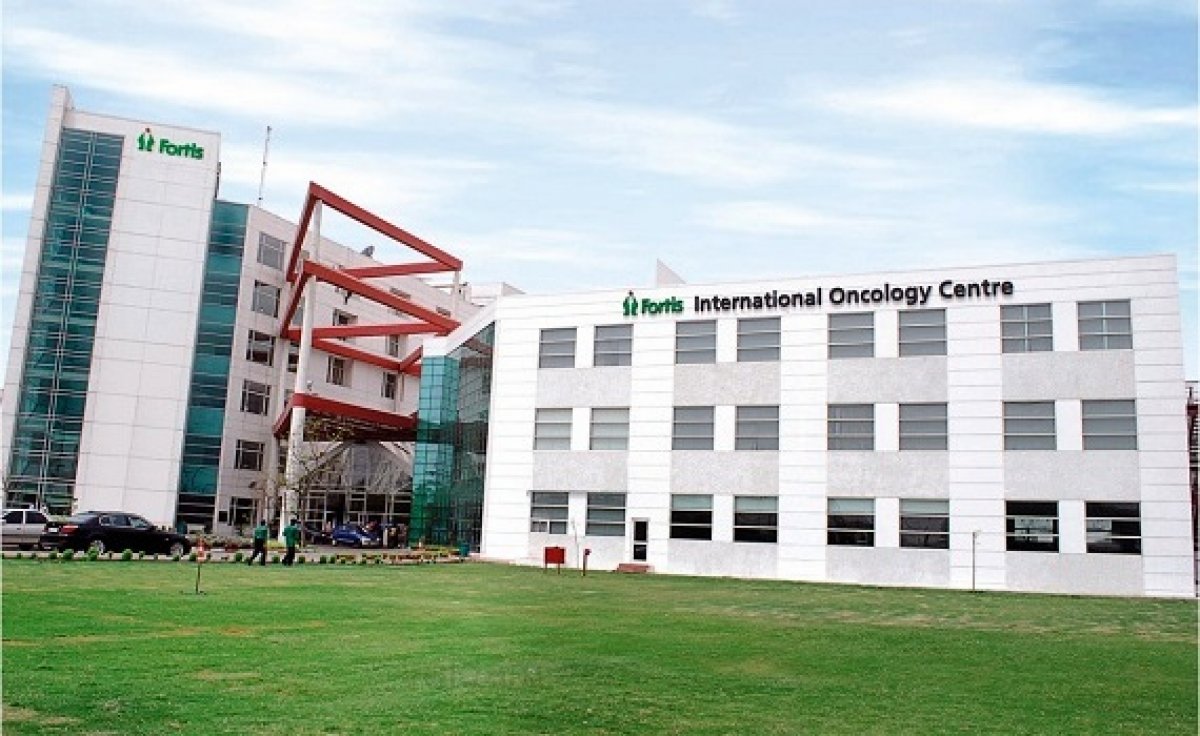
Fortis Hospital

Medanta Hospital Gurgaon - The Medicity

Indraprastha Apollo Hospital
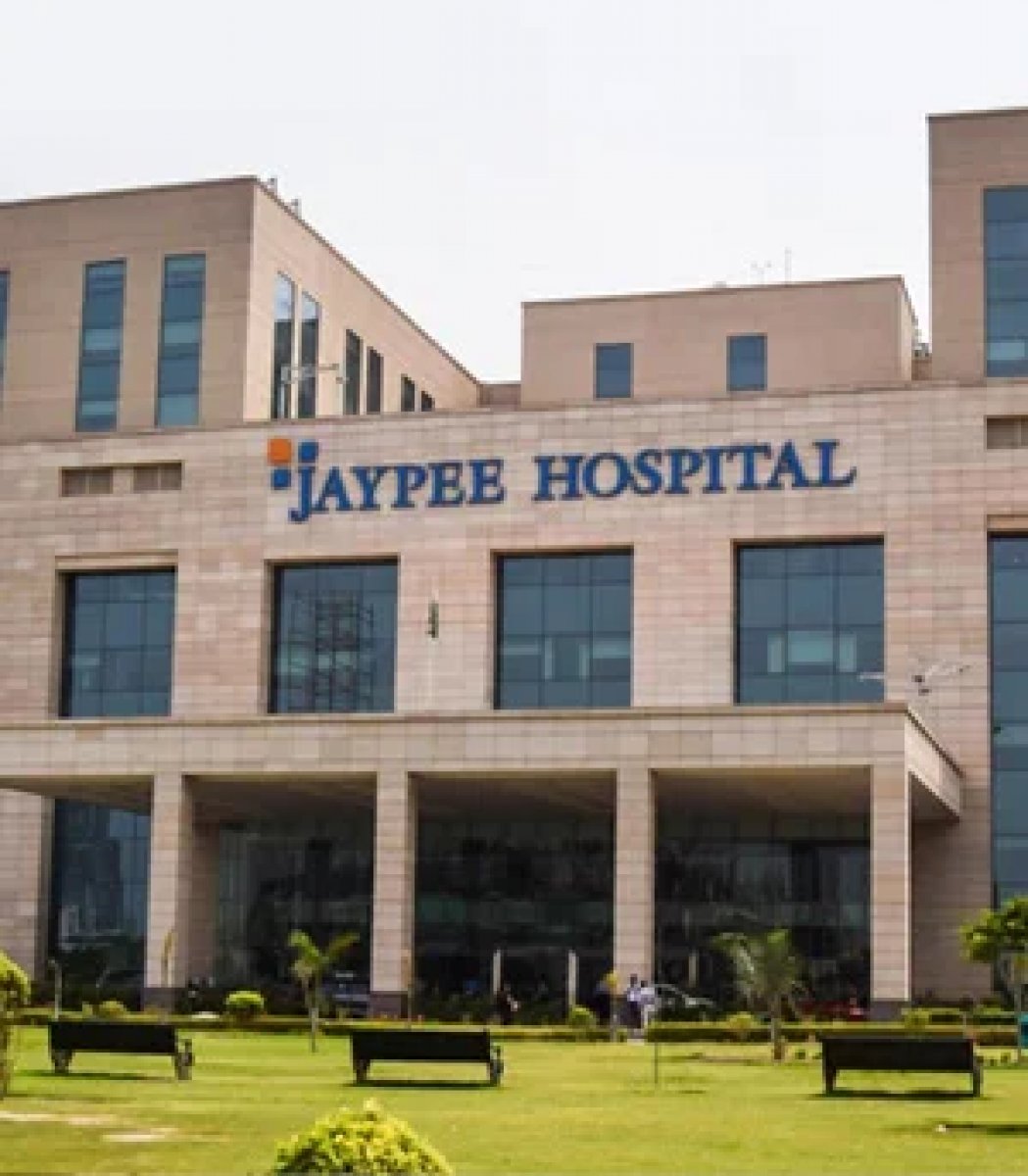
Jaypee Hospital
احصلوا على تقييم طبي لـ هبوط الصمام التاجي في الهند: استشيروا أطباء ذوي خبرة الآن
عرض جميع الأطباء
Shridar Padagatti

Z S Meharwal
تم إجراء أكثر من 1100 عملية قلب - يجلب الدكتور ميهاروال عقودًا من الخبرة في حالات الصمام التاجي في معهد فورتيس إسكورتس للقلب.
- _doctor_6605_سنوات_ من الخبرة في جراحة القلب
- متخصص في تدخلات الصمام التاجي المعقدة
- يعمل في أحد مراكز القلب الرائدة في الهند
مشاركة المحتوى
قصص فيديو من مرضى Bookimed
 Anna Leonova
أسئلة متكررة حول علاج هبوط الصمام التاجي في الهند
هل تتطلب جميع حالات تدلي الصمام التاجي إجراء جراحة؟
معظم حالات تدلي الصمام التاجي لا تتطلب جراحة. يوصي الأخصائيون بالتدخل فقط لـ 10% إلى 15% من المرضى. تتضمن الإدارة عادةً المراقبة من خلال مخططات صدى القلب المنتظمة. يصف الأطباء أدوية مثل حاصرات بيتا فقط للتحكم في أعراض مثل خفقان القلب أو عدم الراحة في الصدر.
- معايير الجراحة: الجراحة ضرورية في حالات ارتجاع الصمام التاجي الشديد أو تدهور وظائف القلب.
- هدف العلاج: تعطي المراكز الهندية عادةً الأولوية لإصلاح الصمام على استبداله للحفاظ على الأنسجة الطبيعية.
- بروتوكول المراقبة: يستخدم أطباء القلب التصوير الدوري للتحقق من تضخم حجرات القلب أو الإجهاد.
- التحكم في الأعراض: تساعد الأدوية مثل مضادات التخثر في منع السكتة الدماغية إذا تطور الرجفان الأذيني جنبًا إلى جنب مع التدلي.
رؤية خبير Bookimed: يكشف حجم المرضى في المراكز الهندية الكبرى عن مستوى عالٍ من الكفاءة الجراحية. يعالج مستشفى جلوبال تشيناي وميدانتا أكثر من 100,000 مريض مجتمعين سنويًا. يسمح هذا النطاق الهائل لجراحين مثل الدكتور ناريش تريان بالحفاظ على معدلات نجاح تلبي المعايير الدولية. عند اختيار منشأة، ابحث عن تلك الحاصلة على اعتماد اللجنة الدولية المشتركة (JCI)، مثل مستشفيات أرتميس أو BLK Super Speciality. تضمن هذه الاعتمادات أن المستشفى يتبع نفس بروتوكولات السلامة الصارمة الموجودة في مراكز القلب الغربية الرائدة.
هل إصلاح الصمام أو استبداله أفضل في حالات تدلي الصمام التاجي (MVP)؟
يُعد إصلاح الصمام التاجي متفوقاً على استبداله في معظم حالات تدلي الصمام التاجي. فهو يحافظ على البنية الطبيعية للقلب ويحسن معدلات البقاء على قيد الحياة على المدى الطويل. وغالباً ما يتجنب المرضى الحاجة إلى مميعات الدم مدى الحياة التي تتطلبها الصمامات الميكانيكية. كما تقلل عمليات الإصلاح من خطر الإصابة بالعدوى والسكتات الدماغية.
- مستوى المعيشة: عادةً ما يحافظ المرضى الذين خضعوا لعملية إصلاح على متوسط عمر متوقع مماثل لعامة السكان.
- وظيفة القلب: يحمي الحفاظ على الصمام الطبيعي هندسة البطين الأيسر ويحافظ على قوة الضخ.
- الحاجة إلى الأدوية: تلغي عمليات الإصلاح الناجحة الحاجة إلى الوارفارين والمراقبة المستمرة للدم.
- عامل المتانة: تظل حوالي 94% من حالات الإصلاح خالية من التسريبات الكبيرة بعد 10 سنوات.
رؤية خبير Bookimed: تتعامل مراكز القلب الهندية مثل مستشفى ميدانتا ومستشفى جلوبال في تشيناي مع أعداد هائلة من المرضى، تصل إلى 80,000 مريض سنوياً. يعد هذا المعدل المرتفع مؤشراً قوياً على الكفاءة الجراحية في حالات الصمامات المعقدة. وفي حين تشير البيانات الأساسية إلى أن الإصلاح هو الأفضل دائماً، تظهر بياناتنا أن العيادات غالباً ما تقدم جراحة روبوتية متقدمة لهذه الإجراءات. يمكن لهذه التكنولوجيا المتخصصة تحسين دقة الإصلاح وتقليل فترات الإقامة في المستشفى، وهو عامل حاسم للمرضى الدوليين المسافرين إلى الهند.
إجماع المرضى: يشير المرضى إلى أن العثور على جراح لديه عدد كبير من عمليات الإصلاح أمر بالغ الأهمية لأن الاستبدال الممتاز أكثر أماناً م
ما هو معدل نجاح جراحة صمام القلب الميترالي (MVP) في الهند؟
يبلغ متوسط معدل نجاح جراحة رأب الصمام الميترالي (MVP) في الهند ما بين 94% و98% في مراكز القلب المتخصصة. تصل معدلات النجاح التقني الفوري لعمليات الإصلاح عبر القسطرة المتقدمة إلى 98.4%. وغالباً ما تبلغ المستشفيات عن معدلات بقاء على قيد الحياة تتجاوز 99% للإجراءات طفيفة التوغل في المرافق المعتمدة من اللجنة الدولية المشتركة (JCI).
- مقاييس النجاح: تظهر عمليات الإصلاح نجاحاً بنسبة 98.4% في مراكز القلب المتقدمة.
- نتائج البقاء على قيد الحياة: يوفر إصلاح الصمام معدل بقاء متفوق لمدة 5 سنوات مقارنة بالاستبدال.
- التقنيات الجراحية: يعود النجاح الكبير إلى الأساليب الروبوتية والتدخلات طفيفة التوغل.
- معايير المرافق: تمتلك معظم المستشفيات عالية الأداء اعتمادات JCI وNABH.
رؤية خبير Bookimed: يرتبط حجم المرضى ارتباطاً مباشراً بالخبرة في الهند. يخدم مستشفى جلوبال في تشيناي 80,000 مريض سنوياً ويجري 18,000 عملية. ويعالج مستشفى ميدانتا 20,000 مريض قلب سنوياً. يضمن اختيار هذه المراكز ذات الحجم الكبير الوصول إلى جراحين يجرون مئات عمليات إصلاح الصمام الميترالي سنوياً. تؤدي هذه الخبرة عادةً إلى نتائج وظيفية أفضل وإجراءات متابعة أقل.
إجماع المرضى: يعطي المرضى الأولوية لإصلاح الصمام على استبداله لتجنب مميعات الدم طويلة الأمد والحفاظ على وظائف القلب. على الرغم من أن النجاح التقني مرتفع، يشير المرضى إلى أن التعافي قد يكون متطلباً بدنياً في البداية.
هل يمكن إجراء جراحة تدلي الصمام التاجي (MVP) باستخدام تقنيات طفيفة التوغل أو روبوتية في الهند؟
تُجرى جراحة تدلي الصمام التاجي في الهند باستخدام تقنيات طفيفة التوغل وروبوتية. تستخدم المراكز الرائدة أنظمة دا فينشي (da Vinci) لإجراء إصلاحات دقيقة من خلال شقوق صغيرة بين الضلوع. تلغي هذه الطرق الحاجة إلى شق عظمة الصدر، مما يقلل بشكل كبير من وقت التعافي والندوب الجسدية للمرضى.
- الأنظمة الروبوتية: يستخدم الجراحون تقنية دا فينشي لإجراء إصلاحات عالية الدقة من خلال منافذ بحجم 8 مم.
- النهج طفيف التوغل: تستخدم جراحة MICS القياسية شقوقًا يتراوح طولها من 2 إلى 3 بوصات بين الضلوع بدون مساعدة روبوتية.
- الجدول الزمني للتعافي: غالبًا ما يغادر المرضى المستشفى في غضون 4 أيام ويعودون إلى العمل في غضون 3 أسابيع.
- الفوائد السريرية: تؤدي الشقوق الأصغر إلى فقدان دم ضئيل وتقليل مخاطر الإصابة بعد الجراحة.
رؤية خبير Bookimed: بينما تقدم العديد من المرافق الهندية الجراحة الروبوتية، تُظهر المراكز المتخصصة مثل مستشفى جلوبال تشيناي (Global Hospital Chennai) ومستشفى ميدانتا (Medanta Hospital) استعدادًا تقنيًا أعلى للإصلاحات المعقدة. كان مستشفى جلوبال تشيناي أول من أجرى عمليات زراعة رئة طفيفة التوغل وإجراءات مشتركة للقلب والكلى في الهند. يشير هذا إلى خبرة مؤسسية عميقة في جراحات الصدر المتقدمة التي غالبًا ما تترجم إلى نتائج أكثر أمانًا لإصلاحات الصمام التاجي المعقدة مقارنة بالعيادات الأصغر.
إجماع المرضى: يؤكد المرضى على أهمية العثور على جراح متخصص تحديدًا في إصلاح الصمام بدلاً من استبداله. يلاحظ الكثيرون أن اختيار فريق ذي خبرة في مستشفى خاص كبي
كم من الوقت يجب أن يبقى المريض الدولي في الهند لإجراء العملية؟
عادةً ما يبقى المرضى الدوليون في الهند لمدة تتراوح بين 21 إلى 30 يوماً لعلاج الصمام التاجي. تضمن هذه الفترة وقتاً كافياً للفحوصات قبل الجراحة، والإجراء نفسه، والتعافي الأساسي. يجب أن يظل المرضى في المنطقة حتى يتم التصريح لهم طبياً بالسفر جواً من قبل جراح القلب الخاص بهم.
- مرحلة ما قبل الجراحة: تتطلب الفحوصات الأولية وتصريح التخدير عادةً من 2 إلى 3 أيام.
- الإقامة في المستشفى: تستمر الرعاية الداخلية لجراحة الصمام عادةً ما بين 5 إلى 7 أيام.
- التعافي المحلي: يبقى المرضى بالقرب من العيادة لمدة 10 إلى 14 يوماً للمراقبة.
- تصريح السفر: يتم إجراء تقييم نهائي للياقة للطيران قبل الصعود إلى رحلة دولية.
رؤية خبير Bookimed: بينما يخطط الكثيرون لرحلة قياسية مدتها 4 أسابيع، تُظهر البيانات من مراكز كبيرة مثل مستشفى ميدانتا أن المرضى غالباً ما يتجاهلون تأثير حجم الحرم الجامعي البالغ 2.1 مليون قدم مربع على الخدمات اللوجستية اليومية. اختيار عيادة بها غرف عمليات معيارية ومختبرات قسطرة قلبية في الموقع، مثل مستشفى جايبي، يمكن أن يبسط الانتقال من التشخيص إلى الجراحة، مما قد يوفر أياماً خلال مرحلة التقييم الأولية.
إجماع المرضى: يؤكد المرضى على أهمية العثور على فندق قريب جداً من المستشفى للتعامل مع التعب بعد الجراحة. كما يوصون بحجز تذاكر طيران مرنة لأن الجراحين غالباً ما يطلبون تصويراً إضافياً للمتابعة أو تعديلات في الأدوية قبل المغادرة.
ما هي المدن في الهند التي تقدم أكثر علاجات صمامات القلب تقدمًا؟
تقدم دلهي-NCR، وتشيناي، ومومباي أكثر علاجات صمامات القلب تقدمًا في الهند. تتميز هذه المراكز بمرافق معتمدة من JCI متخصصة في إصلاح الصمام التاجي طفيف التوغل والجراحة بمساعدة الروبوت. تستخدم المراكز ذات الحجم الكبير في هذه المدن غرف عمليات هجينة لإجراء عمليات إعادة بناء الصمامات المعقدة والدقيقة وإجراءات القسطرة.
- دلهي-NCR: تضم مراكز ثالثية كبيرة مثل ميدانتا (Medanta) مع برامج صمامات بمساعدة الروبوت.
- تشيناي: معترف بها كمركز للقلب مع مرافق عالمية المستوى مثل مستشفى جلوبال (Global Hospital).
- مومباي: موطن لأخصائيين من الدرجة الأولى يقومون بإجراء جراحة روبوتية متقدمة وزراعة القلب.
- الوصول التكنولوجي: توفر العيادات ملاحة ثلاثية الأبعاد، وغرف عمليات معيارية، ومختبرات قسطرة قلبية متقدمة.
رؤية خبير Bookimed: تظهر البيانات أن مستشفيات جورجاون مثل ميدانتا وأرتيميس غالبًا ما تكون الخيار الأول للحالات المعقدة. يعالج ميدانتا وحده 20,000 مريض سنويًا وقد أسسه جراح قلب مشهور عالميًا. يضمن هذا الحجم الهائل احتفاظ الجراحين بكفاءة عالية في كل من الاستبدالات القياسية والإصلاحات المعقدة.
إجماع المرضى: يشير المرضى إلى أن اختيار مركز يتمتع بحجم كبير من إجراءات الصمامات أكثر أهمية من المدينة نفسها. ويؤكدون أن فرق الصمامات ذات الخبرة في دلهي وتشيناي توفر وصولاً أفضل إلى الخيارات طفيفة التوغل.