علاج خلع الكتف المتكرر في تايلاند — احصل على 3 عيادات مختارة خصيصاً لك


تمت مراجعة المقالة طبيا من قبل
فهد مولود
كيف نعمل؟
ما هي تكلفة خلع الكتف المتكرر إجراءات التشخيص والعلاج في تايلاند؟ اعرف الآن
| تايلاند | تركيا | إسبانيا | |
|---|---|---|---|
| العلاج المحافظ للخلع المعتاد للكتف | ≈ $900 / 30,600฿ | ≈ $450 / 15,300฿ | ≈ $900 / 30,600฿ |
اكتشف أفضل خلع الكتف المتكرر العيادات في تايلاند: 6 خيارات معتمدة والأسعار




LUX KOR Hospital

MedConsult Bangkok Medical Clinic

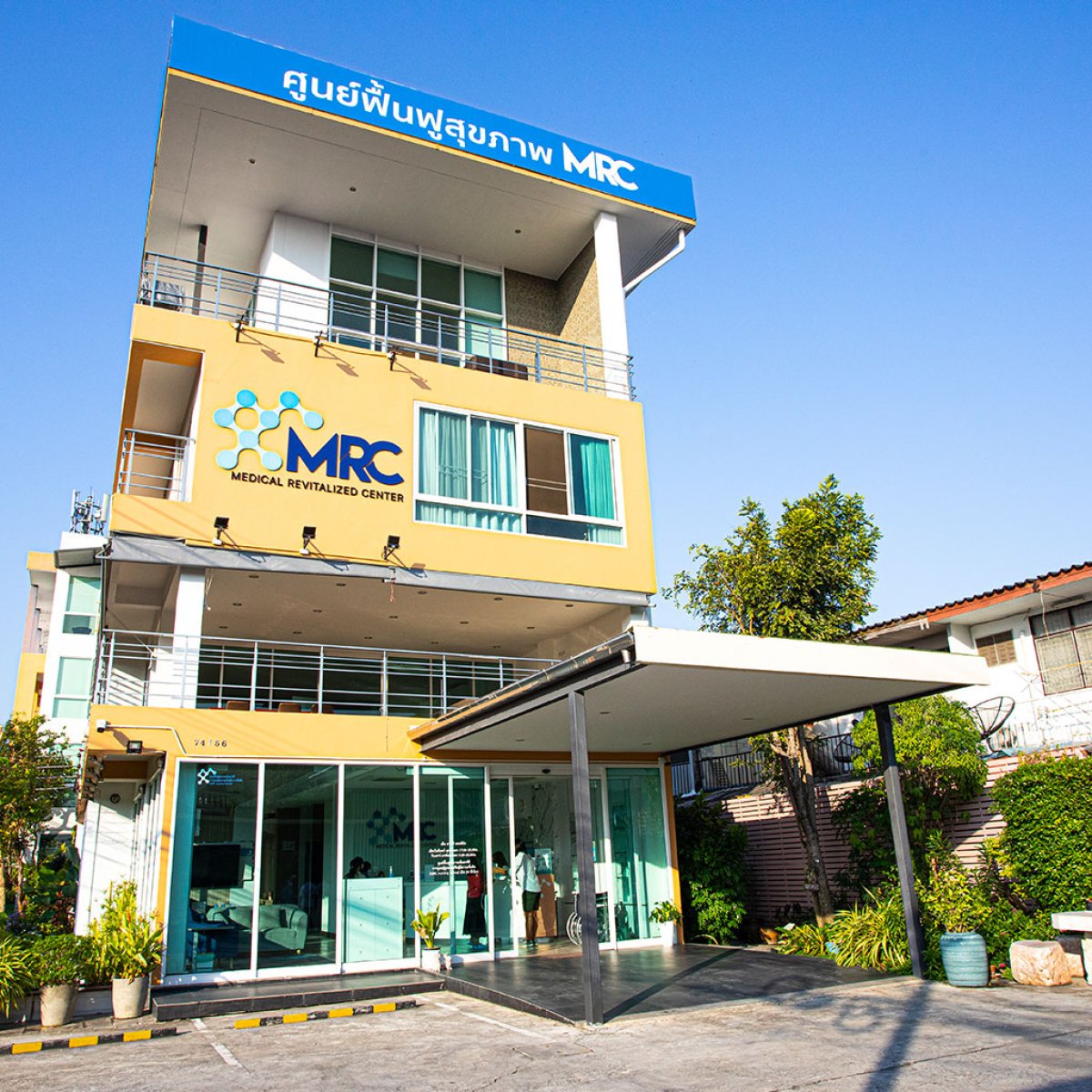
MRC Medical Revitalized Center
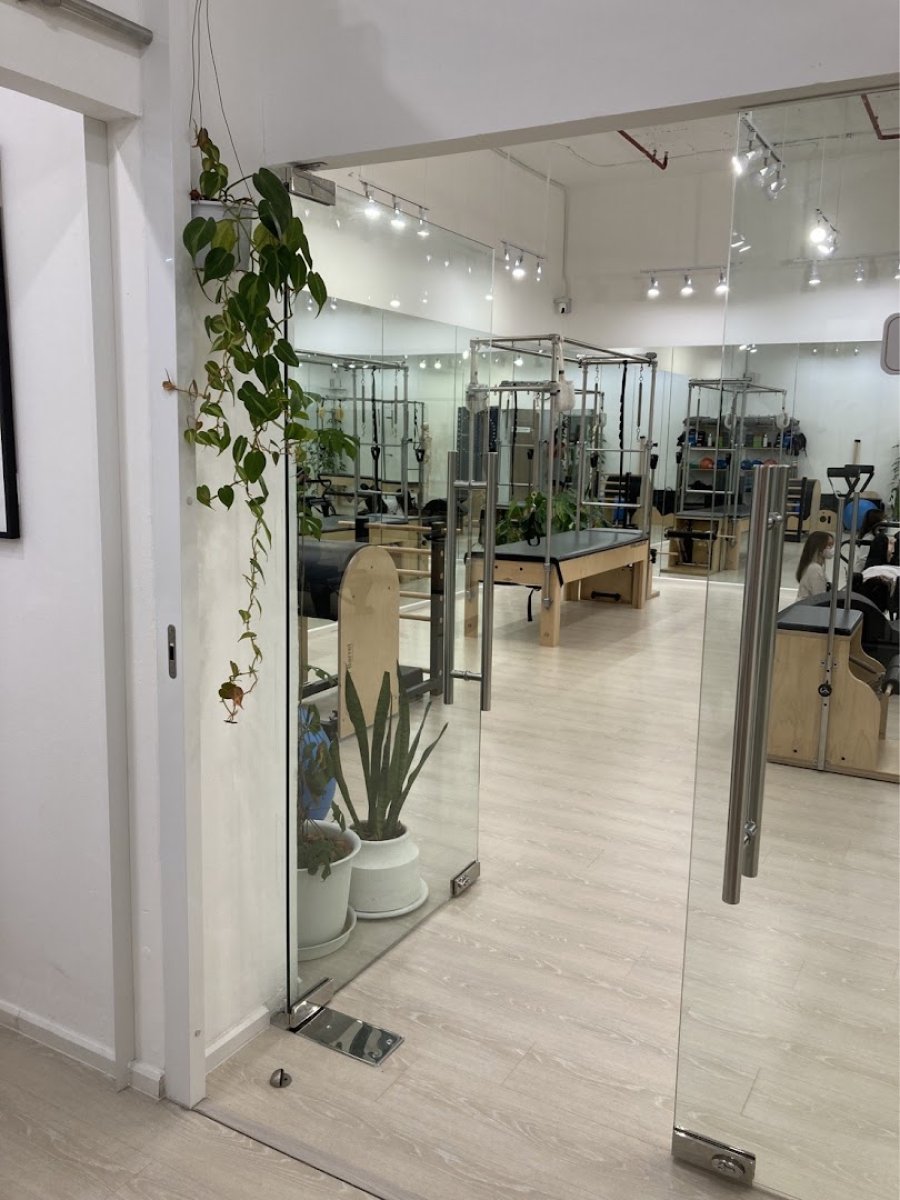
Le Physio Clinic
احصل على تقييم طبي لـ في تايلاند. استشر الآن 6 أطباء ذوي الخبرة.
عرض جميع الأطباء
Dr Piya Assawaboonyadej
متخصص في حالات الكتف المعقدة مع التركيز على جراحة العظام والأورام - يجمع بين الخبرة الجراحية والمعرفة المتخصصة بالأورام في مستشفى إنتارات.
- _doctor_8776_سنوات_ كمحاضر في جراحة العظام في مستشفى جامعة ناريسوان
- حاصل على زمالة في جراحة العظام والأورام من جامعة أيوا، الولايات المتحدة الأمريكية
- عضو في الجمعية التايلاندية لأورام الجهاز العضلي الهيكلي والكلية الملكية لجراحي العظام
- أبحاث منشورة حول أورام العظام النادرة وتقنيات الحفاظ على المفاصل
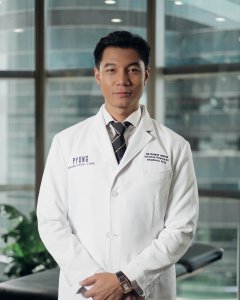
Kantaphong Thongrong
يتخصص الدكتور بيونغ في دمج الروبوتات المتقدمة والتقنيات غير الجراحية لإعادة تأهيل الكتف في مجموعة بيونغ لإعادة التأهيل.
- طبيب فيزيائي معتمد من المجلس ولديه خبرة في إعادة التأهيل العصبي
- يستخدم التدخلات الموجهة بالموجات فوق الصوتية وتقنيات التحلل المائي
- رئيس قسم إعادة التأهيل في مستشفى رئيسي في بانكوك
- مدرب على إعادة التأهيل العصبي الروبوتي والعلاج بالليزر
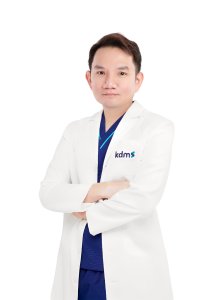
Pongtep Na Nakorn
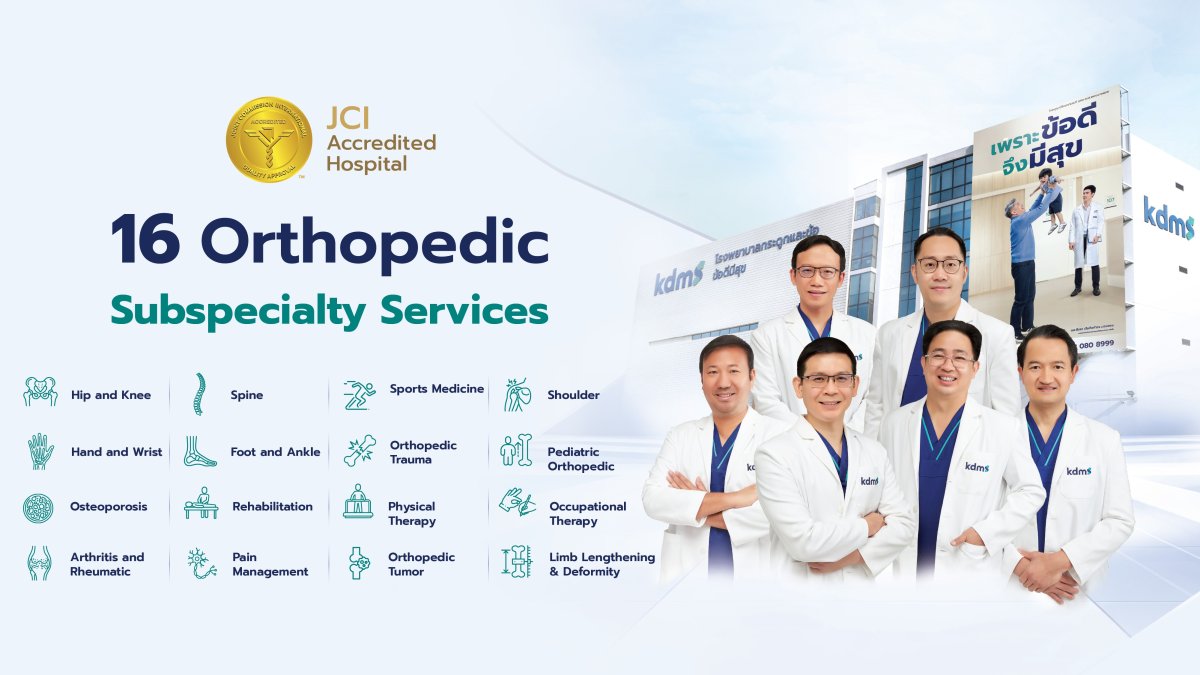
متخصص في جراحة المناظير للكتف والركبة – يقدم الدكتور بونغتيب نا ناكورن خبرة مركزة في مستشفى KDMS التخصصي لجراحة العظام.
- تدرب في الطب الرياضي في جامعة تاماسات
- جراح عظام معتمد من المجلس الطبي ولديه خبرة واسعة
- يجري إجراءات تنظيرية متقدمة لاستقرار الكتف
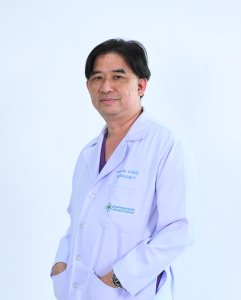
Pradab Pradasuk
الدكتور براداب براداسوك جرّاح عظام يتمتّع بـ24 عاماً من الخبرة في مستشفى نافامين 9 في بانكوك. يقدّم الاستشارات بالإنجليزية والتايلندية.
يركّز عمله على تنظير المفاصل وإعادة بناء الركبة. يشمل ذلك جراحة الرباط الصليبي الأمامي، واستئصال الغضروف الهلالي، ورأب المفصل، واستبدال المفصل. يعالج اضطرابات الكتف، بما في ذلك تمزقات الكفّة المدورة. يعالج حالات الكاحل والقدم، بما في ذلك إيثاق المفصل، واستبدال المفصل، وإصلاح وتر أخيل، وإعادة بناء أصابع القدم أو القدم. يجري جراحات الكسور للساعد والحوض و
مشاركة المحتوى
قصص فيديو من مرضى Bookimed
 Anna Leonova
أسئلة متكررة حول علاج خلع الكتف المتكرر في تايلاند
هل إجراء جراحة خلع الكتف المتكرر آمن في تايلاند؟
تُعد تايلاند وجهة آمنة للغاية لجراحات خلع الكتف. تستخدم المراكز المعتمدة مثل مستشفى بامرونجراد ومستشفى KDMS مساعدين آليين وتقنيات تنظير المفاصل. وغالباً ما يحمل الجراحون التايلانديون زمالات دولية. تلتزم المرافق المعتمدة من اللجنة الدولية المشتركة (JCI) ببروتوكولات نظافة صارمة وتتحقق من مؤهلات المتخصصين لضمان سلامة المرضى.
- الخبرة المتخصصة: يتخصص جراحون مثل الدكتور بونغتيب نا ناكورن في تثبيت الكتف بالمنظار.
- التكنولوجيا المتقدمة: تستخدم العيادات الجراحة بمساعدة الروبوت والتصوير الرقمي ثلاثي الأبعاد لإصلاح العظام بدقة.
- معايير السلامة: تمتلك المستشفيات الرائدة شهادات JCI وGHA للجودة الجراحية.
- التعافي المتكامل: توفر المراكز المتخصصة علاجاً طبيعياً مخصصاً بعد الجراحة وإعادة تأهيل بمساعدة الهياكل الخارجية.
رؤية خبير Bookimed: تعتمد سلامة تايلاند في جراحة العظام على التخصص الدقيق. يعمل مستشفى KDMS المتخصص في العظام كأول مرفق مخصص حصرياً لجراحة العظام في البلاد. هذا النموذج يقلل من مخاطر العدوى الشائعة في المستشفيات العامة. إن التركيز على العيادات ذات الحجم الكبير يضمن أن الجراح يقوم بإجراء مئات عمليات تثبيت الكتف سنوياً.
إجماع المرضى: يؤكد المرضى على أهمية إيجاد طبيب متخصص تحديداً في عدم استقرار الكتف بدلاً من جراحة العظام العامة. ويشيرون إلى أن النجاح يعتمد بشكل كبير على وجود خطة إعادة تأهيل واضحة ومنظمة بعد الجراحة.
ما هو أفضل علاج لتكرار خلع الكتف في تايلاند؟
تُعد عملية إصلاح بانكارت بالمنظار العلاج الأساسي لتكرار خلع الكتف في تايلاند. تستخدم هذه التقنية طفيفة التوغل كاميرات عالية الدقة لتثبيت المفصل. كما تقوم مراكز متخصصة في بانكوك بإجراء عملية لاتارجيت للحالات الشديدة التي تنطوي على فقدان كبير في العظام أو عدم استقرار مزمن.
- التثبيت الجراحي: يوفر الإصلاح بالمنظار معدلات نجاح عالية مع أقل قدر من تلف الأنسجة.
- التشخيص المتخصص: تستخدم العيادات التصوير بالرنين المغناطيسي والأشعة المقطعية لتقييم تلف الغضروف المفصلي والعظام.
- جراحون خبراء: الدكتور بونجتيب نا ناكورن متخصص في جراحة الكتف بالمنظار في مستشفى KDMS.
- معايير المستشفيات: تحافظ مرافق مثل مستشفى بامرونجراد الدولي على اعتمادات JCI وGHA.
رؤية خبير Bookimed: على الرغم من أن العديد من المستشفيات العامة تقدم جراحة العظام، فإن اختيار مرفق متخصص مثل مستشفى KDMS يوفر الوصول إلى مساحات علاجية شاملة. تظهر البيانات أن الوجهات الرائدة مثل بامرونجراد تخدم 50% من المرضى الدوليين، مما يضمن وجود بنية تحتية لعمليات إعادة البناء المعقدة ولوجستيات سلسة.
إجماع المرضى: يشير المرضى إلى أن عدم الاستقرار الهيكلي نادراً ما يتحسن بممارسة التمارين وحدها، ويؤكدون على أهمية الالتزام الصارم بإعادة التأهيل. وينصحون بإجراء التصوير مبكراً لأن كل خلع قد يجعل الإصلاح الجراحي النهائي أكثر صعوبة.
كم من الوقت تستغرق الجراحة والتعافي في البلد المضيف؟
تتطلب جراحة تثبيت الكتف والتعافي في تايلاند عمومًا من 10 إلى 14 يومًا. عادة ما يقوم الجراحون بإجراء العمليات بالمنظار في غضون ساعة إلى ساعتين. يبقى المرضى في بانكوك للمراقبة بعد العملية، والعناية بالجروح، وللحصول على شهادة اللياقة للطيران المطلوبة.
- الإقامة في المستشفى: يقضي معظم المرضى ليلة واحدة في المستشفى للتحكم في الألم.
- التعافي الأولي: عادة ما يبقى المسافرون في البلاد لمدة 7 إلى 10 أيام للمتابعة.
- تصريح السفر: يمنح الجراحون الإذن بالطيران بعد التحقق من التئام الجرح الجراحي الأولي.
- مدة استخدام الحمالة: يجب على المرضى ارتداء حمالة كتف واقية لمدة 4 إلى 6 أسابيع.
رؤية خبراء Bookimed: توفر تايلاند ميزة متخصصة من خلال مراكز التعافي المخصصة مثل MRC Medical Revitalized Center. بينما تتولى المستشفيات الكبرى مثل Bumrungrad International إجراء الجراحة، تركز هذه المرافق الأصغر بالكامل على إعادة التأهيل بعد الجراحة. يسمح هذا الفصل للمرضى بالانتقال من بيئة رعاية مركزة عالية التكلفة إلى بيئة إعادة تأهيل متخصصة خلال أسبوعهم الثاني في البلاد.
إجماع المرضى: يشير المرضى إلى أن وجود رفيق سفر أمر ضروري لأن جراحة الكتف تجعل إحدى الذراعين غير قابلة للاستخدام تمامًا. تصبح المهام البسيطة مثل ارتداء الملابس، والاستحمام، والتعامل مع أمتعة المطار أكثر صعوبة بشكل ملحوظ خلال الأسبوع الأول من التعافي.
ما هو الجدول الزمني النموذجي للتعافي بعد تثبيت الكتف؟
يستغرق التعافي بعد تثبيت الكتف عادةً من 4 إلى 6 أشهر. يرتدي المرضى حمالة ذراع لمدة 4 أسابيع لحماية إصلاح الشفا. تمنع الحركة السلبية المبكرة التيبس. وتتم العودة الكاملة إلى رياضات الالتحام أو رفع الأثقال عادةً بعد 6 أشهر من إعادة التأهيل تحت الإشراف.
- مرحلة الحماية: ارتدِ حمالة لمدة 4 أسابيع للسماح لكبسولة المفصل بالالتئام.
- مرحلة الحركة: ابدأ تمارين نطاق الحركة بمساعدة بين الأسبوعين الرابع والثامن.
- مرحلة التقوية: ابدأ تدريبات المقاومة في الأسبوع الثاني عشر بمجرد أن تؤكد العيادة استعادة الحركة الكاملة.
- النشاط الكامل: استأنف الرياضات عالية التأثير أو العمل اليدوي الشاق بعد 6 أشهر على الأقل.
رؤية خبير Bookimed: توفر تايلاند ميزة فريدة للتعافي من خلال مرافق متخصصة مثل مستشفى KDMS التخصصي للعظام. هذا هو أول مستشفى في البلاد مخصص لطب العظام فقط. على عكس المستشفيات العامة، توفر هذه المراكز المتخصصة مساحات علاج مشتركة حيث يعمل جراحون مثل الدكتور بونجتيب نا ناكورن مباشرة مع أخصائيي العلاج الطبيعي. يمكن لهذا التكامل الفوري بين الطب الرياضي وإعادة التأهيل المهني تحسين استقرار المفصل على المدى الطويل بشكل كبير مقارنة بالرعاية القياسية.
إجماع المرضى: يلاحظ المرضى أن الكتف قد يبدو طبيعيًا في وقت مبكر، ولكن يجب تجنب اختبار قوته في وقت مبكر جدًا. العلاج الطبيعي المستمر أكثر أهمية للنتائج الناجحة من الجراحة نفسها.
ما هي المستشفيات في تايلاند المعترف بها لتميزها في جراحة الكتف؟
تضم تايلاند مرافق معتمدة من JCI متخصصة في تثبيت الكتف المتقدم والإصلاح بالمنظار. تقدم مراكز رائدة مثل مستشفى KDMS التخصصي للعظام ومستشفى بامرونجراد الدولي علاجات طفيفة التوغل للخلع المتكرر. توفر هذه المستشفيات تشخيصات متكاملة، بما في ذلك التصوير بالرنين المغناطيسي عالي الدقة وبرامج إعادة التأهيل المتخصصة.
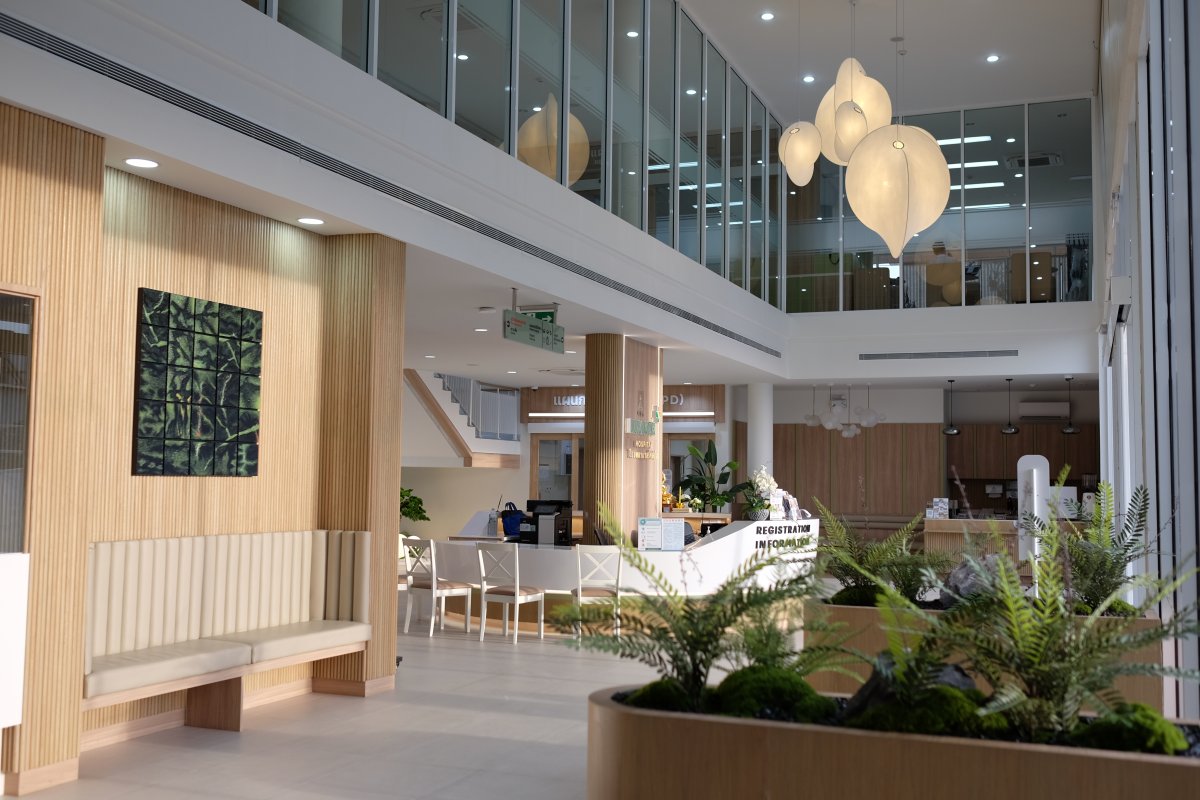
- الخبرة المتخصصة: KDMS هو أول مستشفى متخصص في العظام في تايلاند يضم 50 طبيبًا متخصصًا.
- التشخيص المتقدم: تستخدم المرافق التصوير الرقمي والرنين المغناطيسي في الموقع للتخطيط الجراحي الدقيق.
- الرعاية طفيفة التوغل: يقوم الجراحون بإجراء تثبيت بالمنظار لتقليل وقت التعافي والندوب.
- إعادة التأهيل الشامل: توفر المراكز المتكاملة مثل MRC بروتوكولات علاج طبيعي مخصصة بعد الجراحة.
رؤية خبير Bookimed: بينما تخدم المراكز الكبيرة متعددة التخصصات مثل بامرونجراد مليون مريض سنويًا، يقدم مستشفى KDMS التخصصي للعظام تركيزًا فريدًا على صحة العضلات والعظام. يجمع نموذج الخدمة الشامل الخاص بهم بين 50 متخصصًا في العظام مع مساعدين آليين متقدمين. غالبًا ما يؤدي هذا التركيز في الخبرة إلى مسارات تعافي أكثر تخصيصًا للمشكلات المعقدة مثل الخلع المتكرر.
إجماع المرضى: يؤكد المرضى على أهمية العثور على جراح لديه خبرة محددة في تمزق الشفا (labral tears) بدلاً من اختيار مستشفى مشهور فقط. يوصون باستخدام المرافق التي تجمع بين فحوصات الرنين المغناطيسي والعلاج الطبيعي في نظام واحد متكامل لتبسيط عملية التعافي.