العودة إلى الصفحة الرئيسية
820К+ مريضًا حصلوا على المساعدة منذ عام 2014
50 دول
1,500 عيادات
6K+ تقييمات
3K+ طبيب مؤهل

ما هي تكلفة خلع الكتف المتكرر إجراءات التشخيص والعلاج في الهند؟ اعرف الآن

السعر يقدم بعد الطلب
الهندتركياإسبانيا
العلاج المحافظ للخلع المعتاد للكتفمن $2,800من $900من $1,200
تم التحقق من البيانات بواسطة Bookimed اعتبارًا من July 2026، استنادًا إلى طلبات المرضى والعروض الرسمية من 118 عيادة حول العالم. تستند التكاليف المتوسطة إلى الفواتير الحقيقية (2025–2026) ويتم تحديثها شهريًا. قد تختلف الأسعار الفعلية.

مزاياك وضماناتك مع Bookimed

أسعار مباشرة

Bookimed لا يضيف رسوماً إضافية على أسعار علاج خلع الكتف المتكرر. الأسعار مأخوذة من قوائم الأسعار الرسمية للعيادات. تدفع مباشرة في العيادة مقابل علاجك عند وصولك إلى البلد.

عيادات وأطباء معتمدون فقط

Bookimed ملتزم بسلامتك. نحن نعمل فقط مع المؤسسات الطبية التي تحافظ على معايير دولية عالية في علاج خلع الكتف المتكرر ولديها التراخيص اللازمة لخدمة المرضى الدوليين في جميع أنحاء العالم.

مساعدة مجانية على مدار الساعة

Bookimed يقدم مساعدة خبراء مجانية. منسق طبي شخصي يدعمك قبل وأثناء وبعد العلاج، ويحل أي مشاكل. لن تكون وحيداً أبداً في رحلة علاج خلع الكتف المتكرر.

لماذا نحن؟

منسقك الطبي الشخصي في Bookimed

  • يدعمك في كل مرحلة
  • المساعدة في اختيار العيادة الطبية المناسبة والطبيب المناسب
  • يضمن الوصول السريع والمريح إلى المعلومات

اكتشف أفضل خلع الكتف المتكرر العيادات في الهند: 15 خيارات معتمدة والأسعار

تم تصنيف العيادات بواسطة نظام Bookimed الذكي، باستخدام تحليل علوم البيانات عبر 5 معايير رئيسية.
Artemis Hospitals
Manipal Hospitals
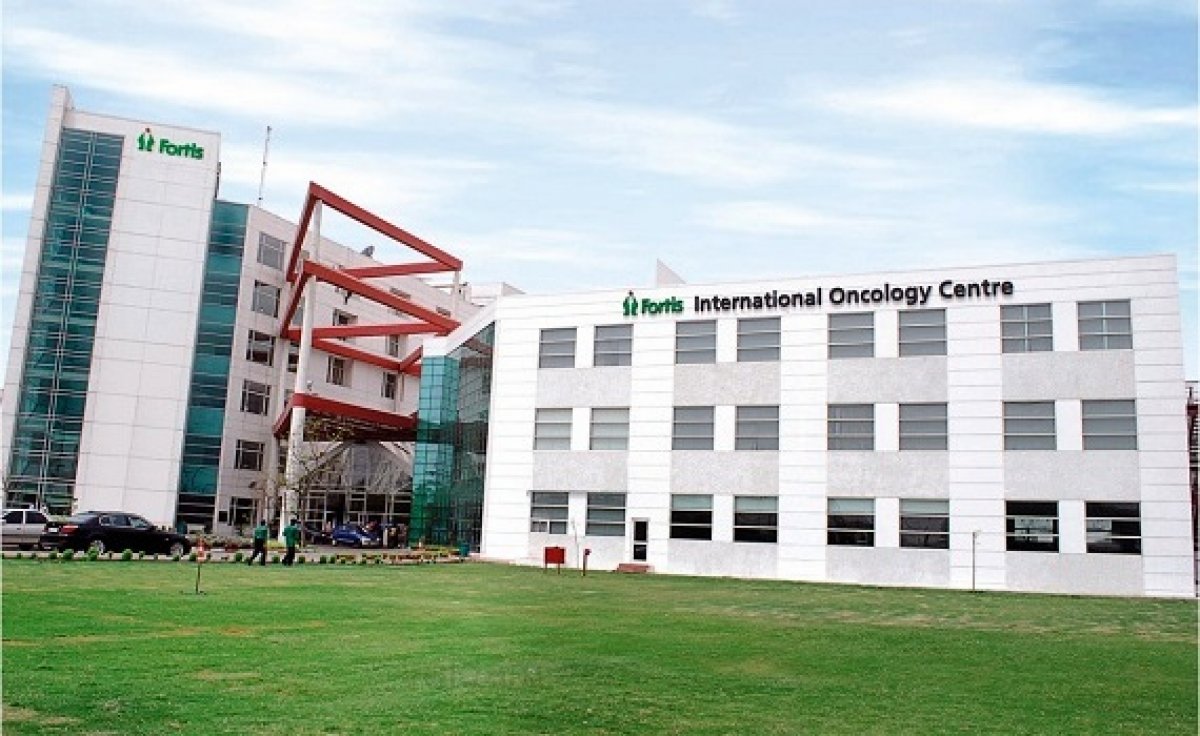
Fortis Gurgaon
Global Hospital Chennai
لقد شاهدتم 5 من 15 عيادات

مشاركة المحتوى

Twitter XLinkedinFacebookWhatsAppEmail
أحصل على الرابط

قصص فيديو من مرضى Bookimed

Dayana
جمعت بين إجازتي في أنطاليا والفحص الطبي.
إجراء: فحص صحة الإناث (انظر فحص النساء)
Igor
كان رائعاً! التنقلات والإقامة والعلاج - كل شيء مشمول.
إجراء: زرع الأسنان
مستشفى: WestDent Clinic
Marina
قام Bookimed بكل شيء من أجلي. لم أضطر للقلق بشأن أي شيء.
إجراء: فحص صحة الإناث (انظر فحص النساء)
مستشفى: Severance Hospital
محدث: 05/27/2022
تأليف
Anna Leonova
Anna Leonova
رئيس فريق تسويق المحتوى
محررة طبية معتمدة لديها خبرة تزيد عن 10 سنوات، طوّرت محتوى Bookimed الموثوق، مدعومة بماجستير في علم اللغة ومقابلات مع خبراء طبيين من جميع أنحاء العالم.
تمت المراجعة من قبل المستشار الطبي في Bookimed
فهد مولود
محرر طبي وعالم بيانات
طبيب عام. حاصل على 4 جوائز علمية. خدم في غرب آسيا. رئيس الفريق الطبي الناطق بالعربية سابقا ومسؤول عن معالجة البيانات ودقة المحتوى الطبي حاليا.
فهد مولود Linkedin
قد تحتوي هذه الصفحة على معلومات تتعلق بمختلف الحالات الطبية والعلاجات وخدمات الرعاية الصحية المتوفرة في بلدان مختلفة. يرجى العلم أن المحتوى مقدم لأغراض إعلامية فقط ولا ينبغي تفسيره على أنه نصيحة أو إرشادات طبية. يرجى استشارة طبيبك أو أخصائي طبي مؤهل قبل البدء أو تغيير العلاج الطبي.

أسئلة متكررة حول علاج خلع الكتف المتكرر في الهند

هذه الأسئلة الشائعة مأخوذة من مرضى حقيقيين يبحثون عن رعاية طبية عبر Bookimed. يتم تقديم الإجابات من قبل منسقين طبيين ذوي خبرة وممثلين موثوقين من العيادات.

هل يمكن لخلع الكتف المتكرر أن يشفى بدون جراحة؟

لا يمكن لخلع الكتف المتكرر أن يشفى هيكلياً من تلقاء نفسه. في حين أن العلاج الطبيعي الموجه يحسن الاستقرار، إلا أنه لا يمكنه إصلاح الأربطة الممزقة أو المتمددة. تؤدي النوبات المتكررة غالباً إلى فقدان تدريجي في العظام. عادة ما تكون الجراحة مطلوبة لاستعادة سلامة المفصل بالكامل ومنع حدوث ضرر طويل الأمد.

  • إصلاح الأنسجة: تفتقر الأربطة المتمددة أو تمزقات الشفا إلى تدفق الدم اللازم للالتئام.
  • الاستقرار الديناميكي: يركز العلاج الطبيعي على تقوية عضلات الكفة المدورة لتثبيت المفصل.
  • خطر التكرار: المرضى الذين تقل أعمارهم عن 25 عاماً لديهم معدل تكرار يتجاوز 70% بدون جراحة.
  • دواعي الاستعمال: يوصى بالجراحة إذا كان الكتف ينزلق أثناء النوم أو الأنشطة اليومية.
  • التشخيص المتقدم: تستخدم المراكز الهندية مثل معهد دكتور ريلا (Dr. Rela Institute) تقنية PET-CT عالية الدقة لتحديد مراحل الإصابة.

رؤية خبير Bookimed: تتعامل أكبر المجموعات الصحية في الهند مثل مانيبال (Manipal) ومستشفى جلوبال (Global Hospital) مع أعداد هائلة من المرضى، تصل إلى 2,000,000 سنوياً. يسمح هذا التردد العالي للجراحين بالتخصص في تقنيات التثبيت المعقدة والأقل بضعاً. كما تعمل عيادات مثل أستر سي إم آي (Aster CMI) على تعزيز الدقة باستخدام الطباعة ثلاثية الأبعاد للتخطيط قبل الجراحة في الحالات الصعبة.

إجماع المرضى: يشير المرضى إلى أنه على الرغم من أن إعادة التأهيل تقلل الألم، إلا أن الكتف غالباً ما يظل يبدو مرتخياً أثناء الحركات العادية. يتمنى الكثيرون لو أنهم اختاروا الجراحة في وقت أبكر لتجنب التوتر الناتج عن انزلاق المفصل أثناء النوم.

هل الجراحة بالمنظار (ثقب المفتاح) فعالة مثل الجراحة المفتوحة لعدم استقرار الكتف؟

تعتبر الجراحة بالمنظار فعالة مثل الجراحة المفتوحة لمعظم المرضى الذين يعانون من عدم استقرار الكتف دون فقدان كبير في العظام. تبلغ نسبة نجاح كلتا الطريقتين أكثر من 90% للإصلاحات القياسية. توفر جراحة ثقب المفتاح شقوقاً أصغر، وألماً أقل بعد الجراحة، وحفاظاً أفضل على نطاق حركة المفصل.

  • معدل النجاح: حوالي 90% للإصلاحات القياسية للمختبر دون تلف العظام.
  • وقت التعافي: شفاء أولي أسرع مع ضرر عضلي أقل من الجراحة المفتوحة.
  • الندوب: علامات مرئية ضئيلة مقارنة بالشق الأطول في الإجراءات المفتوحة.
  • معايير العظام: يفضل إجراء الجراحة المفتوحة إذا تجاوز فقدان العظام 15% إلى 20%.

رؤية خبير Bookimed: تتعامل المراكز الهندية مثل مستشفى جلوبال في تشيناي ومستشفيات مانيبال مع أعداد هائلة من المرضى، حيث يجري بعضها أكثر من 18,000 جراحة سنوياً. يسمح هذا التردد العالي للجراحين بإتقان إجراءات لاتارجيت بالمنظار، والتي تتطلب مهارة تقنية عالية ولكن يمكنها علاج فقدان العظام من خلال شقوق ثقب المفتاح. إذا كنت رياضياً، فإن إعطاء الأولوية لمركز ذي حجم كبير قد يوفر لك الوصول إلى هذه التقنيات المتخصصة التي تجمع بين فوائد كلا العالمين.

إجماع المرضى: يشير المرضى إلى أنه على الرغم من أن جراحة ثقب المفتاح تبدو أسهل في البداية، إلا أن السبب المحدد لعدم الاستقرار هو الذي يحدد النجاح على المدى الطويل. يؤكد الكثيرون أن اختيار متخصص يتعامل مع الخلع المعقد أكثر أهمية من حجم الندبة.

ما هو الجدول الزمني المتوقع للتعافي بعد جراحة تثبيت الكتف في الهند؟

يستغرق التعافي بعد تثبيت الكتف في الهند عادةً من 4 إلى 6 أشهر للأنشطة اليومية. تتطلب القوة الكاملة والعودة إلى الرياضة من 6 إلى 12 شهرًا. يرتدي المرضى حمالة ذراع لمدة تتراوح بين أسبوعين إلى 6 أسابيع. يعد اتباع برنامج علاج طبيعي منظم أمرًا ضروريًا لاستقرار المفصل على المدى الطويل.

  • مرحلة الحماية بالحمالة: ارتدِ حمالة لمدة أسبوعين إلى 6 أسابيع لحماية موضع الإصلاح.
  • التئام الجروح: يقوم الجراحون عادةً بإزالة الغرز بعد 7 إلى 10 أيام من الإجراء.
  • نطاق الحركة: يبدأ العلاج الطبيعي اللطيف بين الأسبوعين السادس والثاني عشر بعد التثبيت.
  • العودة إلى العمل: استأنف مهام المكتب في غضون أسبوع إلى 3 أسابيع إذا كان الألم تحت السيطرة.

رؤية خبير Bookimed: بينما يركز الكثيرون على نوع الجراحة، يعد حجم المرضى في العيادة مؤشرًا رئيسيًا للجودة في الهند. تعالج مرافق مثل مستشفى جلوبال في تشيناي ومستشفيات مانيبال 2,000,000 مريض سنويًا. يؤدي هذا الحجم الكبير غالبًا إلى بروتوكولات إعادة تأهيل أكثر توحيدًا. يساعد هذا المرضى الدوليين على التنبؤ بمراحل تعافيهم بدقة أكبر.

إجماع المرضى: يشير المرضى إلى أن الأسبوعين الأولين هما الأصعب من حيث النوم وارتداء الملابس. يؤكد الكثيرون أن الكتف غالبًا ما يبدو مستقرًا قبل أن يلتئم تمامًا. يحذرون من الإفراط في استخدام الذراع في وقت مبكر جدًا لتجنب الانتكاسات أثناء عملية التعافي.

من هم المتخصصون المعترف بهم في عدم استقرار الكتف في الهند، وأين يمارسون عملهم؟

تضم الهند متخصصين معترف بهم في عدم استقرار الكتف مثل الدكتور IPS Oberoi في مستشفيات Artemis والدكتور Raman Kant Aggarwal في معهد Fortis Memorial للبحوث. يمارس هؤلاء الخبراء عملهم في دلهي NCR، وبنغالورو، ومومباي. وهم يستخدمون مرافق معتمدة من قبل اللجنة الدولية المشتركة (JCI) لإجراء عمليات إصلاح Bankart بالمنظار المتقدمة وإجراءات Latarjet.

  • الدكتور IPS Oberoi: يمارس عمله في مستشفيات Artemis في جورجاون، وهو متخصص في التثبيت بالمنظار.
  • الدكتور Raman Kant Aggarwal: يقود عمليات تنظير الكتف المتقدمة في معهد Fortis Memorial للبحوث في جورجاون.
  • الدكتور Ayyappan V. Nair: يجري عمليات Latarjet بالمنظار وإعادة البناء في مستشفيات Manipal في بنغالورو.
  • الدكتور Nagraj Shetty: يركز على إدارة الخلع المزمن في مستشفى Nanavati في مومباي.

رؤية خبير Bookimed: بينما يبحث الكثيرون عن المستشفيات الشهيرة، فإن حجم العمليات هو مؤشر الجودة الرئيسي. تتعامل مستشفيات Artemis وManipal مع ملايين المرضى. وغالبًا ما يقوم المتخصصون هناك بإجراء عمليات إعادة بناء كتف معقدة سنويًا أكثر من وحدات العظام العامة. تتراوح باقات العلاج التحفظي في الهند من 2800 دولار إلى 5200 دولار حسب المنشأة.

إجماع المرضى: يؤكد المرضى على أهمية العثور على جراحين يركزون بشكل خاص على الطب الرياضي وتنظير المفاصل بدلاً من جراحة العظام العامة. غالبًا ما يعتمد النجاح على قيام نفس المتخصص بتنسيق فحوصات الرنين المغناطيسي والجراحة والعلاج الطبيعي.

هل من الواقعي أن يعود الرياضيون إلى نفس المستوى الرياضي بعد الجراحة في الهند؟

يعود الرياضيون بشكل روتيني إلى ممارسة الرياضة بعد جراحة خلع الكتف المتكرر في الهند. تبلغ مراكز العظام الرائدة عن معدلات نجاح تتراوح بين 85% و95%. أكثر من 80% من الرياضيين يستأنفون ممارسة الرياضة بنجاح. غالبًا ما يعادل الأداء مستويات ما قبل الإصابة في غضون 6 إلى 9 أشهر باستخدام تقنيات تنظير المفاصل الحديثة.

  • النجاح الجراحي: تحافظ المراكز الهندية على معدل نجاح يتراوح بين 85% إلى 95% لتثبيت المفاصل.
  • النتائج السريرية: يعود أكثر من 88% من الرياضيين إلى ممارسة الرياضة بعد الإجراءات التنظيرية.
  • حجم العمليات المرتفع: يعالج الجراحون في مستشفيات مانيبال ملايين المرضى سنويًا.
  • الجدول الزمني للتعافي: يتطلب الحصول على تصريح كامل للرياضات التي تتطلب احتكاكًا بدنيًا عادةً من 6 إلى 9 أشهر.

رؤية خبير Bookimed: تعتمد جودة النتائج في الهند على اختيار المرافق التي تضم أقسامًا متكاملة للطب الرياضي. تظهر بياناتنا أن مستشفيات مثل مستشفى جلوبال في تشيناي وفورتيس في جورجاون تجري أكثر من 18,000 عملية سنويًا. توفر هذه المراكز ذات الحجم الكبير العلاج الطبيعي الفوري والمكثف اللازم للرياضيين لاستعادة ميزتهم التنافسية. اختيار جراح تعامل مع أكثر من 1000 حالة يضمن الدقة اللازمة لحالات عدم الاستقرار المعقدة.

إجماع المرضى: يشير المرضى إلى أنه على الرغم من أن الجراحة توقف الخلع، إلا أن النجاح يعتمد على الثقة الذهنية في المفصل. يؤكد الكثيرون أن الوصول إلى وضع طبيعي جديد يتم من خلال العلاج الطبيعي المنضبط وعدم التسرع في العودة إلى الرياضات التي تتطلب احتكاكًا بدنيًا.

What are the risks of leaving a habitual shoulder dislocation untreated in India?

Untreated habitual shoulder dislocation in India leads to progressive joint deterioration. This includes permanent bone erosion and early-onset osteoarthritis. Each episode damages cartilage and stretches nerves, potentially causing chronic weakness. Delaying treatment often results in tendon atrophy. This makes future surgical repairs significantly more complex and less effective.

  • Bone erosion: Recurrent slips wear down the socket bone and humeral head.
  • Nerve damage: Repeated stretching of axillary nerves causes permanent tingling or numbness.
  • Tendon retraction: Long-term instability allows tendons to pull away, requiring joint replacement.
  • Arthritis risk: Bone-on-bone grinding accelerates cartilage loss, leading to chronic shoulder pain.

Bookimed Expert Insight: India houses major medical networks like Manipal and Global Hospitals. These serve over 2,000,000 patients annually. These centres use 3D printing for complex trauma and arthroscopy to stabilise joints early. Choosing a high-volume centre in Bengaluru or Gurgaon means surgeons have handled thousands of similar stabilisations. This typically reduces the risk of future re-dislocation.

Patient Consensus: Patients note that waiting until the pain becomes severe often leads to tendon retraction. This complicates original surgery plans. Seeking specialist care in India early is vital. This prevents simple repairs from turning into full shoulder replacements.

What is the best treatment for habitual shoulder dislocation in India?

Arthroscopic Bankart repair is the preferred treatment for habitual shoulder dislocation in India. This minimally invasive keyhole surgery reattaches torn ligaments using specialised anchors. For severe cases with significant bone loss, Indian specialists perform the Latarjet procedure. This provides long-term joint stability.

  • Arthroscopic repair: Surgeons use high-definition cameras to reattach the labrum with suture anchors.
  • Latarjet procedure: This open surgery transfers bone to the socket to prevent recurrent slips.
  • Specialised centres: Facilities like Manipal Hospitals serve 2,000,000 patients annually with orthopaedic units.
  • Accredited facilities: Top-tier clinics including Artemis Hospitals hold JCI and NABH safety certifications.

Bookimed Expert Insight: Indian orthopaedic centres demonstrate exceptional efficiency in sports trauma and joint stability. Global Hospital Mumbai reports that minimally invasive techniques can cut recovery time by half. However, success depends on volume. Centres like Manipal Hospitals manage millions of patients. This gives surgeons the high-frequency experience needed for complex shoulder stabilisations.

Patient Consensus: Patients in India note that recovery can take up to a year. However, laparoscopic options allow for complete healing. Consistency with physical therapy is vital. It prevents future dislocations and helps regain full range of motion.

Which are the best cities for shoulder dislocation surgery in India?

Gurgaon, Bengaluru, and Chennai are the top cities for shoulder dislocation surgery in India. These hubs host JCI-accredited facilities that specialise in advanced arthroscopy and robotic orthopaedics. Hospitals such as Artemis Hospitals and Manipal Hospitals offer complex Bankart repairs and Latarjet procedures with high success rates.

  • Gurgaon healthcare hub: Artemis Hospitals and Medanta Hospital provide NABH-accredited care with 1,200+ collective specialist doctors.
  • Bengaluru advanced tech: Aster CMI Hospital offers 3D printing and robotic systems for complex trauma recovery.
  • Chennai surgical excellence: Global Hospital Chennai features 3 Tesla silent MRI for precise diagnostic imaging before surgery.
  • Mumbai specialised care: Global Hospital Mumbai provides minimally invasive orthopaedics designed to halve traditional recovery times.

Bookimed Expert Insight: Gurgaon has emerged as a powerhouse for orthopaedics due to its sheer volume of specialist talent. Clinics like Artemis and Medanta house over 1,200 doctors combined. This concentration of expertise is especially useful for habitual dislocation cases where previous treatments have failed.

Patient Consensus: Patients in India emphasise that thorough physical therapy can often resolve instability. When surgery is necessary, researchers suggest checking if the centre has an on-site rehabilitation unit. Many find that laparoscopic options in India allow a return to full function within two months.

Can I get treated for habitual shoulder dislocation without surgery in India?

Management of habitual shoulder dislocation without surgery is possible in India through intensive physiotherapy and conservative protocols. Success depends on small Bankart lesions and minimal bone loss. Major hubs like Gurgaon and Bengaluru offer rehabilitation programs. These focus on rotator cuff strengthening and scapular stability to prevent recurrence.

  • Physiotherapy focus: Strengthening rotator cuff muscles provides dynamic stability to the joint.
  • Clinical expertise: Manipal Hospitals serves 2,000,000 patients annually with specialised orthopaedic wings.
  • Diagnostics: Global Hospital Chennai uses 3 Tesla Silent MRI for precise damage assessment.
  • Quality standards: Artemis Hospitals and Medanta hold JCI or NABH accreditations for safety.

Bookimed Expert Insight: Indian orthopaedic centres often recommend a trial of intensive rehabilitation for twelve to twenty-six weeks. Specialists like Dr Anchit Uppal at Sarvodaya Hospital focus on functional stability before suggesting surgery. Patients should choose clinics in Gurgaon or Bengaluru. These centres often bundle sub-specialised physiotherapy with initial specialist consultations.

Patient Consensus: Patients note that habitual dislocation often requires 6–12 months of aggressive rehab in India. They recommend getting an MRI first to check for labral damage. Many find that bracing helps, but for long-term stability, surgery is eventually needed. This is especially true if dislocations continue during daily activities.

Is arthroscopic surgery better than open surgery for habitual shoulder dislocation in India?

Arthroscopic surgery uses smaller incisions and speeds up recovery. This makes it typically the better choice for habitual shoulder dislocation in India. Surgeons in JCI-accredited Indian centres increasingly favour this keyhole approach. It offers high patient satisfaction and lower infection risk. It also minimises tissue damage compared to traditional open surgery.

  • Recovery speed: Patients generally return to regular activities faster than with open procedures.
  • Tissue trauma: Small incisions reduce blood loss and preserve surrounding shoulder muscle fibres.
  • Hospital stay: Most centres, like Global Hospital Mumbai, offer minimally invasive orthopaedic options.
  • Stability needs: Open surgery remains preferable for patients with significant bone loss or fractures.

Bookimed Expert Insight: Indian centres like Aster CMI Hospital now use 3D printing for complex trauma cases. This technology allows surgeons to map bone loss before theatre. When scans show over 20% bone loss, specialists often pivot from arthroscopy. They opt for open Latarjet procedures, which provide better long-term stability.

Patient Consensus: Patients in India highlight that arthroscopy feels like a much smaller ordeal than expected. Many note the advantage. They stay in hospital for only 24 to 48 hours before starting physiotherapy.

How long does it take to recover after habitual shoulder surgery in India?

Initial recovery after shoulder surgery in India takes 2 to 3 months. Most patients return to light desk work within 3 weeks. Full sports and heavy lifting require 5 months. Australian patients benefit from JCI-accredited care and on-site rehabilitation clinics.

  • Immobilisation phase: Patients wear a sling for 6 weeks for proper incision healing.
  • Physiotherapy start: Guided exercises begin within 4 weeks to regain movement and prevent stiffness.
  • Manual work: Patients in physically demanding jobs usually return to work after 4 months.
  • Full restoration: Complete joint strength and high-impact sports participation typically occur by month 5.

Bookimed Expert Insight: Indian hospitals like Global Hospital Mumbai use minimally invasive techniques to reduce recovery time. While general healing takes months, these keyhole methods often halve initial hospital stays. Patients should choose clinics with on-site rehabilitation, such as Dr. Rela Institute, for consistent daily therapy.

Patient Consensus: Patients in India suggest planning for a full year to feel truly normal. They emphasise that surgeons might suggest a 6-month return. However, disciplined daily physiotherapy is the only way to restore 100% function.

How long will I need to stay in the hospital in India?

Hospital stays for habitual shoulder dislocation in India generally last 2 to 3 days after surgery. Specialists often require patients to arrive 2 days early for diagnostic imaging. Total inpatient time typically spans 4 to 5 days. Leading JCI-accredited facilities commonly use minimally invasive arthroscopic techniques.

  • Pre-operative period: Patients often arrive 2 days early for blood work and scans.
  • Post-operative stay: Surgeons typically discharge patients 2 to 3 days after the procedure.
  • Pain management: Most patients transition from intravenous medication to oral tablets by day 3.
  • Specialised techniques: Global Hospital Mumbai uses minimally invasive orthopaedics to cut recovery time.
  • Clinical facilities: Aster CMI Hospital Bengaluru provides dedicated cartilage and sports trauma care.

Bookimed Expert Insight: Indian orthopaedic centres like Aster CMI Hospital and Dr. Rela Institute often use 3D printing and robotic assistance for complex joint cases. While basic shoulder stabilisation is standard, these high-volume hubs handle over 18,000 operations annually. This volume lets surgeons master specific variations like the Latarjet procedure. That procedure is crucial for preventing future dislocations in athletes.

Patient Consensus: Patients in India find the first night after shoulder surgery quite intense as anaesthesia wears off. They suggest arranging a recliner chair and extra pillows at home for comfort during the first month of recovery.

Where are the best hospitals for shoulder reconstruction in India?

Top Indian hospitals for shoulder reconstruction include Artemis Hospitals in Gurgaon and Manipal Hospitals in Bengaluru. These JCI and NABH-accredited facilities specialise in arthroscopic techniques for habitual dislocation. Most procedures use minimally invasive methods. This approach typically requires only 1–2 nights in hospital.

  • Clinical excellence: Artemis Hospitals holds 11 Centres of Excellence and JCI accreditation.
  • High volume: Manipal Hospitals treats 2,000,000 patients annually across its extensive network.
  • Technology: Global Hospital Chennai utilises 3 Tesla Silent MRI for precise diagnosis.
  • Specialised care: Aster CMI Hospital is the only Bengaluru centre offering specific cartilage surgery.

Bookimed Expert Insight: Minimally invasive orthopaedic techniques can cut recovery time by half. Indian centres like Global Hospital Mumbai report this. Patients should look for hospitals in the Manipal or Global networks. These groups often bundle international services like free airport transfers and interpreters into the clinical stay.

Patient Consensus: Patients emphasise choosing surgeons with joint preservation expertise in Bengaluru and Delhi. They note that ensuring in-house physiotherapy is vital for successful shoulder recovery in India.

احصل على استشارة مجانية

حدد أفضل طريقة للاتصال بك