خلع الكتف المتكرر العلاج في كوريا الجنوبية - التكاليف 2026


تمت مراجعة المقالة طبيا من قبل
فهد مولود
ما هي تكلفة خلع الكتف المتكرر إجراءات التشخيص والعلاج في كوريا الجنوبية؟ اعرف الآن
| كوريا الجنوبية | تركيا | إسبانيا | |
|---|---|---|---|
| العلاج المحافظ للخلع المعتاد للكتف | ≈ $1,500 | ≈ $450 | ≈ $900 |
مزاياك وضماناتك مع Bookimed
أسعار مباشرة
Bookimed لا يضيف رسوماً إضافية على أسعار علاج خلع الكتف المتكرر. الأسعار مأخوذة من قوائم الأسعار الرسمية للعيادات. تدفع مباشرة في العيادة مقابل علاجك عند وصولك إلى البلد.
عيادات وأطباء معتمدون فقط
Bookimed ملتزم بسلامتك. نحن نعمل فقط مع المؤسسات الطبية التي تحافظ على معايير دولية عالية في علاج خلع الكتف المتكرر ولديها التراخيص اللازمة لخدمة المرضى الدوليين في جميع أنحاء العالم.
مساعدة مجانية على مدار الساعة
Bookimed يقدم مساعدة خبراء مجانية. منسق طبي شخصي يدعمك قبل وأثناء وبعد العلاج، ويحل أي مشاكل. لن تكون وحيداً أبداً في رحلة علاج خلع الكتف المتكرر.

منسقك الطبي الشخصي في Bookimed
- يدعمك في كل مرحلة
- المساعدة في اختيار العيادة الطبية المناسبة والطبيب المناسب
- يضمن الوصول السريع والمريح إلى المعلومات
اكتشف أفضل خلع الكتف المتكرر العيادات في كوريا الجنوبية: 7 خيارات معتمدة والأسعار













احصلوا على تقييم طبي لـ خلع الكتف المتكرر في كوريا الجنوبية: استشيروا أطباء ذوي خبرة الآن
عرض جميع الأطباء
Woo Kyung Kwak
الدكتور وو كيونغ كواك جرّاح عظام يختص بجراحات القدم والكاحل طفيفة التوغل (MICA لعلاج إبهام القدم الأروح). يعالج أيضًا إصابات الرياضيين ويُجري الاستبدال الكلي لمفصل الركبة، إضافةً إلى التنظير المفصلي المتقدّم للكتف والركبة.
حصل على درجتي الطب (MD) والماجستير (MS) من جامعة تشونّام الوطنية، وأكمل زمالة في مستشفى جامعة تشونّام الوطنية. شغل منصب رئيس قسم جراحة العظام في مستشفى القوات المسلحة بدايجون، وكان عضوًا رفيعًا في لجنة التحقيق الطبي بوزارة الدفاع الوطني.
هو عضو عامل في الجمعيا
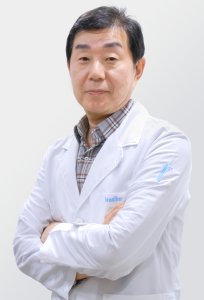
Jang Hyo Kim
الدكتور جانغ هيو كيم جرّاح عظام يركّز على الحفاظ على المفاصل وإعادة البناء المعقّدة. يختص بمناظير المفاصل للكتف والركبة والكاحل والمرفق والمعصم. يُجري استبدال مفاصل الكتف والركبة والكاحل والمرفق والورك. يشمل عمله في العمود الفقري تثبيت ودمج الفقرات العنقية والقطنية. كما يُجري استئصال القرص، واستئصال الصفيحة الفقرية، وترميم الأعصاب، ورأب الفقرة. وتشمل ممارسته علاج الكسور وإصلاح العضلات والأربطة.
هو أستاذ منتسب في جامعة كيونغ هي، ويشغل منصب مدير مركز المفاصل في مستشفى فيري غود. وشغل سابق

Kwangyeal Lee
متخصص في جراحة الكتف بالمنظار في مستشفى نانوري، مع خبرة واسعة في علاج خلع الكتف المعتاد.
- عضو في الجمعية الكورية للكتف والمرفق
- خبير في إصابات الكتف الرياضية
- أبحاث منشورة حول تقنيات تقييم مفصل الكتف
- رئيس قسم سابق في مركز المفاصل، مستشفى صن

Seongcheol Moon
رئيس قسم جراحة العظام في مستشفى نانوري – متخصص في حالات الكتف والمرفق مع خبرة جراحية واسعة.
- حاصل على زمالة في جراحة الكتف والمرفق من مستشفى جامعة كيونغ هي
- نشر العديد من الدراسات حول إصلاح الكفة المدورة وعدم استقرار الكتف
- عضو لجنة التحرير في الجمعية الكورية لجراحة الكتف والمرفق
- عضو الجمعية الكورية لجراحة العظام للطب الرياضي
مشاركة المحتوى
قصص فيديو من مرضى Bookimed
 Anna Leonova
أسئلة متكررة حول علاج خلع الكتف المتكرر في كوريا الجنوبية
لماذا يجب أن أختار كوريا الجنوبية لعلاج خلع الكتف المتكرر؟
تعد كوريا الجنوبية وجهة رائدة لعلاج خلع الكتف المتكرر. فهي توفر مراكز طبية للنخبة مثل مستشفى جامعة سول الوطنية في بوندانج. يتخصص الجراحون في التثبيت بالمنظار والحفاظ على المفصل. تمتلك المرافق اعتمادات ISO و JCI. تعمل الأنظمة الرقمية والذكاء الاصطناعي على تحسين السلامة والنتائج.
- خبرة متخصصة: يتخصص الدكتور كوانجيال لي في مستشفى نانوري في علاج الخلع المتكرر.
- تكنولوجيا متقدمة: تستخدم المراكز الرقمية بالكامل مثل SNUBH نظام BESTcare لمنع الأخطاء.
- مرافق معتمدة: تحمل عيادات مثل مستشفى سيفيرانس المعايير الذهبية للجنة الدولية المشتركة (JCI).
- حجم العمل السريري: تعالج المراكز الكبرى مثل مركز آسان الطبي أكثر من 182,000 مريض سنوياً.
رؤية خبير Bookimed: بينما تقدم العديد من البلدان تقويم العظام العام، يثبت المتخصصون الكوريون مثل الدكتور سيونغتشول مون عمقاً سريرياً من خلال أكثر من 10 أبحاث علمية تمت مراجعتها في المجلة الأمريكية للطب الرياضي. يضمن هذا التركيز المكثف على الأبحاث حصول المرضى على تقنيات جراحية مثبتة في المجلات الطبية الدولية. غالباً ما تؤدي هذه الخبرة المحددة إلى نتائج أكثر ديمومة للرياضيين.
إجماع المرضى: يذكر المرضى أن التنسيق السلس أثناء الإقامة يجعل التعافي أسهل بكثير. إنهم يقدرون التواصل المباشر مع مديري مراكز المفاصل المتخصصة مثل الدكتور يانغ يونغ جون.
ما هو العلاج الجراحي الرئيسي لخلع الكتف المتكرر في كوريا الجنوبية؟
تعد عملية بانكارت بالمنظار هي الطريقة الجراحية الرئيسية لعلاج خلع الكتف المتكرر في كوريا الجنوبية. يستخدم الجراحون مثبتات خاصة لتثبيت الشفا الممزق بالعظم. يحافظ هذا النهج طفيف التوغل على حركة المفصل، مما يقلل بشكل كبير من خطر عدم الاستقرار في المستقبل.
- تقنية الإجراء: يسمح إدخال منظار المفصل بتحديد وإصلاح أنسجة المفصل التالفة بدقة.
- تحسين الاستقرار: يمكن إضافة إجراءات «ريمبليساج» لتقوية المحفظة وملء عيوب العظام.
- الجمهور المستهدف: غالبًا ما يتم إجراء هذه العملية للمرضى الشباب النشطين الذين يعانون من عدم استقرار مزمن.
- اعتماد المراكز: العديد من مستشفيات سيول مدرجة ضمن أفضل المستشفيات في العالم وفقًا لمجلة نيوزويك وحاصلة على اعتماد JCI.
رأي خبراء Bookimed: غالبًا ما تجمع جراحة العظام الكورية الجنوبية بين المستشفيات متعددة التخصصات ذات التدفق الكبير للمرضى والمراكز المتخصصة في العمود الفقري والمفاصل. يخدم مستشفى نانوري، وهو مركز متخصص معتمد من قبل وزارة الصحة والرعاية الاجتماعية، 58,000 مريض سنويًا. غالبًا ما توفر هذه المراكز المتخصصة وصولاً أكثر مباشرة إلى متخصصين مثل الدكتور كوانغ-يول لي، وهو عضو في أكبر الجمعيات الدولية لجراحة الكتف.
آراء المرضى: يشير المرضى إلى أنه على الرغم من أن العملية تمنع خلع الكتف بفعالية، إلا أن عملية إعادة التأهيل التي تستغرق عدة أشهر هي المرحلة الأكثر صعوبة. يؤكد الكثيرون أن فقدانًا طفيفًا في نطاق الحركة هو الثمن المعتاد الذي يجب دفعه لتحقيق استقرار دائم للمفصل.
ما هو معدل نجاح التثبيت بالمنظار لخلع الكتف المتكرر في كوريا الجنوبية؟
يوفر التثبيت بالمنظار في كوريا الجنوبية عودة إلى النشاط البدني لـ 93.3% من المرضى الذين يعانون من أحمال بدنية عالية. في حين أن معدل تكرار الإصابة في عملية بانكارت القياسية يبلغ حوالي 3.3%، فإن تقنيات «الريمبليساج» المتخصصة تقلل المخاطر بشكل إضافي إلى 5.4% في الإصابات المعقدة. تضمن مراكز العظام الكورية المتخصصة نتائج طويلة الأمد في المؤسسات الطبية الحاصلة على اعتماد JCI.
- معدل النجاح: يعود حوالي 93.3% من العسكريين إلى الخدمة الكاملة في غضون عام واحد.
- خطر التكرار: يحافظ التثبيت بالمنظار القياسي بطريقة بانكارت على معدل تكرار منخفض يبلغ 3.3%.
- التقنيات المتقدمة: إضافة تثبيت المحفظة الخلفي يقلل من خطر التكرار إلى 5.4% في إصابات هيل-ساكس.
- حجم العمليات: يجري مستشفى بوندان التابع لجامعة سيول الوطنية أكثر من 32,550 عملية جراحية سنويًا.
رأي خبراء Bookimed: على الرغم من أن الكثيرين يبحثون عن إحصائيات ذات أعلى نسبة نجاح، فإن النتائج الأكثر موثوقية في كوريا مرتبطة بعدد الإجراءات والتخصص. تستقبل مؤسسات مثل مستشفى بوندان التابع لجامعة سيول الوطنية ومستشفى سيفيرانس أكثر من 1.5 مليون مريض خارجي سنويًا. يسمح هذا التدفق الهائل للمرضى للجراحين مثل الدكتور سيونغ-تشيول مون من مستشفى نانوري بتحسين التقنيات خصيصًا للإصابات الرياضية ذات الأحمال العالية.
آراء المرضى: يؤكد المرضى أن النجاح يعتمد إلى حد كبير على الالتزام ببرنامج العلاج الطبيعي. يشير معظمهم إلى أنه على الرغم من أن العملية تستعيد الاستقرار، فإن تجنب العودة المبكرة إلى رياضات ال
ما هو خطر تكرار خلع الكتف بعد الجراحة بالمنظار في كوريا الجنوبية؟
تُبلغ العيادات في كوريا الجنوبية عن معدلات تكرار خلع الكتف بين 8.1٪ و 8.8٪ بعد عمليات الإصلاح بالمنظار. تعتمد النتائج بشكل كبير على عمر المريض وصحة العظام. في حين أن معدلات النجاح عالية، إلا أن تكرار الإصابة يحدث غالبًا في غضون 12 شهرًا. وهذا أمر شائع بين الرياضيين الشباب والمرضى الذين يعانون من عيوب في عظام العضد.
- صحة العظام: تزيد آفات هيل-ساكس (Hill-Sachs) الكبيرة بشكل كبير من خطر فشل الجراحة.
- مرساة الخياطة (Suture anchors): يرتبط استخدام أقل من 4 مراسٍ أثناء الإصلاح بارتفاع معدل التكرار.
- عمر المريض: يواجه الرجال الذين تقل أعمارهم عن 22 عامًا مخاطر أعلى لتكرار الخلع في الكتف المهيمن.
- مستوى النشاط: قد يواجه الرياضيون الذين يمارسون رياضات التصادم عالية الطلب معدلات تكرار تصل إلى حوالي 25٪.
رؤية خبراء Bookimed: يعمل حجم العمليات الجراحية الكبير في كوريا الجنوبية كحاجز طبيعي ضد الأخطاء. يستخدم مستشفى جامعة سيول الوطنية في بوندانغ نظام BESTcare خصيصًا لمنع الأخطاء الطبية. مع إجراء أكثر من 32,500 عملية جراحية سنويًا، يرى الجراحون هنا حالات الخلع المزمن المعقدة بشكل متكرر أكثر من معظم المراكز العالمية. يترجم هذا الحجم إلى وضع أكثر دقة للمراسي، وهو عامل رئيسي في منع تكرار الخلع على المدى الطويل.
إجماع المرضى: يؤكد المرضى أن العودة إلى ممارسة الرياضة في وقت مبكر جدًا هي الخطأ الأكبر. يشير الكثيرون إلى أن الالتزام الصارم بالعلاج الطبيعي هو ما يمنع حقًا الكتف من الشعور بعدم الاستقرار مرة أخرى.
ما هو الجدول الزمني النموذجي للتعافي بعد تثبيت الكتف بالمنظار في كوريا الجنوبية؟
يستغرق التعافي بعد تثبيت الكتف بالمنظار في كوريا الجنوبية عادةً من 4 إلى 6 أشهر لمعظم الأنشطة اليومية. يتطلب الاستعادة الوظيفية الكاملة للرياضات التلامسية ما يصل إلى 12 شهرًا. تستخدم مراكز العظام الكورية تقنيات طفيفة التوغل لتسريع الشفاء وتقليل الندبات.
- الحماية الأولية: يرتدي المرضى حمالة كتف لمدة 4 إلى 6 أسابيع لحماية منطقة الإصلاح.
- إزالة الغرز: يقوم الطاقم الطبي عادةً بإزالة الغرز غير القابلة للامتصاص بعد 7 إلى 10 أيام من الجراحة.
- الحركة النشطة: تبدأ تمارين نطاق الحركة والمهام اليومية الخفيفة بين الأسبوعين السادس والثاني عشر.
- العودة للرياضة: تتطلب العودة إلى الرياضات التلامسية أو العمل الشاق عادةً 6 أشهر على الأقل.
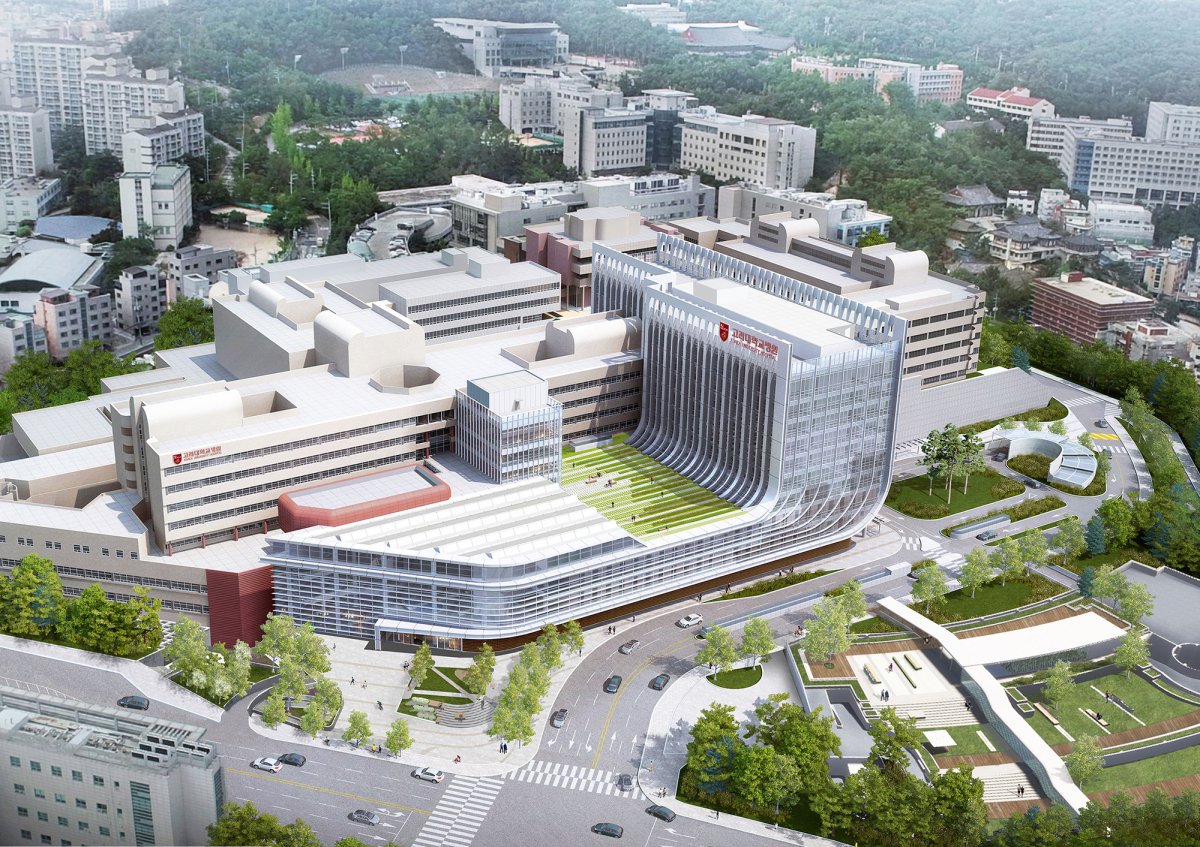
رؤية خبير Bookimed: تستخدم المراكز الكورية الجنوبية مثل مستشفى جامعة كوريا أنام تقنيات جراحية خالية من الدم يمكن أن تقصر بشكل كبير من المرحلة المبكرة للتعافي. يقوم جراحون بارزون، بما في ذلك الدكتور سيونغتشيول مون والدكتور كوانجيال لي، بإجراء عدد كبير من هذه الإجراءات. تظهر البيانات أن العيادات الحاصلة على اعتماد JCI أو KOIHA تركز على برامج إعادة التأهيل المنسقة. هذه البروتوكولات المنهجية للعلاج الطبيعي هي السبب الرئيسي وراء استعادة المرضى لحركتهم الكاملة بشكل أسرع من المتوسط الدولي.
إجماع المرضى: يشير المرضى إلى أن التحكم في النوم هو التحدي الأكبر خلال الشهر الأول. ويؤكدون أنه على الرغم من أن الألم غالبًا ما يختفي بسرعة، فإن اتباع قيود رفع الأثقال الصارمة لمدة 6 أشهر كاملة أمر حيوي للنجاح على المدى ا
هل العلاج غير الجراحي فعال لخلع الكتف المعتاد؟
يركز العلاج غير الجراحي لخلع الكتف المعتاد على العلاج الطبيعي المتخصص وتقوية الكفة المدورة. وهو يقلل بشكل فعال من الألم والالتهاب للمرضى الذين لا يمارسون أنشطة بدنية شاقة. ومع ذلك، غالبًا ما تفشل الرعاية التحفظية في منع عدم الاستقرار في المستقبل عند وجود أضرار هيكلية مثل آفات بانكارت أو عيوب العظام.
- معايير النجاح: الأكثر فعالية لحالات الخلع الأولى أو المرضى الذين لديهم مستويات منخفضة من النشاط اليومي.
- التركيز على التأهيل: يستهدف العلاج الكفة المدورة ومثبتات الكتف لتحسين ميكانيكا المفصل.
- القيود الهيكلية: لا يمكن للطرق التحفظية إصلاح الأربطة المتمزقة أو تصحيح فقدان العظام الكبير.
- خطر التكرار: يواجه الأفراد الأصغر سنًا والأكثر نشاطًا معدلات عدم استقرار أعلى بدون تدخل جراحي.
رؤية خبير Bookimed: بينما يركز الكثيرون على العلاج الطبيعي، يستخدم المتخصصون الكوريون الجنوبيون مثل الدكتور وو كيونغ كواك التصوير الرقمي المتقدم لتحديد عيوب العظام الكامنة في وقت مبكر. تشير البيانات الواردة من عيادات مثل مستشفى جامعة سيول الوطنية في بوندانغ، التي تخدم 1,500,000 مريض سنويًا، إلى أن تحديد هذه المشكلات الهيكلية مبكرًا يمنع سنوات من المحاولات التحفظية الفاشلة. إذا حدث الخلع أثناء النوم أو عند مد الذراع، فإن العلاج الطبيعي إحصائيًا أقل عرضة لتوفير علاج دائم.
إجماع المرضى: يشير المرضى إلى أنه على الرغم من أن العلاج الطبيعي يحسن الاستقرار في المهام اليومية، إلا أن الكتف غالبًا ما يظل عرضة للإصابة أثناء ممارسة الرياضة. يقترح الكثيرون الا
ما هو الفحص التشخيصي الذي يمكن أن أتوقعه في كوريا الجنوبية قبل جراحة خلع الكتف؟
يتضمن الفحص التشخيصي في كوريا الجنوبية تصويرًا مكثفًا عالي الدقة واختبارات الاستقرار البدني. يمكنك توقع استشارة مع أخصائي تقويم العظام متبوعة بتصوير بالرنين المغناطيسي (MRI) بقوة 3.0 تسلا لتقييم تمزقات الشفا. إذا كان هناك اشتباه في فقدان العظام، يستخدم المتخصصون الأشعة المقطعية (CT) لتحديد عيوب الحقاني.
- استشارة تقويم العظام: يقوم متخصصون مثل الدكتور يانغ يونغ جون بتقييم نطاق الحركة وأنماط عدم الاستقرار.
- تصوير بالرنين المغناطيسي عالي الدقة: تحديد إصابات الشفا، والمحفظة، والكفة المدورة باستخدام أجهزة 3.0 تسلا القياسية.
- الأشعة المقطعية لفقدان العظام: تحدد الفحوصات آفات هيل-ساكس أو بانكارت العظمية بدقة لتخطيط جراحي دقيق.
- التتبع الرقمي: توفر مرافق مثل SNUBH نتائج سريعة من خلال أنظمة طبية رقمية متقدمة.
رؤية خبير Bookimed: يؤدي حجم العمل السريري المرتفع في كوريا الجنوبية—حيث يتم التعامل مع أكثر من 1,000,000 مريض في مراكز كبرى مثل SNUBH—إلى زيادة سرعة التشخيص. بينما تتطلب العديد من الدول أسابيع لإجراء التصوير بشكل منفصل، غالبًا ما تقدم العيادات الكورية نتائج الرنين المغناطيسي والاستشارات الجراحية في غضون 24-48 ساعة. هذه الكفاءة مثالية للمرضى الدوليين ذوي الجداول الزمنية الضيقة.
إجماع المرضى: يشير المرضى إلى أن الفحص يركز بشكل كبير على قياس تلف العظام بدلاً من مجرد تأكيد الخلع. يؤكد الكثيرون على أهمية تحديد عدم الاستقرار متعدد الاتجاهات قبل الجراحة لضمان إصلاح ناجح.