خلع الكتف المتكرر العلاج في ليتوانيا - التكاليف 2026


تمت مراجعة المقالة طبيا من قبل
فهد مولود
ما هي تكلفة خلع الكتف المتكرر إجراءات التشخيص والعلاج في ليتوانيا؟ اعرف الآن
| تركيا | إسبانيا | |
|---|---|---|
| العلاج المحافظ للخلع المعتاد للكتف | ≈ $450 | ≈ $900 |
مزاياك وضماناتك مع Bookimed
أسعار مباشرة
Bookimed لا يضيف رسوماً إضافية على أسعار علاج خلع الكتف المتكرر. الأسعار مأخوذة من قوائم الأسعار الرسمية للعيادات. تدفع مباشرة في العيادة مقابل علاجك عند وصولك إلى البلد.
عيادات وأطباء معتمدون فقط
Bookimed ملتزم بسلامتك. نحن نعمل فقط مع المؤسسات الطبية التي تحافظ على معايير دولية عالية في علاج خلع الكتف المتكرر ولديها التراخيص اللازمة لخدمة المرضى الدوليين في جميع أنحاء العالم.
مساعدة مجانية على مدار الساعة
Bookimed يقدم مساعدة خبراء مجانية. منسق طبي شخصي يدعمك قبل وأثناء وبعد العلاج، ويحل أي مشاكل. لن تكون وحيداً أبداً في رحلة علاج خلع الكتف المتكرر.

منسقك الطبي الشخصي في Bookimed
- يدعمك في كل مرحلة
- المساعدة في اختيار العيادة الطبية المناسبة والطبيب المناسب
- يضمن الوصول السريع والمريح إلى المعلومات
اكتشف أفضل خلع الكتف المتكرر العيادات في ليتوانيا: 2 خيارات معتمدة والأسعار



احصلوا على تقييم طبي لـ خلع الكتف المتكرر في ليتوانيا: استشيروا أطباء ذوي خبرة الآن
عرض جميع الأطباء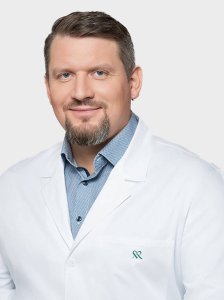
Justinas Vaiciulis
متخصص في إصابات مفصل الكتف والمرفق والركبة مع خبرة تزيد عن _doctor_10767_ سنوات. يجري عمليات إعادة بناء الكفة المدورة للكتف وجراحات الرباط الصليبي الأمامي.
- يجري عمليات تنظير الركبة وإعادة بناء الرباط الصليبي الأمامي
- مشارك نشط في التدريبات والمؤتمرات الدولية
- تدريب في دعم الحياة المتقدم في الإصابات وإدارة الكسور
- التعليم والإقامة من جامعة فيلنيوس
مشاركة المحتوى
قصص فيديو من مرضى Bookimed
 Anna Leonova
أسئلة متكررة حول علاج خلع الكتف المتكرر في ليتوانيا
ما هو العلاج الأساسي لخلع الكتف المتكرر في ليتوانيا؟
يعطي المتخصصون الليتوانيون الأولوية للتثبيت بالمنظار لعلاج خلع الكتف المتكرر. يتضمن هذا الإجراء طفيف التوغل إعادة ربط الشفا الغضروفي باستخدام مثبتات عظمية متخصصة. يركز الجراحون في المرافق المعتمدة من اللجنة الدولية المشتركة (JCI) على استعادة ميكانيكا المفصل. تشمل الرعاية القياسية إعادة تأهيل منظمة لضمان الاستقرار على المدى الطويل.
- المعيار الجراحي: إصلاح بانكارت بالمنظار يعيد ربط أنسجة الشفا الممزقة بتجويف المفصل.
- الحالات الشديدة: جراحة لاتارجي أو الجراحة المفتوحة تصحح فقدان العظام الكبير أو الارتخاء.
- بروتوكول التعافي: يرتدي المرضى عادةً حمالة واقية لمدة تتراوح من أسبوع إلى 6 أسابيع.
- إعادة التأهيل: يلزم إجراء علاج حركي متخصص لاستعادة النطاق الكامل لحركة المفصل.
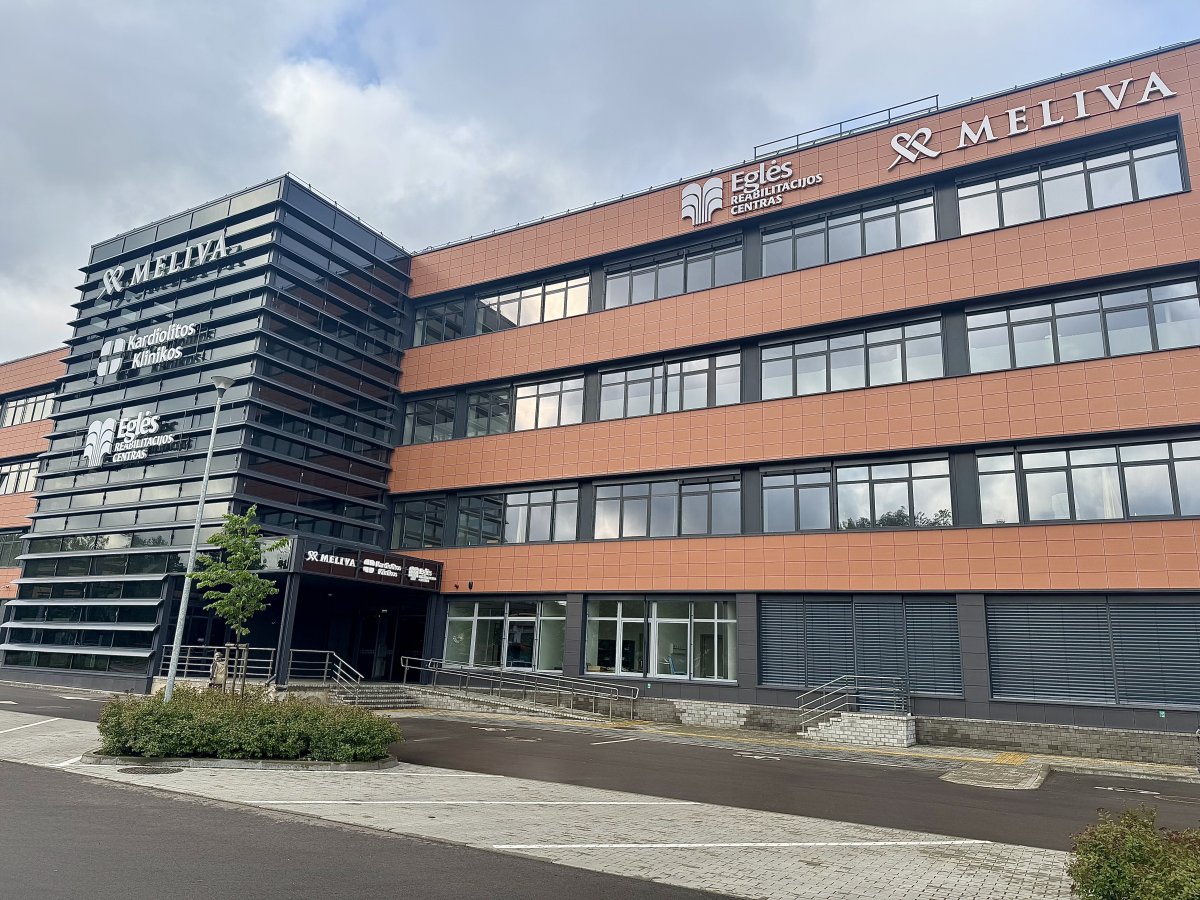
رؤية خبير Bookimed: بينما يبحث الكثيرون عن رعاية تقويم العظام العامة، فإن الخبرة المتخصصة هي الأكثر أهمية. يركز الدكتور جوستيناس فايسيوليس في مستشفى ميليفا كارديوليتا بشكل خاص على إصابات المفصل الأخرمي الترقوي والكفة المدورة. هذا التخصص حيوي لأن عيادات مثل كارديوليتا تعالج 298,000 مريض سنويًا. غالبًا ما تقدم المراكز ذات الحجم الكبير تمييزات تشخيصية أكثر دقة بين عدم استقرار الأنسجة الرخوة وفقدان العظام.
إجماع المرضى: يشير المرضى إلى أنه على الرغم من أن العلاج الطبيعي يقوي الكتف، إلا أن الجراحة عادة ما تكون الطريقة الوحيدة لإصلاح عدم الاستقرار الميكانيكي. ويؤكدون على أهمية فحص الجراح لفقدان العظام قبل اختيار الإجراء.
ما هي معدلات النجاح والمراجعة لجراحة تثبيت الكتف في ليتوانيا؟
تتراوح معدلات نجاح تثبيت الكتف في ليتوانيا بين 85% و95%. تبلغ مراكز العظام الرائدة عن معدل مراجعة بنسبة 9% على مدى 10 سنوات. يتحسن هذا إلى 2% مع الغرسات المتميزة. تعتمد النتائج على التقنية الجراحية المحددة المختارة لعدم الاستقرار.
- إصلاح بانكارت بالمنظار: معدلات نجاح مُبلغ عنها بين 85% و90%.
- إجراء لاتاريت: يوفر نجاحاً بنسبة 96% إلى 98% لحالات فقدان العظام الشديدة.
- خطر جراحة المراجعة: تحافظ إجراءات كتلة العظام على معدل مراجعة منخفض أقل من 1%.
- الجدول الزمني لإعادة التأهيل: يتطلب النجاح الوظيفي من 3 إلى 6 أشهر من العلاج الطبيعي المنظم.
رؤية خبير Bookimed: على الرغم من أن النجاح العام مرتفع، إلا أن البيانات تظهر أن الخبرة السريرية هي درع الأمان الأساسي. يركز متخصصون مثل الدكتور جوستيناس فايسيوليس في مستشفى ميليفا كارديوليتا على عمليات إعادة البناء المعقدة وإصلاحات الكفة المدورة. تعالج مرافق مثل مرفقه ما يصل إلى 298,000 مريض سنوياً وتحمل اعتماد JCI. غالباً ما يترجم هذا الحجم الكبير إلى تشخيصات أكثر دقة باستخدام التصوير المقطعي بالإصدار البوزيتروني (PET-CT) أو بزل المفاصل قبل بدء الجراحة.
إجماع المرضى: يؤكد المرضى أن الجراحة تنجح في إيقاف الخلع ولكنها قد تترك المفصل بشعور مختلف أو متيبس. يحذر الكثيرون من أن تخطي العلاج الطبيعي أو العودة إلى الرياضة في وقت مبكر جداً هو السبب الرئيسي للمراجعة.
هل يتم إجراء الجراحة باستخدام تقنيات مفتوحة أم تقنيات ثقب المفتاح (تنظير المفصل)؟
يقوم الجراحون الليتوانيون بإجراء تثبيت الكتف باستخدام كل من تقنيات تنظير المفصل والتقنيات المفتوحة. تعتبر شقوق ثقب المفتاح الصغيرة هي المعيار لإصلاح الأنسجة الرخوة. تتعامل الجراحة المفتوحة مع الحالات المعقدة التي تنطوي على فقدان العظام أو التلف الهيكلي. تستخدم عيادات مثل مستشفى ميليفا كارديوليتا بروتوكولات معتمدة من JCI لكلا النهجين في فيلنيوس.
- نهج تنظير المفصل: يستخدم الجراحون كاميرا صغيرة وأدوات متخصصة من خلال عدة شقوق مصغرة.
- فوائد التدخل الجراحي البسيط: يبلغ المرضى عن تعافٍ يمكن التحكم فيه مع ندبات أصغر وانزعاج أقل بعد الجراحة.
- دواعي الجراحة المفتوحة: يوصي الأطباء بالإجراءات المفتوحة لعدم الاستقرار الشديد أو ترقيع العظام المعقد.
- الخبرة المتخصصة: يتمتع الدكتور جوستينايس فايسيوليس بأكثر من 10 سنوات من الخبرة في عمليات إعادة بناء الكتف المتقدمة.
رؤية خبير Bookimed: بينما يسعى معظم المرضى إلى جراحة ثقب المفتاح للتعافي بشكل أسرع، تعطي المراكز ذات الحجم الكبير في ليتوانيا الأولوية للاستقرار على حجم الشق. يخدم مركز التشخيص والعلاج الطبي أكثر من 60,000 مريض سنويًا عبر 53 قسمًا. يسمح هذا الحجم الهائل للجراحين باختيار التقنيات المفتوحة بدقة عند وجود خطر فقدان العظام. يضمن اختيار مركز به أقسام جراحية متنوعة رعاية متخصصة للحالات العظمية المعقدة.
إجماع المرضى: يلاحظ المرضى أن جراحة ثقب المفتاح تسمح بالعودة السريعة إلى الأنشطة اليومية. يؤكد الكثيرون على الحاجة إلى إعادة تأهيل مهنية لاستعادة نطاق الحركة الكامل بغض النظر عن ا
كم من الوقت أحتاج للبقاء في ليتوانيا من أجل الرحلة الطبية؟
يتطلب علاج خلع الكتف المتكرر في ليتوانيا عادةً إقامة تتراوح من 7 إلى 14 يومًا. يصل المرضى عادةً قبل يوم أو يومين من الجراحة لإجراء التشخيصات. يبقى معظمهم في البلاد لمدة 5 ليالٍ على الأقل بعد الإجراء لضمان الاستقرار قبل العودة إلى الوطن.
- مدة الإقامة في المستشفى: يبقى معظم مرضى العظام في المستشفى لمدة ليلة إلى 3 ليالٍ.
- فترة التعافي: يجب الوصول قبل يومين لإجراء فحوصات الدم وتصوير الكتف قبل الجراحة.
- النهج الجراحي: يسمح التثبيت بالمنظار عمومًا بإقامات أقصر في المستشفى مقارنة بإعادة البناء العظمي المفتوح.
- زيارة المتابعة: يطلب الجراحون إجراء فحص في غضون 7 أيام لتقييم الجرح وإدارة الألم.
رؤية خبير Bookimed: تُعد مراكز فيلنيوس مثل مستشفى ميليفا كارديوليتا ومركز التشخيص والعلاج الطبي مراكز ذات سعة عالية. معًا، يخدمون أكثر من 340,000 مريض سنويًا. نظرًا لأن مريضًا واحدًا من بين كل 10 مرضى في هذه المرافق دولي، فإن لوجستياتهم مُحسَّنة لنوافذ زمنية مدتها 7 أيام. إن اختيار جراح مثل الدكتور جوستينايس فايسيوليس، المتخصص في إعادة بناء الكتف، يضمن توافق جدول تعافيك مع معايير سلامة الطيران الدولية.
إجماع المرضى: يشير المرضى إلى أن السفر بمفردهم أمر صعب بسبب حمالة الكتف. يوصون بحجز أيام تعافي إضافية للتعامل مع الأمتعة وأمن المطار براحة أكبر.
متى يمكنني العودة إلى الأنشطة البدنية والرياضات العادية؟
يعود المرضى عادةً إلى الأنشطة اليومية الخفيفة بعد 4 إلى 12 أسبوعًا من تثبيت الكتف. تتطلب المشاركة الكاملة في الرياضات غير التلامسية عادةً من 4 إلى 6 أشهر. غالبًا ما تؤدي الرياضات عالية التأثير أو التلامسية إلى تمديد هذا الجدول الزمني لأكثر من 6 أشهر لضمان استقرار المفصل في ليتوانيا.
- المهام اليومية: غالبًا ما يتم استئناف ارتداء الملابس الأساسية والأعمال المكتبية الخفيفة في غضون 4 أسابيع.
- الرياضات غير التلامسية: يبدأ الجري وركوب الدراجات عادةً بين 3 و 4 أشهر بعد العلاج.
- الأنشطة فوق الرأس: تتطلب السباحة والرمي تصريحًا خاصًا بالقوة، عادةً بعد 5 أشهر.
- الرياضات التلامسية: تتطلب رياضة الرغبي أو الفنون القتالية أكثر من 6 أشهر لتحقيق أقصى قدر من التئام الأنسجة.
رؤية خبير Bookimed: يعد تنسيق الخبرة الجراحية وإعادة التأهيل سمة مميزة للعيادات الليتوانية. يركز جراحون مثل الدكتور جوستيناس فايسيوليس في مستشفى ميليفا كارديوليتا على إعادة بناء الكفة المدورة والكتف. غالبًا ما تدمج المراكز الخاصة في فيلنيوس التشخيص والتعافي تحت سقف واحد. يخدم مركز التشخيص والعلاج الطبي 60,000 مريض سنويًا مع التركيز على إعادة التأهيل عالي الجودة. يسمح هذا التكامل الرأسي بإجراء تعديلات أسرع على بروتوكولات العلاج الطبيعي بعد الجراحة.
إجماع المرضى: يشير المرضى إلى أن الأعمال المنزلية الخفيفة تعود بسرعة، لكن الحركات فوق الرأس مثل الوصول إلى داخل السيارة تظل صعبة. يؤكد الكثيرون أن اتباع خطة علاج طبيعي منظمة أمر ضروري لاستعادة الثقة في المفصل.
كم من الوقت سأحتاج لارتداء حمالة الكتف بعد جراحة تثبيت الكتف؟
يرتدي المرضى عادةً حمالة الكتف لمدة تتراوح بين أسبوعين إلى 6 أسابيع بعد جراحة تثبيت الكتف. تعتمد المدة الدقيقة على حجم الإصلاح وجودة الأنسجة. يجب عليك ارتداء الدعامة باستمرار خلال المرحلة الأولية. ويشمل ذلك وقت النوم لمنع حدوث إزاحة عرضية للمفصل.
- الارتداء اليومي: حافظ على ارتداء الحمالة لمدة 24 ساعة يومياً خلال الأسابيع القليلة الأولى.
- الإزالات المسموح بها: قم بإزالة الدعامة فقط للاستحمام، وارتداء الملابس، ولجلسات العلاج الطبيعي الموصوفة.
- نظافة الحركة: قم بتحريك المعصم والأصابع بشكل متكرر لمنع تيبس المفصل.
- حدود النشاط: تجنب كل عمليات الرفع أو الدفع أو الوصول إلى الأشياء حتى يسمح لك جراح العظام بذلك.
رؤية خبير Bookimed: تعالج المراكز الليتوانية مثل مستشفى Meliva Kardiolita ما يقرب من 300,000 مريض سنوياً وفقاً لمعايير معتمدة من JCI. تظهر البيانات أن متخصصين مثل الدكتور Justinas Vaiciulis غالباً ما يستخدمون فترة تثبيت تحفظية تتراوح من 4 إلى 6 أسابيع لحالات الخلع المعتاد. تأخذ هذه الفترة الزمنية الأطول في الاعتبار الأنسجة المتمددة الشائعة في حالات الخلع الجزئي المتكرر وتساعد في ضمان استقرار المفصل على المدى الطويل.
إجماع المرضى: يشير المرضى إلى أن الأسبوعين الأولين من الارتداء بدوام كامل هما الأكثر صعوبة بالنسبة للنوم. يقترح الكثيرون تجهيز كرسي مريح أو وسائد إضافية قبل الجراحة للبقاء مرتاحاً أثناء فترة التثبيت.