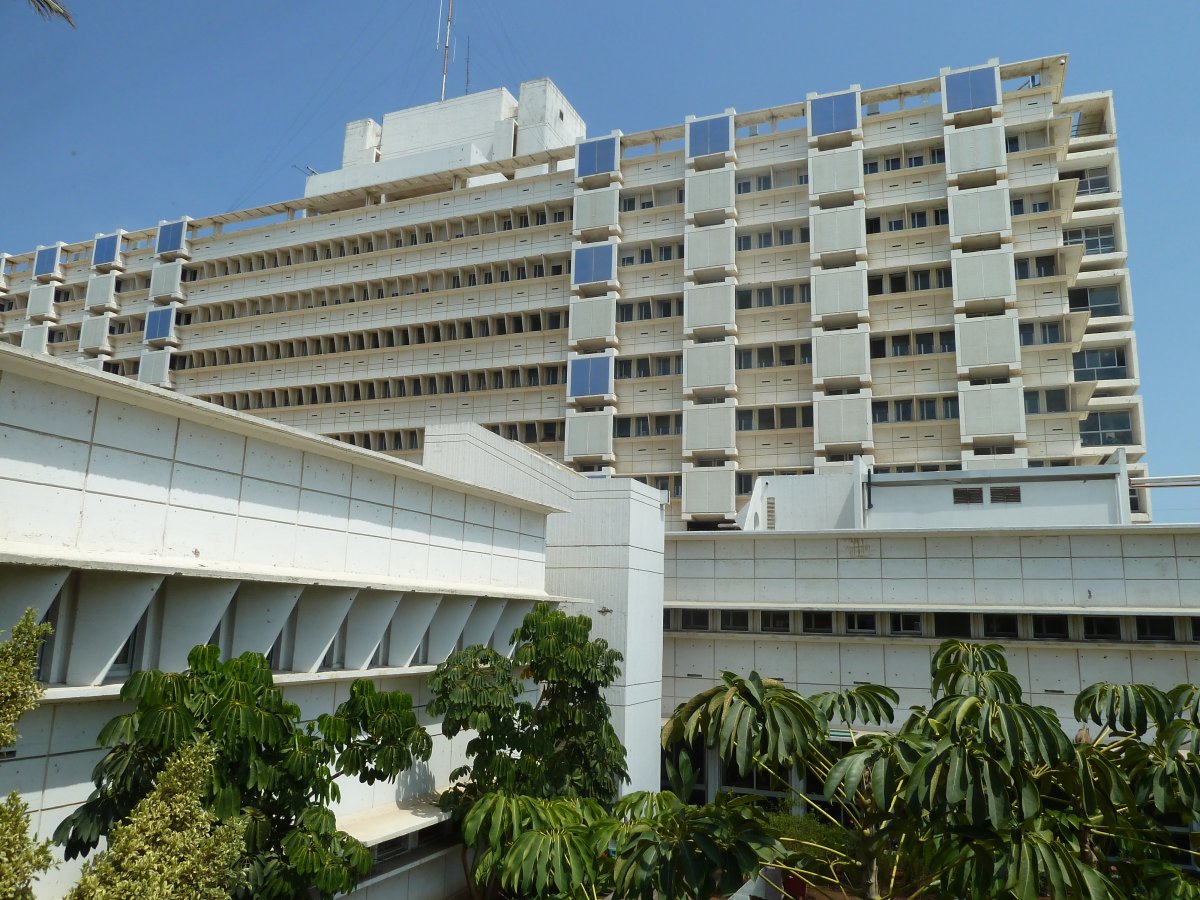
Sourasky Medical Center (Ichilov)
إسرائيل, Tel Aviv
Tatyana Gurevich
41سنة خبره ١٦ سنة

العيادة معتمدة من قبل : 




تمت مراجعة المقالة طبيا من قبل
فهد مولود
| إسرائيل | تركيا | إسبانيا | |
|---|---|---|---|
| علاج الخلايا الجذعية لمرض الزهايمر | ≈ $14,000 | من $11,900 | ≈ $20,000 |
يدير البروفيسور جوريفيتش وحدة اضطرابات الحركة في مركز تل أبيب سوراسكي الطبي، وهو متخصص في حالات مثل مرض الزهايمر.

يتمتع البروفيسور نير جيلادي بخبرة تزيد عن 43 سنة في التخصص في مرض باركنسون واضطرابات الحركة في مركز سوراسكي الطبي.

يتخصص الدكتور زوهار في طب الأعصاب واضطرابات الحركة في مركز تل أبيب سوراسكي الطبي، وهو مستشفى رائد في إسرائيل.

البروفيسور إسحاق فريد هو جراح أعصاب وعالم أعصاب مشهور عالميًا، ويقوم بالتدريس في مؤسسات مرموقة مثل جامعة كاليفورنيا في لوس أنجلوس (UCLA) وجامعة ييل.
 Anna Leonova
وافقت إسرائيل على عقار Leqembi (lecanemab) في يوليو 2024 وعقار Kisunla (donanemab) في أواخر عام 2024 لعلاج مرض الزهايمر في مراحله المبكرة. تستهدف هذه الأجسام المضادة أحادية النسيلة لويحات الأميلويد لإبطاء التدهور المعرفي. يتلقى المرضى هذه العلاجات عن طريق الحقن الوريدي في مراكز رئيسية مثل مركز سوراسكي الطبي ومركز رامبام الطبي.
رؤية خبراء Bookimed: على الرغم من الموافقة على هذه الأدوية، إلا أنها ليست مدرجة حالياً في سلة الصحة الوطنية. تُظهر بياناتنا أن المرضى غالباً ما يختارون المراكز المعتمدة من قبل JCI مثل سوراسكي أو أسوتا للإدارة الخاصة. توفر هذه المرافق إمكانية الوصول إلى متخصصين مثل الدكتورة تاتيانا جوريفيتش والبروفيسور نير جيلادي، الذين يديرون المراقبة المعقدة المطلوبة لهذه العلاجات البيولوجية الجديدة.
إجماع المرضى: يشير المرضى إلى أنه على الرغم من أن الموافقات مثيرة، إلا أن التكاليف العالية التي يتحملها المريض تظل عقبة رئيسية. يقترح الكثيرون التحقق من الأهلية للتجارب السريرية في المستشفيات الكبيرة للوصول إلى هذه العلاجات بشكل أسرع وأكثر بأسعار معقولة.
تغطي سلة الصحة الوطنية الإسرائيلية خدمات تشخيص مرض الزهايمر الأساسية، واستشارات المتخصصين، وأدوية الخط الأول للمراحل الخفيفة إلى المتوسطة. يتم تضمين عائلات الأدوية الراسخة مثل مثبطات إنزيم أستيل كولين استريز. ومع ذلك، لا تزال العلاجات البيولوجية الأحدث مثل Leqembi والتقنيات الطبية المتخصصة مستبعدة حاليًا من التمويل العام لعام 2026.
رؤية خبير Bookimed: تُعد المراكز الطبية الإسرائيلية مثل سوراسكي وهداسا مراكز عالمية للبحوث العصبية، وغالبًا ما توفر الوصول إلى علاجات غير مدرجة بعد في سلة الصحة. على سبيل المثال، يقود الدكتور إسحاق فريد في سوراسكي والبروفيسور تامير بن حور في هداسا دراسات حول التدخلات الجراحية وعلاجات الخلايا الجذعية. غالبًا ما يسعى المرضى إلى هذه المراكز الأكاديمية للمشاركة في التجارب السريرية، والتي يمكن أن توفر الوصول إلى الأدوية البيولوجية المقيدة دون التكاليف الكبيرة التي تتطلبها عادةً الوصفات الطبية الخاصة.
إجماع المرضى: يشير المرضى إلى أنه على الرغم من إمكانية الوصول إلى الأدوية الأساسية، إلا أن عملية الموافقة العامة على أدوية معينة يمكن أن تختلف بشكل كبير بين صناديق الصحة المختلفة. يؤكد الكثيرون
يحصل المرضى على تشخيص لمرض الزهايمر في إسرائيل من خلال مسار سريري متدرج. تبدأ العملية بفحص الرعاية الأولية. يقوم المتخصصون في المراكز المعتمدة من قبل اللجنة الدولية المشتركة (JCI) مثل مركز سوراسكي الطبي أو هداسا بعد ذلك بإجراء تصوير عصبي متقدم وتقييمات معرفية. غالبًا ما يتطلب التشخيص النهائي إجراء تصوير بالرنين المغناطيسي، أو مسح PET، أو بزل قطني.
رؤية خبير Bookimed: تشير البيانات إلى التركيز على المراكز متعددة التخصصات مثل مركز سوراسكي الطبي في تل أبيب. يدير هذا المرفق 240 قسمًا ويعالج 1,800,000 مريض سنويًا. غالبًا ما يوفر اختيار مثل هذه المؤسسات الكبيرة وصولاً أسرع إلى فرق متكاملة من أطباء الأعصاب وجراحي الأعصاب. على سبيل المثال، يتخصص البروفيسور إسحاق فريد في سوراسكي تحديدًا في خرف الشيخوخة من نوع الزهايمر. هذه الخبرة المستهدفة أكثر شيوعًا في المستشفيات الأكاديمية ذات الحجم الكبير مقارنة بالعيادات الخاصة الصغيرة.
إجماع المرضى: يلاحظ المرضى أن قوائم الانتظار العامة للتقييمات العصبية الكاملة يمكن أن تستغرق من 3 إلى
تقدم إسرائيل دعمًا غير دوائي واسع النطاق لمرضى الزهايمر من خلال مراكز طبية متخصصة وبرامج مجتمعية. تشمل هذه الخدمات إعادة التأهيل المعرفي، والعلاجات الحسية، والرعاية النهارية المنظمة. توفر مرافق مثل مركز سوراسكي الطبي ومركز هداسا الطبي رعاية عصبية متعددة التخصصات وبروتوكولات سلوكية مبتكرة.
رؤية خبير Bookimed: المراكز الطبية الإسرائيلية مثل سوراسكي وهداسا فريدة من نوعها لأن أقسام الأعصاب فيها يقودها أساتذة يجرون أيضًا أبحاثًا سريرية عالمية. على سبيل المثال، يجمع الدكتور نير جيلادي والدكتور إسحاق فريد بين الممارسة الجراحية النشطة وأبحاث اضطرابات الذاكرة. وهذا يعني أن المرضى غالبًا ما يحصلون على أحدث البروتوكولات السلوكية قبل أشهر من تحولها إلى ممارسة قياسية عالمية.
إجماع المرضى: يؤكد المرضى أن الانضمام إلى مجموعات الدعم من خلال جمعية الزهايمر في إسرائيل يساعد في إدارة الهياج. غالبًا ما توصي العائلات بالمراكز النهارية المحلية لتوفير التحفيز الاجتماعي والراحة الأساسية لمقدمي الرعاية الأساسيين.
يمكن للمرضى الدوليين المشاركة في التجارب السريرية في إسرائيل لمرض الزهايمر. الحصول على موافقة وزارة الصحة ولجنة هلسنكي إلزامي لجميع الدراسات. تقوم مراكز كبرى مثل سوراسكي وهداسا بتوظيف المشاركين بنشاط لإجراء أبحاث مبتكرة في الخلايا الجذعية وعلم المناعة العصبية.
رؤية خبير Bookimed: يخدم مركز سوراسكي الطبي أكثر من 1,800,000 مريض سنويًا ويضم وحدات متخصصة لجراحة الأعصاب الوظيفية. يقود أساتذة مثل الدكتور نير جيلادي والدكتور إسحاق فريد الأبحاث مع أكثر من 300 منشور مشترك. يجب على المرضى استهداف هذه المراكز الأكاديمية ذات الحجم الكبير لأنها غالبًا ما تكون رائدة في البروتوكولات العالمية لاستعادة الذاكرة.
إجماع المرضى: يؤكد المرضى على أهمية إكمال الفحص المسبق الافتراضي عبر بوابات المستشفيات لتجنب الرفض بعد السفر. يشير الكثيرون إلى أنه على الرغم من أن العلاج الطبي مجاني، إلا أنه من الضروري تخصيص ميزانية لعملية بيروقراطية تستغرق 3 أشهر.
تُعدّ إسرائيل مركزًا رائدًا في جراحة الأعصاب بفضل مزيجها من التطورات الطبية عالية التقنية والخبرات الجراحية المتميزة. وتستخدم مرافق متطورة مثل مركز شيبا الطبي أنظمة ملاحة تعتمد على الذكاء الاصطناعي والتصوير بالرنين المغناطيسي أثناء الجراحة في الوقت الفعلي. وتشير المراكز المتخصصة إلى نسبة نجاح تصل إلى 98% في العمليات الجراحية المعقدة، بما في ذلك جراحة الدماغ مع اليقظة وعلاج اضطرابات الحركة.
رأي خبراء بوكيمد: تُظهر البيانات فرقًا واضحًا بين خيارات العلاج في القطاعين العام والخاص في إسرائيل. تُجري المراكز الخاصة، مثل مركز أسوتا الطبي، أكثر من 92,000 عملية جراحية سنويًا، وتتيح للمرضى اختيار جراح را
يعالج جراحو الأعصاب الإسرائيليون طيفاً واسعاً من الحالات، بدءاً من أورام الدماغ والحبل الشوكي وصولاً إلى الاضطرابات الوظيفية المعقدة. وتستخدم المراكز المتخصصة أحدث التقنيات، مثل جهاز جاما نايف، والتحفيز العميق للدماغ، والتصوير بالرنين المغناطيسي أثناء الجراحة، لتشخيص دقيق للغاية لحالات الصرع، ومرض باركنسون، وأمراض الأوعية الدموية الدماغية.
رأي خبراء بوكيمد: غالبًا ما تجمع المستشفيات الإسرائيلية بين تخصصات طبية متعددة لمعالجة الحالات المعقدة. ففي مركز سوراسكي ا
تضم إسرائيل مراكز جراحة أعصاب عالمية المستوى، مثل مركز سوراسكي الطبي، ومركز شيبا الطبي، ومركز هداسا الطبي. وتُعدّ هذه المؤسسات رائدة عالميًا في علاج أورام الدماغ المعقدة، وأمراض العمود الفقري، واضطرابات الحركة. وتستخدم أحدث التقنيات، مثل جهاز جاما نايف، والأنظمة الروبوتية، والتصوير بالرنين المغناطيسي أثناء الجراحة.
رأي خبراء بوكيمد: تُظهر بياناتنا أنه بينما يلجأ معظم المرضى للعلاج في تل أبيب، يُقدّم مركز رامبام الطبي في حيفا رعايةً فريدةً لإصابات الدماغ. فهو يضم وحدةً متخصصةً للعناية المركزة العصبية تُعالج ما يقارب مليون مريض سنويًا. وهذا ما يجعله
من بين أبرز جراحي الأعصاب الإسرائيليين البروفيسور تسفي رام، والبروفيسور شلومي كونستانتيني، والبروفيسور إسحاق فريد من مركز سوراسكي الطبي. ويشغل هؤلاء المتخصصون مناصب قيادية في الجمعية الأوروبية لجمعيات جراحة الأعصاب (EANS) والجمعية العالمية لجراحة الأعصاب التجسيمية والوظيفية (WSSFN). ويستخدمون تقنيات رسم الخرائط المتقدمة أثناء الجراحة وأنظمة الروبوتات.
رأي خبراء بوكيمد: تشير بيانات مركز سوراسكي وشيبا إلى وجود علاقة وثيقة بين ارتفاع عدد العمليات الجراحية وسلامة المرضى. فعلى سبيل المثال، يُجري مركز سوراسكي أكثر من 34,000 عملية جراحية لعلاج الأورام سنويًا بنسبة نجاح تصل إلى 90%. لذا، ينبغي على المرضى الذين يحتاجون إلى استئصال أورام معقدة إعطاء الأولوية لمراكز كهذه، حيث يُجري الجراحون مئات العمليات الجراحية ا
يجب على المرضى الأجانب الذين يحتاجون إلى علاج جراحي للأعصاب في إسرائيل تقديم وثائق طبية كاملة، بما في ذلك نتائج التصوير بالرنين المغناطيسي أو التصوير المقطعي المحوسب الحديثة، مترجمة إلى اللغة الإنجليزية. يتطلب دخول المستشفى فحصًا سريريًا من قبل أخصائيين للتأكد من ملاءمة المريض للعلاج. غالبًا ما تطلب المستشفيات دفعًا مسبقًا كاملًا أو دفعة مقدمة كبيرة قبل تأكيد مواعيد الجراحة أو إصدار وثائق التأشيرة.
رأي خبراء بوكيمد: تُظهر البيانات أن المؤسسات الطبية الإسرائيلية الرائدة، مثل مركز شيبا الطبي ومركز هداسا الطبي، تستقبل عددًا هائلًا من المرضى، يتجاوز مليون مريض سنويًا. هذا الطلب المرتفع يعني أن العيادات تُعطي الأول