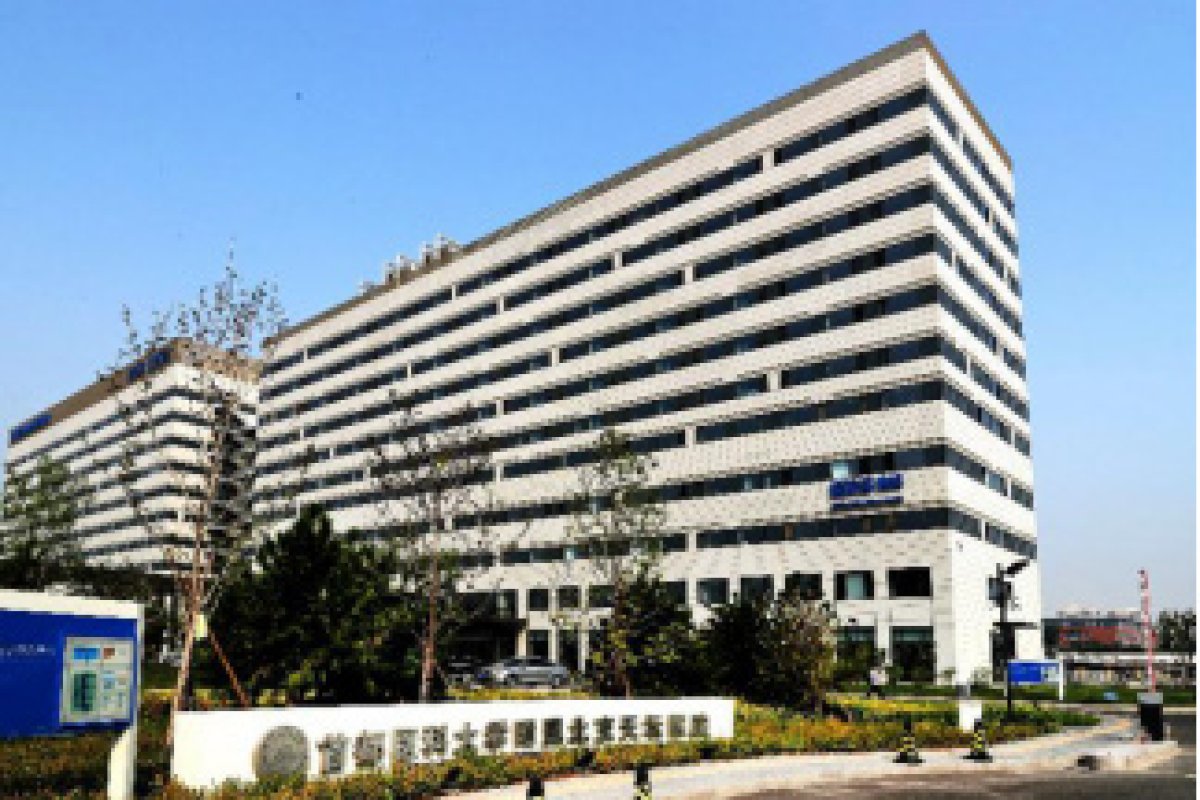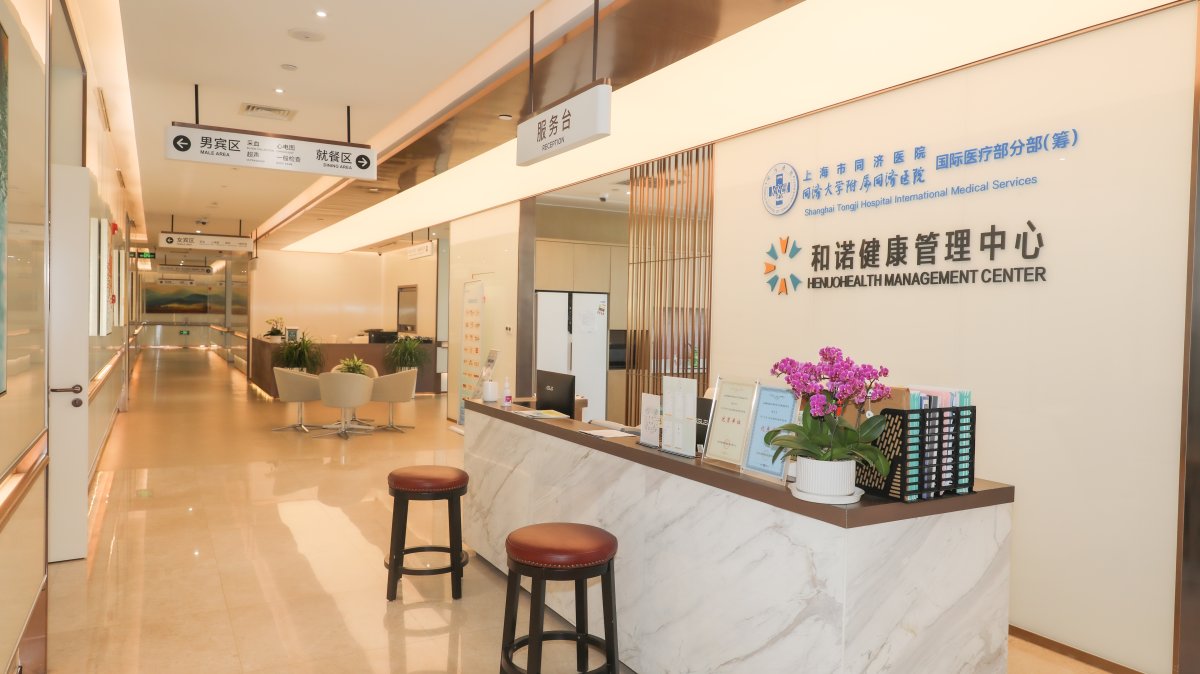
مركز أمراض الدم والعلاج الخلوي Shanghai Tongji Hospital
الصين, Shanghai


تمت مراجعة المقالة طبيا من قبل
فهد مولود
| الصين | تركيا | إسبانيا | |
|---|---|---|---|
| علاج الخلايا الجذعية لمرض الزهايمر | من $15,800 | ≈ $6,500 | ≈ $20,000 |
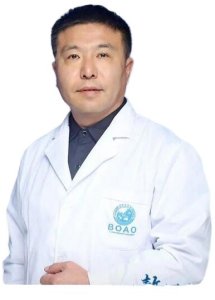
الدكتور لي يانوين من الرواد الأوائل في جراحة الأعصاب الوظيفية في الصين، وهو من مؤسسي تقنية الملاحة الجراحية في هذا المجال في البلاد. يشغل منصب أستاذ زائر في جامعة تورينو. تشمل جوائزه الجائزة الأولى لجائزة شنتشن للتقدم في العلوم والتكنولوجيا، والجائزة الثالثة لجائزة مقاطعة غوانغدونغ للتقدم في العلوم والتكنولوجيا.
يتخصص في جراحة الأعصاب التوضيعية والوظيفية، ولديه أكثر من 20 عاماً من الخبرة، وقد أجرى أكثر من 10,000 إجراء توضيع جراحي لمرضى باركنسون والشلل الدماغي والصرع. متمرس في تقنيات ال

طبيب أعصاب رائد وحاصل على دكتوراه في العلوم الطبية مع تدريب ما بعد الدكتوراه في جامعة هارفارد ومؤسسات مرموقة أخرى.
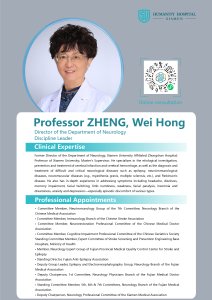
البروفيسور تشنغ وي هونغ هو مدير قسم طب الأعصاب وقائد التخصص. شغل سابقًا منصب مدير قسم الأعصاب في مستشفى تشونغشان التابع لجامعة شيامن. وهو أستاذ بجامعة شيامن ومشرف على طلاب الماجستير.
يركّز عمله السريري على الاستقصاء السببي والوقاية وعلاج احتشاء الدماغ والنزف الدماغي. كما يشخّص ويعالج الأمراض العصبية المعقّدة، بما فيها الصرع، والاضطرابات العصبية‑المناعية والعصبية‑العضلية (الوهن العضلي الوبيل، التصلّب المتعدد)، ومرض باركنسون.
العضويات والمناصب: عضو في مجموعة علم المناعة العصبية (ف
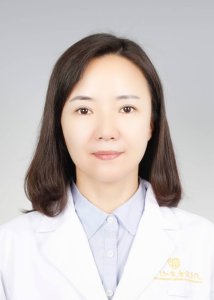
الأستاذة ليانغ شياوشياو مديرة القسم ورئيسة الأطباء في إعادة التأهيل العصبي. تحمل درجة الماجستير في طب الأعصاب. متمرسة في التعديل العصبي لاضطرابات الوعي والإدراك والحركة. يتركز عملها على حالات ناجمة عن أمراض الأوعية الدموية الدماغية، ومرض باركنسون، وحالات ذات صلة. كما تُجري حقن توكسين البوتولينوم بتوجيه الموجات فوق الصوتية لعلاج تشنج الجفن، وتشنج نصف الوجه، وتشنج الأطراف، وفرط سيلان اللعاب، وآلام الأعصاب.
الاعتمادات والمناصب: عضوة في لجان إعادة التأهيل العصبي، وإعادة تأهيل اضطرابات الإد
 Anna Leonova
يُعدّ علاج مرض الزهايمر في الصين آمناً إذا اختار المرضى مرافق متخصصة معتمدة، مثل مستشفى الدكتور هيبر. تضم هذه المراكز أخصائيين مُدرّبين في جامعتي هارفارد وتكساس. تشمل البروتوكولات القياسية استخدام الأجسام المضادة وحيدة النسيلة المعتمدة دولياً. ينبغي على المرضى إعطاء الأولوية للمستشفيات الحاصلة على شهادة من اللجنة الدولية المشتركة (JCI) أو المنظمة الدولية للمعايير (ISO) لضمان الامتثال لمعايير السلامة الغربية.
رأي خبراء بوكيمد: بينما يبحث الكثيرون عن خيارات بأسعار معقولة، في الصين، يرتبط الأمان ارتباطًا وثيقًا بالسمعة الأكاديمية أكثر من السعر. تُظهر بياناتنا أن أطباء الأعصاب ذوي الكفاءة العالية، مثل الدكتور تشنغ وي هونغ، غالبًا ما يعملون كأساتذة جامعيين وأ
يشمل علاج مرض الزهايمر في الصين استخدام الأجسام المضادة وحيدة النسيلة المضادة للأميلويد، مثل ليكانيماب، وأدوية محلية الصنع فريدة من نوعها، مثل أوليغومانات الصوديوم. وتقدم مراكز متخصصة العلاج بالخلايا الجذعية والتحفيز العصبي. تهدف هذه الأساليب إلى مكافحة لويحات الأميلويد، وتنظيم الميكروبيوم المعوي، وتعزيز إعادة التأهيل المعرفي في مرافق الرعاية الصحية الحديثة والمتخصصة.
رأي خبراء بوكيمد: غالبًا ما يُطبّق أطباء الأعصاب البارزون، مثل الدكتور شاو مينغ من مستشفى الدكتور هيبر، تدريبهم الدولي المرموق الذي تلقوه في جامعة هارفارد وجامعة تكساس، على بروتوكولات العلاج الصينية. تُمكّنهم هذه الخبرة من الجمع بين أحدث ابت
تعتمد معايير الأهلية لعلاج مرض الزهايمر على التشخيص السريري لاضطراب إدراكي خفيف أو خرف مبكر. يجب أن يكون لدى المرضى ترسبات أميلويد مؤكدة بواسطة التصوير المقطعي بالإصدار البوزيتروني أو تحليل السائل النخاعي. على الرغم من أن التوصيات موجهة للبالغين الذين تتراوح أعمارهم بين 50 و90 عامًا، إلا أن مرحلة الاضطراب الإدراكي والصحة العامة أكثر أهمية من العمر البيولوجي.
رأي خبراء بوكيميد: ينصبّ التركيز على المراكز المتخصصة في
في الصين، ينبغي على المرضى توقع حدوث اضطرابات هضمية أو تغيرات عصبية مرتبطة بأدوية الزهايمر. تحمل الأجسام المضادة الجديدة التي تستهدف بروتين الأميلويد، مثل ليكانيماب، خطر حدوث نزيف دقيق بنسبة 9.4%. غالبًا ما تسبب الأدوية المُخففة للأعراض غثيانًا أو أرقًا. يساعد الرصد المتخصص على إدارة هذه المخاطر بأمان في البيئات السريرية الصينية.
رأي خبراء بوكيمد: يُعدّ تنسيق العلاج أمرًا بالغ الأهمية عند الجمع بين الأدوية الغربية والطب الصيني التقليدي. تُظهر بياناتنا أن أطباء الأعصاب البارزين، مثل الدكتور تشنغ وي هونغ من مستشفى شيامن الإنساني، متخصصون في كلٍّ من الاضطرابات الإدراكية وعلم المناعة العصبية. هذا التخصص المزدوج ضروري، إذ تُشير الأبحاث الداخلية إلى أن الجمع بين الأدوية العشبية قد يُؤدي أحيانًا إل
عادةً ما يقيم المرضى الدوليون في الصين لمدة تتراوح بين أسبوع وأربعة أسابيع لإجراء التقييم الأولي وعلاج مرض الزهايمر. تشمل هذه الفترة اختبارات المؤشرات الحيوية المتخصصة والتصوير العصبي، بالإضافة إلى بدء بروتوكولات علاجية مثل العلاج بالخلايا الجذعية أو المراقبة الدوائية الموضعية. ويُعدّ الدعم الطبي المتخصص ضروريًا للتواصل.
رأي خبراء بوكيمد: بينما قد تُقدّم العيادات الصغيرة خدمات التشخيص في غضون 10 أيام، فإنّ المراكز المتخصصة مثل مستشفى الدكتور إيبر توظّف أكثر من 400 طبيب في 63 قسمًا. هذا الحجم الكبير غالبًا ما يعني أن التنسيق الداخلي يستغرق وقتًا أطول، ولكنه يضمن نتائج أكثر دقة. في الواقع، تُعدّ الإقامة لمدة 4 أسابيع أكثر أمانًا للمرضى القادمين من أماكن بعيدة للتأقلم مع أي
يعتمد استمرار تناول أدوية الزهايمر المُستوردة من الصين على الموافقات الدوائية المحلية واللوائح الجمركية. تخضع الأدوية المُعتمدة عالميًا، مثل ليكانيماب، غالبًا لإجراءات النقل. أما العلاجات الخاصة بالصين، مثل بروتوكولات علاج أوليغوماناتينات أو الخلايا الجذعية، فتتطلب استشارة طبيب أعصاب محلي لتلقي العلاج طويل الأمد في بلدك.
رأي خبراء بوكيمد: على الرغم من ريادة الصين في أبحاث الطب التجديدي العصبي في مؤسسات مثل مستشفى الدكتور هيبر، إلا أن هذه البروتوكولات المتقدمة غالبًا ما تختلف عن المعايير الغربية. تُظهر بياناتنا أن أطباء مثل الدكتور تشنغ وي هونغ يُشددون على فترة انتقالية يُجري خلالها أطباء الرعاية المنزلية فحوصات دم متكررة قبل إعادة وصف العلاج. لذا، لا تف
في الصين، تتضمن المتابعة السريرية لمرضى الزهايمر عادةً المتابعة عن بُعد بدلاً من الفحوصات الشخصية الإلزامية. قبل العودة إلى المنزل، ينبغي على المرضى إعطاء الأولوية للراحة وشرب السوائل. ولرصد التغيرات الإدراكية بموضوعية، يُوصى بإجراء فحص طبي معياري من قِبل طبيب أعصاب محلي خلال شهر إلى ثلاثة أشهر.
رأي خبراء بوكيمد: تُؤكد المراكز العصبية الصينية، مثل مستشفى الدكتور إيبر، على اتباع نهج متعدد التخصصات، يشمل إعادة التأهيل. ونظرًا لمحدودية تنسيق البيانات على المستوى الدولي، يُشجع المرضى على تسجيل بياناتهم الأساسية بأنفسهم قبل بدء العلاج. وهذا من شأنه أن يوفر مرجعًا واضحًا للأطباء المحليين لتقييم التحسن في الوظائف الحركية أو الذاكرة بعد العلاج.