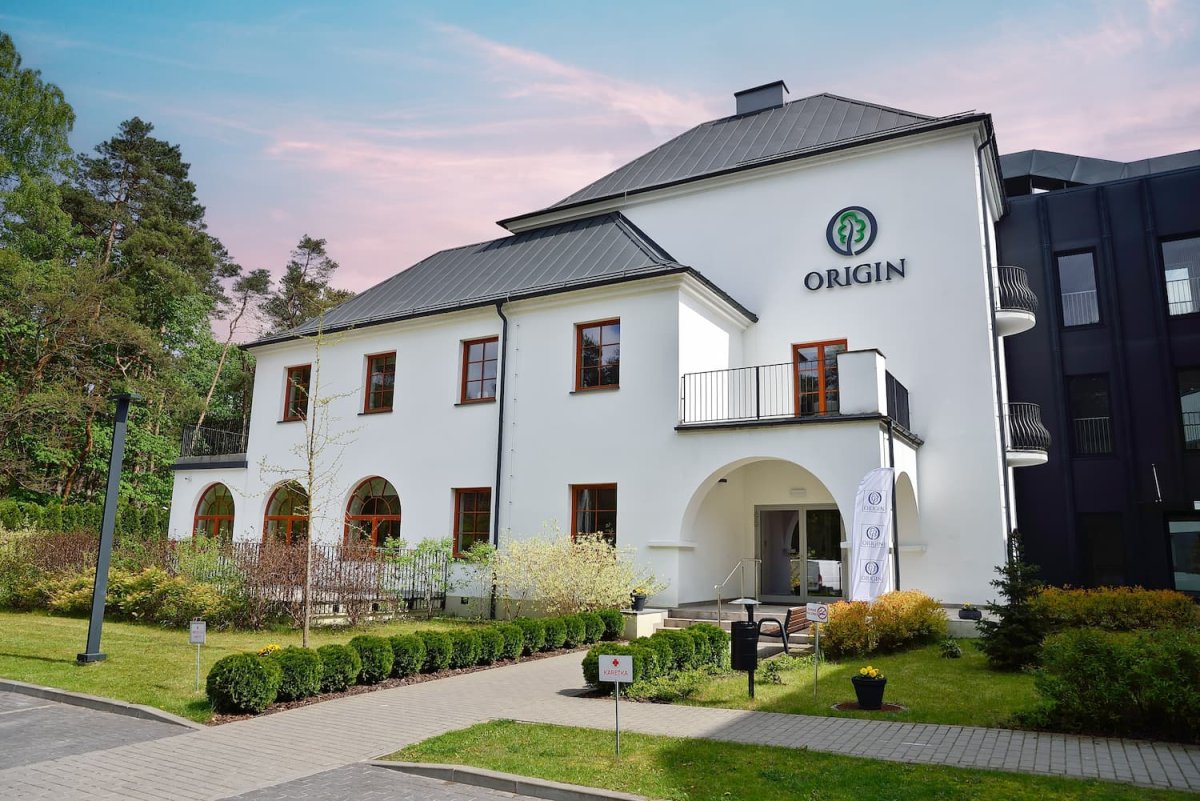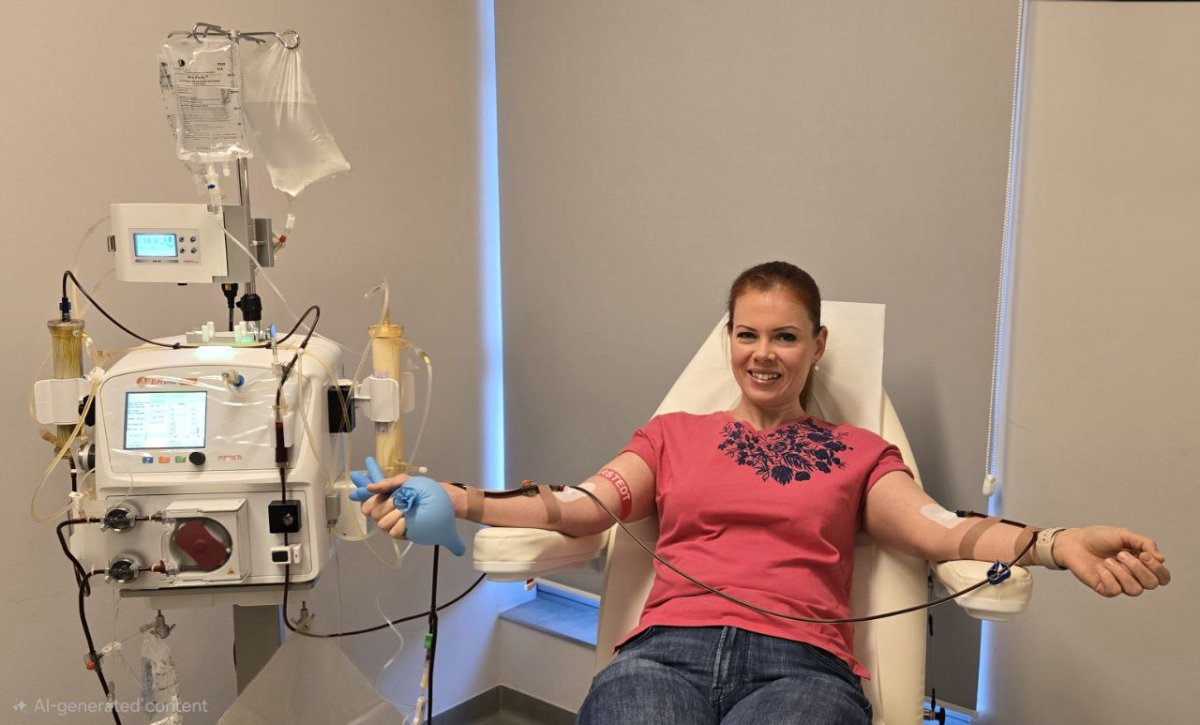
DNTRIPLED Medical Services مركز العلاج بالأفريز العلاجي
بولندا, وارسو


تمت مراجعة المقالة طبيا من قبل
فهد مولود
من $28. أما التدخلات المتخصصة مثل العلاج بالخلايا الجذعية لمرض الزهايمر فتتراوح تكلفتها بين $12,000 و $25,000. تعتمد النفقات الإجمالية على مرحلة المرض، ونوع المنشأة، ومدة العلاج. وغالباً ما يوفر المرضى ما يقرب من 40-50% مقارنة بالتكاليف في الولايات المتحدة. تقع المراكز الطبية الرائدة بشكل أساسي في وارسو، وكراكوف، وتشيتشوتسينيك.
تكاليف علاج مرض الزهايمر النموذجية في بولندا
رؤية خبراء Bookimed: يجب على المرضى الذين يبحثون عن بيئات طبية راسخة التفكير في المستشفى الجامعي في كراكوف. يعالج هذا المركز التاريخي 455,000 مريض سنوياً بفضل موارده التقنية الواسعة. وبالنسبة لأولئك الذين يحتاجون إلى التعافي بعد العلاج، تقدم العيادة الصحية "Pod Tezniami" في تشيتشوتسينيك برامج تجديد متخصصة. وتستفيد الحالات المتأخرة من فرق متعددة التخصصات في مستشفى يوحنا بولس الثاني الغربي بالقرب من وارسو. توفر هذه المرافق رعاية عالية المستوى بأسعار تنافسية في السوق البولندية.
| بولندا | تركيا | إسبانيا | |
|---|---|---|---|
| علاج الخلايا الجذعية لمرض الزهايمر | ≈ $12,000 | ≈ $6,500 | ≈ $20,000 |
Bookimed لا يضيف رسوماً إضافية على أسعار علاج مرض الزهايمر. الأسعار مأخوذة من قوائم الأسعار الرسمية للعيادات. تدفع مباشرة في العيادة مقابل علاجك عند وصولك إلى البلد.
Bookimed ملتزم بسلامتك. نحن نعمل فقط مع المؤسسات الطبية التي تحافظ على معايير دولية عالية في علاج مرض الزهايمر ولديها التراخيص اللازمة لخدمة المرضى الدوليين في جميع أنحاء العالم.
Bookimed يقدم مساعدة خبراء مجانية. منسق طبي شخصي يدعمك قبل وأثناء وبعد العلاج، ويحل أي مشاكل. لن تكون وحيداً أبداً في رحلة علاج مرض الزهايمر.

 Anna Leonova
تقوم بولندا بتغطية تكاليف أدوية دونيبيزيل، وريفاستيجمين، وميمانتين لعلاج الزهايمر من خلال الصندوق الوطني للصحة (NFZ). غالبًا ما تحصل هذه الأدوية على تغطية بنسبة 70%. يمكن للمرضى الذين تبلغ أعمارهم 65 عامًا فما فوق الوصول إلى العديد من الأدوية العصبية مجانًا. تظل علاجات الأجسام المضادة أحادية النسيلة الأحدث متاحة فقط من خلال الشراء الخاص.
رؤية خبير Bookimed: يعالج المستشفى الجامعي في كراكوف أكثر من 450,000 مريض سنويًا ويضم 103 أقسام متخصصة. يشير هذا الحجم الهائل من المرضى إلى أن المراكز الأكاديمية الكبيرة في بولندا هي المراكز الأكثر موثوقية لتأمين وثائق NFZ المعقدة اللازمة لاسترداد 70% من تكاليف الأدوية.
إجماع المرضى: يشير المرضى إلى أنه من الضروري الحصول على تشخيص رسمي من NFZ بسرعة للوصول إلى الأدوية الأساسية المشمولة بالتغطية. ينصح الكثيرون بالضغط لإجراء الاختبارات الجينية APOE مقدمًا للمساعدة في التأهل لمسارات سريعة لأدوية معينة.
يتوفر ليكانيماب في بولندا من خلال ترخيص التسويق الممنوح من قبل المفوضية الأوروبية. يصل المرضى إلى هذا العلاج المضاد للأميلويد بشكل أساسي من خلال الوصفات الطبية الخاصة وبرنامج استيراد المرضى المحددين (Named Patient Import). لا يتوفر حالياً سداد التكاليف العامة من خلال الصندوق الوطني للصحة (NFZ) لهذا العلاج.
رؤية خبير Bookimed: تعمل بولندا كواحدة من أفضل 10 وجهات عالمية للطلبات الطبية. يدير المستشفى الجامعي في كراكوف 455,000 مريض سنوياً عبر 103 أقسام. يشير هذا الحجم الكبير إلى أن المراكز الأكاديمية الكبرى مجهزة بشكل أفضل لبروتوكولات تشخيص الأميلويد المعقدة. غالباً ما توفر المرافق الكبيرة مثل هذه البنية التحتية اللازمة للحقن المتخصصة.
إجماع المرضى: يشير المرضى إلى أن التكاليف المرتفعة للاستيراد الخاص تجعل العلاج صعباً للكثيرين. يبحث العديد من الأفراد بنشاط عن تجارب سريرية في وارسو أو كراكوف للوصول إلى علاجات أحدث.
تشمل مراكز رعاية مرض الزهايمر الرائدة في بولندا المستشفى الجامعي في كراكوف، والمستشفى الغربي في وارسو، ومنتجع بود تيزنيامي الصحي المتخصص. توفر هذه المرافق تشخيصات شاملة باستخدام التصوير بالرنين المغناطيسي 3T والأشعة المقطعية. تقدم فرق متعددة التخصصات العلاج الطبي، وإعادة التأهيل العصبي، ونهج الخلايا الجذعية المبتكرة.
رؤية خبير Bookimed: صعدت بولندا إلى المركز الثامن في التصنيف العالمي لطلبات الرعاية الطبية. تظهر البيانات أن مراكز مثل المستشفى الجامعي في كراكوف تتعامل مع أعداد هائلة من المرضى بسعة 1,600 سرير. تسمح هذه السعة العالية ببروتوكولات تشخيصية معقدة لا يمكن للعيادات الأصغر مطابقتها. يجب على المرضى استهداف هذه المراكز الجامعية الثالثية للحصول على أدق مرحلة أولية.
إجماع المرضى: يشير المرضى إلى أن الجمع بين التشخيص الجامعي العام والعيادات الخاصة يسرع العلاج بشكل كبير. يؤكد الكثيرون أن الرعاية المنسقة بين الأطباء النفسيين وأطباء الأعصاب ضرورية لإدارة الأعراض السلوكية بفعالية.
أطباء الأعصاب هم المتخصصون الأساسيون المخولون بتشخيص مرض الزهايمر في بولندا. وهم يتعاونون مع الأطباء النفسيين وأطباء الشيخوخة لتأكيد التدهور المعرفي. تشمل بروتوكولات التشخيص فحوصات التصوير بالرنين المغناطيسي وتحليل السائل النخاعي. يقوم الممارسون العامون بتحديد الأعراض المبكرة وتوفير الإحالات اللازمة للاختبارات المتخصصة.
رؤية خبير Bookimed: توفر بولندا مراكز تشخيص عالية القدرة مثل مستشفى الجامعة في كراكوف. تعالج هذه المنشأة 455,000 مريض سنوياً بوجود 1,066 طبيباً متخصصاً. غالباً ما توفر المستشفيات العامة الكبيرة اختبارات أكثر شمولاً من العيادات الخاصة الصغيرة. يجب على المرضى إعطاء الأولوية للمراكز متعددة التخصصات التي تضم أكثر من 100 قسم للحالات المعقدة.
إجماع المرضى: يشير المرضى إلى أن البحث عن طبيب أعصاب من خلال التأمين الصحي العام غالباً ما ينطوي على فترات انتظار طويلة. يوصي الكثيرون بحجز استشارة خاصة لتسريع فحوصات الدماغ الأولية.
يحصل مقدمو الرعاية في بولندا على الدعم من خلال برامج الراحة الحكومية، واستشارات المنظمات غير الحكومية، والخدمات العلاجية الخاصة. تشمل المساعدة البارزة 240 ساعة من رعاية الراحة السنوية من خلال الصندوق الوطني للصحة والتدريب المتخصص من منظمات مثل الجمعية البولندية لمساعدة الأشخاص المصابين بمرض الزهايمر.
رؤية خبير Bookimed: يعتمد مشهد الرعاية الصحية في بولندا للحالات المزمنة غالبًا على مراكز ضخمة متعددة التخصصات. يدير المستشفى الجامعي في كراكوف 455,000 مريض سنويًا عبر 103 قسمًا. يعني هذا الحجم الكبير أن دعم مقدمي الرعاية المحدد غالبًا ما يتم الاستعانة بمصادر خارجية لمؤسسات محلية متخصصة بدلاً من التعامل معه مباشرة داخل أجنحة المستشفى.
إجماع المرضى: يشير المرضى إلى أنه من الضروري الاتصال بالمنظمات غير الحكومية الخاصة بمرض الزهايمر في وقت مبكر للحصول على خطوط المساعدة وورش العمل. يقترح الكثيرون الاستفادة من المجموعات المحلية القائمة على الكنيسة للحصول على دعم عاطفي فوري عندما تكون قوائم انتظار الخدمات العامة طويلة.
تُقدم جراحة الأعصاب في بولندا رعاية عالية الجودة في مرافق معتمدة من قبل اللجنة الدولية المشتركة (JCI) والمنظمة الدولية للمعايير (ISO). يلتزم جراحو الأعصاب البولنديون بمعايير تدريب صارمة معتمدة من قبل الاتحاد الأوروبي. وقد أكمل العديد منهم زمالات في الولايات المتحدة أو ألمانيا. وتتوفر التقنيات المتقدمة، مثل جهاز سايبر نايف وجهاز جاما نايف والأنظمة الروبوتية، على نطاق واسع في المراكز الخاصة.
رأي خبراء بوكيمد: تُظهر البيانات وجود علاقة وثيقة بين تخصص العيادة وأصول مرضاها. تعالج عيادة KCM أكثر من 700 مريض دولي سنويًا، وهي متخصصة في جراحة العمود الفقري طفيفة التوغل. يُمكّنها هذا الحجم من العمل من تقديم باقات خدمات متخصصة، تشمل غالبًا حواجز تشخيصية وزرعات محددة،
يُعدّ جراحو الأعصاب البولنديون متخصصين ذوي كفاءة عالية، إذ أتموا ما لا يقل عن 13 عامًا من التدريب الطبي المكثف. يشمل ذلك ست سنوات من الدراسة في كلية الطب، و13 شهرًا من التدريب العملي، وست سنوات من الإقامة. ويجب عليهم اجتياز امتحان التخصص الحكومي (PES)، وغالبًا ما يحصلون على شهادة من الجمعية الأوروبية لجمعيات جراحة الأعصاب (EANS).
رأي خبراء بوكيميد: تشير البيانات إلى أن جراحي الأعصاب البولنديين غالبًا ما يتخصصون في تقنيات بالغة التخصص، مثل نظام ApiFix أو نظام SED-YESS لتنظير الفقرات القطنية. ويجمع أخصائيون مثل الدكتور ستانيسواف كويك من عيادة KCM بين أبحاث ما بعد الدكتوراه والممارسة الجراحية النشطة. هذا المزيج من المعرفة الأكاديمية المتعمقة والخبرة الجراحية الوا
من بين أفضل عيادات جراحة الأعصاب في بولندا مستشفى كارولينا، وعيادة KCM، ومراكز أكاديمية رائدة مثل مستشفى جامعة كراكوف. تقدم هذه المؤسسات علاجات متطورة لأمراض العمود الفقري والدماغ، مطابقة لمعايير الجودة ISO، وتضم أخصائيين أعضاء في منظمات دولية مثل AO Spine.
رأي خبراء بوكيمد: بينما يتجه الكثيرون إلى أكبر المستشفيات، تُظهر البيانات أن عيادات مثل مستشفى كارولينا تُقدم كفاءة أعلى في العمليات الجراحية الاختيارية. فمع وجود أكثر من 40 طبيباً متخصصاً في هذه المنشأة التي تضم 30 سريراً، تكون نسبة الأطباء إلى المرضى أعلى بكثير مما هي عليه في المراكز الجامعية الحكومية. وهذا يعني رعاية ما بعد الجراحة أكثر عناية، وجدولة أسرع بكثير لإجراءات مثل علاج الانزلاق الغضروفي
في بولندا، يركز طب جراحة الأعصاب بشكل أساسي على جراحات العمود الفقري واستئصال أورام الدماغ. وتُجري المستشفيات بشكل متكرر عمليات استئصال القرص المجهرية، ودمج الفقرات، وتحفيز الدماغ العميق. وتستخدم مراكز مثل مستشفى كارولينا وعيادة كي سي إم تقنيات طفيفة التوغل لعلاج الانزلاق الغضروفي، وإصابات العمود الفقري، والاضطرابات العصبية المعقدة.
رأي خبراء بوكيميد: أصبحت بولندا مركزًا متخصصًا في تثبيت العمود الفقري. تتعاون عيادات مثل مستشفى كارولينا مع الفرق الرياضية الوطنية، مما يعكس خبرتها العالية في علاج إصابات العمود الفقري المعقدة. تُظهر بياناتنا أن هذه المؤسسات غالبًا ما تُدمج إعادة التأهيل مباشرةً في العلاج الجراحي. هذا الدمج يقلل من خطر الم
تتوفر خدمات إعادة التأهيل العصبي على نطاق واسع في بولندا من خلال مراكز متخصصة ومستشفيات متعددة التخصصات. وتشمل هذه البرامج التعافي بعد السكتة الدماغية، وإصابات الحبل الشوكي، والأمراض التنكسية. وتقدم مؤسسات مثل مستشفى كارولينا في وارسو وعيادة KCM علاجًا تحت إشراف طبي. وتتضمن معظم برامج جراحة الأعصاب تقييمًا أوليًا لإعادة التأهيل بعد العملية.
رأي خبراء بوكيمد: تشير البيانات إلى أن العيادات التي تستقبل أعدادًا كبيرة من المرضى الدوليين، مثل عيادة KCM، غالبًا ما تُدرج إعادة التأهيل الأساسية ضمن برامجها الجراحية. تُعد هذه ميزة هامة، إذ قد يكون تنسيق إعادة التأهيل العصبي بشكل مستقل في بولندا أمرًا صعبًا. يضمن اختيار عيادة تضم أخصائي إعادة تأهيل متواجدًا فيها بدء التعافي في غضون 24 ساعة بعد الجراحة، وهو