جسر الأسنان الزركوني في إسبانيا: 2 عيادتين


تمت مراجعة المقالة طبيا من قبل
فهد مولود
ما هي تكلفة جسر الأسنان الزركوني في إسبانيا؟ اكتشف الآن
تتراوح تكلفة جسر الأسنان المصنوع من الزركونيا في إسبانيا عادةً من $1,800 إلى $3,200. تختلف الأسعار حسب عدد الوحدات، موقع العيادة، وخبرة طبيب الأسنان.
عادةً ما تشمل العيادات الإسبانية الاستشارة الأولية، الطبعات الرقمية، تصنيع الجسر المخصص من الزركونيا، التخدير الموضعي، التركيب، وزيارات المتابعة ضمن السعر. في ألمانيا، غالبًا ما يتم احتساب أعمال المختبر وزيارات المتابعة بشكل منفصل عن أتعاب طبيب الأسنان. يجب دائمًا التأكد من كل ما هو مشمول في خطة العلاج في كل عيادة.
مزاياك وضماناتك مع Bookimed
أسعار مباشرة
Bookimed لا يضيف رسوماً إضافية على أسعار جسر الأسنان الزركوني. الأسعار مأخوذة من قوائم الأسعار الرسمية للعيادات. تدفع مباشرة في العيادة مقابل جسر الأسنان الزركوني عند وصولك.
عيادات وأطباء معتمدون فقط
Bookimed ملتزم بسلامتك. نحن نعمل فقط مع المؤسسات الطبية التي تحافظ على معايير دولية عالية في جسر الأسنان الزركوني ولديها التراخيص اللازمة لخدمة المرضى الدوليين في جميع أنحاء العالم.
مساعدة مجانية على مدار الساعة
Bookimed يقدم مساعدة خبراء مجانية. منسق طبي شخصي يدعمك قبل وأثناء وبعد العلاج، ويحل أي مشاكل. لن تكون وحيداً أبداً في رحلة جسر الأسنان الزركوني.

منسقك الطبي الشخصي في Bookimed
- يدعمك في كل مرحلة
- المساعدة في اختيار العيادة الطبية المناسبة والطبيب المناسب
- يضمن الوصول السريع والمريح إلى المعلومات
اكتشف أفضل جسر الأسنان الزركوني العيادات في إسبانيا: 2 خيارات معتمدة والأسعار


نظرة عامة على جسر الأسنان الزركوني في إسبانيا
- تركيب جسر الأسنان - من $490
يستبدل هذا العلاج الأسنان المفقودة ، بما في ذلك تثبيت الأسنان الاصطناعية على الأسنان الطبيعية المجاورة ، وتحسين الابتسامة والقدرة على المضغ.
- جسر ماريلاند - من $560
يتضمن الإجراء تثبيت الأسنان الزائفة باستخدام أجنحة ملتصقة بالأسنان المجاورة ، مما يعزز جماليات الابتسامة.
- جسر الأسنان للأضراس - من $1,300
يستبدل هذا العلاج الأسنان الخلفية المفقودة ، باستخدام التيجان على الأسنان المجاورة للدعم ، وتحسين القدرة على المضغ.
- جسر الأسنان المعدني - من $1,300
يستبدل هذا العلاج الأسنان المفقودة بهيكل معدني قوي ، ويوفر المتانة والمتانة والمظهر الطبيعي.
- جسر بورسلين - من $940
تخلق العملية أسنانًا اصطناعية ذات مظهر طبيعي لتحل محل الأسنان المفقودة ، باستخدام مواد متينة لكنها تجميلية.
- جسر الأسنان الزركوني - من $1,800
يستبدل هذا العلاج الأسنان المفقودة باستخدام سيراميك قوي بلون الأسنان ، مما يعطي مظهرًا طبيعيًا مع وظيفة مضغ محسّنة.
- جسر ناتئ - من $1,900
يستبدل هذا العلاج الأسنان المفقودة باستخدام الأسنان المثبتة والأسنان الاصطناعية ، مما يوفر الحزم والمظهر الطبيعي.
- جسر ملصق بالراتنج - من $750
يستبدل هذا العلاج الأسنان المفقودة ، باستخدام سن اصطناعي موصول بالراتنج بالأسنان المجاورة ، ويتركها سليمة.
اليوم 1
- الوصول إلى البلاد.
- نقل من المطار إلى فندق 3 نجوم.
- الراحة والتأقلم مع البيئة الجديدة.
اليوم الثاني
- الانتقال من الفندق إلى العيادة.
- استشارة طبيب أسنان.
- الخضوع للفحوصات الطبية اللازمة.
يوم 3
- التحضير لإجراء جسر الأسنان الزركوني.
- يتم إعطاء التخدير الموضعي.
- بدء معالجة جسر الأسنان الزركوني.
اليوم الرابع
- يستمر الإجراء ، ويستمر ما يقرب من 2-3 ساعات في المجموع.
- رعاية ما بعد الجراحة في العيادة.
يوم 5
- البقاء في العيادة للمراقبة.
- الانتقال من العيادة للفندق.
الأسبوع 1
- فحوصات منتظمة في العيادة.
- التكيف مع جسر الأسنان الجديد.
الأسبوع 2
- الفحص النهائي في العيادة.
- العودة إلى العمل والأنشطة الأخرى منخفضة التأثير.
الأسبوع 3-4
- العودة التدريجية إلى الرياضة والأنشطة الأخرى عالية التأثير.
- مراقبة النتيجة النهائية.
يرجى ملاحظة أن هذا دليل عام وقد تختلف كل حالة على حدة.
- إيداع Bookimed: 200 دولار أو 200 يورو.
- وديعة العيادة: ادفع نسبة محددة مقدمًا.
احصل على تقييم طبي لـ جسر الأسنان الزركوني في إسبانيا: اختر أخصائيك من بين الأفضل في هذا المجال
عرض جميع الأطباء
Dr Alaa Ghuzlan
الدكتورة آلاء غزلان طبيبة أسنان بخبرة تزيد على عشر سنوات. عالجت آلاف المرضى في عدة بلدان. حاصلة على تخصص في زراعة الأسنان من جامعة برشلونة، وتواصل تدريبها لتقديم علاجات حديثة.
تستخدم عيادتها الأشعة ثنائية وثلاثية الأبعاد وماسح داخل الفم ثلاثي الأبعاد. تُحسّن هذه الأدوات تجربة المريض وتُسهّل سير العمل، كما تُسهم في تقديم الرعاية بسرعة أكبر.
قصص فيديو من مرضى Bookimed
المراجعات
جميع المراجعاتمشاركة المحتوى
 Anna Leonova
حقائق سريعة عن جسر الأسنان الزركوني
جسر الزركونيا للأسنان
هو جهاز تعويضي للأسنان مصنوع من الزركونيا يستخدم لاستبدال الأسنان المفقودة.
أسئلة متكررة حول جسر الأسنان الزركوني في إسبانيا
كم يستغرق إجراء تركيب جسر الزركونيوم في إسبانيا؟
يستغرق تركيب جسر الزركونيوم في إسبانيا عادةً من 5 إلى 10 أيام للحالات القياسية على الأسنان الطبيعية. يتطلب هذا الجدول الزمني زيارتين منفصلتين على الأقل للعيادة للتحضير، والمسح الضوئي ثلاثي الأبعاد داخل الفم، والتركيب النهائي. تتطلب الجسور المعقدة المدعومة بالزرعات من 3 إلى 12 شهرًا للشفاء.
- الإطار الزمني القياسي: توقع من 5 إلى 10 أيام للتصنيع والتركيب على الأسنان الطبيعية.
- عملية دعم الزرعات: تتطلب من 3 إلى 6 أشهر للشفاء قبل وضع الجسر النهائي.
- الجلسات السريرية: يخضع المرضى لزيارتين على الأقل لأخذ القوالب الرقمية والتثبيت النهائي.
- التعقيد الجراحي: يمكن أن تؤدي عمليات تطعيم العظام أو رفع الجيوب الأنفية إلى تمديد الجدول الزمني الإجمالي إلى عام واحد.
رؤية خبير Bookimed: بينما تقترح العديد من العيادات فترة معملية مدتها 28 يومًا، يستخدم المتخصصون الإسبان مثل الدكتور علاء غزلان في Clinica Dental Raices طب الأسنان الرقمي ثلاثي الأبعاد لتسريع هذه العملية. إن استخدام الماسحات الضوئية داخل الفم يلغي الحاجة إلى القوالب اليدوية ويمكن أن يقلل وقت تصنيع الجسر بشكل كبير. إذا كنت مسافرًا إلى مدن مثل تينيريفي أو مدريد، فابحث عن العيادات الحاصلة على شهادات JCI أو ISO 9001 لضمان الحصول على نتائج CAD/CAM عالية السرعة والدقة.
إجماع المرضى: يؤكد المرضى أنه على الرغم من أن الطحن في نفس اليوم متاح أحيانًا بتكاليف إضافية، إلا أن تخصيص أسبوعين في إسبانيا أكثر أمانًا لتجنب التأخير في مواسم الذروة. يجد معظمهم أن الانتظار يستحق العناء من أجل دق
لماذا تختار جسر الزركونيوم على المواد الأخرى؟
تُفضل جسور الزركونيوم لمقاومتها الاستثنائية للكسر، وشفافيتها الشبيهة بالحياة، وتوافقها الحيوي غير المعدني. على عكس البورسلين المدمج بالمعدن، يلغي الزركونيوم المتجانس ظلال خط اللثة الداكنة. إنه يوفر حلاً ترميمياً مضاداً للحساسية ومقاوماً للبقع يحاكي مينا الأسنان الطبيعية مع الحفاظ على قوة انحناء عالية للمضغ اليومي.
- متانة فائقة: يقاوم الزركونيوم التكسر بشكل أفضل من البورسلين ويتحمل قوى العض الشديدة.
- جماليات متفوقة: الشفافية الطبيعية تمنع المظهر الاصطناعي وتحافظ على اللون دون تلطخ.
- السلامة البيولوجية: التركيبة الخالية من المعادن تمنع ردود الفعل التحسسية وتعزز تكامل أنسجة اللثة الصحية.
- مقاومة البلاك: السطح الكثيف والمصقول يجعل التنظيف أسهل ويحد من تراكم البكتيريا.
رؤية خبير Bookimed: الدقة هي العامل الحاسم لطول عمر الزركونيوم. يستخدم متخصصون مثل الدكتور علاء غزلان في عيادة Clinica Dental Raices ماسحات ضوئية ثلاثية الأبعاد داخل الفم لضمان ملاءمة مثالية. تمنع هذه الدقة الرقمية كسور الموصلات التي تظهر أحياناً في المختبرات اليدوية، خاصة للجسور الخلفية ذات الضغط العالي.
إجماع المرضى: يقدر المرضى كيف تبدو هذه الجسور مطابقة تماماً للأسنان الطبيعية. يوصي الكثيرون باستخدام جهاز تنظيف الأسنان بالماء (Waterpik) يومياً للحفاظ على نظافة قاعدة الجسر والحفاظ على المظهر الأبيض المتميز.
هل سيكون تركيب جسر الزركونيوم في إسبانيا مؤلماً؟
إن تركيب جسر الزركونيوم في إسبانيا ليس مؤلماً لأن أطباء الأسنان يستخدمون التخدير الموضعي لتخدير المنطقة. وعلى الرغم من أن التحضير والتركيب مريحان، إلا أن المرضى عادة ما يشعرون بألم خفيف أو حساسية لمدة يومين إلى 3 أيام بعد الإجراء.
- استخدام التخدير: يعمل التخدير الموضعي على حجب الألم تماماً أثناء تحضير الأسنان وتركيب الجسر.
- الانزعاج بعد العملية: توقع تورماً خفيفاً أو ألماً لمدة يومين إلى 3 أيام تقريباً.
- الدقة الرقمية: يستخدم الأطباء مثل الدكتور علاء غزلان ماسحات ضوئية ثلاثية الأبعاد لضمان ملاءمة مريحة ودقيقة.
- جدول التعافي: يعود معظم المرضى إلى تناول الأطعمة اللينة بعد أيام قليلة فقط من التركيب.
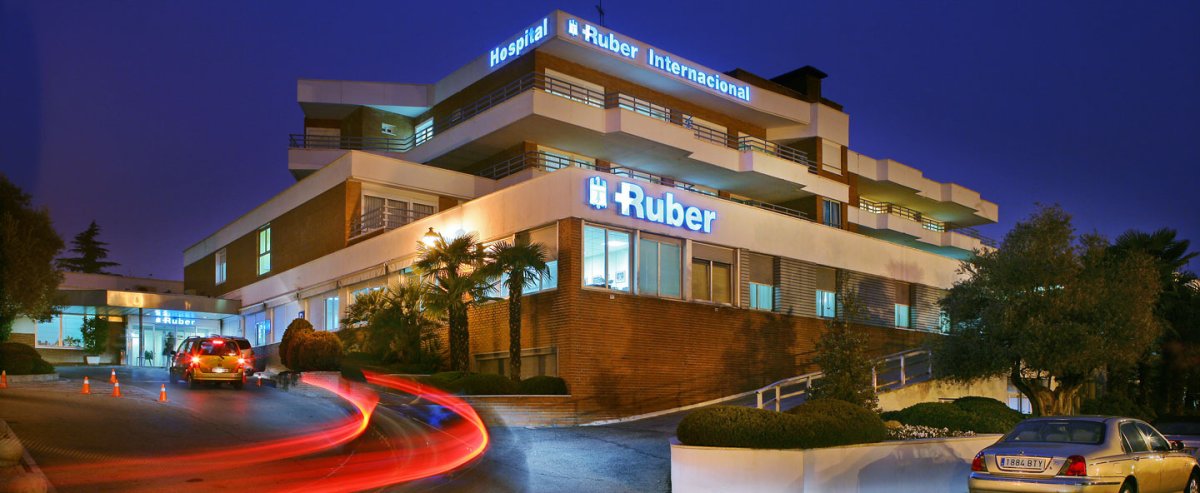
رؤية خبير Bookimed: تتفوق عيادات الأسنان الإسبانية من خلال دمج سرعة التشخيص مع الراحة. تستخدم المراكز الرائدة مثل مستشفى روبر الدولي (Hospital Ruber Internacional) معايير معتمدة من اللجنة الدولية المشتركة (JCI) لتقليل المخاطر الإجرائية. تعد الطبعات الرقمية ثلاثية الأبعاد ميزة كبيرة هنا، فهي تحل محل القوالب الفيزيائية غير المريحة، مما يقلل من وقت جلوسك على الكرسي ويمنع إجهاد الفك.
إجماع المرضى: أفاد المرضى أن ألم الإجراء لا يكاد يذكر بفضل التخدير الفعال. وجد الكثيرون أن استخدام الكمادات الباردة كان فعالاً في إدارة التورم الطفيف بعد العملية دون الحاجة إلى أدوية قوية.
هل يمكن أن يصاب جسر الزركونيوم بالتسوس؟
مادة الزركونيوم لا يمكن أن تتسوس، لكن الأسنان الطبيعية التي تدعم الجسر تظل عرضة للتسوس. تراكم البلاك عند الحواف غالباً ما يسبب تسوساً في بنية السن الأساسية. الحفاظ على نظافة الفم الممتازة أمر حيوي لحماية الأسنان الداعمة وضمان طول عمر التركيبة.
- موقع التسوس: عادة ما تستهدف البكتيريا الحافة التي يلتقي فيها الجسر بخط اللثة الطبيعي.
- العوامل المساهمة: سوء النظافة يسمح لبقايا الطعام والبلاك بالتراكم تحت إطار الجسر.
- تحديات الكشف: يمكن لمادة الزركونيوم عالية الكثافة أحياناً أن تخفي التسوس في مراحله المبكرة في صور الأشعة السينية التقليدية.
- أدوات الوقاية: استخدم أجهزة تنظيف الأسنان بالماء وخيوط تنظيف الجسور لتنظيف المساحة الضيقة تحت الترميمات.
رؤية خبير Bookimed: تستخدم العيادات الإسبانية مثل Raices ماسحات ضوئية داخل الفم ثلاثية الأبعاد لضمان ملاءمة حواف مثالية. الإغلاق الدقيق يقلل من الفجوة الصغيرة التي غالباً ما تختبئ فيها البكتيريا. يعالج الدكتور علاء غزلان 1000 مريض سنوياً باستخدام هذا النهج الرقمي لمنع التسوس في المستقبل. الاستثمار في الطبعات الرقمية عالية الدقة يقلل بشكل كبير من خطر فشل الجسر مقارنة بالقوالب التقليدية.
إجماع المرضى: يشعر العديد من المرضى بالقلق من أن التسوس يظل مخفياً حتى يسقط الجسر فعلياً. ويؤكدون أن أي تغيير في الملاءمة أو حساسية جديدة تتطلب فحصاً فورياً للأسنان.
كم ستدوم جسور الزركونيوم الخاصة بي؟
عادةً ما تدوم جسور الأسنان المصنوعة من الزركونيوم من 15 إلى 20 عاماً، وهي تتفوق بشكل كبير على البدائل التقليدية المصنوعة من البورسلين المدمج بالمعدن (PFM). مع العناية الممتازة بالنظافة والمتابعة المهنية، يمكن لجسور الزركونيوم المدعومة بالغرسات في إسبانيا أن تعمل بفعالية لمدة 30 عاماً أو حتى مدى الحياة بفضل توافقها الحيوي الاستثنائي ومقاومتها للكسر.
- متانة المادة: يقاوم الزركونيوم المتجانس الفشل الهيكلي بشكل أفضل من السيراميك الطبقي القياسي.
- صحة الأساس: تعتمد طول العمر بشكل أساسي على منع التسوس تحت حواف الجسر من خلال استخدام خيط الأسنان.
- التوافق الحيوي: يعزز الزركونيوم استجابة أنسجة اللثة بشكل أكثر صحة مقارنة بمواد الترميم القائمة على المعدن.
- الحماية الميكانيكية: استخدام واقيات الليل لعلاج صرير الأسنان يمنع التآكل المفرط للأسنان الطبيعية المقابلة.
رأي خبير Bookimed: تظهر البيانات أن اختيار الزركونيوم المتجانس بدلاً من الخيارات الطبقية في عيادات مثل Clinica Dental Raices يقلل من مخاطر التقطم. على الرغم من أن الزركونيوم قوي للغاية، إلا أن افتقاره للمرونة يعني أن الجسور الطويلة (4 وحدات أو أكثر) تتطلب موصلات أكثر سمكاً. يجب على المرضى التأكد من أن مختبرهم يستخدم ماسحات ضوئية رقمية ثلاثية الأبعاد لضمان دقة حواف الجسر، حيث أن وجود فجوة بحجم ميكرون يمكن أن يؤدي إلى تسوس كامن.
إجماع المرضى: يؤكد العديد من المرضى أن استخدام جهاز تنظيف الأسنان بالماء (Water-pik) بانتظام هو السر الحقيقي لطول عمر الجسر. يشير معظمهم إلى أن ماد