جسر بورسلين في إسبانيا — احصل على 3 عيادات مطابقة مع التكاليف


تمت مراجعة المقالة طبيا من قبل
فهد مولود
ما هي تكلفة جسر بورسلين في إسبانيا؟ اكتشف الآن
من $940. قد تختلف الأسعار حسب عدد الوحدات، العيادة السنية، وخبرة طبيب الأسنان.
عادةً ما تشمل العيادات الإسبانية الاستشارة الأولية، التقييم قبل العملية، الأشعة السينية أو المسح الرقمي، خطة علاج مخصصة، التركيبات المؤقتة، التخدير الموضعي، الأدوية بعد العملية، زيارات المتابعة، ودعم باللغة الإنجليزية على مدار الساعة. في ألمانيا، غالبًا ما يغطي السعر الأساسي الجسر فقط، مع رسوم إضافية للتشخيص، التخدير، والرعاية اللاحقة. يجب دائمًا التأكد من الخدمات المشمولة في العيادة المختارة.
| إسبانيا | تركيا | تايلاند | |
|---|---|---|---|
| جسر بورسلين | من $940 | من $500 | من $400 |
مزاياك وضماناتك مع Bookimed
أسعار مباشرة
Bookimed لا يضيف رسوماً إضافية على أسعار جسر بورسلين. الأسعار مأخوذة من قوائم الأسعار الرسمية للعيادات. تدفع مباشرة في العيادة مقابل جسر بورسلين عند وصولك.
عيادات وأطباء معتمدون فقط
Bookimed ملتزم بسلامتك. نحن نعمل فقط مع المؤسسات الطبية التي تحافظ على معايير دولية عالية في جسر بورسلين ولديها التراخيص اللازمة لخدمة المرضى الدوليين في جميع أنحاء العالم.
مساعدة مجانية على مدار الساعة
Bookimed يقدم مساعدة خبراء مجانية. منسق طبي شخصي يدعمك قبل وأثناء وبعد العلاج، ويحل أي مشاكل. لن تكون وحيداً أبداً في رحلة جسر بورسلين.

منسقك الطبي الشخصي في Bookimed
- يدعمك في كل مرحلة
- المساعدة في اختيار العيادة الطبية المناسبة والطبيب المناسب
- يضمن الوصول السريع والمريح إلى المعلومات



نظرة عامة على جسر بورسلين في إسبانيا
- تركيب جسر الأسنان - من $490
يستبدل هذا العلاج الأسنان المفقودة ، بما في ذلك تثبيت الأسنان الاصطناعية على الأسنان الطبيعية المجاورة ، وتحسين الابتسامة والقدرة على المضغ.
- جسر ماريلاند - من $560
يتضمن الإجراء تثبيت الأسنان الزائفة باستخدام أجنحة ملتصقة بالأسنان المجاورة ، مما يعزز جماليات الابتسامة.
- جسر الأسنان للأضراس - من $1,300
يستبدل هذا العلاج الأسنان الخلفية المفقودة ، باستخدام التيجان على الأسنان المجاورة للدعم ، وتحسين القدرة على المضغ.
- جسر الأسنان المعدني - من $1,300
يستبدل هذا العلاج الأسنان المفقودة بهيكل معدني قوي ، ويوفر المتانة والمتانة والمظهر الطبيعي.
- جسر بورسلين - من $940
تخلق العملية أسنانًا اصطناعية ذات مظهر طبيعي لتحل محل الأسنان المفقودة ، باستخدام مواد متينة لكنها تجميلية.
- جسر الأسنان الزركوني - من $1,800
يستبدل هذا العلاج الأسنان المفقودة باستخدام سيراميك قوي بلون الأسنان ، مما يعطي مظهرًا طبيعيًا مع وظيفة مضغ محسّنة.
- جسر ناتئ - من $1,900
يستبدل هذا العلاج الأسنان المفقودة باستخدام الأسنان المثبتة والأسنان الاصطناعية ، مما يوفر الحزم والمظهر الطبيعي.
- جسر ملصق بالراتنج - من $750
يستبدل هذا العلاج الأسنان المفقودة ، باستخدام سن اصطناعي موصول بالراتنج بالأسنان المجاورة ، ويتركها سليمة.
اليوم 1
- قم بالوصول إلى البلد واستقر في مكان إقامتك.
- قم بزيارة عيادة الأسنان للاستشارة الأولية.
- اخضع لفحص الأسنان والأشعة السينية.
- ناقش خطة العلاج مع طبيب الأسنان.
اليوم الثاني
- تنظيف الأسنان والتحضير للعملية.
- تؤخذ انطباعات أسنانك عن الجسر.
يوم 3
- تم تركيب جسر مؤقت لحماية أسنانك.
من اليوم الرابع إلى اليوم السابع
- التكيف مع الجسر المؤقت وممارسة نظافة الفم.
اليوم الثامن
- إزالة الجسر المؤقت.
- تركيب جسر البورسلين.
- تم إجراء تعديلات لضمان الملاءمة المثالية.
اليوم التاسع
- الفحص والتعديلات النهائية إذا لزم الأمر.
من الأسبوع الثاني إلى الأسبوع الرابع
- فترة التعديل على جسر البورسلين الجديد.
- التنظيف بالفرشاة والخيط بانتظام.
- العودة إلى عادات الأكل الطبيعية بشكل تدريجي.
الأسبوع الخامس
- العودة إلى العمل والأنشطة العادية.
- موعد المتابعة للفحص النهائي.
ملحوظة: قد تختلف تجربة كل مريض حسب الظروف الفردية وصحة الفم. يوصى بزيارات منتظمة لطبيب الأسنان للحفاظ على جسر البورسلين.
- إيداع Bookimed: 200 دولار أو 200 يورو.
- وديعة العيادة: ادفع نسبة محددة مقدمًا.
احصل على تقييم طبي لـ جسر بورسلين في إسبانيا: اختر أخصائيك من بين الأفضل في هذا المجال
عرض جميع الأطباء
Dr Alaa Ghuzlan
الدكتورة آلاء غزلان طبيبة أسنان بخبرة تزيد على عشر سنوات. عالجت آلاف المرضى في عدة بلدان. حاصلة على تخصص في زراعة الأسنان من جامعة برشلونة، وتواصل تدريبها لتقديم علاجات حديثة.
تستخدم عيادتها الأشعة ثنائية وثلاثية الأبعاد وماسح داخل الفم ثلاثي الأبعاد. تُحسّن هذه الأدوات تجربة المريض وتُسهّل سير العمل، كما تُسهم في تقديم الرعاية بسرعة أكبر.
قصص فيديو من مرضى Bookimed
المراجعات
جميع المراجعاتمشاركة المحتوى
 Anna Leonova
حقائق سريعة عن جسر بورسلين
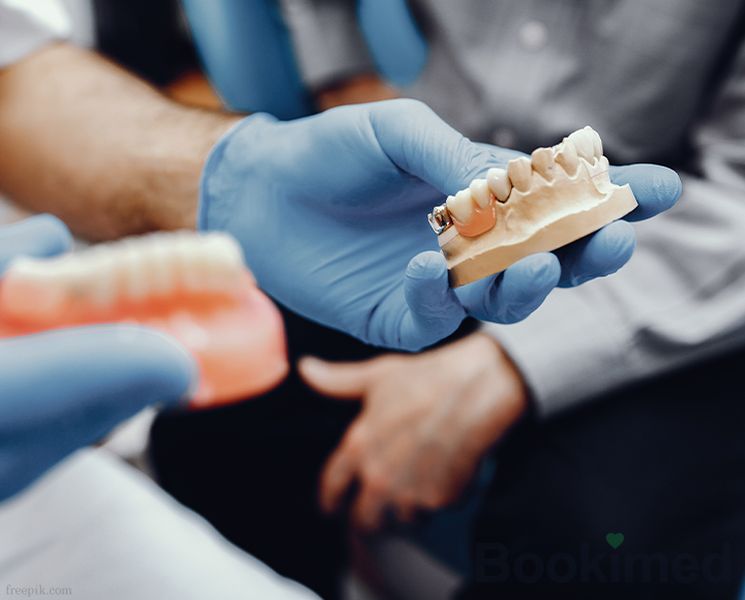
جسر البورسلين
جسر البورسلين هو ترميم أسنان يحل محل الأسنان المفقودة باستخدام تيجان بورسلين ملحقة بالأسنان المجاورة.
أسئلة متكررة حول جسر بورسلين في إسبانيا
كم من الوقت يدوم جسر الأسنان الخزفي؟
عادةً ما تدوم جسور الأسنان الخزفية من 5 إلى 15 عاماً، على الرغم من أن العديد من المرضى يحافظون عليها لأكثر من 20 عاماً مع العناية الدقيقة. يعتمد طول العمر على اختيار المادة، ودقة ملاءمة الحواف، والحفاظ على صحة الأسنان الطبيعية الداعمة من خلال النظافة المهنية.
- متانة المادة: تدوم الجسور التقليدية المصنوعة من الخزف المدمج بالمعدن (PFM) عادةً من 10 إلى 15 عاماً.
- تأثير النظافة: الاستخدام اليومي لأجهزة تنظيف الأسنان بالماء أو خيوط الأسنان يمنع التسوس عند حواف الجسر.
- المخاطر الهيكلية: صرير الأسنان أو قضم الأطعمة الصلبة يمكن أن يسبب كسوراً في الخزف أو فك الترابط.
- الدقة التشخيصية: يستخدم المتخصصون الإسبان ماسحات ضوئية داخل الفم ثلاثية الأبعاد لضمان ملاءمة مثالية للتركيبة.
رؤية خبير Bookimed: بينما يركز الكثيرون على الخزف، تشير البيانات إلى أن فشل الجسر ينبع عادةً من تسوس الأسنان الداعمة. يؤكد خبراء مثل الدكتور خوسيه ماتي في قرطاجنة على التركيبات المهندسة حيوياً وصحة العظام. اختيار عيادة مزودة بأشعة ثلاثية الأبعاد، مثل Clinica Dental Raices، يضمن ملاءمة دقيقة للحواف تمنع تسلل البكتيريا.
إجماع المرضى: يعتمد النجاح على أدوات التنظيف المتخصصة مثل الخيط الطبي (superfloss) للوصول إلى ما تحت الجسر. يجد معظم المرضى أن تجنب الأشياء الصلبة مثل التفاح الكامل يطيل عمر الجسر بشكل كبير.
ما هي الخطوات المتبعة في العلاج؟
يتضمن علاج الجسور الخزفية في إسبانيا تحضير الأسنان، وأخذ طبعات رقمية عبر ماسحات ضوئية داخل الفم، والتثبيت الدائم. يستخدم متخصصون مثل الدكتور علاء غزلان في عيادة Clinica Dental Raices ماسحات ضوئية ثلاثية الأبعاد لضمان الدقة. تستغرق العملية عادةً من أسبوع إلى 3 أسابيع لتصنيع وتركيب الترميم النهائي.
- تحضير الأسنان: إعادة تشكيل الأسنان المجاورة لدعم الجسر كقاعدة أساسية.
- المسح الرقمي: تلتقط الماسحات الضوئية ثلاثية الأبعاد هندسة الفم بدقة دون الحاجة إلى قوالب تقليدية مزعجة.
- تصنيع الجسر: تقوم المختبرات بإنشاء هيكل الخزف ليتناسب مع لون الأسنان الطبيعي وعضة المريض.
- التثبيت النهائي: يقوم الجراحون بتثبيت الجسر الدائم باستخدام لاصق طبي لضمان الاستقرار على المدى الطويل.
رؤية خبير Bookimed: تتميز عيادات الأسنان الإسبانية بتكاملها الأكاديمي وابتكاراتها. الدكتور خوسيه ماتي، وهو أستاذ أجرى 5000 إجراء، يحمل براءات اختراع للمواد الحيوية المستخدمة في إعادة تأهيل الفم. هذا المستوى العالي من التخصص في إسبانيا يؤدي غالبًا إلى جسور تتجاوز متوسط عمرها الافتراضي البالغ 15 عامًا.
إجماع المرضى: يؤكد المرضى أن التنظيف اليومي تحت الجسر باستخدام أجهزة تنظيف الأسنان بالماء (Waterpiks) أمر ضروري. يجد معظمهم أن الجدول الزمني من أسبوع إلى 3 أسابيع مناسب لتحقيق ابتسامة ذات مظهر طبيعي.
ما هي العناية المطلوبة بعد تركيب جسر الأسنان؟
تتطلب العناية بجسر الأسنان نظافة فموية دقيقة لحماية الأسنان الداعمة وضمان بقائه لأكثر من 10 سنوات. تشمل الخطوات الرئيسية التنظيف اليومي تحت الجزء المعلق باستخدام أدوات متخصصة، واستخدام الفلورايد بانتظام، وإجراء فحوصات الأسنان مرتين سنوياً لمراقبة سلامة الأسمنت ومنع التسوس.
- النظافة اليومية: نظف أسنانك مرتين يومياً واستخدم خيط الأسنان الخاص (Super Floss) أو الفرشاة ما بين الأسنان تحت الجسر.
- أدوات متخصصة: استخدم جهاز تنظيف الأسنان المائي (Waterpik) لإزالة البقايا من المناطق التي يصعب الوصول إليها.
- العادات الغذائية: تجنب قضم الأشياء الصلبة مثل الثلج أو المكسرات لمنع كسر البورسلين.
- المتابعة المهنية: قم بزيارة طبيب الأسنان مرتين سنوياً للتحقق من عدم وجود ارتخاء أو فشل في الأسمنت.
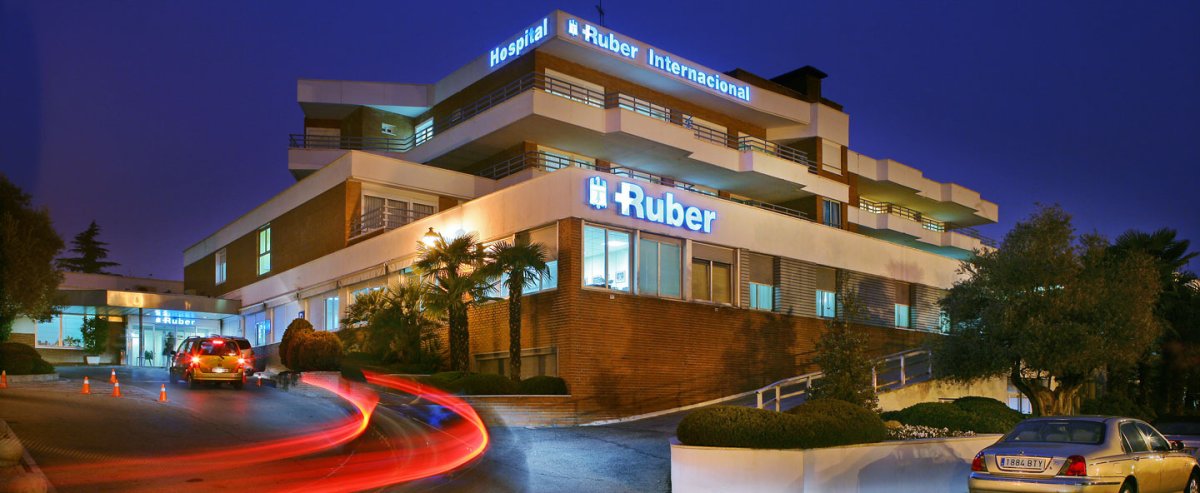
رؤية خبير Bookimed: بينما يركز الكثيرون فقط على السن الصناعي، فإن الحواف التي يلتقي فيها البورسلين باللثة الطبيعية هي مناطق الخطر الحقيقية. تؤكد العيادات الإسبانية المتقدمة، مثل مستشفى روبر الدولي (Hospital Ruber Internacional)، على تقنيات التنظيف بزاوية 45 درجة في هذه المنطقة. تساعد العناية المستمرة حول هذه الحواف في الحفاظ على الإغلاق المحكم ومنع التسوس الأساسي.
إجماع المرضى: توقع فترة تكيف تصل إلى 3 أسابيع حيث قد تشعر بوجود شيء غريب. ينصح المرضى باستخدام جهاز التنظيف المائي فوراً للتعامل مع الشعور الشائع بانحشار الطعام خلال هذه المرحلة الأولية.
ما الفرق بين جسور البورسلين الخالص وجسور الزركونيوم؟
توفر جسور البورسلين الخالص شفافية فائقة للأسنان الأمامية ولكنها أكثر هشاشة. توفر جسور الزركونيوم متانة فائقة ومقاومة للكسر، مما يجعلها مثالية للأسنان الخلفية. تستخدم معظم العيادات الإسبانية الآن الزركونيوم متعدد الطبقات للجمع بين الجماليات الطبيعية والقوة الهيكلية التي لا تنكسر تقريبًا.
- قوة المادة: يدعم الزركونيوم 1200 ميجا باسكال مقارنة بـ 500 ميجا باسكال للسيراميك الزجاجي القياسي.
- الجودة الجمالية: يحاكي البورسلين الخالص المينا بشكل مثالي، لكن الزركونيوم يوفر تعتيمًا أفضل لتغطية الأجزاء الداكنة.
- استراتيجية التركيب: يناسب البورسلين القواطع الأمامية بينما يعد الزركونيوم ضروريًا لمناطق الأضراس ذات الضغط العالي.
- توقعات العمر الافتراضي: تدوم جسور الزركونيوم عادةً من 15 إلى 20 عامًا، بينما قد تتطلب جسور البورسلين استبدالًا في وقت أقرب.
رؤية خبير Bookimed: يستخدم المتخصصون الإسبان مثل الدكتور خوسيه ماتي ماسحات ضوئية رقمية ثلاثية الأبعاد لضمان دقة الجسر. هذه التكنولوجيا حيوية لأن جسور الزركونيوم تعتمد بشكل كبير على سمك الموصل لضمان طول العمر. اختيار عيادة تمتلك تقنية الأشعة ثلاثية الأبعاد يقلل بشكل كبير من خطر الكسور الهيكلية بمرور الوقت.
إجماع المرضى: يوصي المرضى بالتأكد مما إذا كان الجسر مصنوعًا من البورسلين المدمج بالمعدن أو السيراميك الكامل قبل الحجز. يفضل الكثيرون الزركونيوم متعدد الطبقات لقدرته على مطابقة لون الأسنان الطبيعي مع تحمل المضغ القوي.
كم يستغرق الحصول على جسر بورسلين في إسبانيا؟
عادةً ما يستغرق الحصول على جسر أسنان من البورسلين في إسبانيا من أسبوع إلى أسبوعين للنماذج التقليدية المدعومة بالأسنان. تغطي هذه الفترة الزمنية زيارتين سريريتين أساسيتين. تتضمن العملية تحضير الأسنان، والتصنيع في المختبر، والتركيب النهائي في المرافق المعتمدة من قبل JCI أو عيادات الأسنان المتخصصة في مدريد وتينيريفي.
- الزيارة الأولى: تحضير الأسنان الداعمة، وأخذ طبعات رقمية، ووضع جسر مؤقت.
- التصنيع في المختبر: يقوم الفنيون بصناعة جسر البورسلين الدائم، وعادة ما يتطلب ذلك من 7 إلى 10 أيام.
- التركيب النهائي: يقوم طبيب الأسنان بتركيب وتثبيت الطرف الاصطناعي الدائم خلال الزيارة الثانية.
- عامل الشفاء: إذا كانت عمليات الخلع ضرورية أولاً، أضف من 4 إلى 6 أسابيع لتعافي الأنسجة.
رؤية خبير Bookimed: تستخدم العيادات الإسبانية مثل Clinica Dental Raices بشكل متزايد ماسحات ضوئية ثلاثية الأبعاد داخل الفم للتخلص من القوالب المادية. غالبًا ما تسمح هذه التقنية بملاءمة أكثر دقة من المحاولة الأولى. يجب على المرضى التأكد مما إذا كانت العيادة تمتلك مختبرًا خاصًا بها لتقليل فترة الانتظار التي تبلغ 7 أيام.
إجماع المرضى: يجد العديد من المرضى أن الإقامة لمدة أسبوعين يمكن إدارتها عند دمجها مع عطلة. يجب على أولئك الذين يحتاجون إلى جسور مدعومة بالزرعات الاستعداد لرحلة متعددة المراحل أطول بكثير تتراوح من 6 إلى 12 شهرًا.
ما هي أنواع الجسور الخزفية التي يمكنني الحصول عليها في إسبانيا؟
يمكن للمرضى في إسبانيا الحصول على الجسور الخزفية التقليدية، والزركونيوم، وجسور ماريلاند، والجسور المدعومة بالزرعات. توفر هذه الترميمات عالية الجودة غالبًا تطابقًا لونيًا بنسبة 95% مع الأسنان الطبيعية. تستخدم معظم العيادات الخاصة في مدريد وبرشلونة وتينيريفي تقنية CAD/CAM المتقدمة للحصول على تركيبات دقيقة ونتائج سريعة خلال 3 إلى 5 أيام.
- الجسر التقليدي: تيجان مثبتة على الأسنان الطبيعية لتثبيت سن صناعي.
- جسر الزركونيوم: سيراميك قوي ومتوافق حيويًا ومثالي لترميم الأسنان الخلفية والأمامية.
- جسر ماريلاند: أجنحة خزفية مرتبطة بالراتنج تُثبت على الأسنان المجاورة مع الحد الأدنى من الحفر.
- الجسر المدعوم بالزرعات: حل متين لتعويض فقدان عدة أسنان باستخدام مثبتات التيتانيوم.
رؤية خبير Bookimed: على الرغم من شعبية الخزف التقليدي، أصبح الزركونيوم المعيار المتزايد في إسبانيا لمناطق الأضراس ذات الضغط العالي. يستخدم الدكتور علاء غزلان في عيادة Clinica Dental Raices ماسحات ضوئية ثلاثية الأبعاد داخل الفم لضمان ملاءمة هذه الجسور بشكل مثالي. غالبًا ما يلغي هذا النهج الرقمي الحديث الحاجة إلى الطبعات اليدوية غير المريحة.
إجماع المرضى: يجب إجراء العلاج من خلال العيادات الخاصة لأن الضمان الاجتماعي لا يغطي الجسور. يوصي المرضى بالتحقق مما إذا كانت عروض الأسعار تشمل الأعمال الأولية الضرورية مثل علاج قنوات الجذر.