عيادة الأسنان Clínica Dental Raíces
إسبانيا, تنريفي


تمت مراجعة المقالة طبيا من قبل
فهد مولود
من $1,300. تختلف الأسعار حسب العيادة، خبرة طبيب الأسنان، عدد الأسنان المفقودة، ونوع المادة المستخدمة (بورسلين مع معدن، سيراميك كامل، أو زركونيا).
عادةً ما تشمل العيادات الإسبانية الاستشارة الأولية، الأشعة السينية الرقمية أو التصوير ثلاثي الأبعاد، تحضير الأسنان، أخذ الانطباعات، الجسر المخصص، التركيب، والتعديلات اللاحقة. في ألمانيا، غالبًا ما يغطي السعر الجسر فقط، مع رسوم منفصلة للتشخيص، التخدير، والرعاية اللاحقة. يجب دائمًا التأكد من تفاصيل ما يشمله السعر مع العيادة المختارة.
| إسبانيا | تركيا | تايلاند | |
|---|---|---|---|
| جسر الأسنان للأضراس | من $1,300 | من $410 | من $350 |
يستبدل هذا العلاج الأسنان المفقودة ، بما في ذلك تثبيت الأسنان الاصطناعية على الأسنان الطبيعية المجاورة ، وتحسين الابتسامة والقدرة على المضغ.
يتضمن الإجراء تثبيت الأسنان الزائفة باستخدام أجنحة ملتصقة بالأسنان المجاورة ، مما يعزز جماليات الابتسامة.
يستبدل هذا العلاج الأسنان الخلفية المفقودة ، باستخدام التيجان على الأسنان المجاورة للدعم ، وتحسين القدرة على المضغ.
يستبدل هذا العلاج الأسنان المفقودة بهيكل معدني قوي ، ويوفر المتانة والمتانة والمظهر الطبيعي.
تخلق العملية أسنانًا اصطناعية ذات مظهر طبيعي لتحل محل الأسنان المفقودة ، باستخدام مواد متينة لكنها تجميلية.
يستبدل هذا العلاج الأسنان المفقودة باستخدام سيراميك قوي بلون الأسنان ، مما يعطي مظهرًا طبيعيًا مع وظيفة مضغ محسّنة.
يستبدل هذا العلاج الأسنان المفقودة باستخدام الأسنان المثبتة والأسنان الاصطناعية ، مما يوفر الحزم والمظهر الطبيعي.
يستبدل هذا العلاج الأسنان المفقودة ، باستخدام سن اصطناعي موصول بالراتنج بالأسنان المجاورة ، ويتركها سليمة.
اليوم 1
اليوم الثاني
يوم 3
الأسبوع 1
الأسبوع 2
الأسبوع الثالث
الأسبوع الرابع
يرجى ملاحظة أن هذا دليل عام وقد تختلف الحالات الفردية. استشر طبيب أسنانك دائمًا للحصول على نصائح شخصية.
 Anna Leonova
تشمل أعمال جسر الأسنان استبدال الأضراس المفقودة بأسنان صناعية مدعومة بأسنان مجاورة.
تعتبر الجسور التقليدية الخيار الأكثر موثوقية للضروس الخلفية المفقودة لأنها تتحمل قوى المضغ الشديدة. وهي تتطلب وجود أسنان سليمة على جانبي الفراغ لتثبيت التيجان. بالنسبة للضروس الأخيرة المفقودة، تعتبر الترميمات المدعومة بالزرعات هي الخيار القياسي لأنها توفر ثباتاً مستقلاً.
من $1,300. تظهر بياناتنا أن العيادات المتخصصة تفضل الزرعات للضروس الخلفية. يحمي هذا النهج الأسنان المجاورة من التصغير الهيكلي الدائم المطلوب للجسور.
إجماع المرضى: يجد العديد من المرضى أن جسور ماريلاند تفشل بسرعة على الضروس بسبب ضغط المضغ العالي. ويشير معظمهم إلى أن اختيار جسر تقليدي ثابت أو زرعة يوفر شعوراً طبيعياً أكثر بكثير عند الأكل.
إن وضع جسر أسنان تقليدي على أسنان مجاورة ضعيفة غير مستحسن طبياً بسبب المخاطر العالية لكسر الأسنان أو فشل الترميم. تتطلب الجسور الناجحة أسنان دعم صحية ومستقرة لتحمل قوى المضغ وعملية البرد الضرورية. تشمل الخيارات البديلة زراعة الأسنان أو أطقم الأسنان الجزئية.
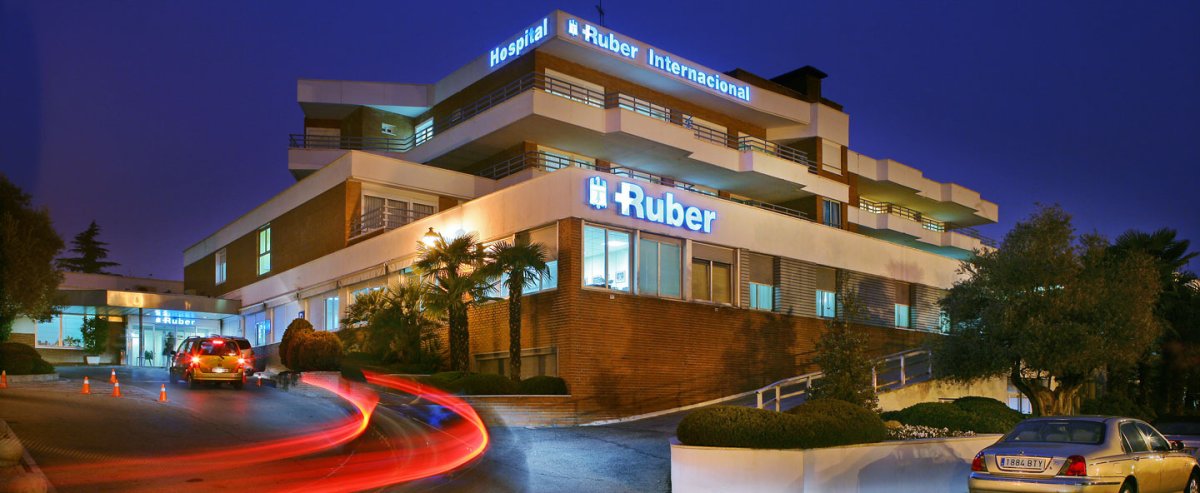
رؤية خبير Bookimed: غالباً ما ترتبط الجودة بالتخصص في إسبانيا. بالنسبة للحالات المعقدة التي تنطوي على أسنان ضعيفة، توفر المراكز متعددة التخصصات مثل مستشفى روبير الدولي (Hospital Ruber Internacional) في مدريد سلامة معتمدة من اللجنة الدولية المشتركة (JCI). من $1,300.
إجماع المرضى: يلاحظ المرضى غالباً أن اختيار الجسر بدلاً من الغرسات لتوفير المال يؤدي غالباً إلى تكاليف أعلى على المدى الطويل. يندم الكثيرون على برد الأسنان المجاورة التي كانت سليمة بخلاف ذلك.
عادةً ما يستبدل جسر الأسنان من 1 إلى 3 أسنان مفقودة متتالية في منطقة الأضراس. على الرغم من أن استبدال 4 أسنان ممكن، إلا أنه يتطلب أسنان دعامة قوية للغاية لتحمل قوى المضغ العالية. تستخدم معظم العيادات الإسبانية جسوراً ثابتة قياسية مكونة من 3 وحدات لضمان المتانة المثلى.
رؤية خبير Bookimed: تظهر البيانات تفضيلًا واضحًا للمرافق المعتمدة من JCI مثل مستشفى روبير الدولي (Hospital Ruber Internacional) للترميمات المعقدة. بينما تقدم عيادات تينيريفي مثل Clinica Dental Raices رعاية مخصصة لـ 1000 مريض سنوياً، تمتلك مستشفيات مدريد الكبيرة الروبوتات المتقدمة اللازمة لتركيب الجسور ذات الامتداد الطويل بدقة عالية.
إجماع المرضى: يعبر العديد من المرضى عن قلقهم من أن برد الأسنان السليمة من أجل الجسر يخلق مشاكل جديدة. وغالباً ما يفضلون الزرعات للحفاظ على الصحة على المدى الطويل إذا كانت هناك عدة أضراس مفقودة على التوالي.
يعتبر الزركونيوم الصلب المادة الأولى لجسور الأضراس قصيرة المدى نظرًا لمقاومته الاستثنائية للكسر وجمالياته الطبيعية. بالنسبة للجسور طويلة المدى المكونة من 4 وحدات أو أكثر، يظل البورسلين المدمج بالمعدن هو المعيار السريري في إسبانيا لمنع الكسر الهيكلي تحت ضغط المضغ الشديد.
رؤية خبير Bookimed: تظهر البيانات السريرية من إسبانيا تمييزًا واضحًا بين الجسور القصيرة والطويلة. في حين أن الزركونيوم شائع للجماليات، فإن المرافق الرائدة مثل مستشفى روبر الدولي (Hospital Ruber Internacional) تعطي الأولوية للبورسلين المدمج بالمعدن للجسور متعددة الوحدات. يوفر الهيكل المعدني مرونة حيوية يفتقر إليها الزركونيوم الصلب لعمليات الترميم الأكبر.
إجماع المرضى: غالبًا ما يختار المرضى البورسلين المدمج بالمعدن للأسنان الخلفية لضمان الاستقرار على المدى الطويل ومنع كسر الوصلات تحت الضغط.
تدوم جسور الأسنان في المتوسط ما بين 5 إلى 15 عاماً. يمكن للترميمات عالية الجودة في إسبانيا أن تتجاوز 15 عاماً مع العناية المناسبة. وعلى الرغم من متانتها، فإن الجسور تتطلب في النهاية استبدالاً بسبب التآكل أو التسوس في الأسنان الداعمة بدلاً من فشل المادة نفسها.
رؤية خبير Bookimed: يعطي المرضى الأولوية لإسبانيا في علاج الأسنان لأن المراكز الرائدة مثل مستشفى روبر الدولي (Hospital Ruber Internacional) حاصلة على اعتماد اللجنة الدولية المشتركة (JCI). تظهر بياناتنا أن اختيار مستشفى معتمد من JCI يضمن معايير صارمة للتعقيم والمواد. هذه العوامل تمنع بشكل مباشر الالتهابات الثانوية التي غالباً ما تسبب فشل الجسر خلال السنوات الخمس الأولى.
إجماع المرضى: يؤكد العديد من المرضى أن صور الأشعة السينية السنوية (bitewing) ضرورية للكشف المبكر عن التسوس. ويوصون باستخدام أجهزة تنظيف الأسنان بالماء بدلاً من الخيط التقليدي لتنظيف المناطق التي يصعب الوصول إليها تحت جسر الأضراس.
تتضمن إجراءات جسر الأسنان في إسبانيا استبدال الأسنان المفقودة عن طريق تثبيت سن اصطناعي على الأسنان السليمة المجاورة. تتطلب العملية عادةً موعدين على مدار عدة أسابيع لتحضير الأسنان الداعمة، وأخذ طبعات دقيقة، وتثبيت الترميم النهائي بشكل دائم.
رؤية خبير Bookimed: بينما تتخصص العيادات البوتيكية مثل Clinica Dental Raices في الجماليات، تقدم المراكز الكبيرة المعتمدة من JCI مثل Hospital Ruber Internacional رعاية متكاملة للحالات المعقدة. تظهر البيانات أن المرضى غالباً ما يختارون الجسور عندما تكون الأسنان المجاورة بحاجة بالفعل إلى تيجان. هذا يعظم القيمة من خلال معالجة احتياجات ترميم متعددة في جدول زمني من زيارتين فقط.
إجماع المرضى: يقدر الكثيرون النتائج الفورية والطبيعة غير الجراحية مقارنة بالزراعة. ومع ذلك، فإن الحفاظ على صحة الفم باستخدام خيط الأسنان الخاص أمر حيوي لحماية الأسنان الداعمة من التسوس.
تتطلب العناية المناسبة بجسر الأسنان الطاحنة صيانة يومية لمنع تراكم البلاك تحت الجزء المعلق (البونتيك) وتسوس الأسنان الداعمة. استخدم فرشاة ذات شعيرات ناعمة مع معجون أسنان يحتوي على الفلورايد إلى جانب أدوات متخصصة مثل خيط الأسنان المخصص للجسور (Super Floss) أو خيوط التنظيف مرتين يومياً لتنظيف الفراغات التي لا يمكن لخيط الأسنان العادي الوصول إليها.
رؤية خبير Bookimed: يمكن للجسر الذي يتم الاعتناء به جيداً أن يدوم لأكثر من 15 عاماً. تخدم عيادات مثل Clinica Dental Raices في تينيريفي 1000 مريض سنوياً. ويؤكدون أنه على الرغم من فائدة أجهزة تنظيف الأسنان بالماء، إلا أنها لا ينبغي أبداً أن تحل محل التنظيف اليدوي بالخيط. التنظيف اليدوي المستمر تحت الجسر هو ما يحدد نجاحه على المدى الطويل.
إجماع المرضى: يؤكد المرضى أن خيط الأسنان العادي وحده غير كافٍ لجسور الأسنان الطاحنة. يوصي الكثيرون بالاستثمار في واقي لي