عيادة الأسنان Clínica Dental Raíces
إسبانيا, تنريفي


تمت مراجعة المقالة طبيا من قبل
فهد مولود
من $560. تختلف الأسعار حسب العيادة السنية، خبرة طبيب الأسنان، عدد الأسنان المفقودة، والمواد المستخدمة في الجسر (الخزف أو البورسلين المدمج مع المعدن).
عادةً ما تشمل العيادات الإسبانية الاستشارة الأولية، الفحص السني قبل العملية، الأشعة أو الصور، خطة علاج مخصصة، التخدير الموضعي، تصنيع الجسر، إجراء التركيب، تعليمات العناية بعد العملية، زيارات المتابعة، ودعم باللغة الإنجليزية. في ألمانيا، يشمل السعر الأساسي غالبًا الجسر والتركيب فقط، مع رسوم إضافية للتشخيص، التخدير، والمتابعة. يجب دائمًا التأكد مما هو مشمول في كل عيادة.
| إسبانيا | تركيا | تايلاند | |
|---|---|---|---|
| جسر ماريلاند | من $560 | من $200 | من $660 |
Bookimed لا يضيف رسوماً إضافية على أسعار جسر ماريلاند. الأسعار مأخوذة من قوائم الأسعار الرسمية للعيادات. تدفع مباشرة في العيادة مقابل جسر ماريلاند عند وصولك.
Bookimed ملتزم بسلامتك. نحن نعمل فقط مع المؤسسات الطبية التي تحافظ على معايير دولية عالية في جسر ماريلاند ولديها التراخيص اللازمة لخدمة المرضى الدوليين في جميع أنحاء العالم.
Bookimed يقدم مساعدة خبراء مجانية. منسق طبي شخصي يدعمك قبل وأثناء وبعد العلاج، ويحل أي مشاكل. لن تكون وحيداً أبداً في رحلة جسر ماريلاند.

يستبدل هذا العلاج الأسنان المفقودة ، بما في ذلك تثبيت الأسنان الاصطناعية على الأسنان الطبيعية المجاورة ، وتحسين الابتسامة والقدرة على المضغ.
يتضمن الإجراء تثبيت الأسنان الزائفة باستخدام أجنحة ملتصقة بالأسنان المجاورة ، مما يعزز جماليات الابتسامة.
يستبدل هذا العلاج الأسنان الخلفية المفقودة ، باستخدام التيجان على الأسنان المجاورة للدعم ، وتحسين القدرة على المضغ.
يستبدل هذا العلاج الأسنان المفقودة بهيكل معدني قوي ، ويوفر المتانة والمتانة والمظهر الطبيعي.
تخلق العملية أسنانًا اصطناعية ذات مظهر طبيعي لتحل محل الأسنان المفقودة ، باستخدام مواد متينة لكنها تجميلية.
يستبدل هذا العلاج الأسنان المفقودة باستخدام سيراميك قوي بلون الأسنان ، مما يعطي مظهرًا طبيعيًا مع وظيفة مضغ محسّنة.
يستبدل هذا العلاج الأسنان المفقودة باستخدام الأسنان المثبتة والأسنان الاصطناعية ، مما يوفر الحزم والمظهر الطبيعي.
يستبدل هذا العلاج الأسنان المفقودة ، باستخدام سن اصطناعي موصول بالراتنج بالأسنان المجاورة ، ويتركها سليمة.
اليوم الأول - الوصول
اليوم 2 - ما قبل العملية
اليوم الثالث - تركيب جسر ميريلاند
اليوم 4 - بعد العملية
الأسبوع الأول - إعادة التأهيل
الأسبوع 2
الأسبوع الثالث
الأسبوع الرابع
يرجى ملاحظة أن تجربة كل مريض والجدول الزمني للتعافي قد يختلف. يقدم هذا الدليل فكرة عامة عما يمكن توقعه.
الدكتورة آلاء غزلان طبيبة أسنان بخبرة تزيد على عشر سنوات. عالجت آلاف المرضى في عدة بلدان. حاصلة على تخصص في زراعة الأسنان من جامعة برشلونة، وتواصل تدريبها لتقديم علاجات حديثة.
تستخدم عيادتها الأشعة ثنائية وثلاثية الأبعاد وماسح داخل الفم ثلاثي الأبعاد. تُحسّن هذه الأدوات تجربة المريض وتُسهّل سير العمل، كما تُسهم في تقديم الرعاية بسرعة أكبر.
 Anna Leonova
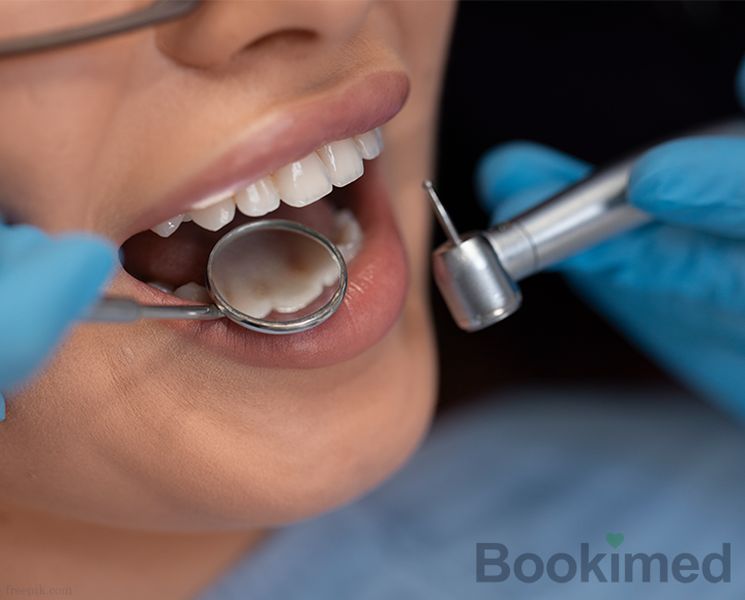
تشمل هذه العملية وضع جهاز تعويضي للأسنان يحل محل الأسنان المفقودة باستخدام إطار معدني ملتصق بظهر الأسنان المجاورة.
يعد تركيب جسر ماريلاند إجراءً محافظاً للغاية ولكنه يحمل مخاطر فك الالتصاق في 21% من الحالات خلال 5 سنوات. تشمل المضاعفات المحتملة تغير لون الأسنان بسبب المعدن، وتسوس موضعي عند حواف الأجنحة، ومعدل بقاء لمدة 10 سنوات يبلغ حوالي 77% مقارنة بالجسور التقليدية.
رؤية خبير Bookimed: تشير البيانات إلى تحول في إسبانيا نحو تصميمات الجناح الواحد في العيادات المتخصصة مثل Clinica Dental Raices. في حين كانت الجسور ذات الجناحين التقليدية شائعة، غالباً ما تقلل هياكل الجناح الواحد من الإجهاد الميكانيكي وتحسن نجاح الالتصاق على المدى الطويل. يجب على المرضى إعطاء الأولوية للعيادات التي تستخدم الماسحات الضوئية داخل الفم ثلاثية الأبعاد لضمان الملاءمة الدقيقة اللازمة لمنع فك الالتصاق المبكر.
إجماع المرضى: يؤكد العديد من المرضى أنه على الرغم من أن الإجراء غير مؤلم، إلا أن إدارة البلاك تمثل تحدياً يومياً. يعد استخدام خيط الأسنان أو جهاز تنظيف الأسنان المائي (Waterpik) ضرورياً لمنع التسوس تحت الأجنحة المعدنية.
توفر جسور ماريلاند معدلات نجاح عالية لاستبدال الأسنان الأمامية المفردة، حيث تصل معدلات البقاء على قيد الحياة لمدة 5 سنوات إلى 93%. وتظهر الأبحاث طويلة المدى معدل بقاء بنسبة 77% بعد 10 سنوات. تُعد هذه الأطراف الاصطناعية المرتبطة بالراتنج بديلاً محافظاً وغير مدمر للجسور التقليدية أو الغرسات، خاصة للمرضى الأصغر سناً أو كعناية سنية انتقالية.
رؤية خبير Bookimed: تشير البيانات السريرية إلى أن النجاح يعتمد بشكل كبير على التحكم المحدد في الإطباق. إن اختيار عيادات مثل Clinica Dental Raices التي تستخدم ماسحات ضوئية داخل الفم ثلاثية الأبعاد يضمن دقة أعلى في بروتوكول الربط. هذه الدقة التقنية تقلل من الإجهاد الجانبي، وهو السبب الرئيسي لفشل الجسر بمرور الوقت.
إجماع المرضى: يقدر المرضى كيف تحافظ هذه الإجراءات على بنية أسنانهم الطبيعية دون حفر جراحي. يرى معظمهم أنها حل موثوق وطويل الأمد طالما أنهم يرتدون واقياً ليلياً لحماية الرابط.
يتطلب جسر ميريلاند الحد الأدنى من تصغير الأسنان أو لا يتطلب أي تصغير على الإطلاق، حيث يتم إزالة حوالي 10% فقط من بنية السن. على عكس الجسور التقليدية التي تتطلب حفرًا مكثفًا للتيجان، تستخدم جسور ميريلاند أجنحة مربوطة بالراتنج يتم تثبيتها مباشرة على الأسطح الخلفية للأسنان الطبيعية.
رؤية خبير Bookimed: تعد إسبانيا مركزًا ممتازًا لهذه الإجراءات المحافظة لأن العيادات مثل Clinica Dental Raices في تينيريفي تستخدم ماسحات ضوئية ثلاثية الأبعاد داخل الفم. تسمح هذه التقنية للدكتور علاء غزلان بإنشاء طبعات رقمية دقيقة للغاية. تضمن هذه الطبعات ترابط أجنحة الجسر بشكل مثالي مع تحضير شبه معدوم للأسنان.
إجماع المرضى: يعطي المرضى الأولوية لهذا الخيار عندما يرغبون في تجنب إتلاف الأسنان السليمة. إنهم يقدرون أن العملية أقل توغلاً بكثير من الحصول على جسر تقليدي مدعوم بالتيجان.
يُمنع استخدام جسر ماريلاند للمرضى الذين يعانون من عدم كفاية مينا الأسنان، أو صرير الأسنان، أو العضة العميقة. تتطلب هذه الترميمات الملتصقة بالراتنج مينا صحية كافية للترابط ولا يمكنها تحمل قوى الإطباق الثقيلة أو مناطق الضغط العالي، مثل استبدال ناب الفك العلوي.
رؤية خبير Bookimed: على الرغم من أن التصميمات ذات الجناحين تبدو أكثر أماناً، تشير البيانات إلى أن جسور الكابولي ذات المثبت الواحد غالباً ما يكون أداؤها أفضل. في عيادات مثل Clinica Dental Raices، يستخدم المتخصصون ماسحات ضوئية ثلاثية الأبعاد لضمان ملاءمة دقيقة. هذا أمر حيوي لأن فك الالتصاق يحدث في 20% من الحالات خلال 5 سنوات.
إجماع المرضى: يجد العديد من المرضى هذه الجسور مفيدة كحلول مؤقتة ولكنهم يحذرون من خطر انفصالها العالي. غالباً ما يقترح المحترفون زراعة الأسنان للبالغين الذين يبحثون عن نتيجة أكثر ديمومة أو متانة.
عادةً ما يتطلب تركيب جسر ماريلاند في إسبانيا جلستين على مدار أسبوعين إلى 3 أسابيع، على الرغم من أن عملية التركيب نفسها تستغرق أقل من ساعة واحدة. يتضمن هذا الإجراء غير الجراحي ربط سن اصطناعي بالأسنان السليمة المجاورة، مما يتطلب حداً أدنى من تحضير الأسنان وغالباً ما يتم دون الحاجة إلى تخدير على الإطلاق.
رؤية خبير Bookimed: تُصنف إسبانيا ضمن أفضل 10 وجهات عالمية للعناية بالأسنان بفضل دمج التكنولوجيا المتقدمة. تستخدم العيادات الرائدة مثل Clinica Dental Raices في تينيريفي الأشعة ثلاثية الأبعاد والماسحات الضوئية الرقمية. هذه الدقة تقلل من خطر فك الجسر وتطيل عمره الافتراضي لأكثر من 5 سنوات.
إجماع المرضى: أفاد معظم المرضى بأن الإجراء غير مؤلم ويقدرون النتيجة الجمالية الفورية. ويؤكدون على ضرورة التحقق مما إذا كان الجسر جهازاً مؤقتاً يعتمد على الراتنج أم حلاً دائماً قبل البدء.
تستخدم جسور ماريلاند المعدن أو الزركونيا أو الكومبوزيت أو البورسلين لاستبدال الأسنان الأمامية المفقودة عن طريق الربط بالراتنج. يوفر المعدن أقوى رابطة ومتانة، بينما توفر الزركونيا وثنائي سيليكات الليثيوم جماليات فائقة. غالبًا ما يختار المرضى في إسبانيا بين هذه الخيارات لتحقيق التوازن بين طول العمر والمظهر الطبيعي.
رؤية خبير Bookimed: تستخدم عيادات مثل Clinica Dental Raices ماسحات ضوئية ثلاثية الأبعاد داخل الفم لضمان ملاءمة دقيقة للأجنحة. تشير البيانات إلى أن اختيار تصميم بجناح واحد بدلاً من جناحين يقلل بشكل كبير من مخاطر فك الربط. يمنع هذا النهج الضغط الناتج عن حركة الأسنان الطبيعية الذي يؤدي غالبًا إلى ارتخاء الجسور الأكبر.
إجماع المرضى: يقدر العديد من المرضى الطبيعة غير الجراحية لهذا الإجراء ولكنهم غالبًا ما يقلقون بشأن خطر فك الربط الأساسي بنسبة 20%. يعد استخدام واقي الإطباق توصية شائعة لحماية الجسر من قوى صرير الأسنان الليلية.
لاختيار مقدم خدمة مؤهل لتركيب جسر ماريلاند في إسبانيا، أعط الأولوية لأطباء الأسنان المسجلين في المجلس العام لأطباء الأسنان في إسبانيا (Consejo General de Dentistas de España). اختر العيادات في مراكز مثل مدريد أو تينيريفي التي تستخدم الماسحات الضوئية داخل الفم ثلاثية الأبعاد والأشعة الرقمية لضمان الربط الدقيق المطلوب للترميمات اللاصقة ذات التدخل الجراحي البسيط.
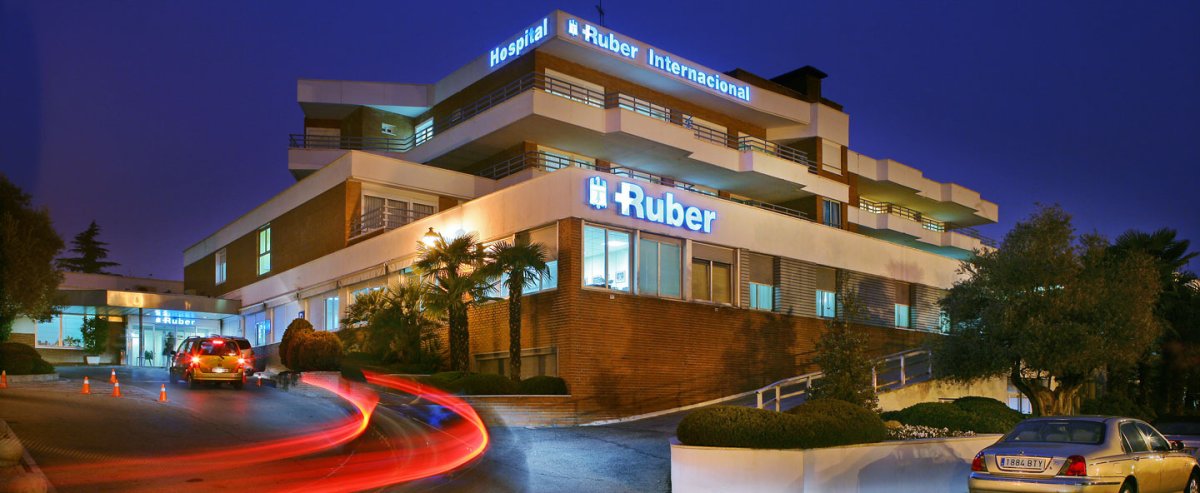
رؤية خبير Bookimed: بينما تضم المدن الكبرى مثل مدريد مستشفيات من الدرجة الأولى مثل Ruber Internacional، غالبًا ما تتخصص العيادات البوتيكية في تينيريفي في رعاية المرضى الدوليين. تدير هذه العيادات أعداداً كبيرة من المرضى من دول الشمال والمملكة المتحدة، مما يؤدي غالباً إلى تواصل أكثر سلاسة وأوقات استجابة تشخيصية أسرع لأعمال الترميم.
إجماع المرضى: يؤكد المرضى على ضرورة التأكد من أن العيادة توفر موظفين يتحدثون الإنجليزية. كما يوصون بتوثيق سياسات الضمان والمتابعة بوضوح قبل السفر لإجراء عملية الجسر اللاصق.