جسر بورسلين في تركيا — احصل على أفضل 3 عيادات مع التكاليف


تمت مراجعة المقالة طبيا من قبل
فهد مولود
كيف نعمل؟
ما هي تكلفة جسر بورسلين في تركيا؟ اكتشف الآن
من $500. يعتمد السعر النهائي على عدد الوحدات ونوع المادة وموقع العيادة. تشمل معظم العيادات التركية الاستشارة، والأشعة الرقمية، والتخدير الموضعي ضمن التكلفة الأساسية.
- اختيار المادة: تُعد تيجان البورسلين المدعمة بالمعدن الخيار الأوفر. ترتفع تكلفة خيارات الزيركون أو السيراميك الكامل بنسبة 40-60 %.
- نوع الجسر: تكلفة الجسور المدعومة بالزراعة أعلى بكثير من الجسور التقليدية. تتطلب هذه الجسور إجراء جراحة لتركيب دعامات التيتانيوم.
- التقنية المستخدمة: قد تزيد الأنظمة المتقدمة مثل CAD/CAM وتطبيقات CEREC من التكلفة. تساهم هذه التقنيات في تسريع عملية التصنيع.
- المراكز الإقليمية: تشمل المدن الرئيسية إسطنبول، وأنطاليا، وإزمير. غالباً ما تكون الأسعار في إسطنبول أعلى بنسبة 15-20 %.
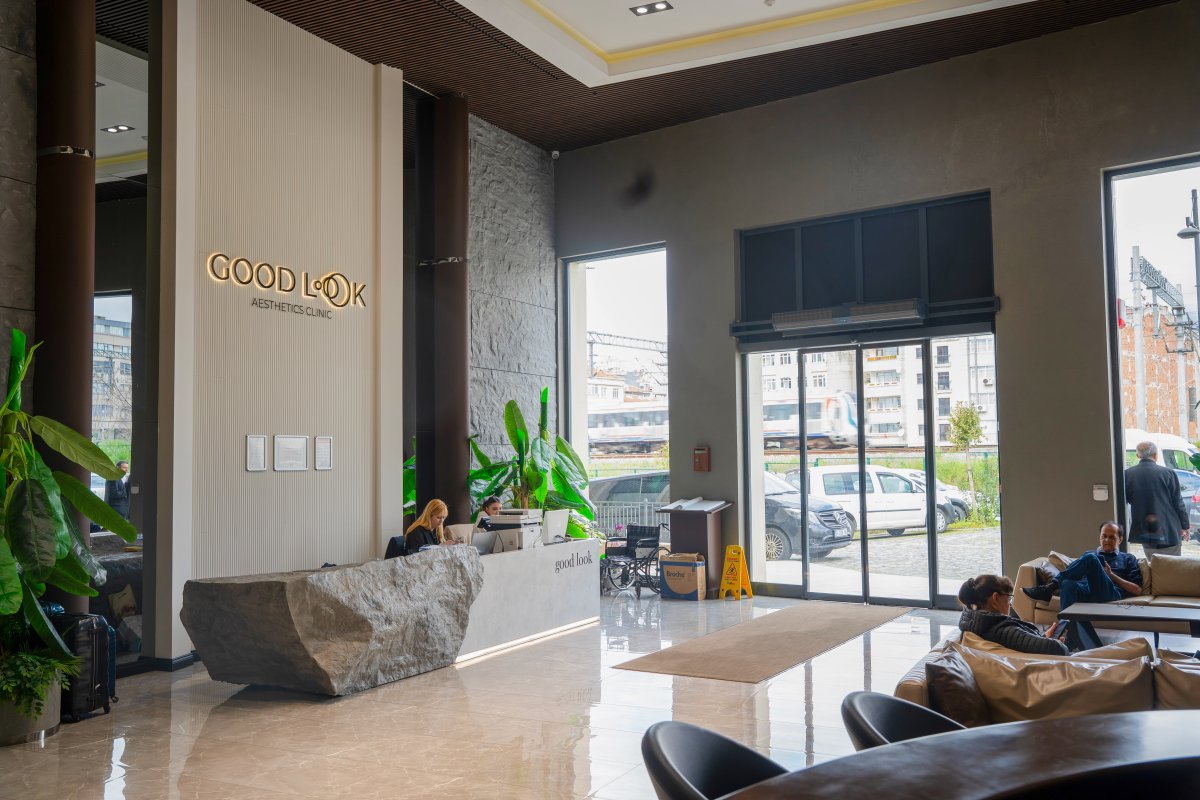
رأي خبراء Bookimed: اختيار عيادة تمتلك مختبراً خاصاً يُعد توجهاً ذكياً. يمكن لعيادة ييغ كلينيك في إسطنبول إتمام تصميم الابتسامة خلال 4 أيام. تقلل هذه الكفاءة من مدة الإقامة ونفقات السفر الإجمالية. تحقق مراكز كبرى مثل ويست دنت كلينيك في إزمير معدلات نجاح تصل إلى 99 %. تستفيد هذه المراكز من أعداد المرضى الكبيرة لتقديم أسعار تنافسية. يُنصح بالبحث عن عيادات مثل غود لوك كلينيك التي تمنح ضماناً لمدة 20 عاماً على أعمال الزيركون.
المزايا الرئيسية
- احصل على جسر بورسلين في تركيا بأقل بنسبة 60-80% مقارنةً بالمملكة العربية السعودية وألمانيا.
- خيارات الجسور المتاحة: E-max، Zirconia، وPFM (بورسلين مدمج مع معدن).
- مراجعة صور مجانية بواسطة طبيب مختص لتحديد أفضل خيار لجسر الأسنان.
- 100% ضمان حماية البيانات والسرية.
- عروض حصرية من عيادات تركية موثوقة من $500.
| تركيا | تايلاند | كوريا الجنوبية | |
|---|---|---|---|
| جسر بورسلين | من $500 | من $400 | ≈ $1,100 |
اكتشف أفضل جسر بورسلين العيادات في تركيا: 59 خيارات معتمدة والأسعار






Hair Clinic




نظرة عامة على جسر بورسلين في تركيا
- تركيب جسر الأسنان - من $350
يستبدل هذا العلاج الأسنان المفقودة ، بما في ذلك تثبيت الأسنان الاصطناعية على الأسنان الطبيعية المجاورة ، وتحسين الابتسامة والقدرة على المضغ.
- جسر ماريلاند - من $200
يتضمن الإجراء تثبيت الأسنان الزائفة باستخدام أجنحة ملتصقة بالأسنان المجاورة ، مما يعزز جماليات الابتسامة.
- جسر الأسنان للأضراس - من $410
يستبدل هذا العلاج الأسنان الخلفية المفقودة ، باستخدام التيجان على الأسنان المجاورة للدعم ، وتحسين القدرة على المضغ.
- جسر الأسنان المعدني - من $480
يستبدل هذا العلاج الأسنان المفقودة بهيكل معدني قوي ، ويوفر المتانة والمتانة والمظهر الطبيعي.
- جسر بورسلين - من $500
تخلق العملية أسنانًا اصطناعية ذات مظهر طبيعي لتحل محل الأسنان المفقودة ، باستخدام مواد متينة لكنها تجميلية.
- جسر الأسنان الزركوني - من $240
يستبدل هذا العلاج الأسنان المفقودة باستخدام سيراميك قوي بلون الأسنان ، مما يعطي مظهرًا طبيعيًا مع وظيفة مضغ محسّنة.
- جسر ناتئ - من $1,100
يستبدل هذا العلاج الأسنان المفقودة باستخدام الأسنان المثبتة والأسنان الاصطناعية ، مما يوفر الحزم والمظهر الطبيعي.
- جسر ملصق بالراتنج - من $280
يستبدل هذا العلاج الأسنان المفقودة ، باستخدام سن اصطناعي موصول بالراتنج بالأسنان المجاورة ، ويتركها سليمة.
اليوم 1
- قم بالوصول إلى البلد واستقر في مكان إقامتك.
- قم بزيارة عيادة الأسنان للاستشارة الأولية.
- اخضع لفحص الأسنان والأشعة السينية.
- ناقش خطة العلاج مع طبيب الأسنان.
اليوم الثاني
- تنظيف الأسنان والتحضير للعملية.
- تؤخذ انطباعات أسنانك عن الجسر.
يوم 3
- تم تركيب جسر مؤقت لحماية أسنانك.
من اليوم الرابع إلى اليوم السابع
- التكيف مع الجسر المؤقت وممارسة نظافة الفم.
اليوم الثامن
- إزالة الجسر المؤقت.
- تركيب جسر البورسلين.
- تم إجراء تعديلات لضمان الملاءمة المثالية.
اليوم التاسع
- الفحص والتعديلات النهائية إذا لزم الأمر.
من الأسبوع الثاني إلى الأسبوع الرابع
- فترة التعديل على جسر البورسلين الجديد.
- التنظيف بالفرشاة والخيط بانتظام.
- العودة إلى عادات الأكل الطبيعية بشكل تدريجي.
الأسبوع الخامس
- العودة إلى العمل والأنشطة العادية.
- موعد المتابعة للفحص النهائي.
ملحوظة: قد تختلف تجربة كل مريض حسب الظروف الفردية وصحة الفم. يوصى بزيارات منتظمة لطبيب الأسنان للحفاظ على جسر البورسلين.
- إيداع Bookimed: 200 دولار أو 200 يورو.
- وديعة العيادة: ادفع نسبة محددة مقدمًا.
احصل على تقييم طبي لـ جسر بورسلين في تركيا. استشر الآن 71 أطباء ذوي الخبرة.
عرض جميع الأطباء
Ertan Etemoglu
32 سنة متخصص في زراعة الأسنان وجسور البورسلين – يعمل الدكتور إيتيموغلو في عيادة حديثة في وسط إسطنبول.
- عضو في الجمعية الأمريكية لطب الأسنان
- متخصص في جراحة الفم، وطب الأسنان التجميلي، وزراعة الأسنان
- يجيد اللغتين الإنجليزية والتركية مع وجود مساعدين متعددي اللغات
- يركز على زراعة الأسنان بتقنية All-on-4/6 والحالات المعقدة

Elif Nurhak Erdal
تتخصص طبيبة الأسنان إليف نورهاك إردال في طب الأسنان التجميلي، وتعمل كمستشارة تدريب عملي لأطباء الأسنان في هذا المجال منذ عام 2003.
- تخرجت من كلية طب الأسنان بجامعة إسطنبول عام 1999
- أكملت درجة الماجستير بمرتبة الشرف العالية في الصحة العامة
- رئيسة أنشطة التدريب المحلية لشركات Ultradent / Kerrhawe
- عضو في غرفة أطباء الأسنان في إسطنبول ولجنة السياحة الصحية
- تتحدث الإنجليزية بمستوى C1

Maryam Fazeli
متخصص في تصميم الابتسامة التجميلية وتطبيقات ابتسامة هوليود – يركز الدكتور فاضلي على إنشاء جسور خزفية ذات مظهر طبيعي في Nifa Dent International.
- أخصائي علاج تعويضات الأسنان مع خبرة _doctor_8235_ سنوات
- أكمل التخصص في جامعة إزمير كاتب جلبي
- يتحدث الإنجليزية والفارسية والأذربيجانية بطلاقة للمرضى الدوليين
Koray Atik
يتخصص الدكتور كوراي أتيك في طب الأسنان التجميلي، مع تدريب دولي في لندن. وهو يقدم جسور البورسلين من بين حلول الأسنان المتقدمة الأخرى.
- تخرج من كلية طب الأسنان بجامعة حجي تبه
- متخصص في طب الأسنان التجميلي وزراعة الأسنان
- يساهم ككاتب عمود في صحيفة ملييت
- يقدم مجموعة واسعة من إجراءات طب الأسنان بما في ذلك جسور البورسلين
قصص فيديو من مرضى Bookimed
المراجعات
جميع المراجعاتمشاركة المحتوى
 Anna Leonova
حقائق سريعة عن جسر بورسلين
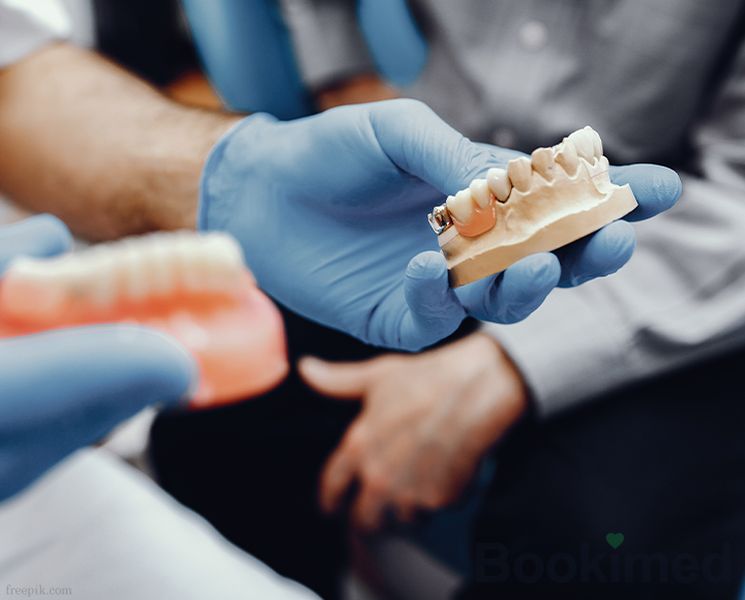
جسر البورسلين
جسر البورسلين هو ترميم أسنان يحل محل الأسنان المفقودة باستخدام تيجان بورسلين ملحقة بالأسنان المجاورة.
أسئلة متكررة حول جسر بورسلين في تركيا
هل من الآمن الحصول على جسور الأسنان الخزفية في تركيا؟
تعتبر السلامة في جسور الأسنان الخزفية في تركيا عالية عند اختيار العيادات الحاصلة على اعتماد وزارة الصحة وشهادات ترخيص السياحة العلاجية. تتبع معظم المرافق بروتوكولات التعقيم الدولية تحت إشراف جمعية طب الأسنان التركية. تستخدم المراكز الرائدة في إسطنبول وأنطاليا التصميم بمساعدة الكمبيوتر لضمان ملاءمة دقيقة ومتانة طويلة الأمد.
- الرقابة التنظيمية: تجري وزارة الصحة عمليات تدقيق منتظمة وتفرض ترخيصاً إلزامياً لجميع العيادات الدولية.
- خبرة الجراح: يتمتع أطباء مثل أوفوك زيرين في مركز عطا الصحي بأكثر من 30 عاماً من الخبرة.
- جودة المواد: تستخدم العيادات الرائدة مثل WestDent مواد Straumann وتحمل شهادات المعايير الدولية ISO.
- معدلات النجاح: تبلغ المراكز ذات الحجم الكبير عن معدلات نجاح تصل إلى 99% لترميمات الأسنان المعقدة.
رؤية خبير Bookimed: غالباً ما يعتمد النجاح على التكنولوجيا الداخلية وليس فقط على مهارة طبيب الأسنان. تستخدم عيادات مثل YEG Clinic وHospitadent مختبراتها الخاصة أو تقنيات CEREC لإنشاء الجسور في 4 أيام. تقلل هذه السرعة من خطر فشل الجسر المؤقت وتضمن ملاءمة أولية أفضل للمرضى الدوليين.
إجماع المرضى: يؤكد المرضى على أهمية مشاركة الأشعة السينية مع طبيب الأسنان في بلدهم قبل السفر. تدوم الجسور المصنوعة من الزركونيا عالية الجودة من العيادات ذات السمعة الطيبة في أنطاليا باستمرار لأكثر من 5 سنوات وفقاً للتعليقات طويلة المدى.
كم تدوم الجسور الخزفية (البورسلين)؟
عادة ما تدوم الجسور الخزفية من 5 إلى 15 عاماً. يمكن لخيارات خزف الزركونيا عالية الجودة أن تدوم لمدة 20 عاماً أو أكثر مع العناية الصحية المناسبة. يعتمد العمر الافتراضي على نوع الجسر، ومتانة المادة، وصحة الأسنان الطبيعية الداعمة التي تثبت الطرف الاصطناعي.
- متانة المادة: غالباً ما يتجاوز خزف الزركونيا 15 عاماً، بينما يدوم الخزف المدمج بالمعدن الأساسي من 10 إلى 15 عاماً.
- نوع الدعم: الجسور المدعومة بالزرعات هي الأكثر متانة، وغالباً ما تدوم من 15 إلى 30 عاماً.
- الضمانات السريرية: تقدم بعض المراكز التركية مثل Good Look Clinic ضمانات لمدة 20 عاماً على الزركونيا.
- معدلات النجاح: تبلغ العيادات الرائدة مثل WestDent عن معدل نجاح بنسبة 99% لترميمات الأسنان.
رؤية خبير Bookimed: على الرغم من أن الخزف الأساسي هو المعيار، فإن اختيار الجسور ذات قلب الزركونيا يؤثر بشكل كبير على القيمة طويلة المدى. تظهر البيانات أن العيادات التي تمتلك مختبرات داخلية، مثل YEG Clinic، يمكنها تسهيل إجراء تعديلات متخصصة في غضون 4 أيام. يضمن هذا التخصيص السريع ملاءمة دقيقة، وهو العامل الأساسي في منع الانفصال المبكر أو الكسور.
إجماع المرضى: يؤكد المرضى أن الاستثمار في واقي ليلي مخصص أمر ضروري لمنع تشقق الخزف. يقترح الكثيرون جدولة زيارة متابعة بعد عام واحد للتأكد من أن الجسر لا يزال محاذياً بشكل صحيح مع استقرار العضة.
ما هي العيوب المحتملة لجسور الأسنان الخزفية (البورسلين)؟
تشمل العيوب الرئيسية لجسور البورسلين الإزالة الدائمة لمينا الأسنان السليمة من الأسنان المجاورة ونقص تحفيز عظم الفك. على عكس الغرسات، لا تمنع الجسور فقدان العظام، وقد يتشقق البورسلين أو ينكسر تحت ضغط المضغ الكبير بمرور الوقت.
- تحضير الأسنان: تتطلب الأسنان الداعمة إعادة تشكيل لا رجعة فيها لتناسب التيجان، مما قد يضعف بنيتها.
- ارتشاف العظام: يؤدي فقدان جذور الأسنان إلى انكماش عظم الفك، مما قد يغير مظهر الوجه.
- الحفاظ على النظافة: غالبًا ما تعلق جزيئات الطعام تحت الجسر، مما يتطلب أدوات متخصصة مثل خيوط الأسنان المائية.
- متانة المادة: قد تظهر خطوط داكنة عند اللثة في البورسلين التقليدي المدمج مع المعدن (PFM).
رؤية خبير Bookimed: بينما تقدم معظم العيادات جداول زمنية مدتها 5 أيام، فإن اختيار منشأة بها مختبر داخلي، مثل عيادة YEG، يضمن تعديلات أسرع للعضة. تعد الدقة في مرحلة المختبر أمراً بالغ الأهمية لأن حتى عدم المحاذاة الطفيف يمكن أن يزيد بشكل كبير من خطر كسر السن الداعم في غضون 12 شهراً.
إجماع المرضى: يجد العديد من المرضى أنه على الرغم من أن الجسور تبدو رائعة في البداية، إلا أنها تتطلب عادات تنظيف أكثر صرامة لتجنب التسوس في الأسنان المثبتة. يقترح آخرون اختيار البورسلين القائم على الزركونيا لمنع الخطوط المعدنية السوداء القبيحة التي تظهر غالباً مع تراجع اللثة الطبيعي بمرور الوقت.
كم تستغرق عملية علاج جسر البورسلين في تركيا؟
يتطلب علاج جسر البورسلين في تركيا عادةً من 5 إلى 10 أيام لضمان ملاءمة دقيقة وجماليات طبيعية. يحضر المرضى عادةً من 2 إلى 3 مواعيد لتحضير الأسنان، والطبعات الرقمية، والتثبيت النهائي داخل مرافق معتمدة من JCI أو حاصلة على شهادة ISO في إسطنبول أو إزمير أو أنطاليا.
- الإطار الزمني للعلاج: تستغرق الحالات القياسية من 5 إلى 7 أيام للتصنيع في المختبر والتركيب.
- كثافة المواعيد: يستغرق المسح الرقمي والإجراءات في عيادة الأسنان حوالي 45-60 دقيقة لكل زيارة.
- الإقامات الممتدة: يمكن أن تؤدي عمليات ترميم القوس الكامل أو الحالات التي تتطلب قلع الأسنان إلى تمديد الإقامة إلى 10 أيام.
- التكنولوجيا المتقدمة: تستخدم عيادات مثل WestDent مختبرات CAD/CAM في الموقع لتسريع عملية التصميم.
رؤية خبير Bookimed: تكشف البيانات الواردة من أفضل العيادات أن الإقامة لمدة 7 أيام هي المعيار الذهبي للسلامة. في حين يقدم بعض المزودين خدمة سريعة لمدة 3 أيام، فإنهم غالبًا ما يتخطون دورات الحرق الأساسية في الفرن، مما قد يضر بمتانة البورسلين على المدى الطويل. توازن عيادات مثل عيادة YEG في إسطنبول بنجاح بين السرعة والجودة من خلال إكمال تصميمات الابتسامة الرقمية في 4 أيام بالضبط.
إجماع المرضى: يقترح العديد من المرضى الوصول يوم الاثنين لتجنب تأخيرات المختبر في عطلة نهاية الأسبوع التي يمكن أن تضيف يومين إضافيين. ويؤكدون أن وجود يوم إضافي بعد التثبيت النهائي أمر حيوي لاختبار العضة بالطعام الحقيقي قبل العودة إلى الوطن.
كم من الوقت بعد خلع السن يمكنني الحصول على جسر؟
ينتظر المرضى عادةً من 4 إلى 12 أسبوعًا بعد خلع السن قبل الحصول على جسر بورسلين دائم. تسمح فترة التعافي هذه لأنسجة اللثة بالالتئام وللعظم بالاستقرار. تتطلب عمليات الخلع البسيطة من 4 إلى 6 أسابيع، بينما تحتاج الحالات الجراحية المعقدة من 8 إلى 12 أسبوعًا.
- الجدول الزمني للشفاء: تحتاج اللثة من 4 إلى 12 أسبوعًا للاستقرار قبل التثبيت الدائم.
- تعقيد الخلع: تلتئم الحالات البسيطة في 4 أسابيع؛ بينما تتطلب عمليات الخلع الجراحية 12 أسبوعًا.
- تكاليف الجسر: تتراوح تكلفة جسور البورسلين في تركيا من $500.
رؤية خبير Bookimed: على الرغم من أن العيادات المحلية قد تقدم طبعات الجسر بعد أسبوع واحد من الخلع، إلا أن التسرع في التثبيت يزيد من مخاطر الفشل. للحصول على أكثر ملاءمة آمنة، اختر عيادات مثل WestDent أو YEG Clinic التي تستخدم مختبرات في الموقع. يضمن هذا أن يتطابق جسرك النهائي تمامًا مع خط اللثة الملتئم دون الحاجة إلى رحلات عودة متعددة للتعديلات.
إجماع المرضى: يجد العديد من المرضى أن الحصول على جسر مؤقت أولاً يمنع الأسنان من التحرك أثناء الانتظار. ويوصون بطلب فحص CBCT للتحقق من استقرار العظام قبل التثبيت النهائي.
ما هي أنواع جسور البورسلين المتاحة؟
تعوض جسور البورسلين الأسنان المفقودة باستخدام تصميمات تقليدية، أو جسور الكابولي (Cantilever)، أو جسور ماريلاند، أو الجسور المدعومة بالزرعات. تستخدم هذه الهياكل مواد مثل البورسلين المدمج بالمعدن (PFM) للقوة، أو الزركونيا الخزفية بالكامل للمتانة، أو ثنائي سيليكات الليثيوم E-max لجماليات فائقة.
- الجسر التقليدي: تصميم قياسي يستخدم تيجانًا على سنين متجاورين لدعم الأسنان الاصطناعية.
- جسر الكابولي (Cantilever): يتم تثبيته على سن طبيعي واحد فقط، وهو مثالي للمناطق ذات ضغط العض المنخفض.
- جسر ماريلاند: أجنحة معدنية أو بورسلين يتم لصقها بالأسنان المجاورة دون الحاجة إلى تحضير كامل للتاج.
- الجسر المدعوم بالزرعات: يتم تثبيته بواسطة زرعات الأسنان بدلاً من الأسنان الطبيعية لترميم الفراغات متعددة الأسنان.
رؤية خبير Bookimed: تقدم عيادات مثل Good Look Clinic ضمانات لمدة 20 عامًا على الزركونيا، مما يشير إلى ثقة عالية في المواد. في حين أن PFM هو معيار اقتصادي، فإن اختيار الزركونيا أو E-max غالبًا ما يمنع الظل الرمادي لخط اللثة الشائع في الجسور القائمة على المعدن. تحافظ المراكز ذات الحجم الكبير مثل WestDent Clinic على معدلات نجاح تصل إلى 99% باستخدام مواد Straumann المتخصصة لأساسات الجسور.
إجماع المرضى: غالبًا ما يوصي المرضى بطلب تفصيل دقيق للمواد قبل العلاج. يقترح الكثيرون الترقية من PFM إلى الزركونيا للأسنان الأمامية