علاج تدمير الجسم الزجاجي في إسبانيا — احصل على 3 عيادات مختارة خصيصاً لك


تمت مراجعة المقالة طبيا من قبل
فهد مولود
كيف نعمل؟
ما هي تكلفة تدمير الجسم الزجاجي إجراءات التشخيص والعلاج في إسبانيا؟ اعرف الآن
اكتشف أفضل تدمير الجسم الزجاجي العيادات في إسبانيا: 6 خيارات معتمدة والأسعار





Quirónsalud Marbella
Nabil Ragaei Kamel











احصل على تقييم طبي لـ في إسبانيا. استشر الآن 6 أطباء ذوي الخبرة.
عرض جميع الأطباء
Ferran Mascaró Zamora
أحد أبرز المتخصصين في الشبكية والجسم الزجاجي في إسبانيا – يقوم الدكتور ماسكارو زامورا بإجراء جراحات ليزر متقدمة وجراحات طفيفة التوغل لحالات الجسم الزجاجي.
- رئيس قسم جراحة الحجاج وتجميل العين في مركز تيكنون الطبي
- متخصص في جراحة الشبكية والجسم الزجاجي، وجراحة الحجاج، وتجميل العين
- نشر مقالتين أصليتين وشارك في تأليف 3 كتب في طب العيون
- عضو الجمعية الإسبانية لجراحة تجميل العين والحجاج

Jordi Mones
تم إجراء أكثر من 900 عملية جراحية في الشبكية والجسم الزجاجي – يتخصص الدكتور جوردي مونيس في الحالات المعقدة في مركز تكنون الطبي (Centro Médico Teknon).
- _doctor_5037_سنوات_ من الخبرة في طب العيون
- باحث رئيسي في التجارب السريرية الدولية
- خبرة في مضاعفات قصر النظر الشديد
- أخصائي شبكية مدرب في جامعة هارفارد
Nabil Ragaei Kamel
يجري أكثر من 3600 عملية جراحية للعين سنوياً – يرأس الدكتور كامل قسم طب العيون في مستشفى كيرونسالود ماربيا باستخدام تقنيات الليزر بالكامل.
- _doctor_5429_عاماً_ من الخبرة في جراحات العيون
- رائد في زراعة العدسات داخل العين متعددة البؤر في إسبانيا
- حائز على جائزة طبيب العام في طب العيون
- عضو في الجمعيات الأوروبية والدولية لجراحة تصحيح الإبصار
- خبير في إجراءات ليزر الإكسيمر بما في ذلك PRK وLASIK

Carlos Vergés Roger
أجرى الدكتور فيرجيس أكثر من 1100 علاج في طب العيون ويرأس قسم طب العيون المتقدم في مستشفى Dexeus الجامعي.
- حاصل على دكتوراه في علم الأحياء من جامعة هارفارد مع التركيز على آليات الرؤية
- حائز على الجائزة الوطنية للبحوث عن عمله الرائد في إفراز الدموع
- مدير خدمة طب العيون مع فريق جراحي عالي الجودة
- عضو في الجمعية الدولية لجراحة الانكسار والأكاديمية الأمريكية لطب العيون
مشاركة المحتوى
قصص فيديو من مرضى Bookimed
 Anna Leonova
أسئلة متكررة حول علاج تدمير الجسم الزجاجي في إسبانيا
ما هو بالضبط تلف الجسم الزجاجي، وما هي خيارات العلاج المتاحة لي في إسبانيا؟
يحدث تلف الجسم الزجاجي عندما يسيل هلام العين وينفصل عن الشبكية. وهذا يخلق كتلًا من الكولاجين تظهر كعوامات أو ومضات. تقدم العيادات الإسبانية المتخصصة تحلل الجسم الزجاجي بالليزر لتفتيت الكتل أو عمليات استئصال الزجاجية طفيفة التوغل لاستبدال الهلام المتحلل بمحلول صافٍ.
- تحلل الجسم الزجاجي بالليزر: تستهدف ليزرات YAG العوامات الكبيرة لتفتيتها إلى جزيئات مجهرية.
- استئصال الزجاجية طفيف التوغل: يقوم الجراحون بإزالة هلام الجسم الزجاجي من خلال شقوق مجهرية في الحالات الشديدة.
- المراقبة التشخيصية: يستخدم المتخصصون التصوير المقطعي للترابط البصري لتتبع التغيرات الهيكلية في الهلام.
- فحص الشبكية: تعطي التقييمات الأولوية لاستبعاد تمزقات الشبكية قبل متابعة العلاجات الجراحية الاختيارية.
رؤية خبير Bookimed: في حين يقترح العديد من أطباء العيون العامين المراقبة، فإن اختيار جراح ذو حجم حالات كبير مثل الدكتور نبيل رجائي كامل يمكن أن يوفر المزيد من الخيارات. فهو يجري أكثر من 3600 عملية جراحية سنويًا في Quirónsalud Marbella. غالبًا ما يؤدي هذا الحجم الكبير إلى إتقان أفضل لتقنيات استئصال الزجاجية ذات العيار الصغير للعوامات المعقدة. كما تضمن المراكز المعتمدة من JCI مثل Centro Médico Teknon معايير السلامة الدولية لهذه الإجراءات الدقيقة للشبكية.
إجماع المرضى: يشير المرضى إلى أن العوامات يمكن أن تؤثر بشكل خطير على الأنشطة اليومية مثل القراءة أو القيادة. ويؤكدون على أهمية العثور على متخصص يأخذ مخاوف جودة الحياة هذه على محمل الجد بدلاً من مجرد اقتراح
ما مدى أمان استئصال الزجاجية في إسبانيا، وما هي المخاطر الرئيسية التي تهدد البصر؟
تعتبر عملية استئصال الزجاجية في إسبانيا آمنة للغاية مع معدلات نجاح تتراوح بين 85% و95%. تحافظ مرافق مثل Centro Médico Teknon على اعتماد اللجنة الدولية المشتركة (JCI) وتستخدم أنظمة 27-gauge بدون خياطة. على الرغم من ندرتها، تشمل المخاطر الرئيسية انفصال الشبكية في 1% إلى 5% من الحالات والعدوى الشديدة.
- معدلات النجاح: تبلغ المراكز الإسبانية عن نجاح تشريحي وبصري بنسبة 85% إلى 95%.
- خطر العدوى: يحدث التهاب باطن العين نادراً، حيث يؤثر على 0.03% إلى 0.14% من الحالات الجراحية.
- استقرار الشبكية: يحدث انفصال الشبكية بعد الجراحة لدى 1% إلى 5% من المرضى.
- إدارة الضغط: تحدث طفرات في ضغط العين لدى 15% من المرضى بعد الجراحة.
- الأنظمة الجراحية: يستخدم الجراحون تقنية 25-gauge و27-gauge لتجنب استخدام الغرز.
رؤية خبير Bookimed: يعد حجم المرضى مؤشراً رئيسياً للسلامة في طب العيون الإسباني. يقوم الدكتور نبيل رجائي كامل في Quirónsalud Marbella بإجراء أكثر من 3,600 عملية جراحية سنوياً. غالباً ما يحقق المتخصصون ذوو الحجم الكبير نتائج أفضل لأنهم يطورون تقنيات للمناورات المعقدة مثل تقشير الغشاء. كانت Clinica Universidad de Navarra أول من حصل على اعتماد JCI في إسبانيا. وهي تخدم الآن 140,000 مريض سنوياً. تضمن هذه الخبرة السريرية الهائلة التعامل مع حتى المضاعفات النادرة ببروتوكولات ثابتة.
إجماع المرضى: يؤكد المرضى أن استئصال الزجاجية إجراء كبير ويحذرون من أن الرؤية قد تسوء فعلياً قبل أن تتحسن خلال مرحلة التعافي. يشدد أولئك
من هو المرشح المناسب لإزالة عوائم العين (Floater) في إسبانيا، وهل يحتاج السياح إلى فحوصات إضافية؟
يجب أن يعاني المرشحون لإزالة عوائم العين في إسبانيا من عوائم مستمرة ومستقرة تؤثر على الرؤية لمدة لا تقل عن 3 أشهر. عادة ما يكون المرضى المثاليون فوق سن 45 أو خضعوا لجراحة المياه البيضاء (الكاتاركت). بينما يتبع السياح بروتوكولات التشخيص القياسية، غالبًا ما تقوم العيادات بضغط التقييمات في زيارة واحدة باستخدام التصوير المقطعي للترابط البصري المتقدم.
- التأثير البصري: يجب أن تتداخل الأعراض مع أنشطة مثل القراءة أو القيادة أو استخدام الشاشات.
- علم الأمراض المحدد: يُفضل وجود عوائم كثيفة ومحددة جيدًا مثل حلقات فايس (Weiss rings) على البقع المجهرية.
- صحة العين: يجب أن يتمتع المرضى بشبكية سليمة بدون تمزقات أو جلوكوما نشطة.
- المسافة التشريحية: يجب أن تقع العوائم على بعد 3 مم على الأقل من عدسة العين والشبكية.
رؤية خبير Bookimed: تحتل إسبانيا المرتبة الخامسة عالميًا في الطلبات الطبية على منصتنا، ويرجع ذلك إلى حد كبير إلى مراكز ذات حجم كبير مثل Quirónsalud Marbella. يقوم الدكتور نبيل رجائي كامل في هذه العيادة بإجراء أكثر من 3600 جراحة سنويًا. يشير هذا الحجم الكبير من الإجراءات إلى أن المتخصصين الإسبان يتخصصون في تقنيات فعالة تعتمد بالكامل على الليزر، مما يفضل تعافيًا أسرع للمرضى الدوليين.
إجماع المرضى: يشير المرضى إلى أن الجراحة في نفس اليوم نادرة الحدوث ويؤكدون على أهمية إحضار السجلات الطبية السابقة لتسريع العملية. من المهم أيضًا أن يكون لديك طبيب عيون محلي جاهز في بلدك للمتابعة بعد السفر.
ما مدى خبرة أخصائيي الشبكية، وما هي الاعتمادات الدولية التي يجب أن أبحث عنها؟
أخصائيو الشبكية الإسبان هم جراحون ذوو خبرة عالية أكملوا 10 سنوات من التدريب الطبي والجراحي. يمتلك كبار الخبراء مثل الدكتور جوردي مونيس زمالات متخصصة في جراحة الشبكية والجسم الزجاجي. تشمل الاعتمادات الأساسية اللجنة الدولية المشتركة (JCI) للعيادات وزميل المجلس الأوروبي لطب العيون (FEBO) للجراحين.
- زمالة الشبكية والجسم الزجاجي: تدريب جراحي متخصص متقدم لمدة عامين بعد الإقامة في طب العيون العام.
- المؤهلات العلمية: غالبًا ما يحمل كبار المتخصصين درجات الدكتوراه من مؤسسات مرموقة مثل هارفارد.
- اعتماد JCI: المعيار الذهبي الذي يضمن حفاظ المستشفيات على السلامة والجودة الجراحية العالمية.
- العضويات المهنية: ابحث عن الانتماءات إلى جمعية البقعة الصفراء (Macula Society) أو المجلس الدولي لطب العيون.
رؤية خبير Bookimed: يعد حجم المرضى مؤشرًا رئيسيًا للجودة في إسبانيا. على سبيل المثال، يقوم الدكتور نبيل رجائي كامل في مستشفى كيرونسالود ماربيا بإجراء أكثر من 3600 عملية جراحية سنويًا. غالبًا ما يحقق المتخصصون ذوو الحجم الكبير نتائج أفضل لأنهم يتعاملون مع مجموعة واسعة من حالات الشبكية والجسم الزجاجي المعقدة كل عام.
إجماع المرضى: يؤكد المرضى على أهمية العثور على متخصص فرعي متفرغ بدلاً من جراح عام. ويشيرون إلى أن الشفافية بشأن المخاطر المحتملة واستعداد الجراح للإجابة على الأسئلة التقنية هي إشارات ثقة حيوية.
ما هو الجدول الزمني النموذجي للتعافي والسفر بعد استئصال الزجاجية أو الليزر للسياح الطبيين؟
تعتمد جداول التعافي والسفر على الإجراء واستخدام السدادات داخل العين. تسمح علاجات الليزر للشبكية بالسفر في غضون 3 إلى 7 أيام. تتطلب عملية استئصال الزجاجية القياسية عادةً من 7 إلى 14 يومًا في إسبانيا. إذا تم استخدام فقاعة غاز، يُمنع السفر الجوي منعًا باتًا لمدة تتراوح بين شهر إلى 3 أشهر.
- الإقامة لليزر: توقع البقاء من 2 إلى 7 أيام لإجراء فحوصات إلزامية لاستقرار الشبكية.
- الإقامة لاستئصال الزجاجية: خطط للبقاء من 7 إلى 14 يومًا في البلاد لمراقبة ضغط العين.
- قيود فقاعة الغاز: لا يُسمح بالطيران لمدة 4 إلى 12 أسبوعًا حتى يذوب الغاز تمامًا.
- استقرار الرؤية: تتحسن الرؤية عادةً في غضون 4 إلى 8 أسابيع بعد الإجراء.
رؤية خبير Bookimed: تحتل إسبانيا المرتبة الخامسة عالميًا في السياحة الطبية على منصتنا، حيث تمتلك عيادات مثل Centro Médico Teknon وQuirónsalud Marbella اعتماد JCI. تُظهر البيانات أن كبار الجراحين مثل الدكتور نبيل رجائي كامل يجرون أكثر من 3600 عملية جراحية سنويًا. غالبًا ما يؤدي هذا الحجم الكبير إلى بروتوكولات مراقبة أكثر كفاءة بعد الجراحة. على الرغم من وجود جداول زمنية قياسية، إلا أن هذه المراكز ذات القدرة العالية تقوم بشكل متكرر بجدولة المتابعة في غضون 48 ساعة لتسريع تصريح السفر الآمن للمرضى الدوليين.
إجماع المرضى: يؤكد المرضى أن التعافي من الليزر يبدو محليًا وسريعًا، لكن استئصال الزجاجية يتطلب فترة توقف جدية. يحذر معظم المسافرين من ضرورة التأكد مما إذا كان سيتم استخدام فقاعة قبل حجز أي رحلات عودة.
هل ستترك عملية استئصال الزجاجية ندبة مرئية، وهل يمكنني ارتداء العدسات اللاصقة بعد الجراحة؟
لا تترك عملية استئصال الزجاجية أي ندبات تجميلية مرئية لأن الجراحين يستخدمون شقوقاً مجهرية بعرض 0,5 إلى 1 مم تقريباً. تلتئم هذه الفتحات الصغيرة في الصلبة عادةً بدون غرز. يمكن للمرضى عادةً العودة لارتداء العدسات اللاصقة بمجرد استقرار سطح العين، وغالباً ما يتم ذلك في غضون أسبوعين إلى 6 أسابيع.
- حجم الشق: يستخدم الجراحون أدوات بمقياس 23 أو 25 أو 27 التي لا تتطلب غرزاً خارجية.
- مظهر الالتئام: عادةً ما يتلاشى الاحمرار بعد الجراحة الناتج عن نزيف تحت الملتحمة تماماً في غضون 4 أسابيع.
- تأخير العدسات اللاصقة: يجب تجنب العدسات في البداية لمنع العدوى والسماح باستخدام القطرات الطبية.
- استقرار الرؤية: يلزم إجراء فحص جديد للعدسات اللاصقة لأن الجراحة قد تغير شكل القرنية.
رؤية خبير Bookimed: تتعامل المراكز الإسبانية مثل Quirónsalud Marbella مع أحجام جراحية كبيرة، حيث يقوم متخصصون مثل الدكتور نبيل رجائي كامل بإجراء أكثر من 3600 عملية سنوياً. تظهر البيانات أن الجراحين ذوي الحالات الكثيرة غالباً ما يستخدمون تقنيات بدون خياطة تقلل بشكل كبير من التهيج بعد الجراحة. تساعد هذه الخبرة المرضى على العودة لارتداء العدسات اللاصقة بشكل أسرع مما هو عليه في العيادات ذات الحالات الأقل. تأكد دائماً من صحة سطح عينك المحددة خلال المتابعة الأولى قبل استئناف ارتداء العدسات.
إجماع المرضى: يلاحظ المرضى أن الاحمرار المؤقت والرؤية الضبابية أكثر وضوحاً من أي علامات جراحية. يؤكد الكثيرون على اتباع جدول القطرات بدقة قبل طلب ارتداء العدسات مرة أخرى.
هل تتركز أفضل مستشفيات الشبكية في إسبانيا في مدريد أم توجد خيارات قوية بنفس القدر في مدن أخرى؟
تتوزع مستشفيات الشبكية النخبوية بين مدريد وبرشلونة، مع وجود مراكز رئيسية أيضاً في بامبلونا وماربيلا. تضم هذه المدن مرافق معتمدة من اللجنة الدولية المشتركة (JCI) ومتخصصة في جراحة الجسم الزجاجي والشبكية. تُعد برشلونة رائدة عالمياً في رعاية العيون، بينما توفر مدريد أعلى تركيز لمراكز الإحالة.
- الخبرة في برشلونة: يضم مركز Centro Médico Teknon متخصصين تدربوا في هارفارد مثل الدكتور جوردي مونيس لعلاج حالات البقعة الصفراء.
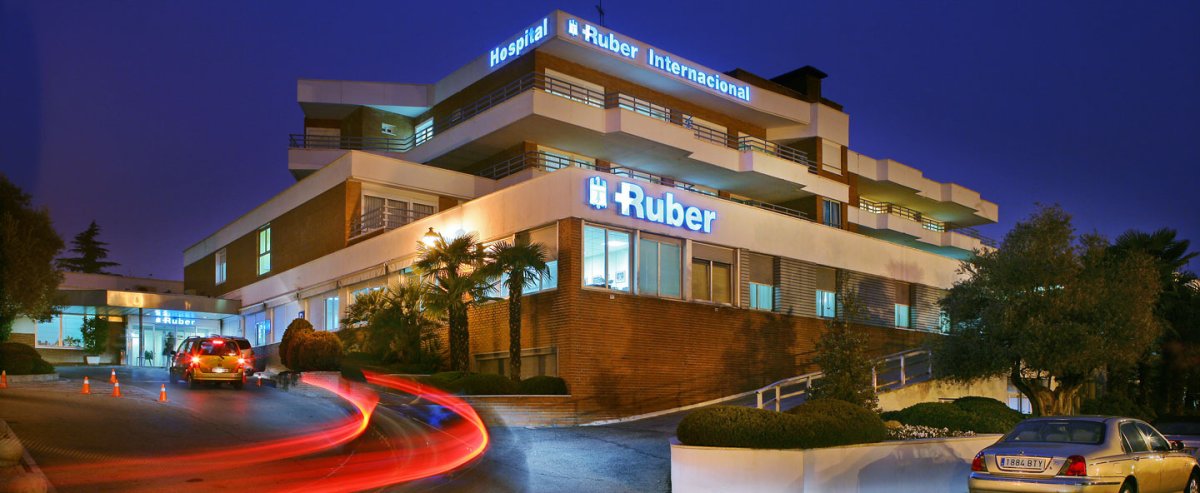
- البنية التحتية في مدريد: يوفر مستشفى Ruber Internacional تشخيصات متقدمة بما في ذلك التصوير بالرنين المغناطيسي بقوة 3 تسلا لحالات الشبكية المعقدة.
- القادة الإقليميون: تحمل عيادة جامعة نافارا (Clinica Universidad de Navarra) في بامبلونا اعتماد اللجنة الدولية المشتركة المرموق.
- خيارات الجنوب: يقدم مستشفى Quirónsalud Marbella خدمات استئصال الزجاجية المتخصصة للمرضى الدوليين في ساحل إسبانيا.
رؤية خبير Bookimed: على الرغم من أن مدريد لديها عدد أكبر من المتخصصين، إلا أن عيادات برشلونة مثل Teknon غالباً ما تقود الأبحاث في الأمراض التنكسية. تُظهر البيانات أن العيادات في المراكز السياحية مثل ماربيلا تتعامل مع أحجام كبيرة من المرضى، حيث يجري الدكتور نبيل رجائي كامل أكثر من 3600 عملية جراحية سنوياً. اختيار متخصص لديه حجم حالات كبير في هذه المدن يضمن خبرة أكبر من جراح عام في العاصمة.
إجماع المرضى: يشير المرضى إلى أن اختيار طبيب يتعامل تحديداً مع حالات الجسم الزجاجي والشبكية أكثر أهمية من المدينة نفسها. يقترحون التحقق مم