تدمير الجسم الزجاجي العلاج في النمسا - التكاليف 2026


تمت مراجعة المقالة طبيا من قبل
فهد مولود
ما هي تكلفة تدمير الجسم الزجاجي إجراءات التشخيص والعلاج في النمسا؟ اعرف الآن
مزاياك وضماناتك مع Bookimed
أسعار مباشرة
Bookimed لا يضيف رسوماً إضافية على أسعار علاج تدمير الجسم الزجاجي. الأسعار مأخوذة من قوائم الأسعار الرسمية للعيادات. تدفع مباشرة في العيادة مقابل علاجك عند وصولك إلى البلد.
عيادات وأطباء معتمدون فقط
Bookimed ملتزم بسلامتك. نحن نعمل فقط مع المؤسسات الطبية التي تحافظ على معايير دولية عالية في علاج تدمير الجسم الزجاجي ولديها التراخيص اللازمة لخدمة المرضى الدوليين في جميع أنحاء العالم.
مساعدة مجانية على مدار الساعة
Bookimed يقدم مساعدة خبراء مجانية. منسق طبي شخصي يدعمك قبل وأثناء وبعد العلاج، ويحل أي مشاكل. لن تكون وحيداً أبداً في رحلة علاج تدمير الجسم الزجاجي.

منسقك الطبي الشخصي في Bookimed
- يدعمك في كل مرحلة
- المساعدة في اختيار العيادة الطبية المناسبة والطبيب المناسب
- يضمن الوصول السريع والمريح إلى المعلومات
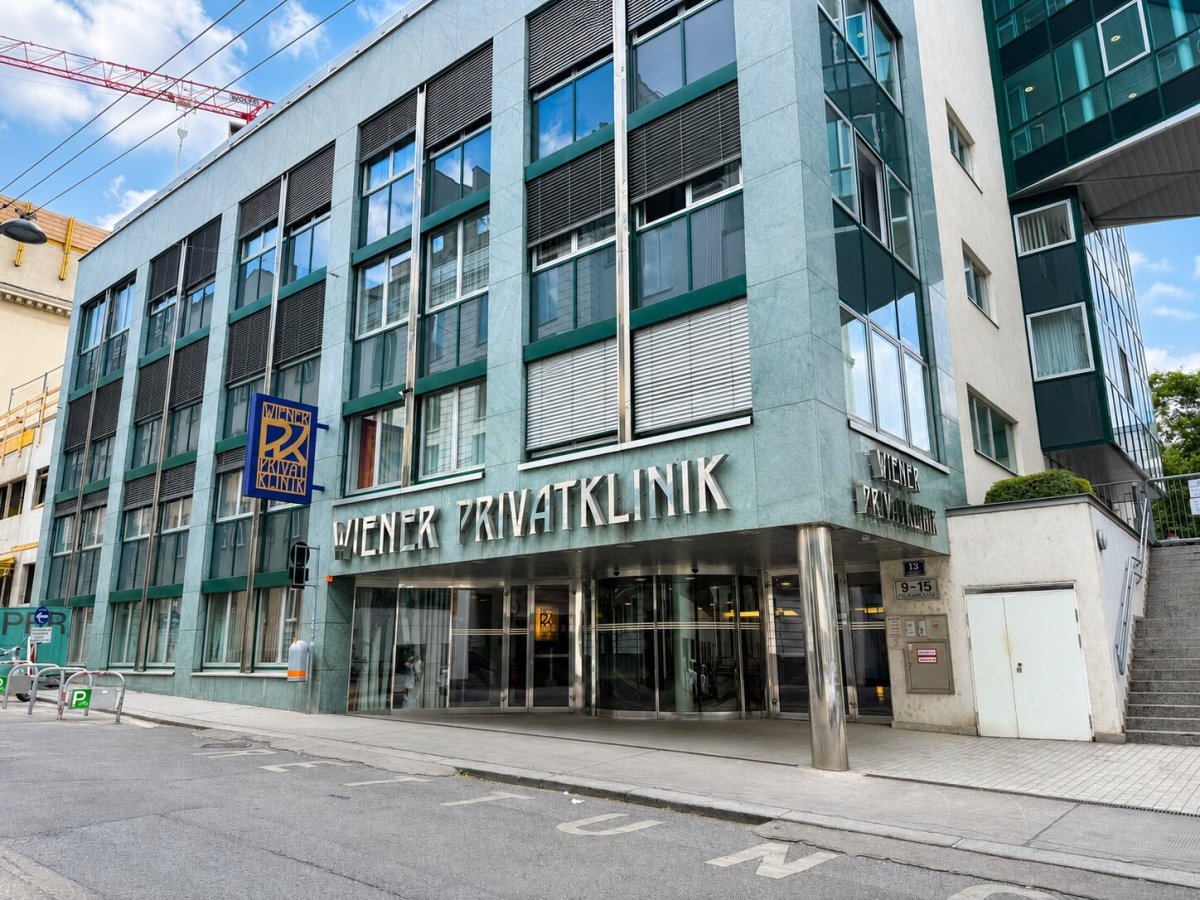
اكتشف أفضل تدمير الجسم الزجاجي العيادات في النمسا: 1 خيار معتمدة والأسعار




احصل على تقييم طبي لـ في النمسا. استشر الآن 6 أطباء ذوي الخبرة.
عرض جميع الأطباء
Stefan Pieh
معترف به دولياً لخبرته في جراحة القرنية وإجراءات المياه البيضاء (الكاتاركت) – يجمع البروفيسور بيه بين عقود من القيادة الأكاديمية والدقة السريرية.
- أستاذ طب العيون والرئيس السابق في جامعة فيينا الطبية
- متخصص في جراحات الليزك المتقدمة، إزالة المياه البيضاء، وزراعة القرنية
- باحث رائد في البصريات البصرية وتقنيات جراحة تصحيح الإبصار
- يمارس عمله في مستشفى فيينا الخاص (Wiener Privatklinik) مع التركيز على سلامة المرضى

Rupert Menapace
كان البروفيسور ميناباسي رائداً في جراحة المياه البيضاء (الكاتاركت) والعدسات داخل العين (IOL)، حيث وضع معايير عالمية في رعاية العيون. ويواصل إجراء جراحات متقدمة في عيادة فيينا الخاصة ومستشفى فيينا العام.
- أكثر من _doctor_3828_عاماً_ من التخصص في جراحة الجزء الأمامي من العين
- أستاذ طب العيون في جامعة فيينا الطبية
- مؤلف مئات المنشورات العلمية حول العدسات داخل العين والتقنيات الجراحية
- معترف به عالمياً لابتكاراته في منع المضاعفات بعد الجراحة

Stefan Sacu
يتخصص الأستاذ الجامعي الدكتور ستيفان ساكو في جراحة الشبكية والجسم الزجاجي، مع عقود من الخبرة في تحسين اضطرابات العين المعقدة.
- تدرب في جامعة فيينا والجامعة الطبية في فيينا
- خبير في استئصال الزجاجية وجراحة انفصال الشبكية
- استشاري أول في عيادة فيينا الخاصة (Wiener Privatklinik)
- نشر أبحاثاً مكثفة حول تصوير الشبكية وعلاج أمراض البقعة الصفراء

Stefan Sacu
يتخصص الدكتور ستيفان ساكو في أمراض الشبكية والبقعة الصفراء، مع أبحاث مكثفة حول علاجات جديدة لأمراض البقعة الصفراء النضحية في مستشفى فيينا العام.
- خبير في جراحة المياه البيضاء (الكاتاراكت) والشبكية
- يجري أبحاثاً حول العلاجات الجينية لأمراض الشبكية الوراثية
- عضو في الجمعية الألمانية لزراعة العدسات (DGII) والجمعية الأوروبية لجراحي الساد والجراحة الانكسارية (ESCRS)
- حائز على جائزة تيودور كورنر العلمية
مشاركة المحتوى
قصص فيديو من مرضى Bookimed
 Anna Leonova
أسئلة متكررة حول علاج تدمير الجسم الزجاجي في النمسا
ما هو انفصال الجسم الزجاجي وكيف يتم علاجه؟
يحدث تنكس الجسم الزجاجي عندما يتحول الهلام العيني إلى سائل وتتكتل ألياف الكولاجين. يؤدي ذلك إلى ظهور ظلال على الشبكية تُعرف باسم العوامات. تشمل العلاجات القياسية مراقبة التكيف العصبي، واستئصال الجسم الزجاجي بالليزر باستخدام ليزر YAG لتبخير العوامات، أو استئصال الجسم الزجاجي عبر الطبقة في الحالات الشديدة.
- التصوير التشخيصي: يستخدم المتخصصون التصوير المقطعي البصري ثلاثي الأبعاد عالي الدقة لرسم خرائط عتامات الجسم الزجاجي.
- العلاج بالليزر: يستهدف ليزر YAG لعلاج الجسم الزجاجي الأجسام العائمة الكبيرة عن طريق إذابة رواسب البروتين بطريقة غير جراحية.
- الجراحة: يقوم الجراحون بإجراء عملية استئصال الزجاجية عبر الملتحمة باستخدام إبرة قياس 23 لاستبدال الجل المتدهور بمحلول ملحي.
- سلامة الشبكية: يعمل التخثير الضوئي الفوري بالليزر على إصلاح التمزقات الناتجة عن شد الجسم الزجاجي أو انفصاله.
رأي خبراء بوكيميد: في فيينا، تتطلب العلاجات المتقدمة لأمراض الشبكية في كثير من الأحيان خدمات جراحين متخصصين مثل الدكتور ستيفان ساكو والبروفيسور مايكل جورجوبولوس، اللذين يستخدمان تقنية استئصال الجسم الزجاجي عبر الملتحمة باستخدام إبرة قياس 23. تتميز هذه التقنية طفيفة التوغل بشقوق أصغر من الطرق التقليدي
متى يجب عليّ تجنب العلاج بالليزر واللجوء إلى رعاية طبية طارئة في مجال طب العيون؟
في حال حدوث أي تغيرات حادة في الرؤية، يجب إلغاء جلسات الليزر المقررة والتوجه فوراً إلى عيادة طب العيون للحالات الطارئة. تشمل هذه التغيرات ظهور أجسام عائمة جديدة بشكل مفاجئ، أو ومضات ضوئية مستمرة، أو ظل يشبه الستارة يحجب مجال الرؤية. غالباً ما تشير هذه الأعراض إلى انفصال الشبكية أو إصابة بنيوية فيها، مما يستدعي تدخلاً جراحياً فورياً.
- فقدان البصر: يتطلب فقدان البصر المفاجئ وغير المؤلم في إحدى العينين أو كلتيهما تقييمًا عاجلاً للأوعية الدموية.
- الإصابة الرضية: تتطلب الإصابات الرضية الحادة أو دخول الأجسام الغريبة في مقلة العين عناية طبية فورية في قسم الطوارئ.
- ألم شديد: قد يشير ألم العين الشديد المصحوب بالغثيان إلى نوبة حادة من الجلوكوما.
- التعرض للمواد الكيميائية: في حالة دخول مواد أكالة إلى الجسم، اغسل المنطقة المصابة على الفور وقدم الرعاية الطبية الطارئة.
رأي خبراء بوكيمد: تضم عيادات الشبكية المتخصصة في فيينا، مثل عيادة فيينا الخاصة، استشاريين ذوي خبرة، مثل الدكتور ستيفان ساكو، المتخصصين في أمراض الشبكية الزجاجية المعقدة. وبينما يُزيل العلاج الروتيني بالليزر الأجسام الطافية المزعجة، يُعطي هؤلاء الأخصائيون الأولوية للتشخيصات عالية الدقة، مثل التصوير المقطعي التوافقي ال
كيف يتم تحديد مدى ملاءمة عملية تحلل الجسم الزجاجي بالليزر؟
تعتمد دواعي إجراء عملية استئصال الجسم الزجاجي بالليزر على الموقع الدقيق للأجسام الطافية وخصائصها البنيوية. يولي الجراحون أولوية قصوى للسلامة، ويحرصون على إبقاء مسافة 3 مم بين الجسم الزجاجي والشبكية والعدسة. يُعدّ المرضى الذين يعانون من أجسام طافية منفردة وواضحة المعالم، مثل حلقة فايس، مرشحين مثاليين، بينما في المرضى الأصغر سنًا، غالبًا ما تكون الأجسام الطافية قريبة جدًا من الشبكية بحيث يصعب علاجها بأمان.
- السلامة المكانية: لتجنب الضرر، يجب إبقاء الجسم على مسافة 3 مم من الشبكية والعدسة.
- العوائم: المناطق المنفصلة والمحددة جيدًا تستجيب للإشعاع بشكل أفضل من التجمعات المنتشرة الشبيهة بالغيوم.
- الحد الأدنى للسن: تُعطى الأفضلية للمرضى الذين تزيد أعمارهم عن 45 عامًا بسبب انفصال الجسم الزجاجي المتطور بالفعل.
- المعايير الصحية: يجب ألا تعاني العيون من التهاب نشط أو إفراز للدموع أو إعتام عدسة العين بشكل كبير.
رأي خبراء بوكيمد: غالبًا ما يعتمد النجاح السريري في النمسا على التخصص في مجال تشخيصي محدد. فبينما يتخصص العديد من أطباء العيون في العلاج العام، يستخدم أخصائيون مثل الدكتور مايكل جورجوبولوس التصوير المقطعي البصري ثلاثي الأبعاد عالي الدقة (HR-OCT) لرسم خرائط عتامات الجسم الزج
ماذا يحدث أثناء جلسة استئصال الجسم الزجاجي بالليزر، وهل هي مؤلمة؟
يُعدّ استئصال الجسم الزجاجي بالليزر إجراءً غير جراحي وغير مؤلم تقريبًا، ويستغرق من 15 إلى 45 دقيقة. يستخدم أطباء العيون في مراكز متخصصة في فيينا نبضات نانوثانية من ليزر YAG لتبخير "عتمة" الكولاجين. يُجرى هذا الإجراء في العيادة الخارجية ولا يتطلب شقوقًا جراحية أو تخديرًا عامًا.
- التحضير: لضمان أقصى قدر من الراحة، يقوم الأخصائيون بوضع قطرات مخدرة وأدوية تعمل على توسيع حدقة العين.
- وضع العدسة: تعمل عدسة لاصقة خاصة على تثبيت العين وتساعد على تركيز الطاقة بدقة.
- تطبيق الليزر: تعمل نبضات الطاقة القصيرة على تحويل الجزيئات العائمة إلى فقاعات غازية مجهرية تذوب بشكل طبيعي.
- الأحاسيس: يسمع المرضى أصوات طقطقة ويرون ومضات من الضوء، لكنهم لا يشعرون إلا بضغط خفيف.
رأي خبراء بوكيمد: غالبًا ما يجمع أخصائيون نمساويون بارزون، مثل الدكتور مايكل جورجوبولوس، بين التصوير المقطعي التوافقي البصري عالي الدقة (HR-OCT) التشخيصي وخطط العلاج. تُظهر بياناتنا أن المرضى الذين يراجعون أساتذةً تابعين لجامعة فيينا يستفيدون من بروتوكولات تُعطي الأولوية لسلامة الشبكية. عادةً ما يُباعد هؤلاء الأخصائيون بين الجلسات مرتين إلى ثلاث مرات يوميًا لضمان امتصاص الجسيمات تدريجيًا وبأمان.
ما هي فترة التعافي بعد عملية استئصال الجسم الزجاجي بالليزر؟
عادةً ما يكون التعافي بعد عملية استئصال الجسم الزجاجي بالليزر سريعًا، ويعود معظم المرضى إلى ممارسة أنشطتهم الطبيعية في اليوم نفسه. تستقر الرؤية خلال 24 ساعة مع ذوبان فقاعات الغاز غير الضارة. على الرغم من سرعة الشفاء الجسدي، إلا أن تقييم النتيجة البصرية الكاملة يستغرق من أسبوعين إلى أربعة أسابيع ويتطلب عدة جلسات.
- استقرار الرؤية: عادةً ما تختفي فقاعات الغاز غير الضارة بشكل طبيعي في غضون 24 ساعة.
- القيود الفورية: يجب على المرضى عدم القيادة حتى يزول تأثير قطرات توسيع حدقة العين تمامًا.
- جلسات العلاج: لتحقيق إزالة كاملة للآفات، غالباً ما تكون هناك حاجة إلى جلستين أو ثلاث جلسات علاجية منفصلة بالليزر.
- الرعاية بعد العملية: قد يصف الجراحون قطرات مضادة للالتهابات لمدة 7 أيام تقريبًا بعد العملية.
رأي خبراء بوكيمد: على الرغم من سرعة التعافي، إلا أن اختيار جراح العيون المناسب في النمسا أمر بالغ الأهمية لنجاح العملية. يتخصص أساتذة مثل الدكتور ستيفان ساكو في أمراض الشبكية والجسم الزجاجي في عيادات معتمدة من اللجنة الدولية المشتركة (JCI) مثل عيادة فيينا الخاصة. تضمن خبرتهم في تصوير الشبكية والجسم الزجاجي علاجًا دقيقًا بالليزر للأجسام الطافية مع حماية الشبكية.
أين يمكنني في النمسا الخضوع لعلاج عتامات العين بالليزر؟
تُجرى عملية استئصال الجسم الزجاجي بالليزر في مراكز طب العيون المتخصصة في فيينا، بما في ذلك مركز سيكرافت أوجينلازر فيينا. تستخدم هذه المراكز ليزرات YAG متخصصة ذات إضاءة محورية لتبخير الأجسام العائمة. كما تعالج المستشفيات الجامعية والعيادات الخاصة، مثل عيادة فيينا الخاصة، أمراض الشبكية والجسم الزجاجي المعقدة باستخدام تقنيات جراحية دقيقة متقدمة.
- معدات متخصصة: تستخدم المراكز أجهزة ليزر Ellex Ultra Q Reflex لتبخير الكولاجين بدقة.
- دواعي العلاج: يتم تحقيق أفضل النتائج عند علاج حلقات فايس المفردة الموجودة بعيدًا عن الشبكية.
- مدة الإجراء: تستغرق كل جلسة للمرضى الخارجيين من 20 إلى 30 دقيقة تحت التخدير الموضعي.
- خيارات العيادة: يقدم مستشفى فيينا الخاص ومستشفى فيينا العام استشارات متخصصة في جراحة الشبكية والجسم الزجاجي.
رأي خبراء بوكيمد: ينبغي على المرضى إعطاء الأولوية لأخصائيين مثل الدكتور ستيفان ساكو أو الدكتور مايكل جورجوبولوس، الذين يعملون في عيادات خاصة وفي جامعة فيينا الطبية. يتيح هذا التعاون المزدوج الوصول إلى التصوير المقطعي البصري ثلاثي الأبعاد عالي الدقة لرسم خرائط دقيقة. على الرغم من أن العملية تُجرى في العيادات الخارجية، إلا أن الأخصائيين في عيادة فيينا الخاصة عادةً