تدمير الجسم الزجاجي العلاج في كوريا الجنوبية - التكاليف 2026


تمت مراجعة المقالة طبيا من قبل
فهد مولود
ما هي تكلفة تدمير الجسم الزجاجي إجراءات التشخيص والعلاج في كوريا الجنوبية؟ اعرف الآن
مزاياك وضماناتك مع Bookimed
أسعار مباشرة
Bookimed لا يضيف رسوماً إضافية على أسعار علاج تدمير الجسم الزجاجي. الأسعار مأخوذة من قوائم الأسعار الرسمية للعيادات. تدفع مباشرة في العيادة مقابل علاجك عند وصولك إلى البلد.
عيادات وأطباء معتمدون فقط
Bookimed ملتزم بسلامتك. نحن نعمل فقط مع المؤسسات الطبية التي تحافظ على معايير دولية عالية في علاج تدمير الجسم الزجاجي ولديها التراخيص اللازمة لخدمة المرضى الدوليين في جميع أنحاء العالم.
مساعدة مجانية على مدار الساعة
Bookimed يقدم مساعدة خبراء مجانية. منسق طبي شخصي يدعمك قبل وأثناء وبعد العلاج، ويحل أي مشاكل. لن تكون وحيداً أبداً في رحلة علاج تدمير الجسم الزجاجي.

منسقك الطبي الشخصي في Bookimed
- يدعمك في كل مرحلة
- المساعدة في اختيار العيادة الطبية المناسبة والطبيب المناسب
- يضمن الوصول السريع والمريح إلى المعلومات
اكتشف أفضل تدمير الجسم الزجاجي العيادات في كوريا الجنوبية: 5 خيارات معتمدة والأسعار











احصلوا على تقييم طبي لـ تدمير الجسم الزجاجي في كوريا الجنوبية: استشيروا أطباء ذوي خبرة الآن
عرض جميع الأطباء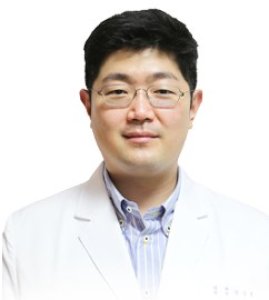
Nam Sanghyu
الدكتور نام سانغ هيو طبيب عيون معتمد في مركز أسان الطبي. وهو أخصائي سريري وأستاذ سريري. يركز عمله على الساد (المياه البيضاء) وطول النظر الشيخي (ضعف النظر القريب). كما يعالج أمراض القرنية وسطح العين، بما في ذلك جفاف العين، وأمراض العين الخارجية، ومشكلات المسالك الدمعية. ويعالج أيضاً أمراض الشبكية والزرق (الغلوكوما)، بما في ذلك اعتلال الشبكية السكري والتنكس البقعي.
العضويات: عضو كامل في KOS وKDES وKCDS وKSCRS وجمعية الدراسة الكورية للعدسات اللاصقة. عضو منتظم في ASCRS وESCRS وAPACRS.
مشاركة المحتوى
قصص فيديو من مرضى Bookimed
 Anna Leonova
أسئلة متكررة حول علاج تدمير الجسم الزجاجي في كوريا الجنوبية
ما هي خيارات العلاج الشائعة لذبابة العين (عوامات الجسم الزجاجي) في كوريا؟
تشمل خيارات العلاج الشائعة لذبابة العين في كوريا تقنية تحليل الجسم الزجاجي بالليزر (YAG laser vitreolysis) وجراحة استئصال الجسم الزجاجي (pars plana vitrectomy). يركز أخصائيو الشبكية في كوريا الجنوبية على التقنيات ذات التدخل الجراحي المحدود داخل مرافق معتمدة من اللجنة الدولية المشتركة (JCI) مثل مستشفى Gangnam Severance. غالبًا ما يوصي الأطباء بالمراقبة للحالات الصغيرة لضمان استقرار الشبكية قبل إجراء أي تدخلات.
- تحليل الجسم الزجاجي بالليزر: نبضات ليزر YAG غير جراحية تعمل على تبخير تكتلات الكولاجين خلال جلسات خارجية تستغرق من 20 إلى 60 دقيقة.
- استئصال الجسم الزجاجي بدقة عالية: الإزالة الجراحية لهلام الجسم الزجاجي تعالج العوامات الشديدة والمستمرة بفعالية.
- التصوير التشخيصي: يضمن التصوير الرقمي المتقدم في مراكز مثل مركز Asan الطبي تحديدًا دقيقًا لموقع العوامات.
- الإدارة المحافظة: المراقبة والانتظار هو المعيار المتبع عندما لا تؤثر العوامات على الرؤية اليومية.
رؤية خبير Bookimed: تحتل كوريا المرتبة الثالثة عالميًا في بيانات سوقنا للطلبات الطبية، مما يعكس الثقة العالية في بنيتها التحتية لطب العيون. تدير المراكز الأكاديمية الكبيرة مثل مستشفى جامعة سيول الوطنية أكثر من 10,000 مريض يوميًا. هذا الحجم الهائل يسمح للأخصائيين بتحسين تقنيات الجراحة الدقيقة، مما يساعد في تقليل فترات التعافي.
إجماع المرضى: يشير المرضى إلى أهمية مراقبة كيفية تأثير العوامات على القراءة أو القيادة قبل الزيارة الأولى. غالبًا ما يعطي الأخصائيون الكوريون ال
متى تكون عملية استئصال الزجاجية ضرورية عند وجود مشاكل في الجسم الزجاجي؟
تعتبر عملية استئصال الزجاجية ضرورية عندما تهدد تغيرات الجسم الزجاجي الرؤية أو تسبب عجزاً وظيفياً. تُستخدم هذه العملية في حالات انفصال الشبكية، والثقوب البقعية، والأغشية فوق الشبكية. كما يوصي بها الأخصائيون لإزالة نزيف الجسم الزجاجي الشديد أو علاج الالتهابات مثل التهاب باطن العين، وذلك لمنع فقدان الرؤية غير القابل للإصلاح.
- انفصال الشبكية: يقوم التدخل الجراحي بإزالة الجسم الزجاجي الذي يسحب الشبكية، مما يسمح بإصلاحها.
- نزيف الجسم الزجاجي: إزالة الدم الذي يحجب الضوء عن الشبكية عندما لا يمكن امتصاصه تلقائياً.
- الثقب البقعي: إغلاق التمزقات في الجزء المركزي من الشبكية لاستعادة الرؤية التفصيلية.
- «الذباب الطائر» (العوائم) الشديد: إزالة العتامات العائمة التي تعيق بشكل كبير القراءة أو القيادة أو العمل أمام الشاشة.
رأي خبراء Bookimed: تحقق المراكز الكورية الجنوبية الرائدة، مثل مركز أسان الطبي (Asan Medical Center) ومستشفى جامعة سيول الوطنية (SNUH)، دقة جراحية عالية بفضل الرقمنة الكاملة. تعالج هذه المؤسسات تدفقاً هائلاً من المرضى: حيث يجري مركز أسان أكثر من 65,000 عملية جراحية سنوياً. تساهم هذه الوتيرة العالية من العمليات في صقل التقنيات الجراحية للحالات المعقدة من أمراض الشبكية.
رأي المرضى: يشير المرضى إلى أن الجراحة هي إجراء أخير، عندما تتوقف «العوائم» عن كونها مجرد ظاهرة مزعجة وتبدأ في إعاقة الحياة الطبيعية. يؤكد الكثيرون على أهمية انتظار اللحظة التي تعيق فيها الأعراض المهام اليومية بشكل مستمر قبل اتخاذ قرار الخضوع للإجراء.<
هل يعتبر نزيف الجسم الزجاجي حالة طبية طارئة؟
يعد نزيف الجسم الزجاجي حالة طبية طارئة تتطلب تقييماً فورياً من قبل طبيب العيون. ورغم أنه غالباً ما يكون غير مؤلم، إلا أن النزيف المفاجئ داخل العين قد يشير إلى انفصال الشبكية أو تمزقها. التشخيص السريع ضروري لمنع فقدان الرؤية الدائم ولعلاج الحالات الكامنة بفعالية.
- علامات تحذيرية: ظهور مفاجئ للأجسام الطافية، أو رؤية مشوبة باللون الأحمر، أو خطوط داكنة تتطلب رعاية عاجلة.
- المخاطر المحتملة: قد تؤدي الحالات غير المعالجة إلى الجلوكوما أو تلف لا يمكن إصلاحه في الشبكية.
- الأسباب الشائعة: اعتلال الشبكية السكري وانفصال الجسم الزجاجي الخلفي هي المحفزات السريرية الرئيسية.
- التشخيص العاجل: تستخدم فحوصات الموجات فوق الصوتية المتخصصة لتحديد مشاكل الشبكية عندما يحجب الدم الرؤية المباشرة.
رؤية خبراء Bookimed: تجري المراكز الكورية الرائدة مثل مركز أسوان الطبي ومستشفى جامعة سيول الوطنية أكثر من 30 ألف عملية جراحية سنوياً. تركيزهم يتجاوز مجرد التعامل مع النزيف؛ فهم يعطون الأولوية للتصوير الرقمي المتقدم والتشخيص المدعوم بالذكاء الاصطناعي لاكتشاف تمزقات الشبكية المجهرية. هذه الخبرة الكبيرة تمكن الجراحين من اتخاذ قرار سريع بين المراقبة التحفظية أو التدخل الجراحي الفوري.
إجماع المرضى: يشير المرضى إلى أنه حتى لو بدت الرؤية سوداء تماماً، فقد يكون السبب الكامن قابلاً للعلاج. ويؤكدون أنه على الرغم من أن النزيف غالباً ما يزول، إلا أن إجراء فحص في نفس اليوم أمر حيوي لاستبعاد وجود تمزقات في الشبكية.
ما مدى فعالية تحلل الزجاجية بليزر YAG في العيادات الكورية؟
يعد تحلل الزجاجية بليزر YAG في كوريا الجنوبية فعالاً للغاية في علاج عوائم العين (الشوائب الزجاجية). تستخدم العيادات التي تبلغ عن معدلات نجاح تتراوح بين 85% و90% أنظمة متخصصة مثل Ellex Ultra Q Reflex. الإجراء هو الأكثر أمانًا للمرضى الذين تبلغ أعمارهم 45 عامًا أو أكثر ممن لديهم عوائم من نوع حلقة فايس (Weiss ring) محددة جيدًا.
- معدلات النجاح: تظهر الدراسات السريرية أن 61% إلى 73% من المرضى يواجهون تحسنًا ملحوظًا في الأعراض.
- المرشحون المثاليون: تصل الفعالية إلى 87.5% للمرضى الذين يعانون من عوائم فردية وكبيرة ومعزولة من نوع حلقة فايس.
- معايير التكنولوجيا: تستخدم المرافق الكبرى ليزرات متخصصة لزيادة السلامة وتجنب تلف الجسم الزجاجي.
- اعتمادات المرافق: تحافظ المراكز ذات الحجم الكبير مثل مستشفى جانجنام سيفيرانس على اعتماد اللجنة الدولية المشتركة (JCI).
رؤية خبير بوكيميد: تحتل كوريا الجنوبية المرتبة الثالثة عالميًا في الطلبات الطبية، مما يعكس معدل تدفق مرتفع للغاية للمرضى. يعالج مركز آسان الطبي وحده أكثر من 11,000 مريض خارجي يوميًا. يعني هذا الحجم الهائل أن أطباء العيون الكوريين غالبًا ما يرون أنماطًا نادرة من العوائم شهريًا، وهو ما تراه معظم العيادات مرة واحدة فقط في السنة. يؤدي هذا التكرار إلى دقة فائقة في تحديد المرضى الذين سيستفيدون بالفعل.
إجماع المرضى: يشير المرضى إلى أنه من المهم توقع تحسن وظيفي بدلاً من الإزالة الكاملة للعوائم. ويؤكد الكثيرون أن العثور على متخصص لديه خبرة محددة في تحلل الزجاجية أكثر أهمية من السمعة ال
ما هي المستشفيات في كوريا المتخصصة في اضطرابات الجسم الزجاجي؟
تتميز كوريا الجنوبية بوجود مستشفيات رفيعة المستوى لعلاج اضطرابات الجسم الزجاجي، بما في ذلك مستشفى جامعة سيول الوطنية ومركز آسان الطبي. توفر هذه المرافق المعتمدة من قبل JCI والمصنفة ضمن قائمة نيوزويك جراحة متقدمة للجسم الزجاجي والشبكية. عادةً ما تقدم المراكز أقسامًا متخصصة في الشبكية للتعامل مع حالات تدمير الجسم الزجاجي المعقدة وتدخلات تحلل الزجاجية.
- مركز آسان الطبي: يتعامل أكبر مرفق متعدد التخصصات مع حوالي 65,000 عملية جراحية سنويًا.
- مستشفى جانجنام سيفيرانس: مركز معتمد من JCI يضم فرقًا متخصصة للتدخلات المعقدة في الشبكية.
- مستشفى جامعة سيول الوطنية: يسجل أعلى إحصائيات لعلاج الأورام والحالات المعقدة في كوريا الجنوبية.
- اعتماد JCI: تحافظ المراكز الرئيسية في سيول على معايير اللجنة الدولية المشتركة لسلامة طب العيون.
رؤية خبير بوكيميد: بينما يبحث الكثيرون عن عيادات العيون العامة، توجد الموارد الأكثر جوهرية في مراكز الرعاية الثالثية في سيول. يعالج مركز آسان الطبي أكثر من 11,000 مريض خارجي يوميًا. يضمن هذا الحجم الهائل أن يحافظ جراحو الشبكية والجسم الزجاجي على كفاءة عالية من خلال التعرض المستمر للحالات المعقدة. اختيار مستشفى يضم أكثر من 80 قسمًا يوفر غالبًا دعمًا أفضل عبر التخصصات لمرضى الشبكية الذين يعانون من حالات طبية كامنة.
إجماع المرضى: يشير المرضى إلى أن العثور على جراح متخصص في الشبكية والجسم الزجاجي أكثر أهمية من اسم المستشفى وحده. ويؤكد الكثيرون على أهمية طلب رأي ثانٍ إذا تم اعتبار الأعراض الأولية حميدة.
كم من الوقت يجب أن أخطط للبقاء في كوريا لعلاج الجسم الزجاجي؟
يجب على المرضى التخطيط للبقاء في كوريا الجنوبية لمدة تتراوح بين 10 إلى 14 يومًا لعلاجات الجسم الزجاجي. تغطي هذه الفترة التشخيص قبل الجراحة، والإجراء نفسه، والمتابعة الأساسية. تتطلب المراكز ذات الحجم الكبير مثل مركز "آسان" الطبي هذا الإطار الزمني لضمان استقرار ضغط العين قبل رحلات الطيران الطويلة.
- الجدول الزمني للسفر: خطط لمدة 10-14 يومًا للحالات الجراحية المعقدة مثل استئصال الزجاجية.
- التشخيص قبل الجراحة: خصص 1-2 يومًا للفحوصات واستشارات المتخصصين في سيول.
- فحوصات ما بعد الجراحة: يطلب الجراحون عادةً زيارات متابعة في غضون 24-72 ساعة بعد الإجراء.
- قيود الطيران: يُحظر السفر الجوي حتى تستقر العين لتجنب المضاعفات المرتبطة بالضغط.
رؤية خبير Bookimed: تستخدم المؤسسات الرائدة مثل مستشفى جامعة سيول الوطنية سجلات رقمية بالكامل لتسريع التشخيص. حتى مع الكفاءة العالية، يجب أن يتوقع المرضى أن تكون الزيارة الأولى مخصصة للاختبارات فقط. قم دائمًا بجدولة رحلة العودة بعد 7 أيام على الأقل من التدخل الجراحي الأخير.
إجماع المرضى: يشير المرضى إلى أن علاج العين نادرًا ما يتم في نفس اليوم ويقترحون إضافة وقت إضافي للفحوصات الإضافية. من المهم تأكيد سلامة الطيران مباشرة مع الجراح قبل مغادرة العيادة.