علاج عيب الحاجز البطيني في إسبانيا — احصل على 3 عيادات مختارة خصيصاً لك


تمت مراجعة المقالة طبيا من قبل
فهد مولود
كيف نعمل؟
ما هي تكلفة عيب الحاجز البطيني إجراءات التشخيص والعلاج في إسبانيا؟ اعرف الآن
تبدأ تكلفة علاج عيب الحاجز البطيني في إسبانيا عادةً بإجراء تصوير للقلب بالموجات فوق الصوتية، وتتراوح التكلفة بين $100 و $250. أما التدخلات الجراحية الأولية، مثل جراحة عيب الحاجز البطيني، فتتراوح تكلفتها عموماً بين $21,000 و $32,000. تعتمد النفقات الإجمالية على تقنية الإصلاح، وتعقيد الحالة، ومستوى العيادة. غالباً ما يجد المرضى توفيراً بنسبة 30-50% مقارنة بالولايات المتحدة. تشمل أفضل المدن لهذا العلاج برشلونة ومدريد.
تكاليف علاج عيب الحاجز البطيني النموذجية في إسبانيا
- تصوير القلب بالموجات فوق الصوتية: $100 – $250
- استشارة جراح قلب: من $560
- تصوير القلب بالرنين المغناطيسي: $480 – $800
- جراحة عيب الحاجز البطيني: $21,000 – $32,000
- جراحة القلب المفتوح: من $50,400
- جراحة عيب الحاجز بين البطينين: $35,000 – $65,000
رؤية خبراء Bookimed: يستفيد المرضى الأطفال بشكل أكبر من المراكز المتخصصة. يُعد مستشفى SJD برشلونة للأطفال واحداً من أفضل ثلاث مؤسسات أوروبية للأطفال. بالنسبة للحالات المعقدة لدى البالغين، توفر المرافق المعتمدة من اللجنة الدولية المشتركة (JCI) مثل مركز تيكنون الطبي (Centro Médico Teknon) جراحات روبوتية متقدمة. تُعد عيادة جامعة نافارا (Clinica Universidad de Navarra) مثالية للمرضى الدوليين، حيث كانت الأولى في إسبانيا التي تحصل على شهادة JCI الأمريكية. تضمن أحجام العمليات الجراحية الكبيرة في مستشفيات HM مدريد رعاية ذات خبرة عالية لإجراءات القلب والأوعية الدموية.
| تركيا | إسبانيا | ألمانيا | |
|---|---|---|---|
| عملية القلب المفتوح | من $13,500 | من $50,400 | ≈ $28,000 |
| جراحة عيوب الحاجز التداخلية | من $10,500 | ≈ $35,000 | ≈ $28,000 |
| جراحة عيب الحاجز البطيني (VSD) | من $15,000 | ≈ $21,000 | ≈ $24,000 |
اكتشف أفضل عيب الحاجز البطيني العيادات في إسبانيا: 6 خيارات معتمدة والأسعار







SJD Barcelona Children’s Hospital






احصلوا على تقييم طبي لـ عيب الحاجز البطيني في إسبانيا: استشيروا أطباء ذوي خبرة الآن
عرض جميع الأطباء
Fernando Villagrá
لأكثر من 44 سنة، تخصص الدكتور فيلاغرا في جراحة قلب الأطفال، مع تركيز قوي على عيوب القلب الخلقية مثل عيب الحاجز البطيني.
- رئيس جراحة قلب الأطفال في مستشفى HM Montepríncipe الجامعي منذ عام 1999
- تدريب مكثف في أفضل المؤسسات بما في ذلك عيادة مايو ومستشفى بوسطن للأطفال
- مؤلف أكثر من 100 منشور في المجلات الطبية الدولية والوطنية
- زميل المجلس الأوروبي لجراحي القلب والأوعية الدموية
مشاركة المحتوى
قصص فيديو من مرضى Bookimed
 Anna Leonova
أسئلة متكررة حول علاج عيب الحاجز البطيني في إسبانيا
ما هي معايير السلامة والنجاح الجراحي التي تحققها المراكز الإسبانية لإصلاح عيب الحاجز البطيني (VSD)؟
تُبلغ مراكز القلب الإسبانية عن معدلات بقاء على قيد الحياة تتراوح بين 98.2% و98.8% لعمليات إصلاح القلب المتخصصة للأطفال. تحقق الإجراءات إغلاقاً ناجحاً لعيب الحاجز البطيني في 95% إلى 99% من الحالات. تعطي المرافق الأولوية للتقنيات الجلدية والهجينة المتقدمة ضمن أطر سريرية ينظمها الاتحاد الأوروبي.
- فعالية الإغلاق: تحافظ معظم المستشفيات المتخصصة على نسبة 95% إلى 99% من عمليات الإغلاق النهائية الناجحة.
- معايير البقاء على قيد الحياة: تحقق وحدات الأطفال معدل بقاء بعد الجراحة يتراوح بين 98.2% و98.8%.
- الاستقرار طويل الأمد: تُظهر السجلات معدل نتائج إيجابية بنسبة 96% بعد عام واحد من الجراحة.
- الإقامة في المستشفى: يستغرق التعافي المعتاد في المستشفى بعد الإصلاح الجراحي من 5 إلى 7 أيام.
رؤية خبير Bookimed: يُعد حجم الحالات مؤشراً رئيسياً للسلامة في المؤسسات الإسبانية. يجري مستشفى SJD Barcelona Children's Hospital 14,000 عملية جراحية سنوياً. ويدير مستشفى Hospital Universitario HM Madrid 75,000 مريض داخلي كل عام. غالباً ما يرتبط حجم الجراحة المرتفع بمعدلات الاستقرار طويل الأمد البالغة 96% المذكورة في السجلات الوطنية. إن اختيار مراكز مثل Clinica Universidad de Navarra، وهي أول منشأة معتمدة من JCI في إسبانيا، يضمن الالتزام ببروتوكولات السلامة الدولية.
إجماع المرضى: يلاحظ الآباء أن اختيار مركز يتمتع بحجم كبير من جراحات القلب الخلقية أكثر أهمية من المدينة نفسها. وغالباً ما يؤكدون أن نجاح التعافي يتضمن مراقبة التحويلات المتبقية الصغيرة أو
ما هي تقنيات إغلاق عيب الحاجز البطيني (VSD) المتوفرة في إسبانيا؟
تستخدم المستشفيات الإسبانية تقنيات إغلاق الجهاز عبر القسطرة، وجراحة القلب المفتوح، والتقنيات الهجينة لعلاج عيوب الحاجز البطيني. تحافظ المراكز المعتمدة من قبل اللجنة الدولية المشتركة (JCI) في مدريد وبرشلونة على معدلات نجاح تتراوح بين 95% إلى 99%. يستخدم المتخصصون تخطيط صدى القلب ثلاثي الأبعاد المتقدم لاختيار طريقة الإصلاح الأكثر أمانًا لمرضى الأطفال والبالغين.
- الإغلاق عبر القسطرة: إصلاح طفيف التوغل باستخدام أجهزة Amplatzer أو ملفات NitOcclud عبر القسطرة.
- الإصلاح الجراحي: جراحة القلب المفتوح التقليدية باستخدام رقع صناعية أو تأمورية للعيوب المعقدة.
- تقنية الرقعة المزدوجة: طريقة جراحية متخصصة لأنسجة القلب الهشة بعد حدث إقفاري.
- النهج الهجين: يجمع بين الوصول الجراحي ووضع الجهاز عبر القسطرة في أجنحة قلبية متخصصة.
رؤية خبير Bookimed: تتميز إسبانيا بحجم حالات الأطفال، حيث يعالج مستشفى SJD للأطفال في برشلونة 450,000 مريض سنويًا. بينما تركز العديد من الدول على الجراحة القياسية، كانت المراكز الإسبانية مثل Clinica Universidad de Navarra رائدة في معايير JCI محليًا. غالبًا ما تؤدي هذه الخبرة المؤسسية إلى تكرار أعلى لعمليات الإغلاق الناجحة عبر القسطرة للعيوب المحيطة بالغشاء.
إجماع المرضى: يؤكد المرضى على أهمية التأكد مما إذا كان العيب عضليًا أو محيطًا بالغشاء قبل الوصول. ويشيرون إلى أن الفرق متعددة التخصصات من الجراحين وأطباء القلب ضرورية لاتخاذ قرار بشأن ما إذا كان الجهاز يمكنه تجنب التداخل مع الصمامات بأمان.
متى يوصي أطباء القلب الإسبان بالتدخل الجراحي مقابل نهج المراقبة والانتظار؟
يوصي أطباء القلب الإسبان بالتدخل لعلاج عيوب الحاجز البطيني عندما تظهر على المرضى أعراض فشل القلب أو وجود تحويلة (shunt) كبيرة. تتبع القرارات إرشادات الجمعية الأوروبية لأمراض القلب. يعطي الأطباء الأولوية للإغلاق إذا كان العيب يسبب زيادة في حجم البطين الأيسر. تستخدم المراكز ذات الحجم الكبير في برشلونة ومدريد تصويراً متطوراً لمراقبة الاستقرار الهيكلي.
- عتبة الأعراض: التدخل الفوري مطلوب في حالات الذبحة الصدرية، أو ضيق التنفس، أو الإغماء أثناء النشاط البدني.
- وظيفة البطين الأيسر: يوصى بالجراحة إذا انخفضت الكسر القذفي عن عتبة 50%.
- العلامات الديناميكية الدموية: يتحرك أطباء القلب إذا وصلت سرعة تدفق الأبهر إلى 5 أمتار في الثانية.
- مراقبة النمو: ينطبق نهج المراقبة والانتظار على الرضع الذين لا يعانون من أعراض ولديهم عيوب صغيرة ومستقرة في الجدار العضلي.
رؤية خبراء Bookimed: يتميز مشهد جراحة القلب في إسبانيا بنطاق واسع. يعالج مستشفى SJD للأطفال في برشلونة 450,000 مريض سنوياً. يسمح هذا الحجم الكبير لجراحين مثل الدكتور فرناندو فيلاغرا بالتخصص بعمق في الحالات الخلقية. غالباً ما تستخدم المراكز الكبيرة فرق قلب متعددة التخصصات لاكتشاف تلف القلب المجهري في وقت مبكر. تشير هذه البيانات إلى أن اختيار منشأة ذات عدد كبير من العمليات السنوية يضمن توقيتاً أكثر دقة للتدخل.
ما هي مدة الإقامة النموذجية في المستشفى والجدول الزمني للتعافي الكامل بعد إصلاح عيب الحاجز البطيني (VSD) في إسبانيا؟
يتطلب إصلاح عيب الحاجز البطيني (VSD) في إسبانيا من 5 إلى 7 أيام من الرعاية الداخلية لجراحة القلب المفتوح. تسمح عمليات الإغلاق عبر القسطرة طفيفة التوغل عادةً بالخروج في غضون يوم إلى 3 أيام. يحقق المرضى تعافيًا وظيفيًا في غضون 4 إلى 6 أسابيع. يستغرق الشفاء الهيكلي الكامل عادةً 8 أسابيع.
- المراقبة المكثفة: يقضي المرضى يومًا إلى يومين في وحدة العناية المركزة للمراقبة.
- السفر: يجب على المرضى الدوليين البقاء في إسبانيا لمدة 10 إلى 14 يومًا.
- حدود النشاط: تجنب رفع الأثقال أو ممارسة الرياضات الشاقة لمدة 6 إلى 8 أسابيع.
- رعاية المتابعة: يتم إجراء فحوصات الموجات فوق الصوتية للقلب عند الخروج، وبعد 6 أشهر، وبعد 12 شهرًا.
رؤية خبير Bookimed: تحافظ مراكز القلب الرائدة في إسبانيا مثل Clinica Universidad de Navarra وCentro Médico Teknon على معايير JCI. أجرى جراحون بارزون مثل الدكتور فرناندو فيلاغرا الآلاف من جراحات القلب الخلقية المعقدة. غالبًا ما يؤدي هذا الحجم الكبير إلى بروتوكولات تعافي أكثر كفاءة للمرضى الدوليين. حتى مع وجود 450,000 مريض سنويًا في SJD Barcelona، تظل الرعاية شخصية للغاية.
إجماع المرضى: يلاحظ المرضى أن الأسبوعين الأولين في المنزل يتضمنان تعبًا كبيرًا واضطرابات في النوم. على الرغم من أن الجروح تلتئم بسرعة، يجد الكثيرون أن مستويات الطاقة الكاملة لا تعود إلا بعد ثلاثة أشهر.
ما هي قيود نمط الحياة والنشاط بعد الجراحة التي تنطبق، وما مدى ديمومتها؟
معظم قيود النشاط بعد الجراحة لعلاج عيب الحاجز البطيني في إسبانيا مؤقتة. عادةً ما يحد المرضى من رفع الأثقال وممارسة التمارين الشاقة لمدة تتراوح بين 6 إلى 12 أسبوعًا. يستأنف معظم الأفراد أنشطتهم الكاملة، بما في ذلك الرياضة، بمجرد التئام أنسجة القلب أو عظمة القص تمامًا وتكون نتائج التصوير المتابعة واضحة.
- حدود الرفع: يجب على المرضى تجنب رفع أكثر من 10 أرطال (حوالي 4.5 كجم) لمدة 6 إلى 8 أسابيع.
- حماية عظمة القص: يعد تجنب إجهاد الذراع أمرًا حيويًا بعد الجراحة المفتوحة لمدة شهرين.
- النشاط البدني: يتم إيقاف الرياضات عالية التأثير مؤقتًا حتى تؤكد اختبارات المتابعة استقرار وظائف القلب.
- احتياطات التهاب الشغاف: قد تكون هناك حاجة إلى مضادات حيوية لعلاجات الأسنان خلال الأشهر الستة الأولى.
رؤية خبير Bookimed: تتعامل مراكز الأطفال الرائدة في إسبانيا مثل مستشفى SJD Barcelona Children's Hospital مع 450,000 مريض سنويًا. تظهر بياناتنا اتجاهًا حيث يعطي الأطباء الأولوية للتحريك المبكر على الراحة الصارمة في الفراش. على سبيل المثال، يقوم الدكتور فرناندو فيلاغرا، الذي يتمتع بخبرة تزيد عن 40 عامًا، غالبًا بتخصيص مراحل التعافي بناءً على ما إذا كان الإصلاح عبارة عن إغلاق بالقسطرة أو جراحة مفتوحة.
إجماع المرضى: يشير المرضى إلى أنه على الرغم من أن الأسابيع الأولى تتطلب حماية دقيقة للصدر، فإن العودة إلى المدرسة أو العمل تحدث بسرعة. يؤكد الكثيرون أن اتباع زيادة تدريجية في التمارين أفضل من التسرع في العودة إلى الكثافة الكاملة.
ما هي المدن والمستشفيات المعترف بها كمراكز رائدة لعلاج عيب الحاجز البطيني (VSD) في إسبانيا؟
تعد برشلونة ومدريد المركزين الرئيسيين لعلاج عيب الحاجز البطيني (VSD) في إسبانيا. تضم هذه المدن مراكز مثل مستشفى SJD برشلونة للأطفال ومستشفى HM مدريد. توفر هذه المرافق جراحة قلب للأطفال متقدمة وإجراءات إغلاق طفيفة التوغل. غالبًا ما تحمل المراكز المتخصصة اعتماد اللجنة الدولية المشتركة (JCI) وتصنيفات مجلة نيوزويك.
- SJD برشلونة: واحدة من أفضل ثلاث منشآت للأطفال في أوروبا تعالج 450,000 مريض سنويًا.
- Centro Médico Teknon: مركز في برشلونة معتمد من JCI ومعروف بإصلاح عيوب القلب الهيكلية.
- HM Montepríncipe: مستشفى في مدريد يضم متخصصين يتمتعون بخبرة تزيد عن 40 عامًا.
- مستشفى نافارا: معترف به من قبل نيوزويك كمستشفى ذكي رائد في بامبلونا.
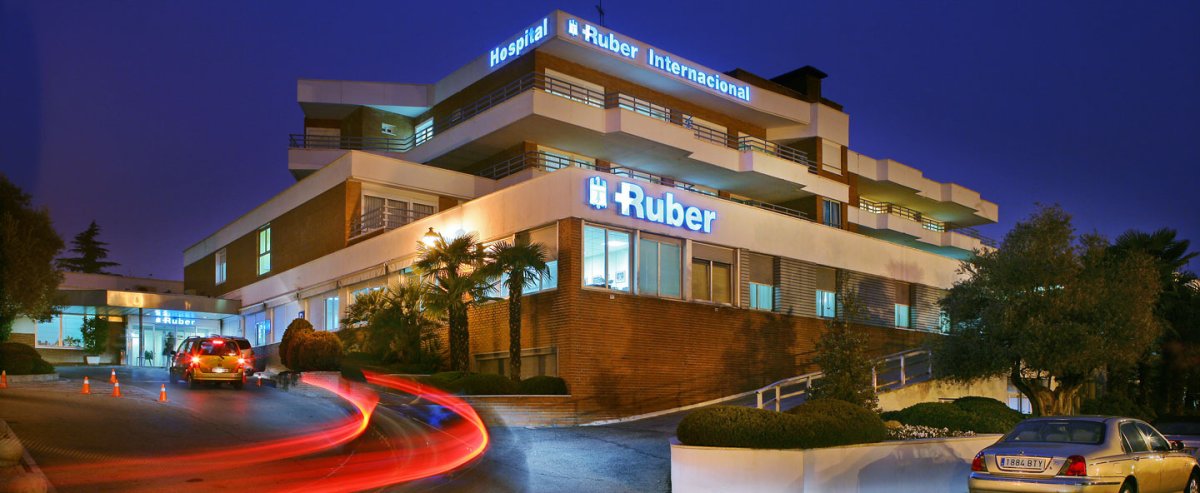
رؤية خبير Bookimed: تظهر البيانات السريرية تمييزًا واضحًا بين المراكز التي تركز على رعاية الأطفال مقابل رعاية أمراض القلب الخلقية لدى البالغين. بينما يدير مستشفى SJD برشلونة للأطفال حجمًا كبيرًا من حالات الأطفال، فإن مستشفى Ruber Internacional مهيكل بشكل فريد لعلاج كل من الأطفال والبالغين. يجب على المرضى التحقق مما إذا كانت المنشأة توفر برامج انتقال مدى الحياة لإدارة VSD.
إجماع المرضى: يؤكد المرضى على أهمية العثور على فريق مخصص لأمراض القلب الخلقية بدلاً من قسم أمراض القلب العام. يشير الكثيرون إلى أهمية اختيار المراكز التي تجمع بين التصوير والجراحة والمراقبة بعد الجراحة في موقع واحد.
كيف تدعم المستشفيات الإسبانية المرضى الدوليين وعائلاتهم؟
تدعم المستشفيات الإسبانية العائلات الدولية من خلال أقسام مخصصة تدير التنسيق الطبي والتأمين والخدمات اللوجستية. توفر مرافق مثل Centro Médico Teknon وClinica Universidad de Navarra مساعدة متعددة اللغات ورعاية معتمدة من JCI. تلعب العائلات دوراً محورياً، حيث تقدم غالباً دعماً غير سريري بجانب السرير أثناء التعافي.
- الأقسام الدولية: تدير وحدات مخصصة المهام الإدارية وتنسق مع شركات التأمين العالمية.
- المساعدة اللغوية: توفر المراكز الكبرى مترجمين فوريين محترفين ووثائق طبية ثنائية اللغة.
- مشاركة العائلة: توفر المستشفيات أماكن إقامة بجانب السرير، بما في ذلك كراسي أو أسرّة للأقارب.
- الدعم اللوجستي: غالباً ما تشمل الخدمات النقل من المطار والمساعدة في العثور على سكن قريب.
رؤية خبير Bookimed: توفر المستشفيات الخاصة الإسبانية ميزة واضحة للعائلات من خلال نسب أعلى للموظفين إلى المرضى. في حين أن المراكز العامة ممتازة سريرياً، تعطي المستشفيات الخاصة مثل Hospital Quiron Barcelona الأولوية لخدمات الكونسيرج وجدولة المواعيد بشكل أسرع. بالنسبة للحالات المعقدة مثل عيب الحاجز البطيني، غالباً ما توفر هذه المرافق منسقين مخصصين لسد فجوة التواصل بين العائلات والجراحين.
إجماع المرضى: يلاحظ المرضى أنه على الرغم من أن الجراحين يتسمون بالمباشرة، إلا أن الرعاية تعتمد بشكل عميق على العلاقة بمجرد بدء العلاج. يجب على العائلات إحضار سجلات مترجمة وطلب تحديثات يومية بنشاط أثناء الجولات الصباحية.