عيب الحاجز البطيني العلاج في تايلاند - التكاليف 2026


تمت مراجعة المقالة طبيا من قبل
فهد مولود
ما هي تكلفة عيب الحاجز البطيني إجراءات التشخيص والعلاج في تايلاند؟ اعرف الآن
تتراوح تكلفة علاج عيب الحاجز البطيني في تايلاند عادةً ما بين $14,000 / 476,000฿ و $24,000 / 816,000฿ للإغلاق الجراحي. من $45 / 1,500฿. تعتمد التكاليف الإجمالية على عمر المريض، وحجم العيب، وما إذا كانت هناك حاجة لجراحة القلب المفتوح، والتي تتراوح تكلفتها بين $13,000 / 442,000฿ و $22,000 / 748,000฿. يمكن للمرضى توقع توفير ما بين 40-60% مقارنة بالولايات المتحدة. وتعد بانكوك وبوكيت وتشيانغ ماي مراكز العلاج الرئيسية.
تكاليف علاج عيب الحاجز البطيني النموذجية في تايلاند
- استشارة جراح القلب: من $45 / 1,500฿
- جراحة عيب الحاجز البطيني: $14,000 / 476,000฿ – $24,000 / 816,000฿
- جراحة القلب المفتوح: $13,000 / 442,000฿ – $22,000 / 748,000฿
- جراحة عيب الحاجز بين البطينين: $14,000 / 476,000฿ – $22,000 / 748,000฿
رؤية خبراء Bookimed: بالنسبة لإصلاحات القلب المعقدة، يضمن اختيار المرافق المعتمدة من اللجنة الدولية المشتركة (JCI) الالتزام بمعايير السلامة الدولية. يُعد مستشفى بامرونجراد الدولي في بانكوك رائداً عالمياً في جراحة القلب، حيث يستقبل أكثر من مليون مريض سنوياً ويعمل به طاقم يضم 1300 طبيب. هذا المركز مثالي للمرضى الدوليين الباحثين عن رعاية متطورة تقنياً. نهجهم متعدد التخصصات هو الأفضل لحالات الأطفال التي تتطلب رعاية مركزة متخصصة بعد الجراحة.
| تايلاند | تركيا | إسبانيا | |
|---|---|---|---|
| عملية القلب المفتوح | ≈ $13,000 / 442,000฿ | من $13,500 / 459,000฿ | من $50,500 / 1,717,000฿ |
| جراحة عيوب الحاجز التداخلية | ≈ $14,000 / 476,000฿ | من $10,500 / 357,000฿ | ≈ $35,000 / 1,190,000฿ |
| جراحة عيب الحاجز البطيني (VSD) | ≈ $14,000 / 476,000฿ | من $15,000 / 510,000฿ | ≈ $21,000 / 714,000฿ |
مزاياك وضماناتك مع Bookimed
أسعار مباشرة
Bookimed لا يضيف رسوماً إضافية على أسعار علاج عيب الحاجز البطيني. الأسعار مأخوذة من قوائم الأسعار الرسمية للعيادات. تدفع مباشرة في العيادة مقابل علاجك عند وصولك إلى البلد.
عيادات وأطباء معتمدون فقط
Bookimed ملتزم بسلامتك. نحن نعمل فقط مع المؤسسات الطبية التي تحافظ على معايير دولية عالية في علاج عيب الحاجز البطيني ولديها التراخيص اللازمة لخدمة المرضى الدوليين في جميع أنحاء العالم.
مساعدة مجانية على مدار الساعة
Bookimed يقدم مساعدة خبراء مجانية. منسق طبي شخصي يدعمك قبل وأثناء وبعد العلاج، ويحل أي مشاكل. لن تكون وحيداً أبداً في رحلة علاج عيب الحاجز البطيني.

منسقك الطبي الشخصي في Bookimed
- يدعمك في كل مرحلة
- المساعدة في اختيار العيادة الطبية المناسبة والطبيب المناسب
- يضمن الوصول السريع والمريح إلى المعلومات
اكتشف أفضل عيب الحاجز البطيني العيادات في تايلاند: 1 خيار معتمدة والأسعار





احصلوا على تقييم طبي لـ عيب الحاجز البطيني في تايلاند: استشيروا أطباء ذوي خبرة الآن
عرض جميع الأطباء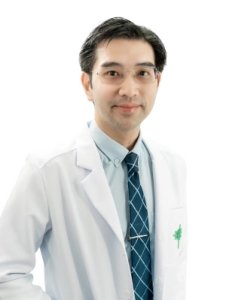
Teerapat Charoenwit
مشاركة المحتوى
قصص فيديو من مرضى Bookimed
 Anna Leonova
أسئلة متكررة حول علاج عيب الحاجز البطيني في تايلاند
ما هو معدل نجاح علاج عيب الحاجز البطيني (VSD) في تايلاند؟
يحافظ علاج عيب الحاجز البطيني في تايلاند على معدل نجاح مرتفع. غالبًا ما يتجاوز التصحيح الجراحي 95% لمعظم المرضى. تظهر إجراءات الإغلاق عبر القسطرة معدلات نجاح تتراوح بين 90% و95%. تستخدم مراكز القلب المتخصصة تصويرًا متقدمًا ومختبرات هجينة لضمان نتائج آمنة لإصلاح عيوب القلب الخلقية.
- النجاح الجراحي: غالبًا ما تصل نتائج جراحة القلب المفتوح إلى 95% إلى 99% للإصلاحات الأولية.
- نتائج القسطرة: تحافظ عمليات الإغلاق عبر القسطرة عادةً على معدلات نجاح تتراوح بين 90% و95% لأنواع العيوب المناسبة.
- تصنيف المراكز: تُصنف مرافق مثل مستشفى بامرونجراد الدولي ضمن أفضل مراكز قلب الأطفال على مستوى العالم.
- معايير الاعتماد: تحمل مراكز القلب التايلاندية الرائدة شهادات اللجنة الدولية المشتركة (JCI) ومعايير الآيزو الدولية.
رؤية خبير Bookimed: يعود النجاح في تايلاند إلى الحجم الهائل للمرضى. يعالج مستشفى بامرونجراد الدولي وحده أكثر من مليون مريض سنويًا. يستفيد قسم جراحة القلب لديهم من هذا التردد العالي. غالبًا ما تبلغ المراكز ذات الحجم الكبير عن نتائج أكثر استقرارًا لأن الفرق تدير حالات خلقية معقدة يوميًا. توفر أقسامهم السبعون المتخصصة الدعم الضروري بعد الجراحة للتعافي.
إجماع المرضى: يؤكد المرضى أن خبرة الجراح في العيوب الخلقية تهم أكثر من تصنيفات العيادات العامة. ويشيرون إلى أن تحديد أضرار القلب الشخصية مثل ارتفاع ضغط الدم الرئوي قبل الجراحة أمر حيوي للصحة على المدى الطويل.
ما هو أفضل عمر للطفل لإجراء عملية إصلاح عيب الحاجز البطيني (VSD) في تايلاند؟
في تايلاند، يوصي الجراحون عادةً بإجراء إصلاح عيب الحاجز البطيني في غضون الأشهر الثلاثة إلى الستة الأولى من العمر. تنطبق هذه الفترة على العيوب الكبيرة التي تسبب أعراضاً. يجب أن يتلقى معظم الأطفال العلاج قبل سن الثانية. هذا يمنع تلف الرئة الدائم ويضمن نمواً صحياً.
- التوقيت الأمثل: عادةً من 3 إلى 6 أشهر لعيوب القلب الكبيرة المصحوبة بأعراض.
- المعايير الإلزامية: الاستقرار بالأدوية والوصول إلى وزن آمن مطلوبان.
- التشخيص المتأخر: الإصلاحات الناجحة ممكنة في أعمار أكبر للمرضى المستقرين.
- أدوات التشخيص: يستخدم أطباء قلب الأطفال التصوير بالرنين المغناطيسي للقلب والموجات فوق الصوتية لتحديد التوقيت المناسب.
رؤية خبير بوكيميد: في حين أن الثقوب الصغيرة قد تغلق بشكل طبيعي، تتطلب عيوب الحاجز البطيني الكبيرة مراكز ذات حجم عمل كبير. يعالج مستشفى بومرونجراد الدولي أكثر من 1,000,000 مريض سنوياً. ويحافظون على اعتماد JCI والاعتماد العالمي للرعاية الصحية. غالباً ما يترجم حجم مرضاهم الهائل إلى إدارة أكثر سلاسة حول الجراحة للرضع. تساعد هذه الخبرة في إدارة مشاكل ضغط الرئة الحساسة لدى الأطفال الصغار.
إجماع المرضى: يلاحظ الآباء أن زيادة الوزن والالتهابات المتكررة مؤشرات أفضل من العمر. ويؤكدون على أهمية إجراء مخطط صدى القلب فوراً إذا كان الطفل يعاني من صعوبة في التنفس.
ما هي فترة التعافي بعد علاج عيب الحاجز البطيني (VSD) في تايلاند؟
تستغرق فترة التعافي الأولية بعد علاج عيب الحاجز البطيني في تايلاند من أسبوع إلى أسبوعين للإجراءات المعتمدة على القسطرة. وتتطلب جراحة القلب المفتوح من 6 إلى 8 أسابيع لالتئام الصدر. يبقى معظم المرضى في بانكوك لمدة 7 إلى 10 أيام للحصول على رعاية المتابعة الأساسية. يحدث التعافي الكامل عادةً في غضون 3 أشهر.
- الإقامة في المستشفى: يبقى المرضى عادةً من 5 إلى 7 أيام للمراقبة والتعافي.
- إغلاق القسطرة: تسمح التقنيات طفيفة التوغل بالعودة إلى الروتين في أسبوعين.
- الإصلاح الجراحي: تتطلب إجراءات القلب المفتوح 8 أسابيع للشفاء الكامل للعظام والأنسجة.
- تعافي الأطفال: عادةً ما يتعافى الأطفال بشكل ملحوظ في غضون شهرين إلى ثلاثة أشهر بعد الجراحة.
رؤية خبير بوكيميد: تايلاند مركز رئيسي لرعاية القلب. يدير مستشفى بومرونجراد الدولي أكثر من مليون مريض سنوياً. يضمن حجمهم الكبير مع المرضى الدوليين متابعة ما بعد الجراحة بشكل مبسط. غالباً ما يكون لدى المراكز المعتمدة من JCI منسقون مخصصون. إنهم يديرون إقامتك المحلية وفحوصات المتابعة بكفاءة. هذا يقلل من ضغوط التعافي أثناء وجودك في الخارج.
إجماع المرضى: يلاحظ المرضى أنه على الرغم من التئام الجرح بسرعة، إلا أن مستويات الطاقة تختلف لعدة أسابيع. يوصي الكثيرون بالتخطيط لمزيد من الراحة حتى بعد الحصول على تصريح للقيام بأنشطة خفيفة.
هل يحتاج طفلي المصاب بعيب الحاجز البطيني (VSD) إلى سعرات حرارية إضافية لدعم زيادة الوزن؟
غالباً ما يحتاج الأطفال المصابون بعيوب الحاجز البطيني إلى سعرات حرارية إضافية لدعم زيادة الوزن. حيث يعمل القلب والرئتان بجهد أكبر، مما يؤدي إلى حرق طاقة أكبر بكثير. هذا الطلب الأيضي، جنباً إلى جنب مع التعب أثناء الرضاعة، يؤدي إلى ضعف النمو. وغالباً ما تعالج التركيبات عالية السعرات الحرارية أو حليب الأم المدعم هذه المشاكل.
- عملية أيض أعلى: يضخ القلب بشكل أسرع، مما يتطلب طاقة متزايدة للوظائف الأساسية.
- التعب أثناء الرضاعة: غالباً ما يتعب الرضع في غضون 15 دقيقة ويتوقفون عن الأكل قبل الأوان.
- الكثافة الحرارية: التركيبات المتخصصة أو المضافات تزيد من الطاقة دون زيادة حجم السائل.
- التغذية بالأنبوب: توفر الأنابيب الأنفية المعدية التغذية اللازمة إذا لم يستطع الطفل الرضاعة من الزجاجة.
رؤية خبير بوكيميد: تستخدم المستشفيات التايلاندية مثل مستشفى بومرونجراد الدولي أدوات تشخيصية متقدمة مثل التصوير بالرنين المغناطيسي للقلب لمراقبة حمل القلب. تظهر البيانات أن الرضع الذين يعانون من عيوب أكبر يحرقون السعرات الحرارية بنسبة 20% أسرع من أقرانهم الأصحاء. التدخل الغذائي المبكر في مراكز بانكوك غالباً ما يعمل على استقرار وظائف القلب قبل الإصلاح الجراحي المخطط له.
إجماع المرضى: يلاحظ الآباء أن تتبع الوزن أسبوعياً أمر حيوي لأن النمو يمكن أن يتوقف فجأة. يقترح الكثيرون التحول إلى التركيبات عالية السعرات الحرارية في وقت مبكر إذا بدا أن الأطفال متعبون جداً لإنهاء زجاجات الحليب.
كم مرة يحتاج الطفل إلى مواعيد متابعة بعد علاج عيب الحاجز البطيني (VSD) في تايلاند؟
تتبع متابعة عيب الحاجز البطيني (VSD) في تايلاند جدولاً زمنياً منظماً. تحدث الفحوصات الأولية بعد أسبوع إلى 3 أسابيع من الخروج من المستشفى. وتحدث الزيارات اللاحقة بعد شهر إلى 3 أشهر. ينتقل المرضى المستقرون إلى المراقبة طويلة الأمد كل سنتين إلى 5 سنوات. وهذا يضمن الشفاء المناسب ووظيفة القلب.
- التقييم الأولي: تحدث الزيارة الأولى بعد 1-3 أسابيع من الخروج للتحقق من الشفاء.
- التصوير التشخيصي: يجري الجراحون تخطيط صدى القلب للتحقق من الإغلاق الكامل للعيب.
- المراقبة المتوسطة: غالباً ما يزور الأطفال المستقرون الطبيب كل 6-12 شهراً خلال العام الأول.
- التكرار طويل الأمد: تحدث الفحوصات الروتينية عادة كل 3-5 سنوات للإصلاحات غير المعقدة.
رؤية خبير Bookimed: تدير المراكز المعتمدة من اللجنة الدولية المشتركة (JCI) مثل مستشفى بامرونجراد الدولي أكثر من 500,000 حالة دولية سنوياً. حجم حالاتهم المرتفع يعني أنهم يوفرون جداول خروج موحدة. تساعد هذه الجداول الآباء على تنسيق تخطيط صدى القلب المستقبلي مع المتخصصين المحليين عند العودة إلى الوطن. يضمن هذا التنسيق استمرارية الرعاية عالمياً.
إجماع المرضى: يؤكد الآباء أن "الإصلاح" لا يعني "الانتهاء". يخطط الكثيرون لرحلة عودة واحدة على الأقل إلى تايلاند لفحص علامة الثلاثة أشهر.