علاج الوهن العضلي في إسبانيا: 2 مستشفيات


تمت مراجعة المقالة طبيا من قبل
فهد مولود
ما هي تكلفة الوهن العضلي إجراءات التشخيص والعلاج في إسبانيا؟ اعرف الآن
من $130
تكاليف علاج الوهن العضلي النموذجية في إسبانيا
- استشارة طبيب أعصاب: من $130
- تحليل موسع للدم: من $200
- تخطيط كهربية القلب (ECG): من $110
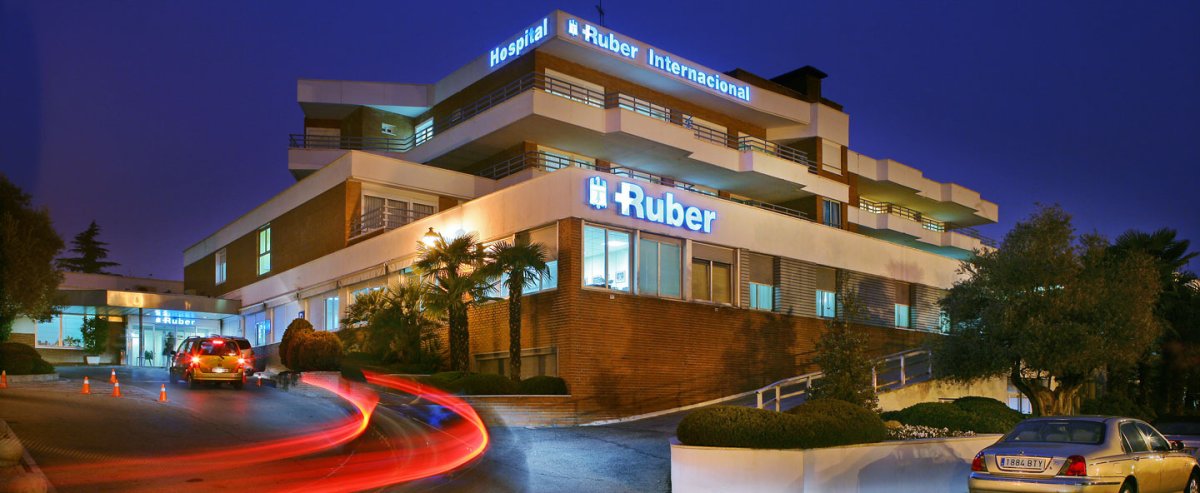
رؤية خبراء Bookimed: بالنسبة للحالات المعقدة التي تتطلب تنسيقاً متعدد التخصصات، توفر المراكز المعتمدة من اللجنة الدولية المشتركة (JCI) في مدريد أعلى معايير السلامة. يضم مستشفى روبر الدولي (Hospital Ruber Internacional) 42 قسماً متخصصاً، مما يجعله مثالياً للمرضى الذين يحتاجون إلى رعاية متكاملة. توفر المرافق واسعة النطاق مثل مستشفى HM سانشينارو الجامعي (Hospital Universitario HM Sanchinarro) معالجة تشخيصية فعالة لما يقرب من 400,000 مريض سنوياً. تُعد هذه المراكز ذات الكثافة العالية الأفضل للبالغين الذين يسعون للحصول على تأكيد سريع لبروتوكولات العلاج وفقاً لمعايير الجودة الدولية.
| تركيا | إسبانيا | ألمانيا | |
|---|---|---|---|
| تبادل البلازما | ≈ $3,900 | ≈ $2,400 | ≈ $3,800 |
| الفصل العلاجي للدم | من $4,500 | ≈ $1,400 | ≈ $1,400 |
| الفصل الانتقائي للدم | ≈ $1,600 | ≈ $1,800 | ≈ $2,800 |
| البلازما | من $3,200 | من $12,300 | ≈ $2,200 |
مزاياك وضماناتك مع Bookimed
أسعار مباشرة
Bookimed لا يضيف رسوماً إضافية على أسعار علاج الوهن العضلي. الأسعار مأخوذة من قوائم الأسعار الرسمية للعيادات. تدفع مباشرة في العيادة مقابل علاجك عند وصولك إلى البلد.
عيادات وأطباء معتمدون فقط
Bookimed ملتزم بسلامتك. نحن نعمل فقط مع المؤسسات الطبية التي تحافظ على معايير دولية عالية في علاج الوهن العضلي ولديها التراخيص اللازمة لخدمة المرضى الدوليين في جميع أنحاء العالم.
مساعدة مجانية على مدار الساعة
Bookimed يقدم مساعدة خبراء مجانية. منسق طبي شخصي يدعمك قبل وأثناء وبعد العلاج، ويحل أي مشاكل. لن تكون وحيداً أبداً في رحلة علاج الوهن العضلي.

منسقك الطبي الشخصي في Bookimed
- يدعمك في كل مرحلة
- المساعدة في اختيار العيادة الطبية المناسبة والطبيب المناسب
- يضمن الوصول السريع والمريح إلى المعلومات
اكتشف أفضل الوهن العضلي العيادات في إسبانيا: 2 خيارات معتمدة والأسعار





احصلوا على تقييم طبي لـ الوهن العضلي في إسبانيا: استشيروا أطباء ذوي خبرة الآن
عرض جميع الأطباء
Anna Pujol
الدكتورة آنا بوجول هي طبيبة أعصاب في مركز تيكنون الطبي في برشلونة. وهي متخصصة في الصداع المزمن، والصداع النصفي، وأمراض الأعصاب والعضلات. عملت الدكتورة بوجول سابقاً كمنسقة لوحدة أبحاث الذاكرة في مستشفى سانت باو. وهي حاصلة على درجة الدكتوراه التي تركز على المضاعفات العصبية لزراعة الكبد.
- عضو في الأكاديمية الأمريكية لطب الأعصاب والجمعية الكتالونية لطب الأعصاب.
- تعالج اضطرابات الذاكرة، والتصلب المتعدد، والمضاعفات العصبية لفيروس كوفيد-19.
- عملت كأستاذة لطب الأعصاب في المعهد
مشاركة المحتوى
قصص فيديو من مرضى Bookimed
 Anna Leonova
أسئلة متكررة حول علاج الوهن العضلي في إسبانيا
ما هي المستشفيات في إسبانيا التي تقدم الرعاية الأكثر تخصصاً لمرض الوهن العضلي الوبيل (Myasthenia Gravis)؟
تقدم إسبانيا رعاية متخصصة لمرض الوهن العضلي الوبيل من خلال وحدات عصبية عضلية مخصصة في مدريد وبرشلونة. تشمل المرافق الرائدة مستشفى جامعة لا باز (Hospital Universitario La Paz) ومستشفى روبر الدولي (Hospital Ruber Internacional). توفر هذه المراكز تشخيصات متقدمة مثل تحاليل الدم الموسعة واستشارات عصبية متخصصة ضمن بيئات معتمدة من اللجنة الدولية المشتركة (JCI).
- الوحدات العصبية العضلية: تتعامل مراكز مثل مستشفى جامعة HM سانشينارو (Hospital Universitario HM Sanchinarro) مع الحالات المعقدة.
- الحجم السريري: يعالج مستشفى روبر الدولي أكثر من 25,000 مريض دولي ومحلي سنوياً.
- دقة التشخيص: تستخدم المستشفيات لوحات دم متخصصة وتخطيط كهربائية القلب (ECG) لتحديد مراحل المرض بدقة.
- معايير الاعتماد: غالباً ما تحمل المرافق شهادات ISO وأختام اللجنة الدولية المشتركة (JCI).
رؤية خبير Bookimed: تتعامل عيادات مثل مستشفى جامعة HM سانشينارو مع حجم هائل يصل إلى 400,000 مريض. غالباً ما يؤدي تدفق المرضى المرتفع هذا إلى عمليات تشخيص مبسطة للغاية. عادةً ما تشهد الوحدات المتخصصة في مثل هذه المراكز ذات الحجم الكبير العديد من المتغيرات المناعية الذاتية النادرة. وهذا يضمن أن أطباء الأعصاب لديهم خبرة عميقة في إدارة تدخلات الأزمات المعقدة.
إجماع المرضى: غالباً ما يؤكد المرضى على أهمية البحث عن المستشفيات التابعة للجامعات للحصول على فرق الأعصاب الأكثر خبرة. ويشيرون إلى أن مرافق العناية المركزة العصبية المتخصصة ضرورية لإدارة الأعراض الشديدة بفعالية.
ما هي بروتوكولات العلاج القياسية التي يتبعها أطباء الأعصاب الإسبان لعلاج الوهن العضلي الوبيل (Myasthenia Gravis)؟
يتبع أطباء الأعصاب الإسبان بروتوكولات قياسية. تبدأ هذه البروتوكولات بالعلاج العرضي باستخدام بيريدوستيجمين. ثم يقوم الأطباء بإدخال العلاج المثبط للمناعة. الحالات المتقدمة تتلقى عوامل بيولوجية أو تخضع لاستئصال الغدة الزعترية. تستخدم مستشفيات مثل مستشفى جامعة HM Sanchinarro ومستشفى Ruber Internacional هذه الأساليب القائمة على الأدلة لرعاية البالغين والأطفال.
- علاج الخط الأول: بيريدوستيجمين من 30 مجم إلى 60 مجم. يُعطى من ثلاث إلى ست مرات يومياً.
- مثبطات المناعة: بريدنيزون مدمج مع عوامل تجنيب الستيرويد. أزاثيوبرين هو الخيار غير الستيرويدي المفضل.
- العوامل البيولوجية: ريتوكسيماب هو المعيار للأجسام المضادة MuSK الإيجابية. كما تُستخدم مضادات FcRn.
- إدارة الأزمات: يوفر تبادل البلازما أو الغلوبولين المناعي الوريدي تحسناً سريعاً. فصادة البلازما متاحة على نطاق واسع.
- التدخل الجراحي: استئصال الغدة الزعترية إلزامي لحالات الورم الزعتري. ويوصى به للوهن العضلي العام.
رؤية خبراء Bookimed: تُظهر مراكز الأعصاب الإسبانية حجماً كبيراً من رعاية المرضى المعقدة. يخدم مستشفى جامعة HM Sanchinarro 400,000 مريض سنوياً. ويعالج مستشفى Ruber Internacional 25,000 مريض كل عام. يشير هذا الحجم الهائل إلى أن العيادات تحافظ على كفاءة استثنائية في إدارة حالات المناعة الذاتية النادرة. يستفيد المرضى من أقسام متعددة. يضم مستشفى Ruber Internacional وحده 42 قسماً متخصصاً لتنسيق الرعاية.
إجماع المرضى: يشير المرضى إلى أن المستشفيات الإسب
هل يمكن للمرضى الدوليين الوصول إلى رعاية الوهن العضلي العامة في إسبانيا؟
يصل المرضى الدوليون إلى رعاية الوهن العضلي العامة في إسبانيا بشكل أساسي من خلال بطاقات التأمين الصحي الأوروبية أو الإقامة. يستخدم مواطنو الاتحاد الأوروبي بطاقة التأمين الصحي الأوروبية للعلاجات العاجلة. يجب على زوار خارج الاتحاد الأوروبي الدفع مقدمًا مقابل الخدمات العامة. يتمتع المقيمون الذين لديهم ضمان اجتماعي بتغطية كاملة.
- شرط الإقامة: التسجيل المحلي المسمى empadronamiento إلزامي للوصول الكامل إلى النظام العام.
- أوقات الانتظار: غالبًا ما تتضمن مواعيد الأعصاب العامة أوقات انتظار تتراوح من 2 إلى 6 أشهر.
- الوصول للاتحاد الأوروبي: تغطي بطاقة التأمين الصحي الأوروبية الرعاية المزمنة الضرورية طبيًا أثناء الإقامات المؤقتة.
- البديل الخاص: توفر مرافق مثل مستشفى روبير الدولي تشخيصات أسرع وفقًا لمعايير اللجنة الدولية المشتركة.
رؤية خبير Bookimed: يختار العديد من المرضى الدوليين مدريد لمراكزها ذات الحجم الكبير مثل مستشفى جامعة HM Sanchinarro. يدير هذا المرفق 400,000 مريض سنويًا، مما يشير إلى خبرة تشخيصية عميقة. توفر العيادات الخاصة في المدن الكبرى منسقين يتحدثون الإنجليزية وهو ما يفتقر إليه النظام العام غالبًا. يساعد هذا في تجنب تأخيرات التسجيل المحلي ويقصر الطريق إلى الرعاية المتخصصة.
إجماع المرضى: يشير المرضى إلى أن التنقل في عملية التسجيل العامة أمر صعب بدون إتقان اللغة الإسبانية. يوصي الكثيرون بالبدء بالتشخيصات الخاصة لتخطي انتظار 6 أشهر للجراحة أو الاختبارات المتخصصة.
ما هي الأدوية التي يجب أن أتجنبها لمنع تفاقم أعراض الوهن العضلي أثناء وجودي في إسبانيا؟
يجب على المرضى في إسبانيا تجنب الفلوروكينولونات مثل سيبروفلوكساسين والماكروليدات مثل أزيثروميسين. يمكن لهذه المضادات الحيوية أن تسبب ضعفاً تنفسياً حاداً. كما أن بعض حاصرات بيتا والستاتينات تزيد من سوء النقل العصبي العضلي. قم دائماً بإبلاغ أطباء الأعصاب الإسبان بحالتك قبل البدء في أي علاج دوائي جديد.
- حاصرات النقل العصبي العضلي: الأمينوغليكوزيدات مثل الجنتاميسين والتوبراميسين قد تعيق إشارات الأعصاب إلى العضلات.
- أدوية القلب والأوعية الدموية: حاصرات بيتا مثل بروبرانولول وأتينولول قد تسبب إرهاقاً عضلياً مفاجئاً.
- الكيتوليدات الممنوعة: يُمنع استخدام تيليثروميسين منعاً باتاً لمرضى الوهن العضلي الوبيل.
- محفزات الأعراض: الكينين الموجود في مياه التونيك ومكملات المغنيسيوم غالباً ما تسبب نوبات تفاقم.
رؤية خبراء Bookimed: تُصنف إسبانيا ضمن أفضل خمس وجهات عالمية للطلبات الطبية في شبكتنا. تدير مرافق مثل مستشفى جامعة HM Sanchinarro أكثر من 400,000 مريض سنوياً. يسمح هذا الحجم الكبير للفرق متعددة التخصصات بتنسيق رعاية الوهن العضلي المعقدة. نوصي بطلب استشارة طبيب أعصاب أثناء أي زيارة للمستشفى. توفر المراكز الكبيرة في مدريد تحليلات دم شاملة لمراقبة التفاعلات الدوائية.
إجماع المرضى: يؤكد المرضى أن حتى العناصر الشائعة مثل مياه التونيك أو المغنيسيوم المتاح بدون وصفة طبية يمكن أن تسبب مشاكل. من الضروري حمل بطاقة تنبيه طبي للصيدليات والأطباء الإسبان.