علاج الوهن العضلي في النمسا — احصل على 3 عيادات مختارة خصيصاً لك


تمت مراجعة المقالة طبيا من قبل
فهد مولود
كيف نعمل؟
ما هي تكلفة الوهن العضلي إجراءات التشخيص والعلاج في النمسا؟ اعرف الآن
تتضمن تكلفة علاج الوهن العضلي في النمسا عادةً الخدمات التشخيصية الأساسية مثل استشارة طبيب أعصاب، والتي تتراوح تكلفتها من $150 إلى $300. قد يحتاج المرضى أيضًا إلى تحليل دم موسع يتراوح سعره من $150 إلى $400. تعتمد النفقات الإجمالية على المرحلة السريرية، وضرورة إجراء استئصال الغدة الزعترية، وبروتوكولات العلاج الدوائي المختارة. يوفر العلاج في النمسا وفورات تتراوح بين 20-30% تقريبًا مقارنة بالولايات المتحدة. تظل فيينا الوجهة الرئيسية للرعاية العصبية.
تكاليف علاج الوهن العضلي النموذجية في النمسا
- استشارة طبيب أعصاب: $150 – $300
- تحليل دم موسع: $150 – $400
- تخطيط كهربية القلب (ECG): من $60
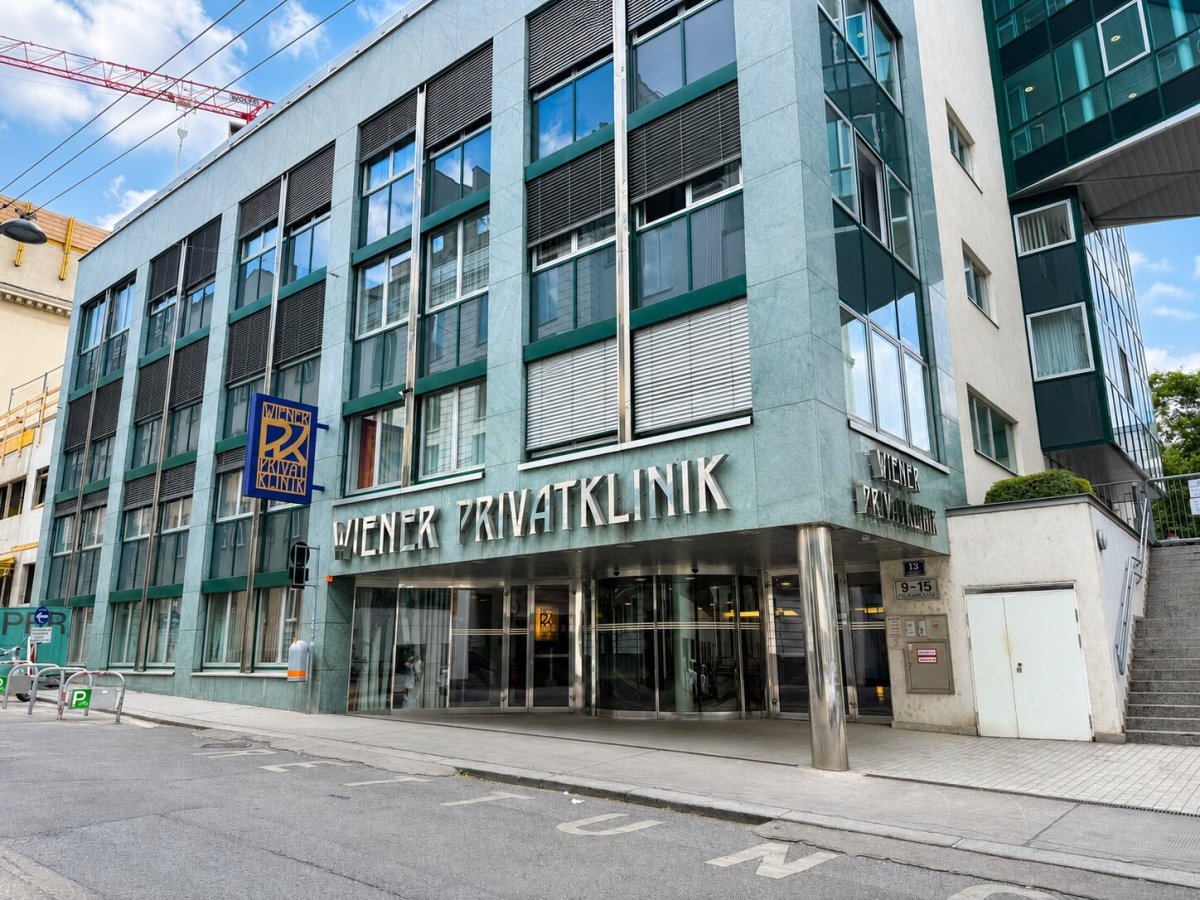
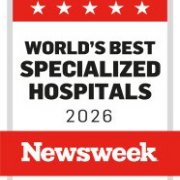
رؤية خبراء Bookimed: يستفيد المرضى الذين يبحثون عن تشخيص عالي الدقة من المراكز التابعة للجامعات في فيينا. يخدم مستشفى فيينا العام (AKH) أكثر من 595,000 مريض سنويًا بوجود 1,600 طبيب متخصص. بالنسبة لأولئك الذين يعطون الأولوية للرعاية الشخصية، توظف عيادة فيينا الخاصة (Wiener Privatklinik) العديد من الأساتذة من جامعة فيينا الطبية. تم تصنيف هذه العيادة ضمن أفضل المستشفيات في العالم من قبل مجلة نيوزويك. تضمن أقسامها الثلاثون المتخصصة إدارة متعددة التخصصات للحالات العصبية المعقدة.
| النمسا | تركيا | إسبانيا | |
|---|---|---|---|
| تبادل البلازما | ≈ $3,800 | ≈ $3,900 | ≈ $2,400 |
| الفصل العلاجي للدم | ≈ $1,800 | من $4,500 | ≈ $1,400 |
| الفصل الانتقائي للدم | ≈ $1,800 | ≈ $1,600 | ≈ $1,800 |
| البلازما | ≈ $2,000 | من $3,200 | من $12,300 |
اكتشف أفضل الوهن العضلي العيادات في النمسا: 2 خيارات معتمدة والأسعار






المراجعات
جميع المراجعاتمشاركة المحتوى
قصص فيديو من مرضى Bookimed
 Anna Leonova
أسئلة متكررة حول علاج الوهن العضلي في النمسا
ما هي معايير السلامة المتبعة في المستشفيات النمساوية عند إجراء جراحة الوهن العضلي الوبيل؟
تلتزم المستشفيات النمساوية بقانون جودة الرعاية الصحية النمساوي (GQG)، الذي يفرض استراتيجيات سلامة اتحادية صارمة. كما تلتزم المؤسسات الطبية بتوصيات الجمعية الأوروبية لجراحي الصدر. تضمن هذه البروتوكولات استقرار الحالة السريرية قبل الجراحة، مما يساهم في استقرار المرضى وتقليل المخاطر.
- مراقبة الجودة: تستخدم المستشفيات مؤشرات جودة المرضى الداخليين (A-IQI) لتقييم العمليات الجراحية.
- سلامة التخدير: يتجنب الأخصائيون استخدام بعض مرخيات العضلات لمنع مشاكل التنفس.
- تتبع النشاط العصبي العضلي: تؤكد مراقبة التحفيز الرباعي استجابة العضلات الآمنة قبل إزالة أنبوب التنفس.
- التقنيات طفيفة التوغل: يستخدم الجراحون تقنيات بمساعدة الفيديو أو الروبوت لتقليل فقدان الدم.
رأي خبراء بوكيميد: يُبرهن اعتماد مستشفى فيينا العام (AKH) وعيادة فيينا الخاصة (Wiener Privatklinik) على التزامهما بمعايير ISO. يعمل في هاتين العيادتين أساتذة جامعيون متخصصون في علاج الأمراض العصبية العضلية المعقدة. يضمن هذا المستوى العالي من التخصص فهم الجراحين لأسباب الأزمات ما بعد الجراحة. كما يتيح اختيار هذين المركزين الرئيسيين الوصول إلى أسرّة العناية المركزة العصبية المتخصصة والتشخيصات المخبرية.
ما مدى خبرة الجراحين النمساويين في إجراء عملية استئصال الغدة الزعترية لعلاج الوهن العضلي الشديد؟
يتمتع الجراحون النمساويون بخبرة واسعة في إجراء عمليات استئصال الغدة الزعترية لعلاج الوهن العضلي الوبيل في المراكز الطبية الأكاديمية. ويستخدم كبار المتخصصين تقنيات الروبوت، ويجرون هذه العمليات منذ أكثر من 15 عامًا. وتشير مراكز مثل مستشفى فيينا العام (AKH) إلى خبرة تزيد عن 30 عامًا في علاج هذا المرض.
- خبرة الجراحة الروبوتية: يستخدم الجراحون نظام دافنشي منذ أكثر من 15 عامًا.
- الاستجابة السريرية: يحقق ما يقرب من 72% من المرضى هدأة سريرية أو أعراضًا طفيفة بعد الجراحة.
- فترة التعافي: تتطلب الإجراءات طفيفة التوغل عادةً 4 أيام فقط في المستشفى.
- الريادة في الجراحة: البروفيسور والتر كليبتكو من عيادة فينر الخاصة هو رائد عالمي في مجال جراحة الصدر.
رأي خبراء بوكيميد: تكمن قوة جراحة الصدر في النمسا في كثافة الأطباء العالية والبنية التحتية الأكاديمية المتطورة. تضم عيادة فيينا الخاصة أكثر من 400 طبيب، العديد منهم أساتذة في جامعة فيينا الطبية. وهذا يضمن حصول المرضى، حتى المرضى الذين يتلقون العلاج الخاص، على العلاج الجراحي من خبراء يقودون برامج بحثية جامعية رائدة.
آراء المرضى: يؤكد المرضى على أهمية اختيار الجراحة الروبوتية
ما هي التقنيات المستخدمة في استئصال الغدة الزعترية في النمسا، وأي منها سيتم اختياره لي؟
يستخدم جراحو الصدر النمساويون بشكل أساسي الجراحة التنظيرية بمساعدة الروبوت (RATS) أو الجراحة التنظيرية بمساعدة الفيديو (VATS) لعلاج الوهن العضلي الوبيل. تتضمن هذه التقنيات طفيفة التوغل إجراء شقوق صغيرة. ويعتمد اختيار التقنية على حجم الغدة الزعترية، والعمليات الجراحية السابقة في الصدر، ومرحلة المرض لضمان استئصال الأنسجة بشكل كامل.
- الجراحة الروبوتية: يستخدم الجراحون نظام دافنشي للتصوير ثلاثي الأبعاد وقطع الأنسجة بدقة.
- النهج التنظيري الصدري: تستخدم التقنيات بمساعدة الفيديو (VATS) كاميرات وأدوات متخصصة يتم إدخالها من خلال شقوق جانبية صغيرة.
- بضع القص المتوسط: يتم استخدام هذا النهج المفتوح للأورام الكبيرة التي تشمل الأوعية الدموية القريبة.
- التحضير للتشخيص: يشمل التحضير استشارة مع طبيب أعصاب، وتخطيط كهربية القلب، وفحص دم موسع.
رأي خبراء بوكيمد: غالبًا ما يستفيد المرضى في فيينا من التعاون الوثيق بين العيادات الخاصة والبحوث الأكاديمية. فعلى سبيل المثال، العديد من الأطباء الذين يزيد عددهم عن 400 طبيب في عيادة فيينا الخاصة هم أيضًا أساتذة في جامعة فيينا الطبية. يضمن هذا الارتباط أن تكون خطة الجراحة الخاصة بك، حتى في العيادات الخاصة، متوافقة مع أحدث الأبحاث الجامعية في جراحة
كم من الوقت سأحتاج للبقاء في النمسا لإجراء الفحص والعملية الجراحية؟
في النمسا، يحتاج المرضى الذين خضعوا لجراحة لعلاج الوهن العضلي الوبيل عادةً إلى فترة نقاهة تتراوح بين 10 و21 يومًا. تشمل هذه الفترة من 3 إلى 5 أيام لإجراء الفحوصات العصبية والتشخيص. وتستمر فترة الإقامة في المستشفى عادةً من 4 إلى 7 أيام. ويوصي الجراحون بفترة مراقبة إضافية لمدة 7 أيام تحسبًا لأي أزمات وهن عضلي بعد الجراحة.
- الفحص قبل الجراحة: تشمل الفحوصات التشخيصية تخطيط كهربية القلب، وفحوصات الدم، واستشارة طبيب أعصاب.
- مدة التشخيص: يستغرق الفحص الشامل وفحص وظائف الرئة من 3 إلى 10 أيام.
- العلاج الجراحي: في فيينا، تستغرق الإقامة في وحدة العناية المركزة عادةً من 5 إلى 7 أيام.
- فترة النقاهة: يوصي الجراحون بالانتظار من 10 إلى 14 يومًا بعد الجراحة لتحقيق استقرار الحالة قبل السفر جوًا.
رأي أحد خبراء بوكيمد: يُسهم التنسيق المهني بشكل كبير في تقصير مرحلة التشخيص في المراكز الكبرى مثل مستشفى فيينا العام (AKH). فعلى الرغم من أن المستشفى يعالج أكثر من 595,000 مريض سنويًا، إلا أن السفر الدولي المُجدول يُتيح تقليص فترة الفحص من 12 يومًا إلى خمسة أيام فقط. وتُعد هذه الكفاءة بالغة الأهمية لمرضى الوهن العضلي لتجنب الإرهاق البدني قبل الجراحة.
ما هي أفضل المدن النمساوية لعلاج الوهن العضلي، وما هي خدمات الدعم اللغوي المتاحة؟
تُعدّ فيينا المركز الرئيسي لعلاج الوهن العضلي في النمسا. وتضم المدينة مراكز متخصصة في الأمراض العصبية العضلية في مستشفياتها الجامعية. وتقدم العيادات علاجات متطورة، مثل فصل مكونات الدم الانتقائي وفصل البلازما. كما يوفر الطاقم الطبي في المؤسسات الخاصة والأكاديمية دعماً شاملاً للمرضى الدوليين باللغة الإنجليزية.
- المراكز المتخصصة: يضم مستشفى مدينة فيينا (AKH) مركزًا متخصصًا لعلاج الأمراض العصبية العضلية.
- الدعم اللغوي: يقدم طاقم عيادة فينر بريفاتكلينيك الخاصة الرعاية الطبية في بيئة متعددة اللغات.
- التشخيص الحديث: تستخدم المؤسسات الطبية فحوصات الدم المتقدمة وتخطيط كهربية القلب لتحديد مرحلة المرض بدقة.
- توافر العلاج: تعالج المستشفيات الكبيرة مثل مستشفى فيينا العام أكثر من 595000 مريض سنوياً.
رأي خبراء بوكيمد: ينبغي على المرضى الباحثين عن رعاية متخصصة أن يعلموا أن عيادة فيينا الخاصة تضم أكثر من 400 طبيب، والعديد منهم أساتذة في جامعة فيينا الطبية. يتيح هذا الهيكل للمرضى الوصول إلى خبرات أكاديمية رفيعة المستوى في بيئة خاصة، حيث يجمع بين أبحاث الأعصاب عالية الجودة وراحة المرافق الطبية الخاصة.
رأي المرضى: يلاحظ المر
ما هي الوثائق الطبية التي أحتاج إلى تقديمها لإجراء الفحص قبل العملية الجراحية لمرض الوهن العضلي الوبيل في النمسا؟
يتطلب التقييم قبل الجراحة لمرض الوهن العضلي الوبيل في النمسا توثيقًا متخصصًا للوظائف العصبية والتنفسية. ويُشترط تقديم تقرير عصبي حديث، يتضمن تصنيف مؤسسة الوهن العضلي الوبيل الأمريكية. كما تُعدّ نتائج اختبارات وظائف الرئة واختبارات الأجسام المضادة الحديثة إلزامية لتخطيط التخدير الآمن في مراكز مثل عيادة فيينا الخاصة.
- تقرير عصبي: استقرار المرض الحالي والتصنيف السريري لمرض الوهن العضلي الوبيل وفقًا لتصنيف مؤسسة الوهن العضلي الوبيل الأمريكية.
- اختبارات الجهاز التنفسي: السعة الحيوية القسرية وحلقات التدفق والحجم للتنبؤ باحتياجات التهوية بعد الجراحة.
- قائمة الأدوية الحالية: جرعات مفصلة من البيريدوستيغمين وأي مثبطات للمناعة، بما في ذلك معلومات عن الاستخدام الأخير.
- فحص أمراض القلب: نتائج تخطيط كهربية القلب الحديثة، حيث تتطلب بعض العيادات بيانات وظائف القلب الأساسية.
رأي خبراء بوكيمد: تفرض المراكز الأكاديمية، مثل مستشفى فيينا العام، متطلبات توثيق أكثر صرامة نظرًا لكثرة المرضى. ورغم أن بعض العيادات الخاصة تقبل التقارير باللغة الإنجليزية، إلا أن ترجمة نتائج اختبارات وظائف الرئة إلى الألمانية تُسهم في تجنب التأخير. ويحرص معظم الأخصائيين النمساويين البارزين على استقرار السعة الحيو
ما هي النتائج النموذجية طويلة المدى بعد استئصال الغدة الزعترية الذي يتم إجراؤه في النمسا؟
أظهرت نتائج طويلة الأمد في النمسا معدل استجابة سريرية أولية بنسبة 72% لدى مرضى الوهن العضلي الوبيل. ويحافظ نصف المرضى على تحسن مستمر لمدة سبع سنوات، ويشهد العديد منهم انخفاضًا ملحوظًا في الأعراض. وتشير المراكز النمساوية إلى معدل بقاء على قيد الحياة بنسبة 100% خلال فترة ما حول الجراحة، وفعالية عالية باستخدام تقنيات الروبوت طفيفة التوغل.
- معدلات النجاح: يحقق ما يقرب من 72% من المرضى هدأة أولية أو أعراض مرضية طفيفة.
- الاستقرار على المدى الطويل: يحافظ ما يقرب من 36% من جميع المرضى على استجابة مستدامة للعلاج دون انتكاس.
- سلامة الجراحة: أفادت مجموعات المرضى النمساوية المتخصصة بنسبة نجاة 100% بعد هذا الإجراء.
- سرعة التعافي: يمكن للجراحة التنظيرية الصدرية بمساعدة الفيديو أو الجراحة الروبوتية طفيفة التوغل أن تقلل من مدة الإقامة في المستشفى.
- المؤشر التنبؤي: يُعد الانخفاض السريع في مستويات الأجسام المضادة بعد الجراحة مؤشراً قوياً على استجابة إيجابية طويلة الأمد.
رأي خبراء بوكيمد: يُعدّ الربط بين العيادات الخاصة النمساوية والبحوث الجامعية ميزةً رئيسية. ففي عيادة فيينا الخاصة، يشغل العديد من الأطباء البالغ عددهم 400