علاج ورم وعائي في إسبانيا: 4 مستشفيات


تمت مراجعة المقالة طبيا من قبل
فهد مولود
كيف نعمل؟
ما هي تكلفة ورم وعائي إجراءات التشخيص والعلاج في إسبانيا؟ اعرف الآن
من $130
تكاليف علاج الورم الوعائي النموذجية في إسبانيا
- استشارة طبيب أعصاب: من $130
- استشارة جراح أعصاب: من $170
- تصوير مقطعي محوسب للجيوب الأنفية: من $680
- تحليل دم شامل: من $200
- تحليل تخثر الدم (Coagulogram): $30 – $60
- تخطيط كهربائية القلب (ECG): من $110
رؤية خبراء Bookimed: يحقق المرضى الأطفال الذين يعانون من حالات وعائية معقدة أفضل النتائج في المراكز المتخصصة. يُصنف مستشفى SJD برشلونة للأطفال ضمن أفضل ثلاث مؤسسات أوروبية لرعاية الأطفال. بالنسبة لحالات جراحة الأعصاب للبالغين، يقدم مركز تكنون الطبي (Centro Médico Teknon) خبرة معتمدة من اللجنة الدولية المشتركة (JCI) يفضلها المشاهير الدوليون. يضمن اختيار المراكز متعددة التخصصات في مدريد أو برشلونة الوصول إلى تقنيات الأوعية الدموية المتقدمة وفرق جراحية ذات خبرة عالية.
اكتشف أفضل ورم وعائي العيادات في إسبانيا: 4 خيارات معتمدة والأسعار




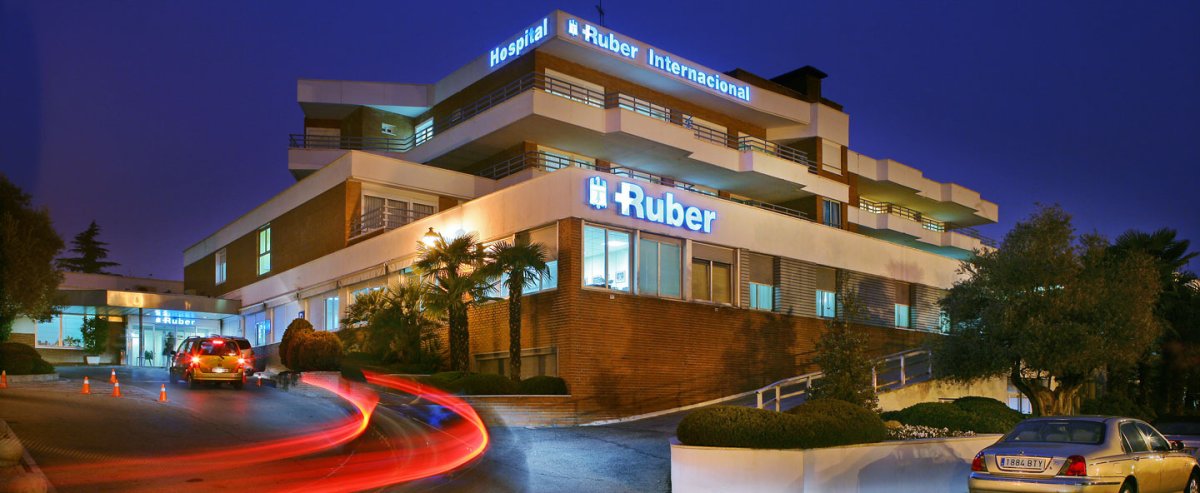


SJD Barcelona Children’s Hospital



احصلوا على تقييم طبي لـ ورم وعائي في إسبانيا: استشيروا أطباء ذوي خبرة الآن
عرض جميع الأطباء
César García Madrid
الدكتور هو خبير مشهور في علم الأوعية الدموية والجراحة الوعائية والجراحة داخل الأوعية، متخصص في العلاجات طفيفة التوغل والجراحة التقليدية لأمراض تمدد الأوعية الدموية الأبهري، نقص تروية الأطراف السفلية المزمن، والدوالي.<\/p>
رائد في العلاج غير الجراحي للدوالي باستخدام الترددات الراديوية داخل اللمعة وVenaSeal، يشغل الدكتور منصب مدير معهد الأوعية الدموية غارسيا-مدريد في مركز ميديكو تيكنون منذ عام 2005.<\/p>
مع أكثر من 200 ورقة منشورة حول الجراحة داخل الأوعية، حصل الدكتور عل

Gallardo Pedrajas
يشغل الدكتور غاياردو بيدراخاس دوراً رئيسياً في مستشفى كيرونسالود ماربيا كرئيس لقسم أمراض الأوعية الدموية وجراحتها، مع خبرة واسعة في علاجات الأوعية الدموية طفيفة التوغل.
- متخصص في حالات الأوعية الدموية بما في ذلك التشوهات الشريانية الوريدية
- حاصل على شهادة البورد في أمراض الأوعية الدموية وجراحتها مع خبرة 76 سنة
- باحث نشط لديه أكثر من 100 محاضرة ومنشور طبي
- عضو في الجمعية الأوروبية لجراحة الأوعية الدموية (ESVS)
- يعمل كأستاذ مساعد في جامعة مالقة
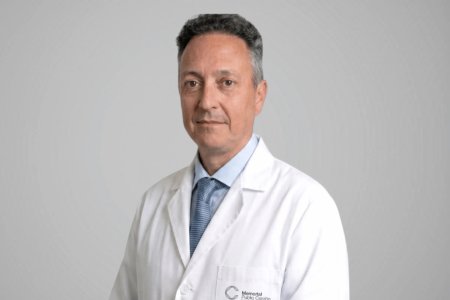
Alberto Romero Maté
يعمل الدكتور ألبرتو روميرو ماتي اختصاصيًا في الأمراض الجلدية والتناسلية في مستشفى بوبليو كوردون التذكاري في مدريد. ويعالج الأورام الوعائية الدموية وأمراض الجلد، مع التركيز على علم المناعة والأمراض المعدية. ويعمل في منشأة معتمدة من اللجنة الدولية المشتركة (JCI) في العاصمة الإسبانية.
يضم المستشفى 114 طبيبًا ويحمل عدة شهادات اعتماد دولية. ويعالج الدكتور روميرو ماتي الأطفال المصابين بالأورام الوعائية الدموية. وتلتزم العيادة بمعايير السلامة التي تحققت منها اللجنة الدولية المشتركة.
مشاركة المحتوى
قصص فيديو من مرضى Bookimed
 Anna Leonova
أسئلة متكررة حول علاج ورم وعائي في إسبانيا
ما هو العلاج القياسي لخط الدفاع الأول للورم الوعائي الطفولي عالي الخطورة في إسبانيا؟
يعتبر البروبرانولول الفموي هو العلاج القياسي لخط الدفاع الأول للورم الوعائي الطفولي عالي الخطورة في إسبانيا. تفرض المبادئ التوجيهية الوطنية الصادرة عن الأكاديمية الإسبانية للأمراض الجلدية والتناسلية (AEDV) استخدامه. تبدأ العلاج بشكل مثالي بين عمر 5 أسابيع و 5 أشهر لمنع التكاثر السريع.
- الجرعة العلاجية: يقوم الأطباء بإعطاء 1 إلى 3 مجم/كجم/يوم معدلة حسب الوزن.
- مدة العلاج: يستمر المرضى عادةً في تناول الدواء لمدة 6 إلى 12 شهرًا.
- المراقبة السريرية: يتتبع المتخصصون معدل ضربات القلب وضغط الدم ومستويات الجلوكوز في الدم.
- خيارات بديلة: يعمل الأتينولول الفموي كخيار خط دفاع ثانٍ في حالة عدم تحمل البروبرانولول.
رؤية خبير Bookimed: إن تركيز مراكز طب الأطفال المتخصصة في إسبانيا مثل مستشفى SJD برشلونة للأطفال يخلق بيئة ذات حجم كبير للتشوهات الوعائية. يعالج مستشفى SJD 450,000 مريض سنويًا. يسمح هذا الحجم للفرق بدمج طرق تشخيصية متقدمة بما في ذلك مخططات التخثر وتخطيط كهربية القلب (ECG) في فحوصات البروبرانولول الأولية. يضمن اختيار منشأة معتمدة من اللجنة الدولية المشتركة (JCI) في مدريد أو برشلونة اتباع بروتوكولات المراقبة الصارمة هذه خلال الأشهر الخمسة الأولى الحرجة.
إجماع المرضى: يشير الآباء إلى أن التقييم المبكر أمر حيوي لأن الأطباء يؤكدون على وقف النمو قبل انتهاء المرحلة التكاثرية. غالبًا ما يقترحون مراقبة جداول التغذية عن كثب أثناء تناول الدواء لمنع انخفاض نسبة السكر في الدم.
ما هي الأعراض التي تستدعي إحالة فورية إلى طبيب الأمراض الجلدية في إسبانيا؟
تتم الإحالات الفورية إلى أطباء الأمراض الجلدية الإسبان عندما تظهر على الآفات علامات ABCDE للخبث أو التطور السريع. يعطي أطباء الرعاية الأولية الأولوية للشامات المشبوهة، أو العقيدات الصلبة، أو القرح التي لا تلتئم. كما تؤدي التفاعلات التي تهدد الحياة مثل الاحمرار الشديد أو قرح الأغشية المخاطية إلى تصعيد فوري إلى مسارات الأورام المتخصصة ذات المسار السريع.
- علامات الخطر الورمية: الشامات ذات الألوان المتعددة أو التي يزيد قطرها عن 6 مم تتطلب فرزاً عاجلاً.
- مخاطر التقرح: الآفات التي تنزف أو تتكون عليها قشور لأكثر من 4 أسابيع تتجاوز أوقات الانتظار القياسية.
- التداخل الوظيفي: الأورام الوعائية التي تؤثر على التنفس أو الرؤية أو التغذية تستدعي مراجعة فورية من قبل طب الأمراض الجلدية للأطفال.
- النوبات الالتهابية: الالتهابات البكتيرية التي لا تستجيب للعلاج الموجه لمدة أسبوع واحد تستدعي تدخلاً جلدياً طارئاً.
رؤية خبير Bookimed: تتعامل مراكز رعاية الأطفال الإسبانية مثل مستشفى SJD برشلونة للأطفال مع 450,000 مريض سنوياً. تظهر بياناتنا أن المراكز المتخصصة غالباً ما تستخدم الطب الجزيئي للحالات الوعائية المعقدة. إذا كانت الآفة بالقرب من العين أو منطقة اللحية، فتخطَّ الفرز القياسي. غالباً ما تؤدي هذه المواقع إلى مراجعة أسرع من قبل المتخصصين بسبب المخاطر الوظيفية الأعلى.
إجماع المرضى: يؤكد المرضى أن إحضار صور لتطور الآفة يساعد في تسريع عملية الفرز. ويلاحظون أن النمو السريع أو تدهور الجلد غالباً ما يؤدي إلى مواعيد أسرع مع المتخصصين.
ما هي اختبارات التصوير المتقدمة المطلوبة قبل الخضوع للعلاج؟
يبدأ التصوير المتقدم لعلاج الأورام الوعائية (hemangioma) في إسبانيا عادةً بإجراء تصوير بالموجات فوق الصوتية مع دوبلر. بالنسبة للآفات الأعمق أو الأكثر تعقيداً، يعد التصوير بالرنين المغناطيسي (MRI) مطلباً قياسياً. تحدد هذه الاختبارات مدى تأثر الأنسجة وتخطط لإمدادات الدم. تعطي المرافق المعتمدة من قبل اللجنة الدولية المشتركة (JCI) في برشلونة ومدريد الأولوية لهذه الفحوصات من أجل تخطيط دقيق للجراحة أو الليزر.
- التصوير بالرنين المغناطيسي (MRI): يقيم عمق الأنسجة الرخوة ومدى تأثرها في الآفات الوعائية المعقدة أو العميقة.
- الموجات فوق الصوتية مع دوبلر: توفر تقييماً أولياً غير جراحي لتدفق الدم وخصائص الآفة.
- التصوير المقطعي المحوسب (CT): يقيم الأورام الوعائية التي تشمل الجمجمة أو الجيوب الأنفية أو الهياكل العظمية الأساسية.
- الفحوصات المخبرية التشخيصية: تشمل اختبارات التخثر وتحليل الدم الموسع لضمان سلامة إجراءات العلاج.
رؤية خبير Bookimed: يُفضل المرضى المراكز الإسبانية مثل Centro Médico Teknon وHospital Ruber Internacional نظراً لارتفاع عدد المرضى فيها ومعايير JCI. في حين يتوقع العديد من المرضى إجراء فحص واحد، غالباً ما يستخدم المتخصصون في هذه العيادات ذات الحجم الكبير تصويراً مزدوج النمط. إن الجمع بين التصوير بالرنين المغناطيسي والمختبرات الوعائية المتخصصة يضمن حصول الفرق الجراحية أو فرق القسطرة على خريطة ثلاثية الأبعاد قبل بدء الإجراء. وهذا ينطبق بشكل خاص على حالات الأطفال في مراكز متخصصة مثل مستشفى SJD برشلونة للأطفال.
إجماع المرضى:
هل يمكن تمديد خطة علاج الورم الوعائي أو البدء بها في وقت لاحق من مرحلة الرضاعة؟
يمكن للمتخصصين في إسبانيا تمديد علاج الورم الوعائي أو البدء به في وقت لاحق من مرحلة الرضاعة للسيطرة على إعادة النمو أو الآفات التي تظهر متأخرة. في حين أن التدخل المبكر خلال الشهر الأول هو المثالي، تظل البروتوكولات التي تستخدم حاصرات بيتا الفموية فعالة بعد فترة الـ 12 شهراً المعتادة. تمنع هذه القدرة على التكيف نمو الارتداد والمضاعفات الوظيفية.
- تمديد العلاج: يقوم الأطباء بإطالة فترة العلاج لأكثر من 15 شهراً لإيقاف نمو الارتداد.
- البدء المتأخر: يساعد البدء بعد 12 شهراً في تقليص الآفات العميقة أو المتأخرة.
- المؤشرات السريرية: النمو النشط أو تقرح الجلد يستدعي بدء العلاج في أي عمر.
- بروتوكولات السلامة: تراقب مراكز طب الأطفال مثل مستشفى روبر الدولي (Hospital Ruber Internacional) الجرعات المعدلة حسب الوزن طوال فترة الرضاعة.
رؤية خبير Bookimed: تكشف البيانات الواردة من المراكز الإسبانية الرائدة عن تحول نحو جداول زمنية مخصصة بدلاً من حدود عمرية صارمة. يستخدم مستشفى SJD برشلونة للأطفال، الذي يخدم 450,000 مريض سنوياً، مختبر الطب الجزيئي الخاص به لتحسين هذه الجداول الزمنية البيولوجية. يشير هذا الحجم الكبير إلى أن المتخصصين غالباً ما يمددون العلاج إذا رأوا أن الآفة لا تزال تستجيب للدواء. إذا كان طفلك يقترب من عمر 12 شهراً، فمن الضروري التحقق من وجود تغيرات نشطة في اللون قبل التوقف.
إجماع المرضى: يلاحظ الآباء أن بدء العلاج بعد الفترة المبكرة لا يزال يؤدي إلى تليين وتلاشٍ إيجابي. يؤكد الكثيرون على أهمية إحضار صور لمساعدة المتخصصين
متى يوصي الأطباء الإسبان بالعلاجات الموضعية بدلاً من الأدوية الفموية؟
يوصي الأطباء الإسبان بالعلاجات الموضعية للأورام الوعائية الصغيرة والسطحية المحصورة في سطح الجلد. تُفضل هذه العلاجات الموضعية إذا كانت الآفات لا تشكل أي خطر على وظائف الأعضاء. يعطي الأطباء الأولوية للموضعية لتجنب الآثار الجانبية الجهازية لدى الرضع عندما تكون الآفات خفيفة أو مستقرة أو محدودة في مناطق صغيرة.
- مدى المرض: العوامل الموضعية هي خط الدفاع الأول للأورام الوعائية التي تؤثر على أقل من 5% من الجسم.
- العرض السريري: يختار الأطباء العلاجات الموضعية للآفات السطحية بطيئة النمو التي لا تهدد الوظائف الحيوية.
- مرحلة الصيانة: غالبًا ما تُستخدم المحاليل الموضعية في روتين صيانة لمدة عام واحد لمنع تكرار الآفات.
- ملف الأمان: يحمي العلاج الموضعي الرضع من الآثار الجانبية الأيضية الجهازية في الجهاز الهضمي أو الكلى أو الكبد.
رؤية خبير Bookimed: بينما يحدد الحجم الصغير غالبًا استخدام العلاج الموضعي، يؤكد المتخصصون الإسبان في مستشفى SJD Barcelona للأطفال على الموقع أكثر من الأبعاد. حتى الورم الوعائي الصغير جدًا يتلقى علاجًا فمويًا إذا كان موجودًا بالقرب من العينين أو مجرى الهواء. غالبًا ما تفضل المراكز ذات الحجم الكبير هذا النهج الاستباقي لمنع الضعف الوظيفي لدى حديثي الولادة.
إجماع المرضى: يلاحظ الآباء أن الأطباء غالبًا ما يفضلون نهج المراقبة والانتظار للحالات الخفيفة. ويقترحون السؤال عما إذا كانت الآفة سطحية أم عميقة لفهم سبب اختيار علاج معين.
ما هي النتائج التجميلية الواقعية التي يمكن للوالدين توقعها من العلاجات في إسبانيا؟
يمكن للوالدين في إسبانيا توقع نتائج ترميمية عالية الجودة للأورام الوعائية. يحقق حوالي 40% من الأطفال نتائج تجميلية ممتازة من خلال العلاجات بالليزر أو العلاجات الطبية. تركز المراكز المتخصصة على تقليل العلامات المتبقية. تضمن الضمانات القانونية الصارمة في إسبانيا أن الأطباء المسجلين فقط هم من يقومون بإجراء علاجات الأوعية الدموية للأطفال.
- معدلات النجاح: يحقق حوالي 40% من الأطفال المعالجين نتائج تجميلية ممتازة.
- المراكز المتخصصة: مستشفى SJD برشلونة للأطفال هو وجهة رائدة لرعاية الأطفال.
- المؤهلات المتقدمة: يحمل جراحون مثل الدكتور غاياردو بيدراخاس شهادات من الجمعية الإسبانية لجراحة الأوعية الدموية.
- التركيز الترميمي: تهدف العلاجات إلى تحقيق التماثل الهيكلي وتقليل تشوه الأنسجة.
رؤية خبير Bookimed: بينما يركز الكثيرون على المستشفيات الكبيرة، تقدم وحدات متخصصة مثل Quirónsalud Marbella تقنيات داخل الأوعية الدموية محددة للغاية. يحمل الدكتور غاياردو بيدراخاس شهادات مزدوجة في مختبرات الأوعية الدموية والأشعة. اختيار جراح بهذه المؤهلات التقنية المحددة يضمن غالبًا تشخيصًا أكثر دقة للتشوهات الوعائية المعقدة.
إجماع المرضى: يلاحظ الوالدان أن التدخل المبكر هو أقوى مؤشر للنجاح. في حين أن الجلد المسطح والباهت هو نتيجة إيجابية قياسية، غالبًا ما يتبقى بعض الاحمرار المتبقي أو تغيرات طفيفة في الملمس حتى بعد الانكماش الطبي الناجح.
ما هي أدوات التقييم المتخصصة التي تستخدمها العيادات الطبية الإسبانية لتقييم المرضى؟
تستخدم العيادات الإسبانية مقاييس معتمدة مثل مؤشر بارثيل (Barthel Index) وMini-Examen Cognoscitivo لتقييم نتائج المرضى. كما تستخدم المراكز المتخصصة بروتوكولات متعددة التخصصات للتشوهات الوعائية. تقيم هذه الأدوات العمق الوظيفي ومعدلات النمو لحالات مثل الأورام الوعائية. يضمن التتبع الموحد سلامة عالية في المرافق المعتمدة من قبل اللجنة الدولية المشتركة (JCI).
- المؤشر الوظيفي: يقيس مؤشر بارثيل أداء الأنشطة اليومية في عيادات إعادة التأهيل.
- الفحص المعرفي: يعمل Mini-Examen Cognoscitivo كأداة أساسية لفحص الخرف.
- تقييم الألم: تقيس أداة تقييم الألم المفاجئ (Breakthrough Pain Assessment Tool) نوبات الألم الحادة في وحدات الأورام.
- سلامة المرضى: تجمع استبيانات PREOS-PC-Compact ملاحظات حول السلامة السريرية والممارسة.
رؤية خبير Bookimed: تعطي مراكز الرعاية الصحية الإسبانية الأولوية لأعداد المرضى الكبيرة لتحسين بروتوكولات التقييم. يخدم مستشفى جامعة HM Sanchinarro ومستشفى SJD Barcelona للأطفال أكثر من 400,000 مريض سنوياً. يسمح هذا التدفق الهائل للبيانات للفرق بتوحيد تتبع الاستجابة للعلاج عبر حالات وعائية متنوعة. غالباً ما يترجم حجم هذه العمليات إلى نتائج أكثر قابلية للتنبؤ للمرضى الدوليين.
إجماع المرضى: يلاحظ المرضى أن العيادات تركز على المخاطر الوظيفية مثل الرؤية أو التنفس أكثر من المظهر وحده. يؤكد الكثيرون أن مراجعة فريق متعدد التخصصات لصور الموجات فوق الصوتية أو الرنين المغناطيسي أكثر فائدة من مجرد درجة واحدة.