علاج ورم وعائي في النمسا: 3 مستشفيات


تمت مراجعة المقالة طبيا من قبل
فهد مولود
كيف نعمل؟
ما هي تكلفة ورم وعائي إجراءات التشخيص والعلاج في النمسا؟ اعرف الآن
تتضمن تكلفة علاج الورم الوعائي في النمسا عادةً التشخيصات الأساسية مثل استشارة طبيب أعصاب، والتي تتراوح ما بين $150 إلى $300. بالنسبة للحالات التي تشمل الجهاز العصبي المركزي، تتراوح تكلفة استشارة جراح الأعصاب ما بين $230 إلى $380. تعتمد النفقات على نوع الورم الوعائي، وحجم الآفة، والنهج العلاجي المختار. تتركز معظم الرعاية المتخصصة في فيينا.
تكاليف علاج الورم الوعائي النموذجية في النمسا
- استشارة طبيب أعصاب: $150 – $300
- استشارة جراح أعصاب: $230 – $380
- تصوير مقطعي محوسب للجيوب الأنفية: $190 – $340
- تحليل دم موسع: $150 – $400
- اختبار تخثر الدم (Coagulogram): $50 – $150
- تخطيط كهربائية القلب (ECG): من $60
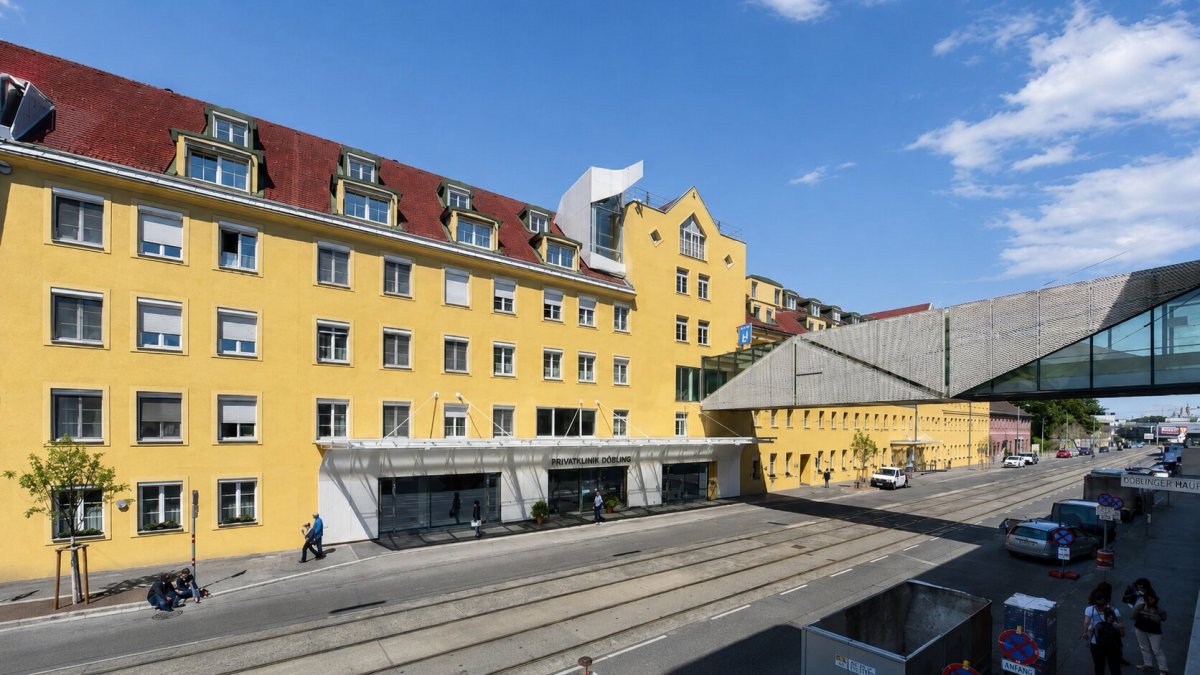
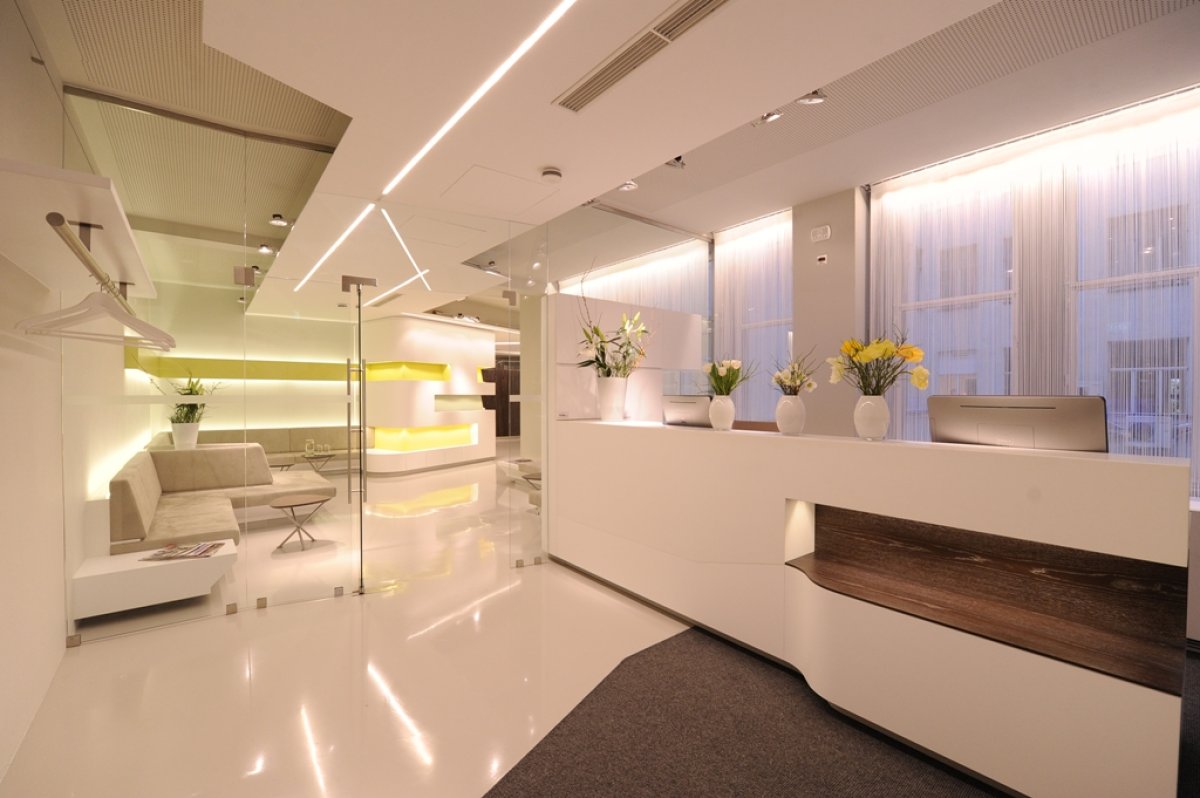
رؤية خبراء Bookimed: بالنسبة للحالات المعقدة التي تشمل الأطفال والبالغين، توفر المستشفيات الخاصة في فيينا خبرة متخصصة. يُعد مستشفى دوبلينج الخاص (Döbling Private Hospital) خياراً أول للعائلات، حيث يقدم رعاية بمعدلات مضاعفات أقل بكثير من المتوسط الوطني. يجب على المرضى الذين يبحثون عن أكثر البنى التحتية الطبية تطوراً التفكير في مستشفى فيينا العام (AKH). تدير هذه المنشأة 42 عيادة جامعية وتخدم أكثر من 500,000 مريض سنوياً باستخدام تقنيات مبتكرة.
اكتشف أفضل ورم وعائي العيادات في النمسا: 3 خيارات معتمدة والأسعار



مشاركة المحتوى
قصص فيديو من مرضى Bookimed
 Anna Leonova
أسئلة متكررة حول علاج ورم وعائي في النمسا
ما هي المستشفيات في النمسا المتخصصة في علاج الأورام الوعائية الدموية؟
تضمّ المستشفيات النمساوية الرائدة المتخصصة في علاج الأورام الوعائية الدموية مستشفى فيينا العام (AKH) ومستشفى دوبلينغ الخاص. وتوظف هذه المراكز فرقًا متعددة التخصصات من الأخصائيين في طب الجلد، وطب الأطفال، وجراحة الأوعية الدموية. كما توفر علاجات متطورة، مثل بروبرانولول، وإجراءات الليزر المتخصصة، والتدخلات الجراحية لعلاج التشوهات الوعائية المعقدة.
- التخصص العلمي: يقدم مستشفى فيينا العام (VGH) الرعاية الطبية لـ 595000 مريض سنوياً باستخدام الأشعة التداخلية.
- الرعاية الصحية الخاصة: يطبق مستشفى دوبلينغ الخاص معايير السلامة الخاصة باللجنة الدولية المشتركة (JCI) للإجراءات الجراحية للأطفال والبالغين.
- التخصص في جراحة الأوعية الدموية: مستشفى جامعة غراتس هو مركز مرجعي أوروبي تابع لشبكة VASCERN لتشوهات الأوعية الدموية.
- العلاجات المتخصصة: تقدم العيادات في غراتس علاج الليزر الصبغي النبضي لعلاج الآفات الجلدية.
رأي خبراء بوكيمد: في النمسا، غالبًا ما يحدد حجم المرضى مستوى خبرة أخصائيي تشوهات الأوعية الدموية. يضم مستشفى فيينا العام (AKH) طاقمًا ضخمًا من 1600 طبيب و2200 سرير. يضمن هذا الحجم الكبير من المرضى، موزعين على 27 قسمًا، التعامل المتكرر مع أنواع نادرة من الأورام الوعائية الدموية
ما هو العلاج القياسي الأولي لورم الأوعية الدموية عند الرضع في النمسا؟
في النمسا، يُعدّ بروبرانولول الفموي العلاج القياسي للأورام الوعائية الدموية لدى الرضع المعرضين لخطر الإصابة. وعادةً ما يصف الأطباء شكلاً خاصاً للأطفال من هذا الدواء الحاصِر لمستقبلات بيتا. يبدأ العلاج بين عمر شهر واحد وخمسة أشهر، ويستمر غالباً من ستة إلى اثني عشر شهراً.
- العلاج الجهازي: الجرعة المستهدفة من بروبرانولول عن طريق الفم هي من 2 إلى 3 ملغ/كغ/يوم.
- العلاج الموضعي: غالباً ما يتم علاج الآفات السطحية الصغيرة باستخدام جل تيمولول ماليات بتركيز 0.5%.
- بروتوكولات السلامة: عند تناول الجرعات الأولى، من الضروري الخضوع لفحص القلب والأوعية الدموية، بما في ذلك تخطيط كهربية القلب الإلزامي واستشارة الطبيب.
- خيارات إضافية: في بعض الحالات، يتم استخدام الكورتيكوستيرويدات أو العلاج بالليزر كعلاجات احتياطية.
رأي خبراء بوكيمد: تعمل عيادات مثل مستشفى فيينا العام (AKH) كمراكز طبية ضخمة، مما يتيح لأطباء الأطفال تنسيق رعايتهم بشكل فوري مع 42 معهدًا جامعيًا. بالنسبة لمرضى الأورام الوعائية الدموية، يوفر هذا إمكانية الوصول السريع إلى تخطيط كهربية القلب وخدمات طب قلب الأطفال في الموقع. تُعدّ تقييمات السلامة هذه ضرورية قبل البدء في استخدام حاصرات بيتا.
هل توجد بدائل غير جهازية لعلاج الأورام الوعائية الدموية الصغيرة أو السطحية؟
تشمل البدائل غير الجهازية لعلاج الأورام الوعائية الدموية الصغيرة أو السطحية استخدام حاصرات بيتا الموضعية، والعلاج بالليزر، والمراقبة النشطة. تستهدف هذه العلاجات الموضعية الآفة مباشرةً، متجنبةً الآثار الجانبية العامة للأدوية الفموية. وتُعطي المراكز المتخصصة في النمسا الأولوية لهذه الطرق في علاج الآفات غير المعقدة ومنخفضة الخطورة.
- حاصرات بيتا الموضعية: تعمل جل تيمولول ماليات أو بروبرانولول على الحد من النمو عن طريق الامتصاص عبر الجلد.
- العلاج بالليزر: تستهدف أشعة الليزر الصبغية النبضية الأوعية الدموية الحمراء، مما يقلل من تغير لونها.
- الحقن داخل الآفة: يؤدي الإعطاء المباشر للكورتيكوستيرويدات أو عوامل التكثيف إلى انخفاض سريع في حجم الآفة.
- ملاحظة: يراقب الأطباء الآفات غير الضارة لأنها غالباً ما تشفى دون تدخل.
رأي خبراء بوكيمد: يستفيد المرضى الذين يسعون للحصول على الرعاية الطبية في فيينا من وفرة المرافق الطبية المعتمدة وفقًا لمعايير ISO، مثل مستشفى فيينا العام (AKH) ومستشفى دوبلينغ الخاص. وبينما يلجأ الكثيرون إلى العلاج بالليزر، غالبًا ما تجمع هذه المراكز الكبرى بين التشخيصات المعمقة، بما في ذلك تحاليل الدم والاستشارات العصبية، للتأكد من أن البقعة الحمراء هي بالفعل ورم و
كيف يقرر الأطباء العامون النمساويون ما إذا كانوا سيحيلون مريضًا مصابًا بورم وعائي دموي إلى أخصائي؟
في النمسا، يحيل الأطباء العامون الرضع المصابين بأورام وعائية دموية إلى أخصائي لإجراء الفحوصات باستخدام نماذج الفرز الأوروبية الموحدة، مثل مقياس شدة الورم الوعائي الدموي (HSS). وعادةً ما تتم الإحالة إلى أخصائي قبل بلوغ الرضيع شهراً واحداً من العمر في الحالات عالية الخطورة. ويعطي الأطباء الأولوية للآفات التي تهدد البصر أو التنفس أو سلامة البنية في منطقتي الوجه والشرج والأعضاء التناسلية.
- تقييم المخاطر: يستخدم الأطباء أدوات مثل IHReS لتحديد الحاجة السريرية الفورية.
- الأولوية التشريحية: تتطلب الآفات القريبة من العينين أو الأنف أو الشفتين فحصًا إلزاميًا من قبل أخصائي.
- مدى انتشار الآفات: يتطلب اكتشاف 5 آفات جلدية أو أكثر تحديد موعد عاجل لإجراء فحص بالموجات فوق الصوتية للكبد.
- المظاهر السريرية: يؤدي وجود قرحة نشطة أو نزيف إلى إحالة المريض مباشرة إلى المستشفى.
رأي خبراء بوكيمد: غالبًا ما يحيل الأطباء العامون في فيينا الحالات المعقدة إلى مستشفى فيينا العام (AKH) نظرًا لحجم المرضى الهائل الذي يستقبله، والذي يصل إلى 595,000 مريض سنويًا. وبينما توفر العيادات الصغيرة متابعة روتينية، يقدم مستشفى فيينا العام ومستشفى دوبلينغ الخاص خدمات تشخيصية متخصصة، بما في ذلك الاستشارات الجراحية
ماذا يحدث إذا كان الورم الوعائي الدموي داخليًا أو معقدًا في بنيته؟
تتطلب الأورام الوعائية الدموية الداخلية أو المعقدة مراقبة متخصصة إذا أثرت على وظائف الأعضاء أو تدفق الدم. قد تسد هذه الآفات المسالك الهوائية، أو تسبب نزيفًا داخليًا، أو تؤدي إلى إجهاد القلب والأوعية الدموية. يستخدم الأخصائيون النمساويون تقنيات تصوير حديثة، مثل التصوير بالرنين المغناطيسي والتصوير المقطعي المحوسب، لرسم خريطة لإمداد الدم قبل تحديد الحاجة إلى التدخل.
- التصوير التشخيصي: التصوير بالرنين المغناطيسي أو الموجات فوق الصوتية أو التصوير المقطعي المحوسب يؤكد الموقع والعلاقة بالأعضاء المجاورة.
- إصابة الأعضاء: يمكن أن تسبب آفات الكبد الألم، ويمكن أن تجعل الأورام الوعائية الدموية في المسالك الهوائية التنفس صعباً.
- الاستشارات المتخصصة: في الحالات المعقدة، غالباً ما يشارك جراحو الأعصاب وأطباء الأعصاب وأخصائيو الأشعة التداخلية في التخطيط.
- العلاج الجهازي: تساعد حاصرات بيتا أو الكورتيكوستيرويدات في تقليل حجم الآفات خلال فترات النمو السريع.
- الإجراءات التدخلية: يمكن أن يؤدي الانصمام أو المعالجة بالتصليب إلى منع إمداد الدم لحرمان الورم من التغذية بشكل آمن.
رأي خبراء بوكيميد: تُظهر بيانات مستشفى فيينا العام (A