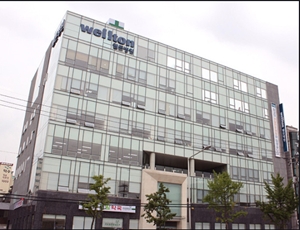
Bumin Hospital Seoul
كوريا الجنوبية, سول


تمت مراجعة المقالة طبيا من قبل
فهد مولود
تعتمد تكلفة علاج الورم الوعائي في جمهورية كوريا على موقع الآفة وطريقة العلاج المختارة. من $200. تتأثر النفقات الإجمالية بمستوى العيادة وموقعها. وغالباً ما يوفر المرضى ما بين 30-50% مقارنة بالولايات المتحدة. تشمل أفضل المدن للرعاية المتخصصة سيول، وإنتشون، وسوون.
تكاليف علاج الورم الوعائي النموذجية في جمهورية كوريا
رؤية خبراء Bookimed: يجب على المرضى الذين يعانون من حالات وعائية معقدة إعطاء الأولوية للمراكز متعددة التخصصات للحصول على رعاية متكاملة. يُعد مركز جاشون الجامعي الطبي (Gachon University Gil Medical Center) منشأة عالية التصنيف ومعترف بها من قبل مجلة نيوزويك لأدائها الطبي. يعالج المركز أكثر من 38,000 مريض سنوياً ويوفر تشخيصات متخصصة في غضون ساعة من مطار إنتشون. بالنسبة للمشاكل الوعائية المتعلقة بالعمود الفقري، يوفر مستشفى ويلتسي التذكاري (Wiltse Memorial Hospital) خبرة جراحية عالية المستوى مع إجراء 2,500 عملية جراحية سنوياً.
Bookimed لا يضيف رسوماً إضافية على أسعار علاج ورم وعائي. الأسعار مأخوذة من قوائم الأسعار الرسمية للعيادات. تدفع مباشرة في العيادة مقابل علاجك عند وصولك إلى البلد.
Bookimed ملتزم بسلامتك. نحن نعمل فقط مع المؤسسات الطبية التي تحافظ على معايير دولية عالية في علاج ورم وعائي ولديها التراخيص اللازمة لخدمة المرضى الدوليين في جميع أنحاء العالم.
Bookimed يقدم مساعدة خبراء مجانية. منسق طبي شخصي يدعمك قبل وأثناء وبعد العلاج، ويحل أي مشاكل. لن تكون وحيداً أبداً في رحلة علاج ورم وعائي.

 Anna Leonova
يعتبر البروبرانولول الفموي هو العلاج القياسي لخط الدفاع الأول للأورام الوعائية الدموية عالية الخطورة عند الرضع في كوريا الجنوبية. وافقت وزارة سلامة الغذاء والدواء على هذا الحل في عام 2016. غالبًا ما تجمع المراكز ذات الحجم الكبير من المرضى بين الدواء والعلاج بالليزر الصبغي النبضي لمعالجة تغير لون الجلد المتبقي.
رؤية خبير Bookimed: تحتل كوريا الجنوبية المرتبة السادسة عالميًا على Bookimed للطلبات الطبية المتخصصة. بينما تخدم المستشفيات الكبيرة مثل Wiltse Memorial 50,000 مريض سنويًا، لا يزال طب الأمراض الجلدية للأطفال يتركز في سيول. يضمن هذا الحجم الكبير من المرضى أن الأطباء لديهم خبرة واسعة في معايرة الجرعات للرضع.
إجماع المرضى: يرى الآباء أن المراجعات المبكرة من قبل المتخصصين حيوية للآفات القريبة من العين أو مجرى الهواء. تشير معظم العائلات إلى أنه على الرغم من أن العديد من الأورام الوعائية تتراجع بشكل طبيعي، إلا أن المراقبة النشطة خلال الأشهر الأولى ضرورية.
يتعامل الأخصائيون الطبيون في كوريا مع الأورام الوعائية بناءً على عمر المريض وموقع الآفة. تشمل الرعاية عادةً أطباء الأطفال للرضع، وأطباء الجلد للبقع السطحية على الجلد، وأطباء الأشعة التداخلية للكتل الوعائية العميقة. توفر المستشفيات الثالثية الكبيرة في سيول وسوون هؤلاء الأخصائيين من خلال عيادات متعددة التخصصات.
رؤية خبير Bookimed: تتفوق البنية التحتية للمستشفيات في كوريا، مثل مستشفى Wiltse Memorial الذي يضم 150 سريراً، في الرعاية المتخصصة ذات الحجم الكبير. في حين أن الأسماء التجارية الكبيرة مثل مركز سامسونج الطبي هي الخيارات الأولى، غالباً ما توفر المستشفيات المتخصصة الأصغر وصولاً أسرع إلى نفس أدوات التشخيص. وتشمل هذه الأشعة المقطعية وتخطيط التخثر المطلوبة قبل أي تدخل وعائي.
إجماع المرضى: يشير المرضى إلى أنه من الأفضل طلب قسم التشوهات الوعائية مباشرة في المستشفيات الجامعية الكبي
تتوفر علاجات الليزر المتقدمة للعلامات المتبقية من الأورام الوعائية (hemangioma) على نطاق واسع في كوريا الجنوبية. توفر العيادات المتخصصة في سيول وسوون ليزر الصبغة النبضي (PDL) للاحمرار الوعائي. تعالج الليزرات المجزأة (Fractional lasers) ملمس الجلد والندبات العميقة. تتطلب معظم العلاجات جلسات متعددة للحصول على أفضل النتائج.
رؤية خبير Bookimed: بينما تضم كوريا الجنوبية أكثر من 75 عيادة متخصصة، تركز العديد من المراكز بشكل أساسي على الأمراض الجلدية التجميلية العامة. تشير البيانات إلى أن مستشفى Wiltse Memorial يعالج حوالي 50,000 مريض سنوياً. بالنسبة لبقايا الأورام الوعائية، فإن اختيار منشأة ذات حجم كبير يضمن الوصول إلى أطوال موجية ليزر متنوعة ضرورية للحالات الوعائية المعقدة.
إجماع المرضى: يشير المرضى إلى أن مطابقة الليزر المحدد مع نوع العلامة لديك أمر حيوي. يقترحون سؤال العيادات عن خبرتهم في حالات ما بعد الورم الوعائي تحديداً بدلاً من تجديد الجلد العام.
تضم كوريا الجنوبية مستشفيات رائدة متعددة التخصصات مثل مركز سامسونج الطبي ومركز أسان الطبي لعلاج الأورام الوعائية. تستخدم هذه المؤسسات فرقاً متعددة التخصصات في مجال التشوهات الوعائية. وهي توفر خيارات متقدمة تشمل العلاج بالليزر، والإدارة الدوائية، والأشعة التداخلية. تضمن المرافق المعتمدة من قبل اللجنة الدولية المشترية (JCI) في سيول معايير سلامة عالية.
رؤية خبير Bookimed: تحتل كوريا الجنوبية المرتبة السادسة عالمياً في الطلبات الطبية، مما يعكس ثقة عميقة في بنيتها التحتية السريرية. بينما تدير المستشفيات الجامعية الكبيرة الحالات المعقدة، فإن القرب من مطار كيمبو يجعل العديد من المراكز في سيول مريحة للغاية. تتعامل العديد من المؤسسات الكبرى مع أكثر من 50,000 مريض سنوياً من خلال أقسام دولية مبسطة. غالباً ما يترجم هذا الحجم الكبير إلى فرق وعائية أكثر خبرة مقارنة بالعيادات الإقليمية.
إجماع المرضى: يؤكد المرضى على أهمية العثور على مستشفى يعطي الأولوية لتقييم الأخصائي على الجراحة الفورية. ويشيرون إلى أن التواصل الواضح ووجود فريق مخصص للتشوهات الوعا
عادةً ما يبقى المرضى الدوليون في كوريا الجنوبية من 3 إلى 10 أيام لعلاج الأورام الوعائية. غالبًا ما تتطلب العلاجات القائمة على الليزر 3 أيام فقط. تتطلب عمليات الاستئصال الجراحي الأكثر توغلاً من 7 إلى 10 أيام. يسمح هذا الإطار الزمني بإجراء فحوصات أساسية للجروح بعد العلاج والحصول على تصريح من الجراح قبل رحلة العودة.
رؤية خبير Bookimed: غالبًا ما يستغرق التنسيق وقتًا أطول من العلاج نفسه. تدير عيادات مثل مستشفى Wiltse Memorial 50,000 مريض سنويًا. يعني هذا الحجم الكبير أن مواعيد التشخيص للتصوير أو اختبارات الدم تمتلئ بسرعة. يضمن حجز هذه الاختبارات قبل الجراحة من خلال منسق عدم إضاعة ليالي فندق إضافية في انتظار الفحص.
إجماع المرضى: يلاحظ المرضى ويقدرون تخصيص وقت إضافي لمراجعات المتابعة. ويؤكدون أن البقاء حتى يؤكد الطبيب الشفاء يمنع حدوث مضاعفات أثناء رحلة العودة إلى الوطن.
توفر مستشفيات كوريا الجنوبية دعمًا لغويًا شاملاً من خلال مراكز رعاية صحية دولية مخصصة. توظف المستشفيات الكبرى والعيادات المتخصصة منسقين محترفين. يسهل هؤلاء الخبراء التواصل باللغات الإنجليزية والروسية والصينية. تشمل الخدمات عادةً جدولة المواعيد والترجمة الطبية الفورية أثناء الإجراءات.
رؤية خبير Bookimed: تختلف مستويات الدعم اللغوي بشكل كبير حسب تركيز المنشأة. بينما يدير مستشفى Wiltse Memorial أكثر من 50,000 مريض سنويًا بأنظمة قوية، قد تقدم العيادات الصغيرة المساعدة فقط في لوجستيات الاستقبال. لضمان الدقة في تشخيصات الأورام الوعائية المعقدة مثل الأشعة المقطعية أو اختبارات التخثر، يجب على المرضى اختيار العيادات التي تضم مراكز طبية دولية متخصصة بدلاً من أقسام العيادات الخارجية القياسية.
إجماع المرضى: يشير المرضى إلى أنه من المهم ترتيب الترجمة مسبقًا بدلاً من الاعتماد على التوفر عند الحضور بدون موعد. يقترح الكثيرون إحضار السجلات الطبية مكتوبة بلغة إنجليزية بسيطة لمساعدة الموظفين على ترجمة تفاصيل محددة بدقة أث