علاج انحراف الحاجز الأنفي في إسبانيا — احصل على 3 عيادات مختارة خصيصاً لك


تمت مراجعة المقالة طبيا من قبل
فهد مولود
كيف نعمل؟
ما هي تكلفة انحراف الحاجز الأنفي إجراءات التشخيص والعلاج في إسبانيا؟ اعرف الآن
من $680. تعتمد النفقات الإجمالية على التقنية الجراحية المستخدمة، مثل التقنيات التنظيرية، وموقع العيادة. يمكن للمرضى توفير ما يقرب من 40-60% مقارنة بالولايات المتحدة. تُعد مدريد وبرشلونة وبامبلونا الوجهات الرئيسية للحصول على رعاية عالية الجودة للأنف والأذن والحنجرة في البلاد.
تكاليف علاج انحراف الحاجز الأنفي النموذجية في إسبانيا
- أشعة مقطعية للجيوب الأنفية: من $680
- تحليل دم شامل: من $210
- تحليل تخثر الدم (Coagulogram): $30 – $60
- تخطيط كهربية القلب (ECG): من $110
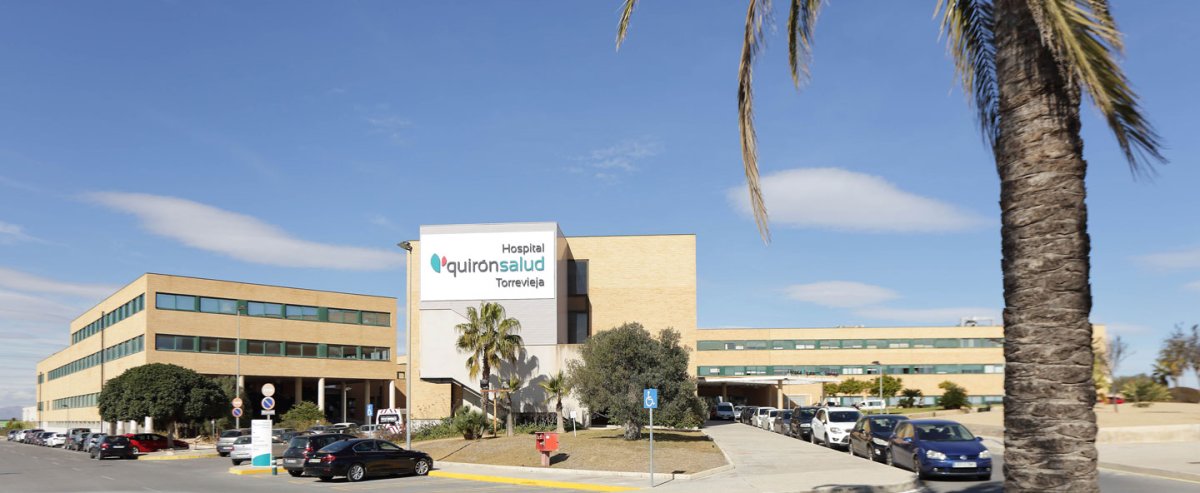
رؤية خبير Bookimed: يجب على المرضى الذين يبحثون عن دقة جراحية متقدمة التفكير في المراكز المتخصصة في برشلونة. يقدم الدكتور جوردي كورومينا في مركز تيكنون الطبي (Centro Médico Teknon) تقنيات ليزر مبتكرة في مجال جراحة الأنف الوظيفية. وبالنسبة لأولئك الذين يعطون الأولوية للوصول السريع، تخدم مستشفى كيرونسالود توريفاييخا (Quironsalud Torrevieja) 120,000 مريض سنوياً مع توفير دعم دولي مخصص. تستفيد الحالات المعقدة التي تنطوي على مشاكل في قاعدة الجمجمة من المرافق الحاصلة على اعتماد اللجنة الدولية المشتركة (JCI) مثل عيادة جامعة نافارا (Clinica Universidad de Navarra)، والتي تُصنف ضمن أفضل المستشفيات في العالم.
اكتشف أفضل انحراف الحاجز الأنفي العيادات في إسبانيا: 9 خيارات معتمدة والأسعار









ANDSURGEONS Clinic






احصل على تقييم طبي لـ في إسبانيا. استشر الآن 13 أطباء ذوي الخبرة.
عرض جميع الأطباء
Javier Herrero Jover
الدكتور خافيير هيريرو جوفر هو جراح تجميل معتمد في مركز تيكنون الطبي في برشلونة. وهو رائد في التخطيط الجراحي الافتراضي ويستخدم المحاكاة ثلاثية الأبعاد للحصول على نتائج دقيقة. أسس الدكتور هيريرو جوفر شركة Alma IT Systems لتطوير برمجيات التصوير الطبي الخاصة بالمريض. وقد أجرى أكثر من 10,000 إجراء جراحي طوال مسيرته المهنية.
- متخصص في عمليات تجميل الأنف الأولية والثانوية، وتجديد شباب الوجه، وجراحة الثدي.
- أدخل تقنية التصوير ثلاثي الأبعاد لتعزيز الدقة في الإجراءات التجميلية والتر

Jordi Coromina Isern
42 سنة متخصص في جراحة انحراف الحاجز الأنفي باستخدام تقنيات الليزر المتقدمة والجراحة بمساعدة الروبوت في مركز تكنون الطبي (Centro Médico Teknon).
- يجري عمليات تجميل الأنف الوظيفية لاستعادة تدفق الهواء مع الحفاظ على التناغم الجمالي
- رائد في التقنيات طفيفة التوغل لتعافي أسرع
- عضو في الأكاديمية الأوروبية لجراحة تجميل الوجه
- مدير وحدة الأنف والأذن والحنجرة وجراحة الرأس والرقبة في تكنون

Carlos Pollan
يتخصص الدكتور كارلوس بولان في جراحات الجيوب الأنفية والأنف المعقدة في مركز تكنون الطبي (Centro Médico Teknon)، باستخدام تقنيات طفيفة التوغل.
- أكثر من _doctor_10051_عاماً_ من الخبرة الجراحية في مجال الأنف والأذن والحنجرة
- حاصل على زمالة في جراحة قاعدة الجمجمة بالمنظار من جامعة بيتسبرغ
- خبير في جراحة دافنشي الروبوتية لإجراءات الأنف والأذن والحنجرة
- عضو هيئة التدريس في وحدة تعليم الأنف والأذن والحنجرة في مستشفى جيرمانس ترياس إي بوجول
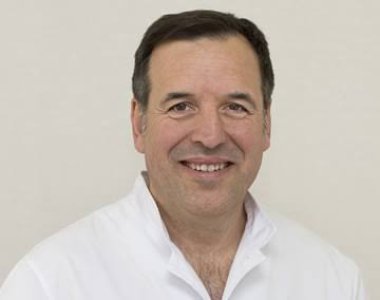
Josep Ramon Claramunt Vives
الطبيب هو أخصائي أنف وأذن وحنجرة ذو خبرة تزيد عن 20 عاماً في الممارسة السريرية، ويعمل حالياً في مركز Centro Médico Teknon في برشلونة، وهو المؤسس والمدير الطبي لمعهد Instituto Médico Dr. Claramunt. حصل الطبيب على شهادة في الطب والجراحة من جامعة برشلونة المركزية، وأكمل تخصصاً في طب الأنف والأذن والحنجرة في الجامعة الكاثوليكية في لوفين، وأجرى زمالة في جراحة الأذن في مستشفى سان كارلوس الجامعي.
يشمل التركيز السريري للطبيب طب الأنف والأذن والحنجرة العام، ورعاية الأنف والأذن والحنجرة للبالغين
مشاركة المحتوى
قصص فيديو من مرضى Bookimed
 Anna Leonova
أسئلة متكررة حول علاج انحراف الحاجز الأنفي في إسبانيا
هل تتوفر تقنيات حديثة طفيفة التوغل لتصحيح انحراف الحاجز الأنفي في إسبانيا؟
تتوفر التقنيات الحديثة طفيفة التوغل لتصحيح انحراف الحاجز الأنفي على نطاق واسع في إسبانيا. تستخدم المراكز المتخصصة جراحة الحاجز الأنفي بالمنظار وتقنيات الموجات فوق الصوتية لضمان الدقة. تقلل هذه الطرق من صدمة الأنسجة. عادة ما يختبر المرضى أوقات تعافي أسرع وتورمًا أقل بعد الجراحة مقارنة بالجراحة التقليدية.
- جراحة الحاجز الأنفي بالمنظار: تسمح الكاميرات عالية الدقة بالتصحيح المستهدف من خلال شقوق أصغر.
- جراحة تجميل الحاجز الأنفي بالموجات فوق الصوتية: تعيد الاهتزازات عالية التردد تشكيل عظم الأنف دون أدوات جراحية تقليدية.
- رأب الجيوب الأنفية بالبالون: تقوم بالونات صغيرة بتوسيع الممرات للمرضى الذين يعانون من التهاب الجيوب الأنفية المزمن المصاحب.
- الجراحة بمساعدة الروبوت: توفر أنظمة دافنشي دقة فائقة للحالات الأنفية الداخلية المعقدة.
رؤية خبير Bookimed: غالبًا ما يجمع كبار المتخصصين في إسبانيا بين إصلاح الحاجز الأنفي الهيكلي وتقليل المحارات الأنفية بالترددات الراديوية. أجرى الدكتور جوردي كورومينا في مركز تيكنون الطبي أكثر من 20,000 إجراء باستخدام هذه الطرق المدمجة بالليزر والطفيفة التوغل. هذا النهج أكثر كفاءة من البحث عن علاجات منفصلة. تعطي العيادات ذات الحجم الكبير والمعتمدة من JCI في برشلونة ومدريد الأولوية لهذه التقنيات غير الدموية لتقليل فترات الإقامة في المستشفى.
إجماع المرضى: يشير المرضى إلى أن اختيار العيادات الخاصة في برشلونة أو مدريد غالبًا ما يلغي الحاجة إلى حشوات الأنف المؤلمة. يبلغ الكثيرون عن العودة إلى العمل في غض
ما هي أفضل المستشفيات والعيادات في إسبانيا لجراحة انحراف الحاجز الأنفي؟
تشمل المستشفيات الأعلى تقييماً لجراحة انحراف الحاجز الأنفي في إسبانيا مركز Centro Médico Teknon ومستشفى Hospital Quirón Barcelona. تحمل هذه المرافق اعتماد اللجنة الدولية المشتركة (JCI) وهي متخصصة في جراحة الحاجز الأنفي بالمنظار. يستخدم كبار الجراحين مثل الدكتور جوردي كورومينا إيسيرن تقنيات الليزر المعتمدة على التصوير ثلاثي الأبعاد لضمان دقة عالية.
- اعتمادات المستشفيات: يحافظ كل من Centro Médico Teknon و Quirónsalud Torrevieja على معايير السلامة المعتمدة من JCI.
- كبار الجراحين: يتمتع الدكتور جوردي كورومينا إيسيرن بأكثر من 30 عاماً من الخبرة الجراحية.
- التكنولوجيا المتقدمة: تقدم المراكز المتخصصة جراحة الحنجرة بالليزر CO2 وأنظمة دافنشي الروبوتية.
- النتائج الوظيفية: تركز العيادات على الجمع بين جراحة الحاجز الأنفي وتصغير القرينات لتدفق هواء مثالي.
رؤية خبير Bookimed: يتميز مركز Centro Médico Teknon بأن وحدة الأنف والأذن والحنجرة فيه يقودها مؤسسون أدخلوا جراحة الليزر والجراحة الروبوتية إلى إسبانيا. في حين أن Quirónsalud Madrid هو أكبر مركز للمجموعة، يدير Teknon حالات وظيفية وتجميلية معقدة بحجم هائل يصل إلى 23,500 عملية سنوياً. يرتبط هذا التكرار العالي للإجراءات عادةً بتقنيات محسنة وبروتوكولات تعافي متخصصة لجراحة الأنف.
إجماع المرضى: يلاحظ المرضى أن العيادات الخاصة في برشلونة ومدريد توفر وصولاً أسرع بكثير من الخيارات العامة. يوصي الكثيرون بسؤال الجراحين تحديداً عن طرق حشو الأنف لضمان فترة تعافي أولية أكثر راحة.
كم تستغرق فترة التعافي، وكم يوماً يجب أن أبقى في إسبانيا بعد الجراحة؟
يجب على المرضى التخطيط للبقاء في إسبانيا لمدة 7 إلى 14 يوماً بعد الجراحة. يستغرق التعافي الأولي من أسبوع إلى أسبوعين لمعظم الأنشطة اليومية. يستغرق الشفاء التام عادةً من 4 إلى 6 أسابيع. يحتاج الجراحون إلى هذا الوقت للتحكم في التورم وإجراء تقييمات المتابعة.
- الإطار الزمني للسفر: ابقَ لمدة 7 إلى 10 أيام قبل السفر جواً لتجنب مضاعفات ضغط المقصورة.
- التعافي الأولي: العودة إلى الأنشطة الخفيفة أو العمل المكتبي في غضون 7 إلى 14 يوماً.
- الشفاء التام: يعود التنفس الأنفي عادةً إلى طبيعته في غضون شهر إلى 3 أشهر بعد الجراحة.
- متابعة الخبراء: يقدم جراحون مثل الدكتور جوردي كورومينا إيسيرن رعاية أنفية أساسية بعد الجراحة.
رؤية خبير Bookimed: إسبانيا هي مركز عالمي لرعاية الأنف والأذن والحنجرة. أجرى الدكتور فولكيرت بودوين وريسمان 5000 عملية جراحية. تعالج المراكز ذات الحجم الكبير مثل Centro Médico Teknon 10000 مريض سنوياً. غالباً ما تؤدي هذه الخبرة الهائلة إلى بروتوكولات تعافي أكثر كفاءة مقارنة بالعيادات الصغيرة.
إجماع المرضى: يقترح المسافرون البقاء لمدة 10 أيام على الأقل للتعامل مع الاحتقان الأولي وإزالة الحشوات. يوصي الكثيرون بحمل بخاخات محلول ملحي والبقاء بالقرب من العيادة لتسهيل الوصول إلى فحوصات المتابعة.
هل يغطي التأمين الصحي جراحة رأب الحاجز الأنفي التي يتم إجراؤها في إسبانيا؟
تغطي معظم شركات التأمين جراحة رأب الحاجز الأنفي في إسبانيا فقط إذا كانت ضرورية طبيًا. تدفع البوليصات عادةً مقابل الإصلاحات الوظيفية لتحسين التنفس أو علاج التهاب الجيوب الأنفية. التغييرات التجميلية البحتة مستبعدة. غالبًا ما تعمل شركات التأمين الدولية مع المستشفيات الإسبانية المعتمدة من قبل JCI لتوفير الفوترة المباشرة أو السداد.
- متطلبات التوثيق: تطلب شركات التأمين خطابات من أطباء الأنف والأذن والحنجرة تثبت وجود ضعف وظيفي مثل انسداد مجرى الهواء.
- الاستثناءات التجميلية: الجمع بين رأب الحاجز الأنفي ورأب الأنف يتطلب عادةً من المرضى دفع رسوم تجميلية.
- بنود الحالات السابقة: قد تستبعد شركات التأمين الخاصة مثل Adeslas الحالات الموجودة قبل التسجيل في البوليصة.
- تغطية الاتحاد الأوروبي: يمكن للمقيمين الأوروبيين استخدام نماذج S2 للحصول على سداد من نظام الصحة العامة.
رؤية خبير Bookimed: توفر المراكز الإسبانية مزايا تقنية عالية تبسط موافقة التأمين للحالات المشتركة. كان الدكتور جوردي كورومينا إيسيرن في Centro Médico Teknon رائدًا في تقنيات الليزر لمشاكل الأنف. غالبًا ما يساعد استخدام أدوات متخصصة مثل ليزر ثاني أكسيد الكربون في ربط الإجراء بالضرورة الطبية. يمكن أن يكون هذا أكثر إقناعًا لشركات التأمين من الطرق الجراحية التقليدية وحدها.
إجماع المرضى: يؤكد المرضى على أهمية الحصول على تفصيل دقيق للتكاليف من العيادة في وقت مبكر. يلاحظ الكثيرون أن تضمين تصغير القرينات غالبًا ما يساعد في تأمين التغطية. كما يقترحون استئناف الرفض من خلال التر