SAERO Plastic Surgery
كوريا الجنوبية, سول


تمت مراجعة المقالة طبيا من قبل
فهد مولود
تتضمن تكلفة علاج انحراف الحاجز الأنفي في جمهورية كوريا عادةً التشخيصات الأساسية مثل الأشعة المقطعية للجيوب الأنفية، والتي تتراوح ما بين $150 إلى $400. تعتمد النفقات الإجمالية على مدى تعقيد الحالة، ومستوى العيادة، وما إذا كان الإصلاح الوظيفي مقترناً بجراحة تجميل الأنف. يمكن للمرضى توقع توفير ما بين 40-60% مقارنة بالولايات المتحدة. تشمل الوجهات الرئيسية لهذا العلاج سيول، وسيونغنام، وإنتشون.
تكاليف علاج انحراف الحاجز الأنفي النموذجية في جمهورية كوريا
رؤية خبراء Bookimed: يستفيد المرضى الذين يسعون للحصول على إصلاح وظيفي من المراكز متعددة التخصصات مثل مستشفى سيفيرانس (Severance Hospital) أو مستشفى جامعة سيول الوطنية (SNUH). توفر هذه المرافق المعتمدة من قبل اللجنة الدولية المشتركة (JCI) أنظمة أمان متقدمة للحالات المعقدة. بالنسبة لأولئك الذين يجمعون بين الجراحة والأهداف التجميلية، تعتبر العيادات الموجودة في منطقة غانغنام مثل عيادة VG للجراحة التجميلية مثالية. فهي توفر خبرة متخصصة مع أكثر من 1000 عملية سنوياً. غالباً ما يجد المرضى الدوليون أفضل قيمة في الباقات الشاملة في العيادات الخاصة المتخصصة.
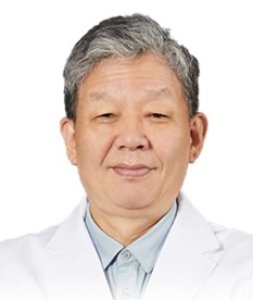
الدكتور كيم غيون ري، MD، PhD، اختصاصي أنف وأذن وحنجرة (ENT). يشغل منصب المدير الطبي الفخري في قسم طب الأنف والأذن والحنجرة بمستشفى نايون. تتركز خبرته السريرية على أمراض الأنف، التهاب الأنف والجيوب الأنفية والتهاب الجيوب الأنفية المزمن، التهاب الأنف التحسسي، وجراحة الجيوب الأنفية بالمنظار الوظيفي (FESS).
المؤهلات: ماجستير في الطب (MMed)، جامعة هانيانغ. دكتوراه في الطب، جامعة وونغوانغ. تدريب زمالة في كلية الطب بجورجيا وكلية طب جامعة ولاية أوهايو (الولايات المتحدة). رئيس سابق لقسم طب الأن
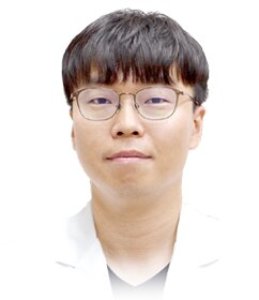
الدكتور كيم غونهو أخصائي ورئيس قسم الأنف والأذن والحنجرة في مستشفى نايون. يعالج أمراض اللوزتين واللحمية، والتهاب الجيوب الأنفية، والتهاب الأنف، كما يتعامل مع الشخير وانقطاع النفس أثناء النوم، وتغيرات الصوت الناجمة عن اضطرابات الأحبال الصوتية، وأمراض الغدد اللعابية واضطرابات الغدة الدرقية.
تخرّج من كلية الطب في جامعة هانيانغ، وأتمّ الامتياز والإقامة والزمالة السريرية في طب الأنف والأذن والحنجرة بمستشفى جامعة هانيانغ. شغل سابقاً منصب نائب مدير عيادة بارو (أنف وأذن وحنجرة). أكمل تدريباً م
 Anna Leonova
تعتبر عملية رأب الحاجز الأنفي في جمهورية كوريا وظيفية في المقام الأول، لكنها غالبًا ما تغير مظهر أنفك بشكل طفيف. يقوم الجراحون بتقويم الجدار الداخلي لتحسين التنفس. إذا كان الانحراف بالقرب من المقدمة، فقد يبدو أنفك أكثر تناسقًا. تجمع العديد من العيادات الكورية بين الإصلاح الوظيفي والتحسين الجمالي.
رؤية خبير Bookimed: تعالج العيادات الكورية مثل VG Plastic Surgery و SAERO Plastic Surgery أكثر من 1700 مريض سنويًا. تجري المراكز الكبيرة مثل مركز أسان الطبي أكثر من 65000 عملية سنويًا. تظهر البيانات أن المتخصصين الكوريين غالبًا ما يدمجون تقليل الظهر في الحالات الوظيفية. وهذا يضمن أن يبدو الأنف متناغمًا بعد إصلاح الهيكل الداخلي.
إجماع المرضى: يلاحظ المرضى أن العمليات الوظيفية البحتة في كوريا غالبًا ما تؤدي إلى مظهر أنحف. يوصي الكثيرون بأن تكون واضحًا جدًا إذا كنت تريد أن يظل مظهرك كما هو تمامًا.
تتراوح معدلات النجاح الموثقة لعملية رأب الحاجز الأنفي في كوريا من 85% إلى 90% للإجراءات الأولية. تبلغ المؤسسات الرائدة عن تحسن كبير في التنفس في غضون شهر واحد. تظل الرضا على المدى الطويل عادةً بين 55% و84%. يلزم إجراء جراحة مراجعة لما يقرب من 5% إلى 15% من المرضى.
رؤية خبير Bookimed: تُظهر البيانات الواردة من أفضل العيادات في سيول مثل مستشفى سيفيرانس ومركز آسان الطبي أن النجاح مرتبط بحجم العمليات. تدير هذه المراكز أكثر من 1.6 مليون مريض خارجي سنويًا. يسمح العدد الكبير من المرضى للجراحين بصقل تقنيات الانحرافات المعقدة. اختيار منشأة معتمدة من JCI في كوريا يضمن بروتوكولات سلامة صارمة للحصول على نتائج أفضل.
إجماع المرضى: يلاحظ المرضى أن التنفس يتحسن بنسبة 80% إلى 95% لكنهم يشيرون إلى أهمية معالجة القرينات. يبلغ الكثيرون عن استعادة كاملة في غضون ستة أشهر بعد زوال التورم الأولي والحشو المكثف.
يجب على المرضى التخطيط للبقاء في كوريا لمدة 7 إلى 10 أيام بعد إجراء جراحة انحراف الحاجز الأنفي. يسمح هذا بإجراء زيارات المتابعة الحاسمة وإزالة الغرز. يقدم الجراحون تصريح السفر بمجرد استقرار التورم الأولي. الانتظار لمدة 10 أيام يقلل من المخاطر الناتجة عن ضغط المقصورة أثناء الرحلات الجوية.
رؤية خبير Bookimed: تجري العيادات ذات الحجم الكبير مثل VG Plastic Surgery حوالي 1000 عملية سنويًا وتحافظ على معايير السلامة KOIHA. تظهر بياناتنا أن كبار الجراحين في سيول يطلبون غالبًا إقامة لا تقل عن 7 أيام. وهذا يضمن قدرة الجراحين على مراقبة أي أورام دموية قبل عودة المرضى إلى ديارهم.
إجماع المرضى: يشير المرضى إلى أنه من المهم البقاء بالقرب من العيادة خلال الأسبوع الأول. ويذكرون أن السفر بالطائرة في وقت مبكر جدًا قد يسبب ألمًا شديدًا بسبب ضغط الجيوب الأنفية.
تتصدر المستشفيات الكورية الجنوبية مثل مستشفى سيفيرانس (Severance Hospital) ومركز آسان الطبي (Asan Medical Center) مجال جراحات الأنف الوظيفية والتجميلية. تدمج هذه المرافق المعتمدة من اللجنة الدولية المشتركة (JCI) بين طب الأنف والأذن والحنجرة وجراحة التجميل لتصحيح انحراف الحاجز الأنفي مع تحسين شكل الأنف. تستخدم المراكز المتخصصة تشخيصات التصوير المقطعي ثلاثي الأبعاد (3D-CT) لضمان نتائج تنفسية وتجميلية دقيقة.
رؤية خبير Bookimed: بينما توفر المستشفيات الجامعية مثل مستشفى جامعة سيول الوطنية نطاقاً واسعاً، غالباً ما توفر المراكز المتخصصة مثل عيادة VG للجراحة التجميلية دعماً متعدد اللغات أفضل للمرضى الدوليين. تظهر البيانات أن هذه العيادات المتخصصة تركز على خفض نسبة المرضى إلى الأطباء. يشير هذا الانتقال من الطب العام إلى الرعاية الموجهة نحو الجراحة التجميلية إلى تخصيص تجميلي أفضل دون فقدان الفوائد الوظيفية.
إجماع المرضى: يؤكد المرضى أن الحصول على مراجعة عن بُعد لفحوصات التصوير المقطعي قبل الجراحة أمر ضروري للحصول على عروض أسعار دقيقة. يوصي الك
يغطي التأمين جراحة الحاجز الأنفي في كوريا الجنوبية إذا كان الإجراء يعالج مشاكل طبية. تدفع خدمة التأمين الصحي الوطنية (NHIS) عادةً مقابل الإصلاحات الوظيفية مثل انسداد التنفس. يجب على المرضى تقديم أدلة تشخيصية مثل الأشعة المقطعية أو تنظير الأنف للتأهل لهذه المزايا.
رؤية خبير Bookimed: يجب على المرضى الذين يسعون للحصول على شفافية كاملة فيما يتعلق بتغطية التأمين إعطاء الأولوية للمراكز الجامعية الكبيرة. تتعامل مرافق مثل مستشفى سيفيرانس أو مركز أسان الطبي مع أحجام هائلة - أكثر من 65,000 عملية سنويًا. تتبع هذه المؤسسات بروتوكولات توثيق صارمة ترضي شركات التأمين الوطنية والخاصة بشكل أكثر اتساقًا من العيادات الصغيرة.
إجماع المرضى: يلاحظ المرضى أنه على الرغم من أن التغطية ممتازة للمقيمين، إلا أن السياح الطبيين يدفعون عادةً من أموالهم الخاصة. ويؤكدون أنه حتى بدون تأمين، تظل الجراحة الكورية ميسورة التكلفة أكثر بكثير من البدائل الغربية.