استئصال المريء في كوريا الجنوبية — احصل على 3 عيادات مطابقة مع التكاليف


تمت مراجعة المقالة طبيا من قبل
فهد مولود
ما هي تكلفة استئصال المريء في كوريا الجنوبية؟ اكتشف الآن
المزايا الرئيسية
لماذا يختار المرضى جمهورية كوريا لإجراء عملية استئصال المريء؟
- العيادات المعتمدة: المستشفيات المعتمدة من JCI تقدم رعاية تلبي المعايير المعترف بها دوليًا.
- أحدث التقنيات: استخدام تقنيات مثل استئصال المريء بالحد الأدنى من التدخل الجراحي (MIE) والجراحة بمساعدة الروبوت، باستخدام أجهزة مثل نظام دافنشي الجراحي، يعزز الدقة والتعافي.
- نسب نجاح عالية: عمليات استئصال المريء في كوريا الجنوبية تحقق نسبة نجاح تتراوح بين 85-90% لسرطان المريء في مراحله المبكرة. كما تحافظ على معدلات مضاعفات منخفضة.
- جراحون خبراء: يقوم جراحو الصدر الرائدون، المعتمدون غالبًا من مؤسسات مشهورة، بإجراء أكثر من 500 عملية استئصال للمريء. هذا يضمن مستوى عالٍ من الخبرة ورعاية المرضى.
احصل على حلول متقدمة لاستئصال المريء في العيادات الموثوقة من $28,000.
| كوريا الجنوبية | تركيا | إسبانيا | |
| استئصال المريء | ≈ $28,000 | من $12,000 | من $26,000 |
مزاياك وضماناتك مع Bookimed
أسعار مباشرة
Bookimed لا يضيف رسوماً إضافية على أسعار استئصال المريء. الأسعار مأخوذة من قوائم الأسعار الرسمية للعيادات. تدفع مباشرة في العيادة مقابل استئصال المريء عند وصولك.
عيادات وأطباء معتمدون فقط
Bookimed ملتزم بسلامتك. نحن نعمل فقط مع المؤسسات الطبية التي تحافظ على معايير دولية عالية في استئصال المريء ولديها التراخيص اللازمة لخدمة المرضى الدوليين في جميع أنحاء العالم.
مساعدة مجانية على مدار الساعة
Bookimed يقدم مساعدة خبراء مجانية. منسق طبي شخصي يدعمك قبل وأثناء وبعد العلاج، ويحل أي مشاكل. لن تكون وحيداً أبداً في رحلة استئصال المريء.

منسقك الطبي الشخصي في Bookimed
- يدعمك في كل مرحلة
- المساعدة في اختيار العيادة الطبية المناسبة والطبيب المناسب
- يضمن الوصول السريع والمريح إلى المعلومات
اكتشف أفضل استئصال المريء العيادات في كوريا الجنوبية: 6 خيارات معتمدة والأسعار




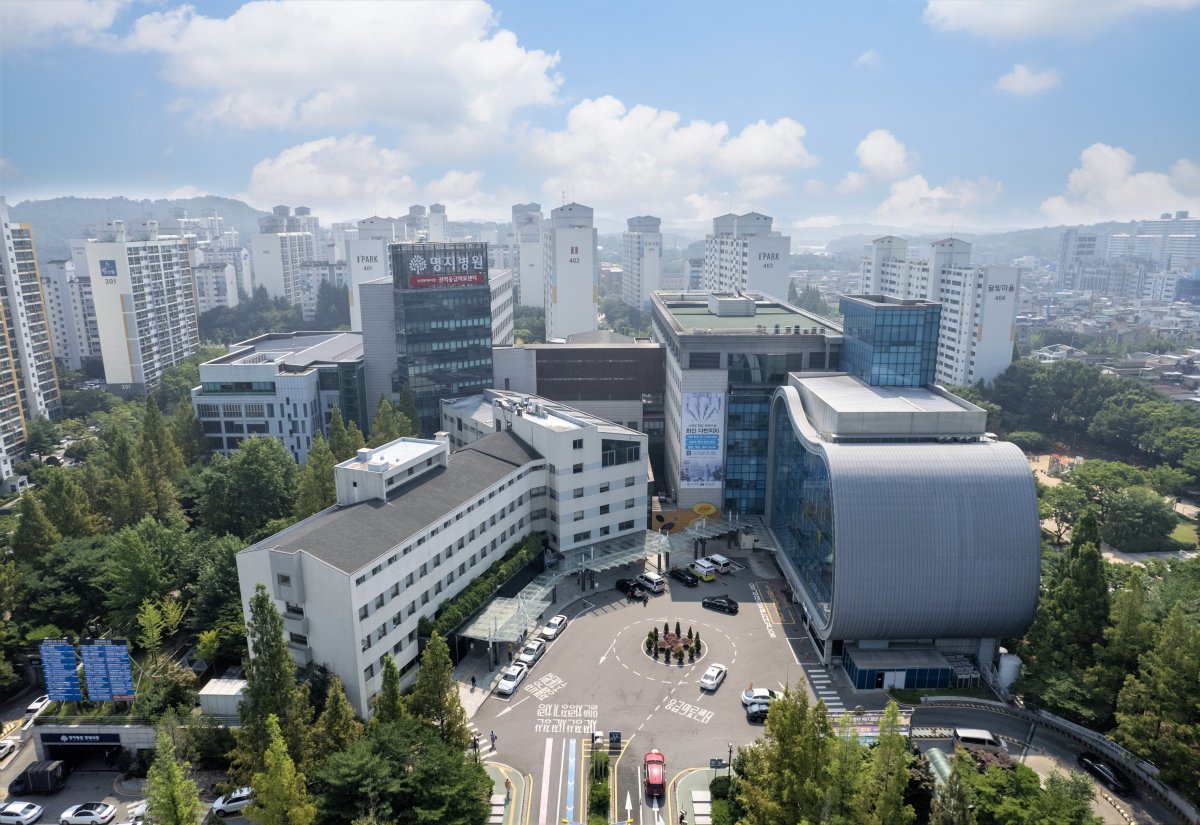



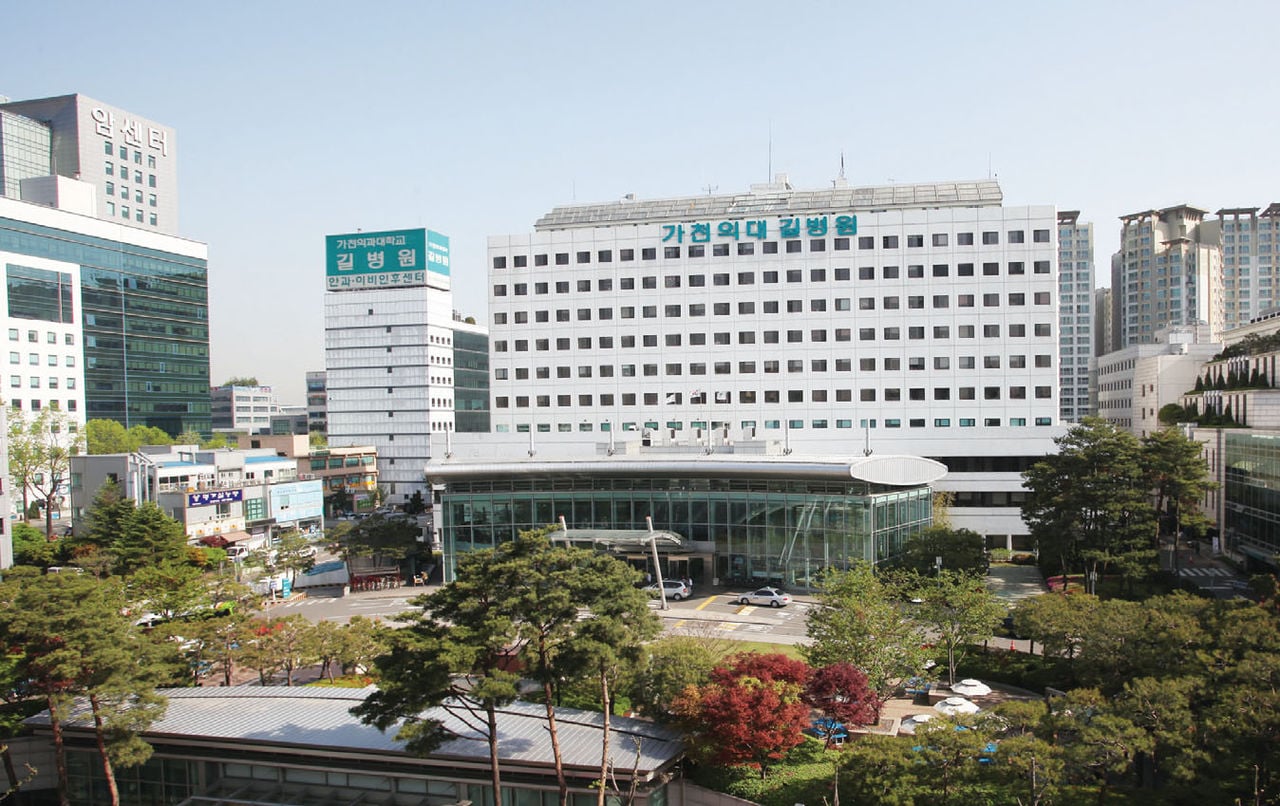




نظرة عامة على استئصال المريء في كوريا الجنوبية
- جراحة سرطان المعدة - من $19,500
تزيل هذه العملية أورام المعدة ، وتساعد في الحد من انتشار السرطان وتخفيف الأعراض ، وتساعد في البقاء على قيد الحياة والرفاهية بشكل عام.
- قطع الثرب - من $6,500
تزيل العملية الطبقة الدهنية في البطن والمعروفة باسم الثرب لعلاج أمراض البطن أو الوقاية منها.
- استئصال المريء - من $28,000
يتضمن الإجراء إزالة جزء من المريء لعلاج العديد من التشوهات ، مما يضمن تحسين القدرة على البلع.
- Gastroectomy - من $15,000
تقوم العملية بإزالة معدتك بالكامل أو جزء منها لعلاج أمراض المعدة وتحسين نوعية حياتك.
- دافنشي استئصال المعدة - من $15,000
تستهدف هذه الجراحة ، التي تتم آليًا ، مشاكل المعدة عن طريق إزالة أجزاء منها أو كلها ، مما يوفر دقة وسرعة في الشفاء.
- استئصال المريء - من $35,000
تتضمن العملية إزالة جزء من أنبوب الطعام لعلاج أمراض معينة ، مما يعود بالفائدة على صحة المريض.
اليوم 1
- وصوله الى البلاد.
- التحويل للعيادة.
- الإقامة في العيادة (إن وجدت).
اليوم الثاني
- استشارة أولية مع أخصائي.
- الخضوع للفحوصات الطبية اللازمة.
- مناقشة حول الإجراء وخطة العملية.
يوم 3
- الفحص الصحي قبل الجراحة.
- لقاء مع طبيب التخدير.
- إجراءات إضافية إذا لزم الأمر.
اليوم الرابع
- يوم استئصال المريء.
- يتم إعطاء التخدير العام.
- تستغرق العملية 3-6 ساعات.
يوم 5-14
- رعاية ما بعد الجراحة في العيادة.
- الفحوصات الدورية والمراقبة من قبل الطاقم الطبي.
- يبقى المريض في العيادة لمدة 10 أيام.
الأسبوع 2-6
- بدء عملية إعادة التأهيل.
- تمارين منتظمة لاستعادة القوة والحركة.
- استشارات المتابعة مع المختص.
الأسبوع السابع
- العودة إلى العمل ، اعتمادًا على تقدم الاسترداد.
- العودة التدريجية لممارسة الرياضة والأنشطة الأخرى.
- يمكن رؤية النتيجة النهائية في هذه المرحلة.
يرجى ملاحظة أن هذا دليل عام وقد تختلف كل حالة.
- إيداع Bookimed: 200 دولار أو 200 يورو.
- وديعة العيادة: ادفع نسبة محددة مقدمًا.
قصص فيديو من مرضى Bookimed
المراجعات
جميع المراجعاتمشاركة المحتوى
 Anna Leonova
حقائق سريعة عن استئصال المريء
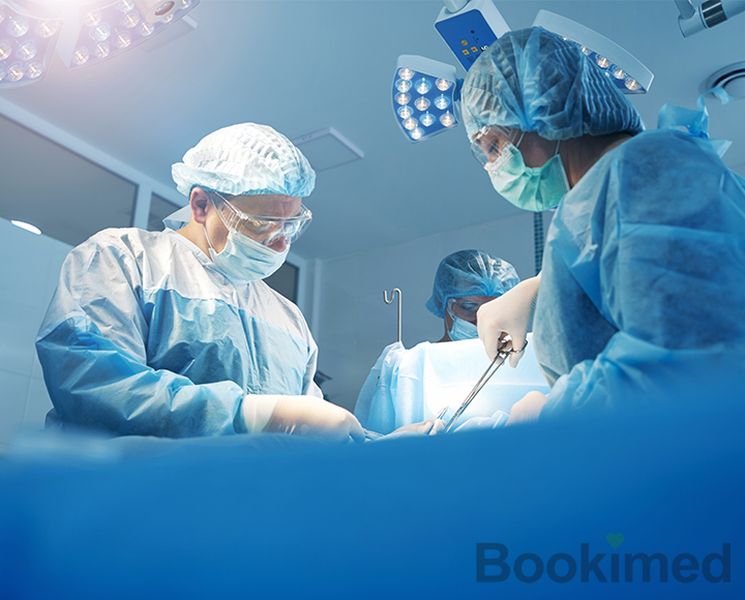
استئصال المريء
استئصال المريء هو إجراء جراحي لاستئصال جزء من المريء أو المريء كله، وغالباً ما يستخدم لعلاج سرطان المريء.
أسئلة متكررة حول استئصال المريء في كوريا الجنوبية
ما هي أكثر الطرق الجراحية شيوعاً في كوريا؟
في كوريا، تشهد تقنيات استئصال المريء الجراحية تحولاً كبيراً من العمليات الجراحية المفتوحة إلى التقنيات المتقدمة طفيفة التوغل. ويستخدم الجراحون في أغلب الأحيان تقنية استئصال المريء طفيفة التوغل بمساعدة الروبوت (RAMIE) وتقنيات التنظير الصدري، والتي تعطي الأولوية لنسبة استئصال كاملة (R0) واستئصال واسع النطاق للعقد اللمفاوية (إزالة أكثر من 30 عقدة لمفاوية) لتحقيق أفضل النتائج العلاجية.
- الجراحة الروبوتية: تعمل تقنية RAMIE، باستخدام نظام دافنشي الجراحي، على تقليل الشقوق وفقدان الدم.
- استئصال المريء بالمنظار الصدري: تقلل التقنيات بمساعدة الفيديو من خطر حدوث مضاعفات تنفسية مقارنة بجراحة الصدر المفتوحة التقليدية.
- تقنية ماكيون MIE: هذا النهج ذو التدخل الجراحي المحدود بثلاثة مجالات هو الممارسة القياسية لإزالة الورم بالكامل.
- معايير تشريح العقد الليمفاوية: تتضمن البروتوكولات الكورية عادةً إزالة 30 عقدة ليمفاوية أو أكثر بشكل جذري.
رأي خبراء بوكيمد: تُظهر البيانات من مؤسسات رائدة مثل مركز سامسونج الطبي ومستشفى سيفرانس تحولاً واضحاً نحو التقنيات طفيفة التوغل بدلاً من الأساليب الهجينة. وبينما تستخدم المراكز الأمريكية غالباً نهج إيفور لويس، يُفضل الجراحون الكوريون بروتوكول ماكيون لل