العودة إلى الصفحة الرئيسية

كيف نعمل؟

لقد قمنا بتحويل عملية البحث عن العيادة، وجعلناها بسيطة وسريعة وشخصية.
أجب عن بعض الأسئلة املأوا استمارة قصيرة لتخبرونا عن حالتكم الصحية واحتياجاتكم الطبية.
احصل على عروض مخصصة٣ عيادات تم اختيارها بعناية بناءً على إجاباتك، ستقدّم خطط علاج وتقديرات تكلفة مخصصة لك.
اختر الخيار الأفضلقارن بين العروض واختر العيادة الأنسب لك.
يمكنك أيضًا تصفح 7 عيادة أدناه.
820К+ مريضًا حصلوا على المساعدة منذ عام 2014
50 دول
1,500 عيادات
6K+ تقييمات
3K+ طبيب مؤهل

ما هي تكلفة التباين إجراءات التشخيص والعلاج في كوريا الجنوبية؟ اعرف الآن

السعر المتوسط لتشخيص وعلاج التباين في كوريا الجنوبية هو $3,842. الحد الأدنى للسعر هو $1,000 والحد الأقصى $8,462.
تم التحقق من البيانات بواسطة Bookimed اعتبارًا من July 2026، استنادًا إلى طلبات المرضى والعروض الرسمية من 100 عيادة حول العالم. تستند التكاليف المتوسطة إلى الفواتير الحقيقية (2025–2026) ويتم تحديثها شهريًا. قد تختلف الأسعار الفعلية.

اكتشف أفضل التباين العيادات في كوريا الجنوبية: 7 خيارات معتمدة والأسعار
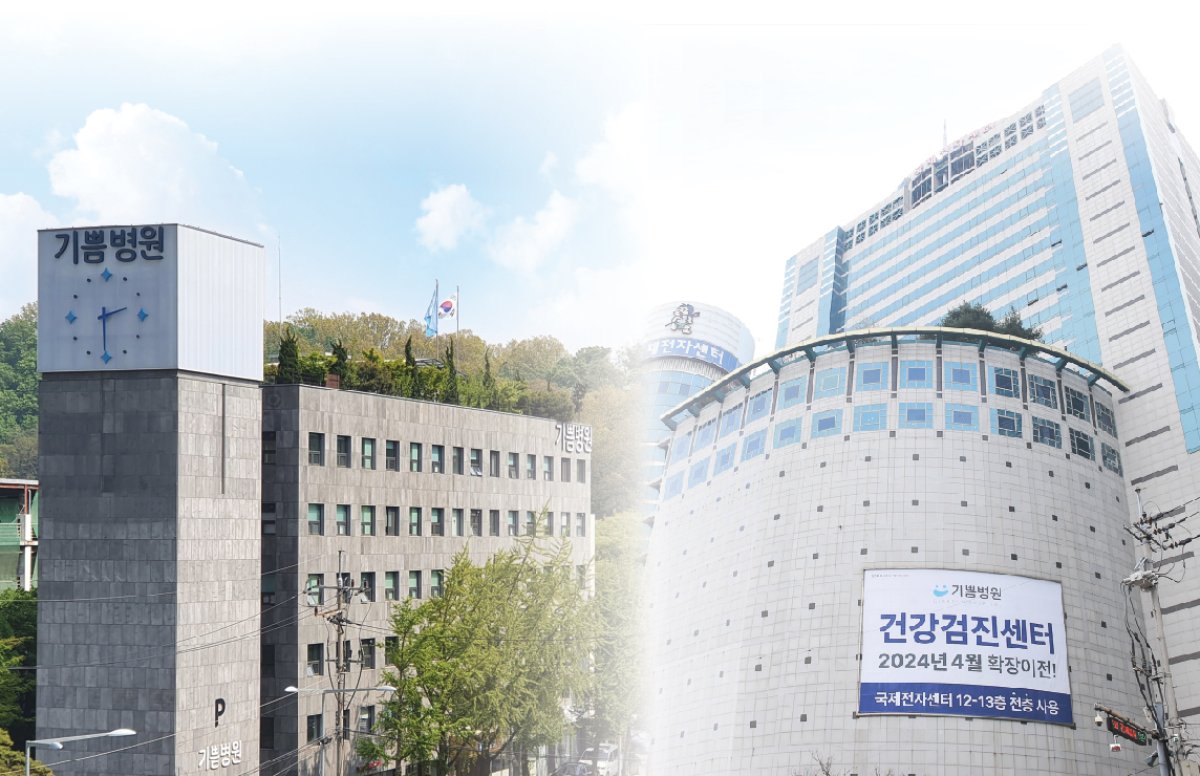
تم تصنيف العيادات بواسطة نظام Bookimed الذكي، باستخدام تحليل علوم البيانات عبر 5 معايير رئيسية.
Samsung Medical Center
مستشفى جيبيوم العام
Asan Medical Center
Seoul National University Bundang Hospital (SNUBH)

احصلوا على تقييم طبي لـ التباين في كوريا الجنوبية: استشيروا أطباء ذوي خبرة الآن

عرض جميع الأطباء
يؤكد

Francis Jeon

27سنة خبره ١٦ سنة • تم تنفيذ 3000+ علاجات

الدكتور فرانسيس جيون جراح صدر وقلب معتمد. لديه خبرة واسعة في العمل السريري والتدريس. حصل على شهادته الطبية وأكمل إقامته في جامعة ومستشفى سونتشونهانغ الطبية، ثم عمل هناك كمدرس وأستاذ عيادات خارجية.

شغل الدكتور جيون مناصب قيادية، منها مدقق جمعية الجراحة الصدرية والقلبية الكورية بين 2019 و2021. وهو أيضاً عضو في WPATH. منذ 2009، يعمل ممثلاً في عيادة إيفيتا. وفي 2011، اختاره المعهد الأمريكي للسير الذاتية "رجل العام في الطب والرعاية الصحية".

مشاركة المحتوى

Twitter XLinkedinFacebookWhatsAppEmail
أحصل على الرابط

قصص فيديو من مرضى Bookimed

Dayana
جمعت بين إجازتي في أنطاليا والفحص الطبي.
إجراء: فحص صحة الإناث (انظر فحص النساء)
Igor
كان رائعاً! التنقلات والإقامة والعلاج - كل شيء مشمول.
إجراء: زرع الأسنان
مستشفى: WestDent Clinic
Marina
قام Bookimed بكل شيء من أجلي. لم أضطر للقلق بشأن أي شيء.
إجراء: فحص صحة الإناث (انظر فحص النساء)
مستشفى: Severance Hospital
محدث: 03/27/2026
تأليف
Anna Leonova
Anna Leonova
رئيس فريق تسويق المحتوى
محررة طبية معتمدة لديها خبرة تزيد عن 10 سنوات، طوّرت محتوى Bookimed الموثوق، مدعومة بماجستير في علم اللغة ومقابلات مع خبراء طبيين من جميع أنحاء العالم.
تمت المراجعة من قبل المستشار الطبي في Bookimed
فهد مولود
محرر طبي وعالم بيانات
طبيب عام. حاصل على 4 جوائز علمية. خدم في غرب آسيا. رئيس الفريق الطبي الناطق بالعربية سابقا ومسؤول عن معالجة البيانات ودقة المحتوى الطبي حاليا.
فهد مولود Linkedin
قد تحتوي هذه الصفحة على معلومات تتعلق بمختلف الحالات الطبية والعلاجات وخدمات الرعاية الصحية المتوفرة في بلدان مختلفة. يرجى العلم أن المحتوى مقدم لأغراض إعلامية فقط ولا ينبغي تفسيره على أنه نصيحة أو إرشادات طبية. يرجى استشارة طبيبك أو أخصائي طبي مؤهل قبل البدء أو تغيير العلاج الطبي.

أسئلة متكررة حول علاج التباين في كوريا الجنوبية

هذه الأسئلة الشائعة مأخوذة من مرضى حقيقيين يبحثون عن رعاية طبية عبر Bookimed. يتم تقديم الإجابات من قبل منسقين طبيين ذوي خبرة وممثلين موثوقين من العيادات.

كم من الوقت أحتاج للبقاء في كوريا لإجراء العملية؟

يقضي معظم المرضى في جمهورية كوريا من 5 إلى 7 أيام لتلقي علاج الدوالي. وتُجرى عادةً إجراءات مثل المعالجة بالتصليب أو إزالة الدوالي بالليزر في العيادات الخارجية. وتتيح الإقامة لمدة أسبوع إجراء الفحوصات اللازمة للمتابعة وارتداء الجوارب الضاغطة. وتساعد هذه الفترة على الوقاية من المضاعفات المرتبطة بالسفر، مثل تجلط الأوردة العميقة.

  • مدة الإجراء: يستغرق العلاج عادةً من ساعتين إلى ثلاث ساعات في العيادات الخارجية.
  • الاستشارة الأولية: في اليوم الأول، يتم عادةً إجراء تخطيط الموجات فوق الصوتية والتصوير التشخيصي بالموجات فوق الصوتية دوبلر.
  • بروتوكول المتابعة: تتطلب العيادات زيارات متابعة بين اليوم الثالث واليوم السابع بعد الجراحة.
  • فترة النقاهة: يوصي الجراحون بالبقاء في المستشفى لمدة 7 أيام لضمان السلامة قبل الرحلات الجوية الطويلة.

رأي خبراء بوكيمد: بينما تستغرق العمليات الجراحية البسيطة من يوم إلى يومين، ينبغي على من يسعون للعلاج في المراكز الرائدة في سيول، مثل مستشفى سيفرانس، التخطيط لإقامة لمدة سبعة أيام. تُظهر بياناتنا أن العيادات الكورية الكبرى غالبًا ما تستخدم تقنيات تصوير تشخيصية متقدمة قد تستغرق أسابيع في المراكز الغربية. وقد أجرى أخصائيون ذوو خبرة، مثل الدكتور فرانسيس جيونغ من عيادة إيفيتا، أكثر من 3000 عملية جراحية. ويؤكدون على أن الإقامة لمدة خمسة أيام على الأقل ضرورية لإعادة التأهيل الاحترافي لساقي المتعبتين من المشي لمسافات طويلة وتقليل التورم. هذه الفترة من التعافي تحت إشراف الخبراء تقلل بشكل كبير من خطر الشعور بعدم الراحة في الساقين أثناء رحلة العودة إلى الوطن.

ملاحظات المرضى: يلاحظ المرضى أن العودة السريعة إلى المنزل بعد ثلاثة أيام فقط غالباً ما تؤدي إلى تورم مزعج أثناء الرحلة. وينصح معظمهم بالبقاء في المستشفى لمدة خمسة أيام لإجراء فحوصات المتابعة والتأكد من جاهزية أرجلهم للسفر.

What are the risks of delaying treatment for varicose veins in the Republic of Korea?

Delaying treatment for varicose veins in the Republic of Korea leads to progressive damage and serious complications. Patients face risks of deep vein thrombosis (DVT), painful venous ulcers, and irreversible skin changes. Early intervention at Seoul clinics prevents chronic venous insufficiency and avoids more invasive procedures later.

  • Blood clot risk: Untreated veins can develop clots. This increases the chance of deep vein thrombosis.
  • Venous ulcers: Persistent swelling causes skin breakdown. This results in painful, slow-healing sores or ulcers.
  • Tissue damage: Leaking blood causes hyperpigmentation. Skin around the ankles often becomes dark and discoloured.
  • Mobility impact: Worsening pain and leg heaviness reduce walking tolerance. This makes daily activities difficult.

Bookimed Expert Insight: Many view varicose veins as cosmetic. However, Bookimed data shows centres like Samsung Medical Center and Severance Hospital treat these as vascular priorities. Specialists like Dr Francis Jeon have performed over 3,000 procedures. They emphasise that early duplex sonography can identify valve failure before skin hardening begins. Choosing JCI-accredited clinics in Seoul provides access to no-stitch skin closure techniques for better recovery.

Patient Consensus: Patients in Korea note that symptoms quickly shift from visible veins to constant aching. This throbbing often occurs by the day's end. Many regret waiting until skin darkening or eczema-like itching appeared. These stages made the eventual recovery much more demanding.

Which type of specialist should I consult for varicose vein treatment in the Republic of Korea?

In the Republic of Korea, patients should consult a board-certified thoracic and cardiovascular surgeon or a vascular surgeon. These specialists specialise in phlebology. They use duplex ultrasound mapping to identify the root cause of venous reflux before performing procedures.

  • Specialist expertise: Consult thoracic and cardiovascular surgeons specialising in venous diseases and vascular mapping.
  • Diagnostic standard: The specialist should perform Doppler sonography to assess vessel blood flow accurately.
  • Clinical facilities: Major Seoul centres like Severance Hospital hold JCI accreditation for surgical safety.
  • Specialist surgeons: Dr Francis Jeon at Evita Clinic has performed over 3,000 vascular procedures.
  • Specialised hospitals: Seoul National University Bundang Hospital uses digital systems to reduce medical errors.

Bookimed Expert Insight: Many local clinics offer vein removal. However, our data suggests choosing multidisciplinary centres like Asan Medical Center or Samsung Medical Center. These facilities manage over 180,000 patients annually and can handle complex vascular cases.

Patient Consensus: Patients in South Korea advise choosing a vascular specialist who performs a full ultrasound work-up. They recommend prioritising clinical experience over aesthetics to treat the underlying reflux source effectively.

What minimally invasive varicose vein treatment options are available in the Republic of Korea?

South Korean clinics provide laser ablation, radiofrequency ablation, and VenaSeal medical adhesive to treat varicose veins. Specialists primarily use ultrasound-guided techniques for accuracy and to speed up recovery. These procedures allow most patients to return to light activities on the same day.

  • Laser ablation: Uses heat to seal thermal veins with minimal scarring or pain.
  • VenaSeal adhesive: Uses medical glue to close veins without the need for thermal energy.
  • Sclerotherapy: Involves injecting foam into smaller veins to cause them to collapse safely.
  • Doppler sonography: Specialists use this imaging at the start to map blood vessel flow.

Bookimed Expert Insight: Korea's vascular specialists often prefer combined approaches, such as using mechanochemical ablation alongside sclerotherapy. Board-certified surgeons like Dr Francis Jeon at Evita Clinic have performed over 3,000 procedures. This high volume across Seoul's major hospitals often translates into shorter theatre times and more refined aesthetic results.

Patient Consensus: Patients note Korean clinics often offer same-day assessments and treatments. They frequently highlight the convenience of receiving English-language medical reports for their doctors back in Australia.

What is the expected recovery time and hospital stay for varicose vein procedures in the Republic of Korea?

Varicose vein procedures in the Republic of Korea typically require no hospital stay for minimally invasive treatments. Patients often return home the same day. Most people resume light activities immediately. Full recovery for strenuous exercise usually takes 1 to 3 weeks.

  • Stay duration: Most clinics perform laser or radiofrequency ablation as outpatient day procedures.
  • Initial recovery: Walking is encouraged immediately after surgery to promote healthy blood flow.
  • Activity limits: Heavy lifting or intense gym sessions require a 3-week break.
  • Travel safety: Doctors recommend waiting 3 weeks before taking long-haul flights over 6 hours.

Bookimed Expert Insight: South Korea houses medical complexes like Severance Hospital and Asan Medical Center. These centres serve millions of patients annually. Board-certified specialists such as Dr Francis Jeon have performed over 3,000 vascular procedures. High patient volumes mean surgeons often use no-stitch skin closure techniques. This reduces scarring and speeds up healing for international patients.

Patient Consensus: Patients note that walking the same day helps manage minor bruising. They suggest staying locally for 2 days to complete follow-up ultrasound scans in Seoul.

Will varicose veins return after receiving treatment in the Republic of Korea?

Varicose veins rarely return in the same spot after modern treatment in South Korea. Procedures such as VenaSeal and ablation report success rates over 95%. While the treated vein is permanently sealed, new veins may form elsewhere due to genetics or lifestyle.

  • Permanent closure: Methods like VenaSeal or stripping physically remove or seal the damaged vein forever.
  • New vein formation: Disease progression can cause different veins to bulge in approximately 66% of patients.
  • Specialist expertise: Surgeons like Dr Francis Jeon at Evita Clinic have performed over 3,000 procedures.
  • Screening standards: Clinics use high-resolution duplex Doppler sonography to map vein blood flow before surgery.
  • Accredited facilities: Major Seoul centres like Severance Hospital hold JCI accreditation for patient safety.

Bookimed Expert Insight: Major centres like Samsung Medical Center and Asan Medical Center handle many patients. Specialised phlebology clinics often provide more tailored diagnostic pricing. For instance, Doppler sonography in Seoul starts at approximately A$300. Smaller specialised clinics can offer direct access to board-certified cardiovascular surgeons for focused vein care.

How long does a varicose vein procedure typically take in the Republic of Korea?

Varicose vein procedures in South Korea typically take 60 to 90 minutes. Complex cases may require up to 3 hours. Most clinics perform these as outpatient services using local anaesthesia. Clinical stays are short. Patients usually spend 5 to 7 days in Seoul for follow-ups.

  • Treatment duration: Most laser or radiofrequency ablation sessions finish within 60 to 90 minutes.
  • Clinical stay: Patients often leave the centre on the same day as their procedure.
  • Recovery timeline: Surgeons generally advise waiting 48 to 72 hours before taking a long-haul flight.
  • Diagnostic phase: Ultrasound mapping and consultations usually occur 1 to 2 days before surgery.
  • Follow-up care: Mandatory check-ups provide safety and typically conclude within 6 days of arrival.

Bookimed Expert Insight: High-volume Seoul centres like Asan Medical Center perform over 65,000 operations annually. This scale means specialists often handle complex vascular cases that smaller clinics might decline. For Australians prioritising safety, Severance Hospital offers Joint Commission International (JCI) accreditation. This confirms that clinical standards meet rigorous international safety benchmarks.

Is the use of compression stockings required after varicose vein treatment in the Republic of Korea?

Compression stockings are mandatory for the first 48 hours after varicose vein removal in South Korea. Surgeons prescribe them to manage bruising and swelling after laser or radiofrequency treatments. Requirements often drop to daytime-only use for 7–14 days for patient comfort.

  • Standard protocol: Medical stockings are applied immediately after theatre for continuous 48-hour wear.
  • Extended recovery: Clinics typically recommend daytime compression for 1–2 weeks to reduce swelling.
  • Technique exceptions: Newer medical glue procedures may eliminate the need for post-operative stockings entirely.
  • Flight safety: International patients should wear compression during travel to lower deep vein thrombosis risks.

Bookimed Expert Insight: Samsung Medical Center provides comprehensive care. However, specialist phlebologists like Dr Francis Jeon often refine protocols based on vein diameter. Data shows Korean specialists frequently use no-stitch skin closures. This allows showering the next day. Still, compression usually stays necessary until the first follow-up scan.

Patient Consensus: Patients note that thermal treatments like ablation usually require stockings to manage bruising. They are mostly viewed as a practical recovery tool for long flights home. Plan to confirm the exact compression pressure rating with the clinic before travelling to South Korea.

احصل على استشارة مجانية

حدد أفضل طريقة للاتصال بك