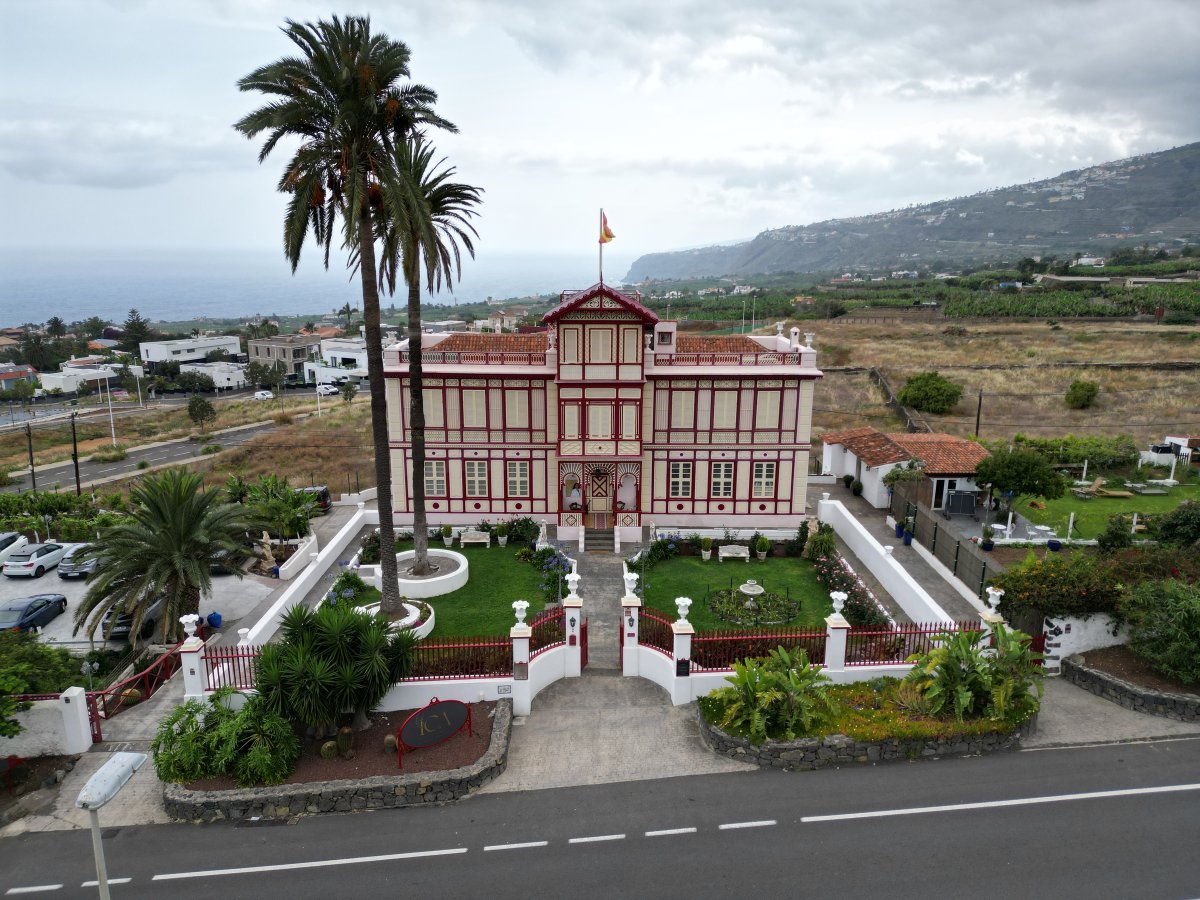
Centro Médico Teknon
إسبانيا, برشلونة
César García Madrid
33سنة خبره ١٦ سنة

الاعتمادات : 
العيادة معتمدة من قبل : 



تمت مراجعة المقالة طبيا من قبل
فهد مولود
من $3,500. تعتمد الأسعار على التقنية المختارة، وعدد الساقين، وموقع العيادة. تشمل معظم العيادات الإسبانية اختبارات ما قبل الجراحة، والتخدير الموضعي، والاستشارات اللاحقة ضمن باقاتها الجراحية.
رأي خبراء Bookimed: تتخصص إسبانيا في الرعاية الوعائية المتقدمة غير الجراحية. على سبيل المثال، يبتكر الدكتور غارسيا مدريد في مركز تيكنون الطبي تقنيات VenaSeal والترددات الراديوية. يخدم هذا المرفق المعتمد من JCI رياضيين بارزين، مما يؤكد معاييره النخبوية. يضمن اختيار متخصص حاصل على شهادات دولية في برشلونة أو بامبلونا الحصول على أحدث التقنيات. تعالج هذه المراكز أكثر من 10,000 مريض دولي سنوياً بمعدلات نجاح مرتفعة.
لماذا يختار المرضى إسبانيا لإزالة الدوالي؟
احصل على حلول متقدمة لإزالة الدوالي في عيادات موثوقة من $3,500.
Bookimed لا يضيف رسوماً إضافية على أسعار إزالة الدوالي الوريدية. الأسعار مأخوذة من قوائم الأسعار الرسمية للعيادات. تدفع مباشرة في العيادة مقابل إزالة الدوالي الوريدية عند وصولك.
Bookimed ملتزم بسلامتك. نحن نعمل فقط مع المؤسسات الطبية التي تحافظ على معايير دولية عالية في إزالة الدوالي الوريدية ولديها التراخيص اللازمة لخدمة المرضى الدوليين في جميع أنحاء العالم.
Bookimed يقدم مساعدة خبراء مجانية. منسق طبي شخصي يدعمك قبل وأثناء وبعد العلاج، ويحل أي مشاكل. لن تكون وحيداً أبداً في رحلة إزالة الدوالي الوريدية.

يستخدم هذا الإجراء حرارة الليزر لإغلاق الأوردة المعيبة ، وهي عملية طفيفة التوغل ، مما يوفر تعافيًا أسرع.
يستخدم هذا العلاج الضوء المركّز لإغلاق الأوردة المنتفخة غير المريحة ، مما يوفر تعافيًا سريعًا مع الحد الأدنى من الندوب.
يعالج هذا العلاج الأوردة المتضخمة والقبيحة عن طريق حقن محلول ينهار ويتلاشى بمرور الوقت.
يزيل هذا الإجراء الأوردة الملتوية والمتضخمة ، ويحسن المظهر ويخفف الشعور بعدم الراحة من خلال الطرق الجراحية أو غير الجراحية.
يعالج هذا العلاج الأوردة المتضخمة عن طريق إزالتها جراحيًا ، وتحسين الدورة الدموية والمظهر مع تقليل الشعور بعدم الراحة.
يقوم هذا العلاج بإغلاق الأوعية الدموية غير الطبيعية لوقف النزيف أو منع التمزق ، مما يحسن من سلامة المريض.
اليوم 1
اليوم الثاني
يوم 3
الأسبوع 1
الأسبوع 2-4
الأسبوع 4-6
ملحوظة: قد يختلف شفاء كل مريض وهذا الجدول هو دليل عام. اتبع دائمًا التعليمات المحددة التي قدمها طبيبك.
رئيس معهد غارسيا-مدريد للأوعية الدموية في مركز تكنون الطبي - متخصص في علاج الدوالي طفيف التوغل.

يتخصص الدكتور غاياردو بيدراخاس في العلاجات الوعائية طفيفة التوغل للدوالي في مستشفى كيرونسالود ماربيا.
 Anna Leonova
تعطي إسبانيا الأولوية للتقنيات طفيفة التوغل مثل استئصال الوريد بالليزر واستئصال الوريد بالترددات الراديوية لإزالة الدوالي. يستخدم أخصائيو الأوعية الدموية في العيادات المعتمدة من JCI في مدريد وبرشلونة العلاج بالتصليب الرغوي الموجه بالموجات فوق الصوتية وغراء VenaSeal الطبي لعلاج الأوردة المصابة دون الحاجة إلى جراحة تقليدية عنيفة.
رؤية خبير Bookimed: تتميز مراكز الأوعية الدموية الإسبانية مثل Centro Médico Teknon باستخدام أطوال موجية ليزر 1940 نانومتر. تسمح هذه التقنية المحددة للجراحين مثل الدكتور سيزار غارسيا مدريد بتحقيق إغلاق دقيق للوريد. غالباً ما تقلل هذه المعدات المتقدمة من الكدمات بعد الجراحة مقارنة بليزر 810 نانومتر القياسي.
إجماع المرضى: يجد العديد من المرضى أن متطلبات المشي بعد الإجراء مكثفة بشكل مفاجئ ولكن يمكن إدارتها. غالباً ما يبلغون أن جوارب الضغط تشعرهم بتقييد أكبر في حرارة إسبانيا مما كانوا يتوقعون في البداية.
لا يمكن أن تعود الدوالي بمجرد استئصالها جراحياً أو إغلاقها حرارياً بواسطة جراح الأوعية الدموية. ومع ذلك، قد تتطور أوردة مريضة جديدة في أماكن أخرى لأن القصور الوريدي المزمن حالة تقدمية. تستخدم العيادات الإسبانية خرائط الموجات فوق الصوتية المزدوجة المتقدمة لتحديد مصادر الارتجاع، مما يقلل بشكل كبير من مخاطر التكرار على المدى الطويل.
رؤية خبراء Bookimed: غالباً ما يغفل المرضى أن إسبانيا رائدة عالمياً في ابتكار الأوعية الدموية، حيث تحتل المرتبة الخامسة في شبكتنا. كان خبراء مثل الدكتور سيزار غارسيا مدريد في مركز تكنون الطبي (Centro Médico Teknon) رواداً في علاجات VenaSeal غير الجراحية. هذه الخبرة حيوية لأن التكرار غالباً ما ينبع من فقدان وريد مغذٍ أثناء الفحص الأولي، وليس من فشل الجراحة نفسها.
إجماع المرضى: يلاحظ العديد من المرضى تحسناً بصرياً فورياً ولكنهم يؤكدون أن الجراحة هي أداة إدارة وليست علاجاً مدى الحياة. يوصون بإعطاء الأولوية لأخصائيي الأوعية الدموية على مراكز التجميل لضمان علاج مصدر الارتجاع بف
للتحقق من الجودة، تأكد من أن الجراحين مسجلون في منظمة الأطباء (Organización Médica Colegial) ويحملون اللقب المحدد في جراحة الأوعية الدموية (Angiología y Cirugía Vascular). تحافظ العيادات الرائدة مثل Centro Médico Teknon أو Clínica Universidad de Navarra على اعتماد اللجنة الدولية المشتركة (JCI) وتصنيفات عالية في مؤشر السمعة الصحية (Monitor de Reputación Sanitaria).
رؤية خبير Bookimed: بينما تقدم العديد من المراكز المتخصصة خدمات إزالة الأوردة، فإن اختيار متخصص مرتبط بمستشفى مثل الدكتور سيزار غارسيا مدريد في Centro Médico Teknon يوفر إشرافاً أمنياً متفوقاً. غالباً ما يتمتع هؤلاء الجراحون بإنتاج أكاديمي أعلى وإمكانية الوصول إلى غرف عمليات هجينة للحالات المعقدة.
إجماع المرضى: يوصي المرضى ذوو الخبرة باختيار المتخصصين الذين يجرون فحص الموجات فوق الصوتية المزدوج (Duplex ultrasound) أولاً لرسم خريطة الارتجاع. إنهم يقدرون الجراحين الذين يناقشون بشفافية خطر التكرار بدلاً من التركيز فقط على النتائج التجميلية.
يتم إجراء إزالة الدوالي في إسبانيا في الغالب كإجراء خارجي. تسمح التقنيات الحديثة مثل استئصال الليزر الوريدي (EVLA)، واستئصال الترددات الراديوية (RFA)، وVenaSeal للمرضى بالعودة إلى المنزل في نفس اليوم. تستخدم معظم العلاجات التخدير الموضعي، مما يضمن خروجاً سريعاً بعد فترة مراقبة قصيرة.
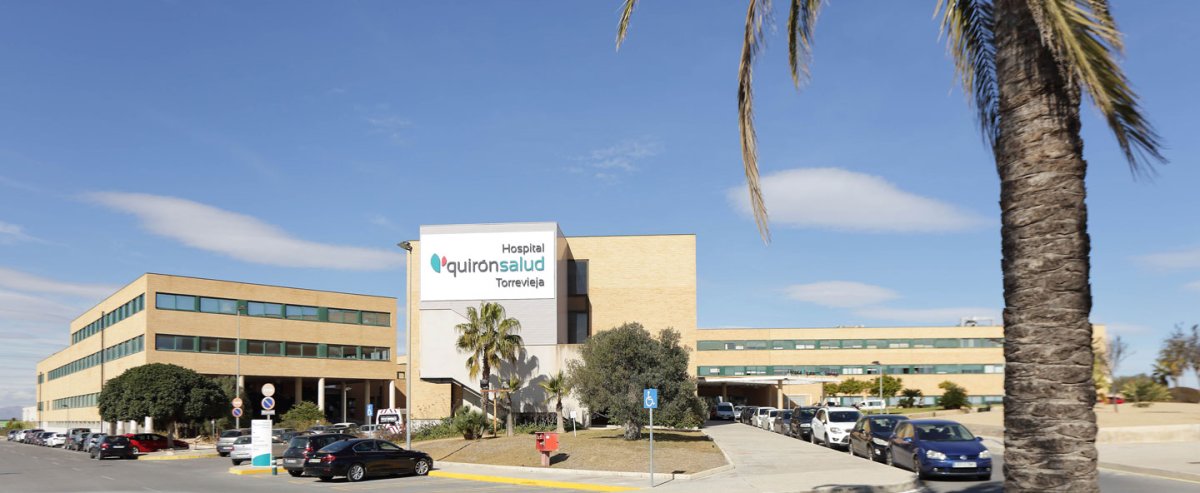
رؤية خبير Bookimed: تُظهر البيانات الواردة من مراكز إسبانية رائدة مثل Centro Médico Teknon حجماً كبيراً من المرضى الدوليين الذين تم علاجهم بنجاح عبر بروتوكولات المسار السريع. وعلى الرغم من أن المستشفيات الكبيرة مثل Quirónsalud Torrevieja تضم أكثر من 100 سرير، إلا أنها نادراً ما تُستخدم لحالات الأوردة. يعني التحول نحو الجراحة داخل الأوعية الدموية أنك تدفع مقابل خبرة الإجراء، وليس مقابل ليالي الإقامة في المستشفى.
إجماع المرضى: يؤكد المرضى أنهم يغادرون العيادة في يوم العلاج ولكنهم يؤكدون على الحاجة إلى وسيلة نقل مرتبة مسبقاً للعودة إلى المنزل. توقع أن تشعر ببعض الألم في الساعات الأولى وضرورة ارتداء ملابس الضغط على الفور.