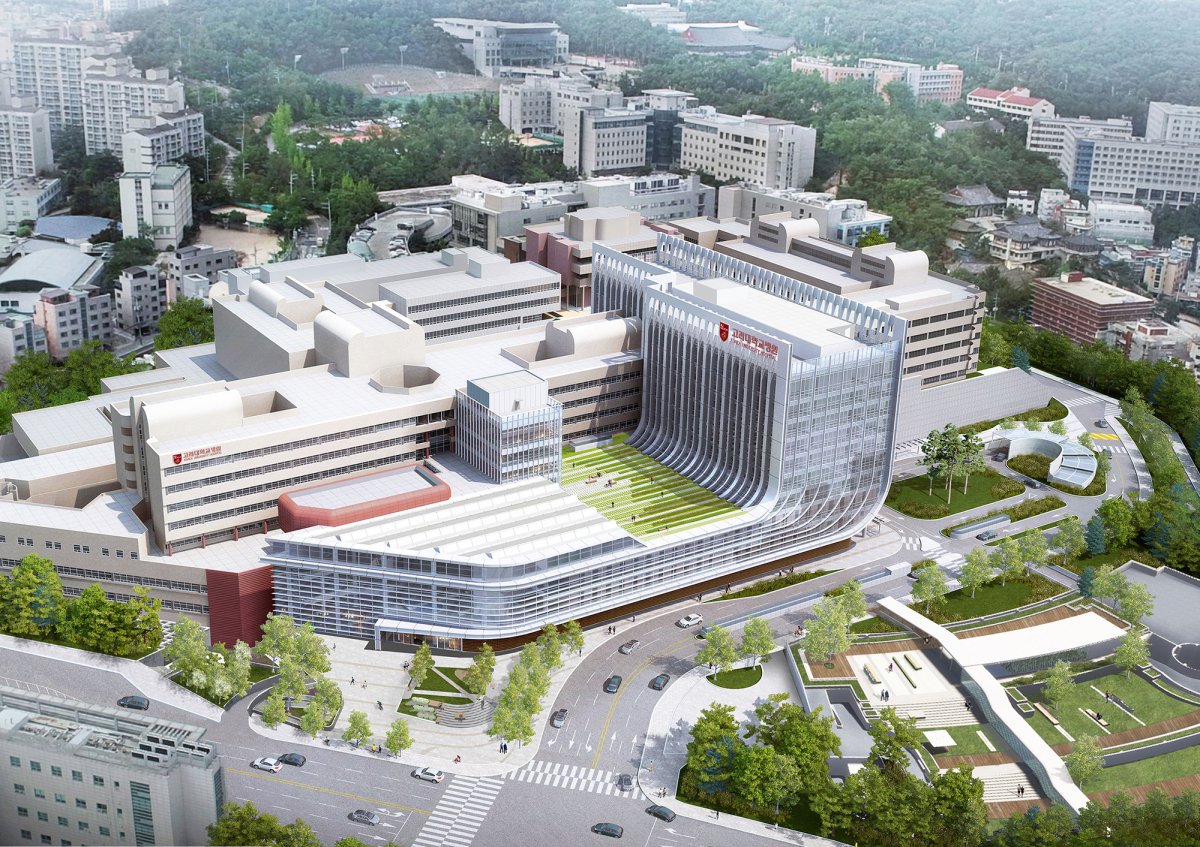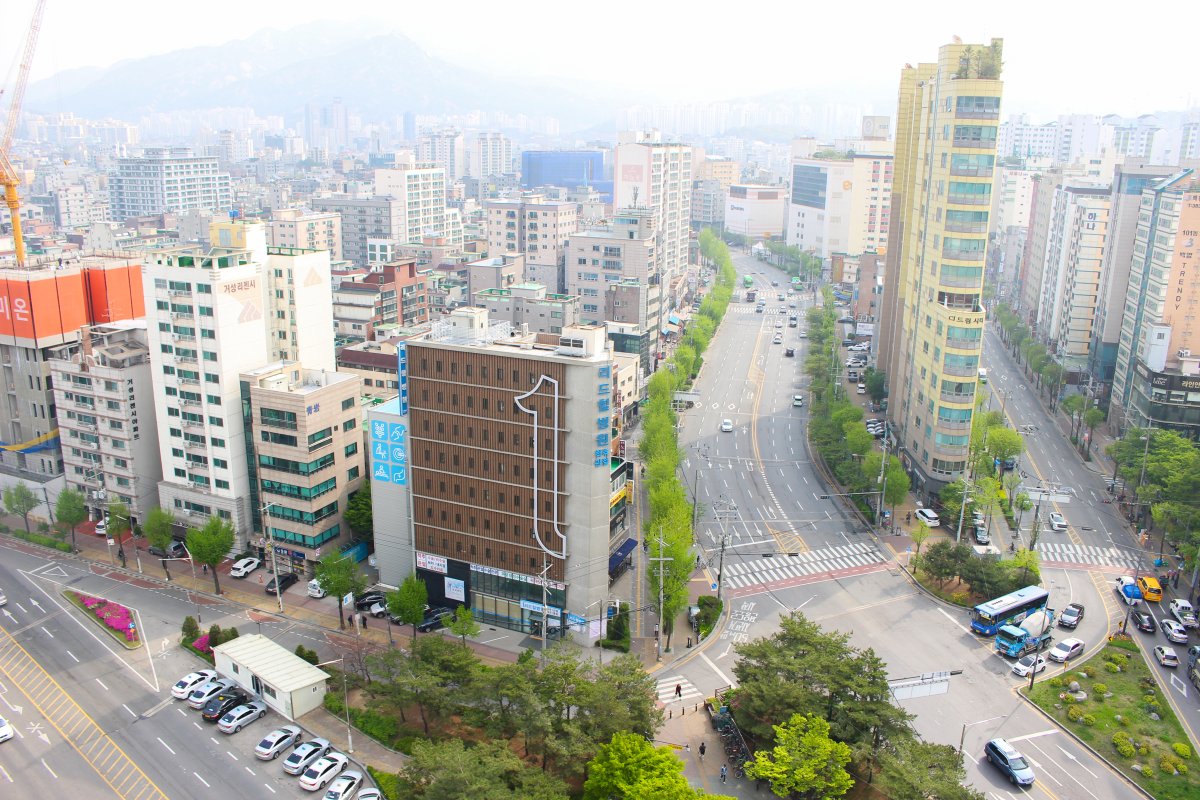
عيادة العمود الفقري والمفاصل Leadheal
كوريا الجنوبية, سول


تمت مراجعة المقالة طبيا من قبل
فهد مولود
من $55
تكاليف علاج تمزق الغضروف المفصلي النموذجية في جمهورية كوريا
رؤية خبراء Bookimed: يستفيد المرضى الباحثون عن رعاية متخصصة في العظام من أنظمة المستشفيات عالية الرقمنة في كوريا الجنوبية. بالنسبة للإصابات الرياضية المعقدة، يُعد مستشفى نانوري (Nanoori Hospital) خياراً أول، كونه مركزاً متخصصاً في العمود الفقري والمفاصل ومعتمداً من وزارة الصحة، ويخدم 58,000 مريض سنوياً. وفي حين توفر المراكز الجامعية الكبيرة مثل مركز آسان الطبي (Asan Medical Center) تميزاً معتمداً من اللجنة الدولية المشتركة (JCI)، غالباً ما تقدم العيادات المتخصصة بروتوكولات إعادة تأهيل أكثر تخصيصاً. ويجد أولئك الذين يحتاجون إلى تعافٍ طويل الأمد قيمة ممتازة في مستشفى كانغ دونغ (Kang Dong Hospital) في بوسان، المعروف ببرامج إعادة التأهيل العضلي الهيكلي المتقدمة ونهج العلاج متعدد الجوانب.
| كوريا الجنوبية | تركيا | إسبانيا | |
|---|---|---|---|
| حقن الركبة الموجه بالصور | ≈ $150 | ≈ $140 | ≈ $230 |
| تنظير المفصل | ≈ $3,800 | من $4,500 | ≈ $3,600 |
| العلاج الطبيعي | من $200 | من $150 | من $120 |
| استئصال الغضروف الهلالي بالمنظار | من $5,000 | من $2,500 | من $9,800 |
Bookimed لا يضيف رسوماً إضافية على أسعار علاج تمزق الغضروف الهلالي. الأسعار مأخوذة من قوائم الأسعار الرسمية للعيادات. تدفع مباشرة في العيادة مقابل علاجك عند وصولك إلى البلد.
Bookimed ملتزم بسلامتك. نحن نعمل فقط مع المؤسسات الطبية التي تحافظ على معايير دولية عالية في علاج تمزق الغضروف الهلالي ولديها التراخيص اللازمة لخدمة المرضى الدوليين في جميع أنحاء العالم.
Bookimed يقدم مساعدة خبراء مجانية. منسق طبي شخصي يدعمك قبل وأثناء وبعد العلاج، ويحل أي مشاكل. لن تكون وحيداً أبداً في رحلة علاج تمزق الغضروف الهلالي.

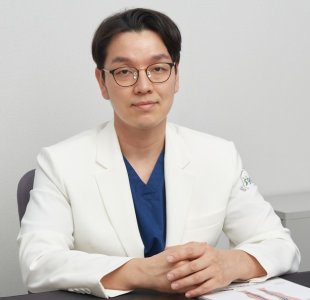
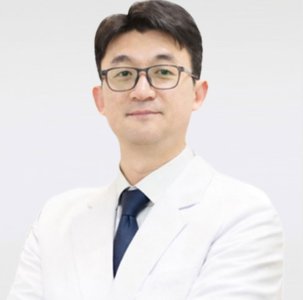
الدكتور كيم جو يونغ هو جراح عظام في عيادة سامسونج بالانس في سيول. وهو متخصص في العلاجات التجديدية وإعادة بناء المفاصل. شغل الدكتور كيم منصب مدير جراحة العظام في فرقة حفظ السلام في العراق. وهو يعالج حالات معقدة مثل هشاشة العظام في الركبة، وتمزق الغضروف المفصلي، وتيبس الكتف.
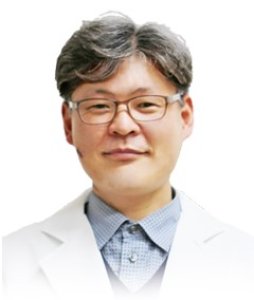
الدكتور يانغ يونغجون جرّاح عظام متخصص في رعاية المفاصل وتنظيرها. يعالج اضطرابات الركبة والكتف، ويُجري الجراحة التنظيرية للمفاصل واستبدال المفاصل (رأب المفصل). كما يعالج الرضوض والحالات المرتبطة بالرياضة، بما في ذلك إصابات الرياضيين، ومشكلات القدم والكاحل، ومتلازمة النفق الرسغي، والكسور.
أكمل برنامج الإقامة في جراحة العظام بالمركز الطبي الكاثوليكي، ثم زمالة في مستشفى سانت بول التابع للمركز نفسه. وهو عضو عامل في جمعية التنظير المفصلي الكورية، وجمعية الركبة الكورية، وجمعية الكتف والمرفق ا
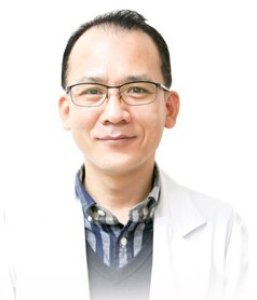
الدكتور لي دونغيوب جرّاح عظام متخصص في تنظير المفاصل واستبدال المفاصل. يجري جراحة تنظير المفاصل (المنظار المفصلي) واستبدال مفصل الركبة الكلي. ويعالج اضطرابات الكتف والإصابات الرياضية وحالات الركبة المزمنة.
المؤهلات: برنامج مشترك MD-PhD بكلية الدراسات العليا للطب في الجامعة الكاثوليكية في كوريا. سنة الامتياز وبرنامج الإقامة في جراحة العظام بالمركز الطبي الكاثوليكي التابع للجامعة الكاثوليكية في كوريا. مُدرّس سريري (زميل) في مستشفى سانت ماري في سيول، الجامعة الكاثوليكية في كوريا.
 Anna Leonova
تشمل أفضل المستشفيات الكورية الجنوبية لعلاج تمزق الغضروف المفصلي مركز أسان الطبي (Asan Medical Center)، ومستشفى سيفيرانس (Severance Hospital)، ومستشفى جامعة سيول الوطنية في بوندانغ (Seoul National University Bundang Hospital). تتخصص هذه المرافق المعتمدة من اللجنة الدولية المشتركة (JCI) في جراحة المناظير. وهي تستخدم التصوير الرقمي وتقنية ثلاثية الأبعاد لإعطاء الأولوية للحفاظ على المفصل أثناء الإصلاحات المعقدة.
رؤية خبير Bookimed: بينما تتعامل المستشفيات الكبرى في سيول مع أعداد هائلة من المرضى، تركز المراكز المتخصصة مثل مستشفى نانوري حصرياً على حالات العمود الفقري والمفاصل. تظهر البيانات أن هذه العيادات غالباً ما توفر جدولة أسرع للمرضى الدوليين مع الحفاظ على معايير عالية، كما يظهر في شهادة وزارة الصحة الخاصة بهم.
إجماع المرضى: يؤكد المرضى على أهمية الحصول على مراجعة للرنين المغناطيسي من قبل الجراح قبل الجراحة لتجنب إزالة الغضروف المفصلي بالكامل. كما يشيرون إلى أن الدعم المنسق باللغة الإنجليزية ضروري للتنقل في الخطوات الإدارية المعقدة في مستشفيات سيول.
يستغرق التعافي بعد جراحة الغضروف المفصلي في كوريا عادةً من 3 إلى 6 أشهر للعودة إلى النشاط الكامل. غالبًا ما يبدأ المرضى في المشي باستخدام العكازات في غضون ساعات من الإجراء. يمكن لبروتوكولات إعادة التأهيل اليومية المكثفة في المراكز الكورية تسريع العودة إلى الرياضة مقارنة بالمعايير الغربية.
رؤية خبير Bookimed: تدير مراكز العظام الكورية أعدادًا كبيرة من المرضى، حيث يعالج مستشفى Leadheal أكثر من 44,000 مريض سنويًا. يسمح هذا النطاق الهائل للجراحين بتحسين بروتوكولات متخصصة، مثل انتقال المرضى إلى التحميل الكامل للوزن في وقت مبكر من اليوم الثاني. تعطي المرافق رفيعة المستوى مثل مستشفى جامعة سيول الوطنية في بوندانغ الأولوية لأنظمة السلامة الرقمية لتقليل الأخطاء الجراحية أثناء مسارات التعافي السريع هذه.
إجماع المرضى: يشير المرضى إلى أن بدء العلاج الطبيعي في اليوم الأول يساعد في منع ضمور العضلات. يؤكد الكثيرون أن استخدام العكازات خلال الأسبوع الأول أمر حيوي حتى عندما يكون الألم منخفضًا لحماية المفصل الذي يلتئم.
تُعد كوريا الجنوبية وجهة آمنة ومتميزة للسياحة العلاجية في مجال العظام. وتصنف الدولة ضمن أفضل ثلاثة أنظمة رعاية صحية على مستوى العالم. تلتزم المرافق ببروتوكولات سلامة صارمة تنظمها وزارة الصحة والرعاية الاجتماعية. وتفيد المراكز الكورية الجنوبية بأن 97% إلى 98% من حالات العظام تتم دون مضاعفات كبيرة.
رؤية خبير Bookimed: تقدم كوريا الجنوبية مستوى فريداً من مستشفيات العظام فائقة التخصص التي لا توجد في معظم البلدان. بينما تتعامل المراكز الكبرى مثل مستشفى سيفيرانس مع ملايين المرضى، تركز العيادات المتخصصة الأصغر بالكامل على صحة المفاصل. يخدم مستشفى نانوري وحده 58,000 مريض سنوياً. يسمح هذا الحجم للجراحين مثل الدكتور كوانغيال لي بالحفاظ على خبرتهم في تقنيات تنظير المفاصل المحددة. غالباً ما يجد المرضى أوقات انتظار أقصر في هذه المراكز المتخصصة مقارنة بالمستشفيات الجامعية متعددة التخصصات.
إجماع المرضى:
يمكن للمرضى في كوريا الجنوبية الوصول إلى كل من العلاجات الحديثة غير الجراحية والطب الكوري التقليدي (KM) لتمزق الغضروف المفصلي. تقدم المراكز المتخصصة برامج تكاملية. تجمع هذه البرامج بين الوخز بالإبر، والوخز الدوائي بالأعشاب، والعلاج اليدوي (تشونا) مع علاجات تجديدية مثل حقن الخلايا الجذعية أو البلازما الغنية بالصفائح الدموية (PRP) لاستعادة وظيفة المفصل دون جراحة.
رؤية خبير Bookimed: بينما يسعى الكثيرون للحصول على الطب الكوري التقليدي، تعالج المراكز الكبيرة متعددة التخصصات مثل مستشفى "ليدهيل" أكثر من 44,000 مريض سنوياً باستخدام نهج هجين. تظهر البيانات أن العيادات ذات الحجم الكبير غالباً ما تدمج الطب الكوري التقليدي مع التشخيص المتقدم. وهذا يضمن أن العلاجات التقليدية تستهدف بشكل خاص موقع التمزق الذي تم تحديده في التصوير عالي الدقة للحصول على دقة أفضل.
إجماع المرضى: يشير المرضى إلى سهولة تلقي العلاجات العشبية التقليدية جنباً إلى جنب مع الفحوصات الحديثة في منشأة واحدة. يؤكد الكثيرون أن