علاج تمزق الغضروف الهلالي في ألمانيا — احصل على 3 عيادات مختارة خصيصاً لك


تمت مراجعة المقالة طبيا من قبل
فهد مولود
كيف نعمل؟
ما هي تكلفة تمزق الغضروف الهلالي إجراءات التشخيص والعلاج في ألمانيا؟ اعرف الآن
تختلف التكلفة الإجمالية لعلاج تمزق الغضروف الهلالي في ألمانيا حسب الإجراءات والخدمات المحددة المتضمنة. تتراوح تكلفة التحديثات التشخيصية، بما في ذلك التاريخ الطبي والتصوير، من $6,900 إلى $8,200. يتم تسعير التدخل بالمنظار بين $10,000 و $15,000، بينما تتراوح تكلفة زراعة غضروف هلالي صناعي بين $14,000 و $18,000. قد تكلف إعادة التأهيل الإضافية لمدة أسبوعين ما يصل إلى $3,200. تتوفر استشارة فيديو، والتي تشمل مراجعة طبية عن بُعد ورأي خبير، مقابل $750.
| تركيا | إسبانيا | ألمانيا | |
|---|---|---|---|
| حقن الركبة الموجه بالصور | ≈ $140 | ≈ $230 | ≈ $190 |
| تنظير المفصل | من $4,500 | ≈ $3,600 | من $5,600 |
| العلاج الطبيعي | من $150 | من $120 | من $330 |
| استئصال الغضروف الهلالي بالمنظار | من $2,500 | من $9,800 | من $4,000 |
اكتشف أفضل تمزق الغضروف الهلالي العيادات في ألمانيا: 16 خيارات معتمدة والأسعار







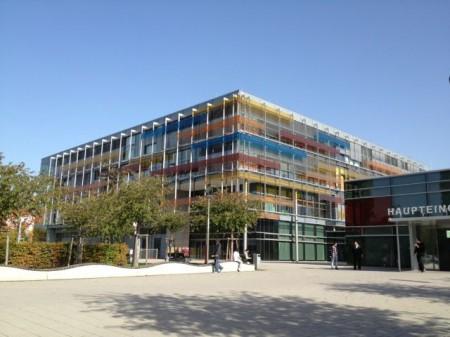
University Hospital in Haydelberge

Hannover Medical School

Leopoldina Hospital Schweinfurt
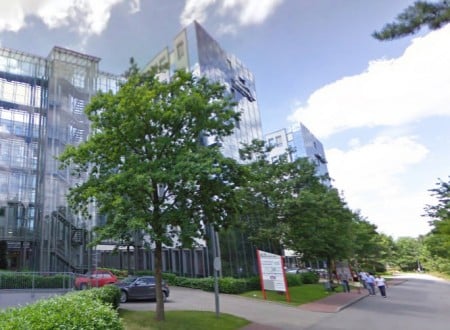
Center of Orthopaedic Surgery and Traumatology Dr. Attmanspaher





احصلوا على تقييم طبي لـ تمزق الغضروف الهلالي في ألمانيا: استشيروا أطباء ذوي خبرة الآن
عرض جميع الأطباء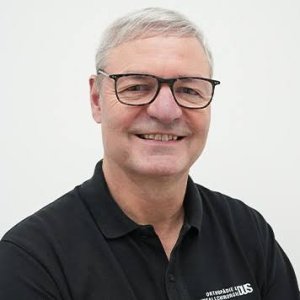
Markus Granrath
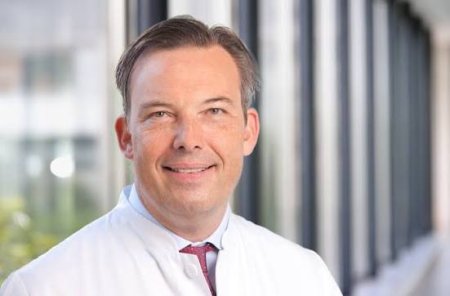
Markus Graf

Sven Rogmans
يتخصص الدكتور روجمانز في علاجات المفاصل طفيفة التوغل مع خبرة 26 سنة في عيادة نوردويست.
- خبير في جراحة المناظير للإصابات الرياضية
- يركز على علاجات هشاشة العظام التحفظية والجراحية
- تخرج من جامعة روبريخت كارل في هايدلبرغ
- نشر أبحاثاً وطنياً ودولياً في مجال جراحة العظام
مشاركة المحتوى
قصص فيديو من مرضى Bookimed
 Anna Leonova
أسئلة متكررة حول علاج تمزق الغضروف الهلالي في ألمانيا
هل جراحة الغضروف المفصلي في ألمانيا آمنة، وما هي المخاطر الرئيسية؟
تظل جراحة الغضروف المفصلي في ألمانيا آمنة للغاية مع معدلات نجاح تتراوح بين 85% و95%. يعطي أخصائيو العظام الألمان الأولوية للحفاظ على الغضروف المفصلي باستخدام تقنيات تنظير المفاصل المتقدمة. تبلغ المراكز الرائدة مثل المركز الطبي في سولينغن وعيادة نوردويست عن معايير سلامة عالية في بيئات معتمدة من JCI أو حاصلة على شهادة TÜV.
- نجاح الجراحة: يتراوح نجاح إصلاح تنظير المفاصل عادةً بين 85% و95%.
- خطر العدوى: تحدث التهابات موقع الجراحة العميقة في حوالي 0.07% من الحالات.
- سلامة الأعصاب: يظل خطر إصابة العصب الصافن بين 1% و9% أثناء الإصلاحات.
- الوقاية من التجلط: خطر الانصمام الرئوي منخفض عند حوالي 0.078% بعد الجراحة.
رؤية خبير Bookimed: بينما يبحث العديد من المرضى عن رعاية عامة للعظام، فإن اختيار مستشفى تابع للجامعة مثل كلية هانوفر الطبية أو مستشفى جامعة هايدلبرغ يوفر ميزة فريدة. تجري هذه المؤسسات أكثر من 38,000 عملية سنوياً وتدمج أحدث الأبحاث العلمية في الممارسة السريرية. غالباً ما يترجم هذا الحجم الكبير إلى تقنيات جراحية أكثر دقة ومخاطر أقل للتمزق المتكرر مقارنة بالمرافق الأصغر.
إجماع المرضى: يؤكد المرضى أن الالتزام بـ 3-6 أشهر من العلاج الطبيعي المهني أمر حيوي لمنع تصلب الركبة. يوصي العديد من الأفراد النشطين تحت سن 40 بإعطاء الأولوية للإصلاح بدلاً من الإزالة لحماية صحة المفاصل على المدى الطويل.
كم من الوقت سأحتاج للبقاء في ألمانيا لعلاج تمزق الغضروف المفصلي، وكيف يبدو مسار الرعاية النموذجي؟
يبقى المرضى عادةً في ألمانيا لمدة تتراوح بين 7 إلى 14 يوماً لعلاج الغضروف المفصلي. تغطي هذه الفترة التشخيص بالرنين المغناطيسي قبل الجراحة، وجراحة المناظير، والعلاج الطبيعي الأولي. معظم الإجراءات طفيفة التوغل. تستغرق الإقامة في المستشفى عادةً من يوم إلى 3 أيام اعتماداً على مدى تعقيد الإصلاح.
- مرحلة التشخيص: عادةً ما يتم الانتهاء من الرنين المغناطيسي واستشارات العظام في غضون يوم إلى يومين.
- مدة الجراحة: تستخدم إجراءات المناظير شقوقاً بحجم 5 مم وتستغرق من 30 إلى 60 دقيقة.
- الاستشفاء: تستغرق المراقبة داخل المستشفى عادةً من يوم إلى 3 أيام لمعظم المرضى.
- التعافي الأولي: يبدأ العلاج الطبيعي والوقاية من التجلط فوراً لضمان الحركة.
- الاستعداد للسفر: يتم السماح لمعظم المرضى بالسفر جواً بعد 5 إلى 7 أيام من الجراحة.
رؤية خبير Bookimed: بينما يعتقد الكثيرون أن الجراحة هي الخيار الوحيد، يعطي المتخصصون الألمان مثل الدكتور سفين روجمانز في عيادة نوردويست الأولوية للرعاية التحفظية أولاً. تظهر البيانات أن العديد من الجراحين الألمان يعالجون بنجاح حوالي 70% من الحالات دون جراحة. إذا كانت الجراحة مطلوبة، فإن اختيار مستشفيات مثل مستشفى أسكليبيوس بارمبيك يوفر الوصول إلى بروتوكولات السلامة المعتمدة من ISO وخبرة جراحية عالية.
إجماع المرضى: يشير المرضى إلى أن الدفع الخاص يسرع بشكل كبير من جدول الرعاية، وغالباً ما يضمن إجراء الجراحة في غضون أيام. يشعر أولئك الذين يخضعون لعمليات استئصال بسيطة بالراحة في العودة إلى المنزل
هل سيكون لدي ندوب مرئية بعد جراحة تنظير المفصل للغضروف المفصلي، وهل تتوفر خيارات بدون غرز أو بمدخل واحد في ألمانيا؟
عادةً ما تترك جراحة تنظير المفصل للغضروف المفصلي في ألمانيا ندوباً طفيفة يبلغ طولها حوالي 1 إلى 2 سم. غالباً ما تستخدم تقنيات الدقة شقوقاً صغيرة تصل إلى 3 إلى 5 مم. تتلاشى علامات المداخل الصغيرة هذه عادةً لتصبح خطوطاً باهتة في غضون 6 إلى 12 شهراً. يحصل معظم المرضى على نتائج تجميلية ممتازة.
- حجم الشق: يبلغ قياس المداخل عادةً 1 إلى 2 سم في تنظير المفصل القياسي.
- إغلاق الجرح: يستخدم الجراحون الألمان عادةً غراء ديرمابوند (Dermabond) بدون غرز أو شرائط لاصقة.
- عدد المداخل: تتطلب الإصلاحات القياسية مدخلين للكاميرا والأدوات.
- العناية بالندوب: يوصي المتخصصون بصفائح السيليكون والحماية من الشمس لمدة 12 شهراً.
رؤية خبير Bookimed: تعالج المراكز الأكاديمية الألمانية الكبيرة مثل المركز الطبي في سولينغن أكثر من 60,000 مريض سنوياً. غالباً ما يرتبط هذا النطاق الواسع بتقنيات طفيفة التوغل متطورة. يتمتع جراحون مثل الدكتور سفين روجمانز في عيادة نوردويست بشهادات محددة في جراحة الأطراف السفلية. تضمن هذه الخبرة المركزة عادةً شقوقاً أصغر ووضعاً أكثر دقة للمداخل.
إجماع المرضى: يلاحظ المرضى أن الندوب غالباً ما تبدو كنقاط صغيرة أو خطوط قلم رصاص بعد الشفاء. يقدر الكثيرون أن الإغلاق بدون غرز يعني عدم وجود إزالة مؤلمة للغرز مع السماح بالعودة السريعة إلى ممارسة الرياضة.
متى يمكنني استئناف ممارسة الرياضة أو العمل الشاق بعد علاج الغضروف المفصلي في ألمانيا؟
يعتمد العودة إلى ممارسة الرياضة أو العمل الشاق في ألمانيا على نوع الإجراء. غالبًا ما يستأنف مرضى استئصال الغضروف المفصلي التمارين الخفيفة في غضون أسبوع واحد والأنشطة الشاقة في غضون 3 إلى 6 أسابيع. تتطلب إصلاحات الغضروف المفصلي من 4 إلى 6 أشهر للرياضات المكثفة أو العمل البدني.
- الرياضة بعد استئصال الغضروف: غالبًا ما يبدأ ركوب الدراجات الخفيف بعد أسبوع واحد من الجراحة.
- الرياضة بعد الإصلاح: تتطلب رياضات الاصطدام مثل كرة القدم من 4 إلى 6 أشهر.
- العمل المكتبي: يعود معظم المرضى إلى وظائفهم المكتبية في غضون 1 إلى 4 أسابيع.
- العمل الشاق: يتطلب العمل البدني عادةً الانتظار من 3 إلى 6 أشهر.
رؤية خبير Bookimed: بينما يتوقع الكثيرون تعافيًا أسرع، تركز عيادات مثل مجمع عيادات شمال الراين-وستفاليا على الحجم وجراحة العظام المتخصصة لتحسين هذه الجداول الزمنية. تظهر البيانات أن المراكز الألمانية التي تعطي الأولوية للعلاج الطبيعي المكثف للمرضى الخارجيين غالبًا ما تساعد المرضى على تحقيق معالم القوة بشكل أسرع. يتخصص الدكتور سفين روجمانز في عيادة نوردويست في تقنيات تنظير المفاصل المتقدمة التي قد تؤثر على أهداف التعافي المحددة هذه.
إجماع المرضى: يؤكد المرضى على الالتزام بمرحلة عدم تحميل الوزن لمدة 6 أسابيع للإصلاحات لتجنب التمزقات المتكررة. يقترح الكثيرون استخدام دعامة للأعمال اليدوية الشاقة حتى الشهر الثالث على الأقل للتحكم في التورم.
ما هي مؤهلات جراحي العظام الألمان، وهل يجرون العديد من عمليات الغضروف المفصلي كل عام؟
يجب على جراحي العظام الألمان إكمال ست سنوات من كلية الطب وست سنوات من الإقامة التخصصية. يجب عليهم اجتياز امتحان الدولة (Staatsexamen) للممارسة. تجري ألمانيا أكثر من 300,000 عملية تنظير للركبة سنوياً. وهذا يجعلها مركزاً عالمياً عالي الحجم لإصلاحات الغضروف المفصلي.
- التدريب التخصصي: يكمل الجراحون برنامج إقامة مشترك في جراحة العظام وجراحة الإصابات.
- الخبرة السريرية: تشمل الإقامة سنتين من الجراحة الأساسية وأربع سنوات من التخصص.
- حجم العمليات الجراحية: حوالي 80% من إصابات الغضروف المفصلي في ألمانيا تتلقى علاجاً جراحياً.
- معايير الاعتماد: تضع الجمعية الطبية الألمانية حداً أدنى صارماً لعدد الإجراءات المطلوبة للتأهل للمجلس.
رؤية خبير Bookimed: تصنف مجلة Focus باستمرار المركز الطبي في سولينجن ضمن أفضل مقدمي خدمات جراحة العظام في ألمانيا. تدير هذه العيادة 60,000 مريض سنوياً عبر 15 قسماً متخصصاً. تشير أحجام المرضى المرتفعة إلى أن الجراحين هناك يحافظون على براعة يدوية استثنائية من خلال الممارسة المتكررة اليومية. بالنسبة لتمزقات الغضروف المفصلي، يترجم هذا المستوى من الروتين عادةً إلى أوقات عمليات أقصر وحفاظ أكثر دقة على الأنسجة.
إجماع المرضى: غالباً ما يذكر المرضى شعورهم بالثقة لأن الجراحين الألمان يشرحون الخطوات التقنية للإصلاح بدقة شديدة. يلاحظ الكثيرون أن التركيز دائماً على إنقاذ أنسجة الغضروف المفصلي الطبيعية بدلاً من إزالتها.
ما هي الأساليب التي يفضلها الجراحون الألمان - إصلاح الغضروف المفصلي أم الإزالة الجزئية - وكيف يتخذون القرار؟
يعطي الجراحون الألمان الأولوية للحفاظ على الغضروف المفصلي، ويفضلون الإصلاح على الإزالة كلما أمكن ذلك لمنع التهاب المفاصل في المستقبل. زادت عمليات الإصلاح بنسبة 55% حيث يستهدف المتخصصون المنطقة الحمراء الوعائية لشفاء أفضل. وتُخصص الإزالة الجزئية للتمزقات التنكسية المعقدة في المنطقة البيضاء غير الوعائية.
- الحالة الوعائية: يعطي الجراحون الأولوية لإصلاح التمزقات في المنطقة الحمراء ذات التروية الدموية العالية.
- عمر التمزق: الإصابات الحديثة التي تقل عن 6 أسابيع هي مرشحة مثالية للخياطة الناجحة.
- نشاط المريض: عادة ما يتلقى الرياضيون الذين يمارسون رياضات عالية التأثير والمرضى الذين تقل أعمارهم عن 45 عاماً توصيات بالإصلاح.
- التقييم أثناء الجراحة: يتم اتخاذ القرارات النهائية أثناء تنظير المفصل لتقييم استقرار وجودة الأنسجة الفعلية.
رؤية خبير Bookimed: في حين يربط الكثيرون بين المراكز الأكاديمية ذات الحجم الكبير والسرعة الجراحية، تظهر البيانات من المؤسسات الألمانية الكبرى مثل مستشفى أسكليبيوس بارمبيك ومستشفى جامعة هايدلبرغ اتجاهاً مختلفاً. تستخدم هذه المرافق، التي تخدم أكثر من 80,000 مريض سنوياً، حجمها الكبير لتحسين البروتوكولات المحافظة غير الجراحية أولاً. غالباً ما يوصي أخصائيو العظام هنا بـ 6 أسابيع من العلاج الطبيعي قبل اقتراح استئصال الغضروف المفصلي الجزئي للحالات التنكسية.
إجماع المرضى: يلاحظ المرضى أن الجراحين يركزون بشكل كبير على نمط حياتك ورياضتك المحددة عند اختيار التقنية. يؤكد الكثيرون على أهمية الحصول على تصوير بالرني
هل سأحتاج إلى علاج طبيعي بعد تنظير المفصل، وهل هو مشمول في باقة العلاج في المستشفيات الألمانية؟
يعد العلاج الطبيعي ضروريًا بعد علاج الغضروف المفصلي بالمنظار في ألمانيا لاستعادة الحركة والقوة. تشمل معظم المستشفيات جلسات التنويم الأولية ضمن رسوم الجراحة الداخلية. بمجرد الخروج من المستشفى، يجب على المرضى الحصول على وصفة طبية لإعادة التأهيل في العيادات الخارجية، والتي عادة ما يغطيها التأمين.
- التغطية أثناء التنويم: تبدأ المستشفيات جلسات العلاج بجانب السرير في غضون 24 إلى 48 ساعة بعد الجراحة.
- رعاية ما بعد الخروج: تتطلب جلسات العيادات الخارجية وصفة طبية (Heilmittelverordnung) من أخصائيك أو طبيب الأسرة.
- قواعد التأمين: غالبًا ما يغطي التأمين العام الجلسات مع دفع مشترك بنسبة 10% ورسوم رمزية.
- جدول التعافي: تتطلب عمليات تهذيب الغضروف المفصلي البسيطة من 4 إلى 6 أسابيع، بينما تحتاج الإصلاحات المعقدة من 3 إلى 6 أشهر.
رؤية خبير Bookimed: تتعامل العيادات الألمانية مثل عيادة Nordwest أو مجمع عيادات شمال الراين-وستفاليا مع أعداد هائلة من المرضى، وغالبًا ما تتجاوز 60,000 مريض سنويًا. هذا المعدل المرتفع يعني أن الخروج من المستشفى يتم بسرعة، وأحيانًا في غضون 48 ساعة. تشير بياناتنا إلى أنه يجب عليك ترتيب مواعيد العلاج الطبيعي في العيادات الخارجية قبل تاريخ الجراحة. الانتظار حتى ما بعد الخروج قد يسبب فجوة مدتها 10 أيام، مما قد يؤدي إلى تصلب المفاصل.
إجماع المرضى: يؤكد المرضى على بدء تمارين نطاق الحركة السلبي في اليوم الأول لمنع قفل الركبة. ويشيرون إلى أنه من الضروري موازنة النشاط، حيث أن الإفراط في الجلسات المبكرة يمكن أن يزيد من
ما هي المستشفيات في ألمانيا التي تحظى بأعلى التقييمات في جراحة الأعصاب؟
تضم ألمانيا بعضًا من أرقى أقسام جراحة الأعصاب في العالم، بقيادة مستشفى شاريتيه الجامعي في برلين ومستشفى جامعة هايدلبرغ. وتتميز هذه المراكز بخبرتها الواسعة في علاج أورام الدماغ المعقدة وأمراض الأوعية الدموية الدماغية. ولتحقيق أقصى قدر من الفعالية في عملياتها، تستخدم هذه المراكز أحدث التقنيات، مثل التصوير بالرنين المغناطيسي أثناء الجراحة والتوجيه العصبي بمساعدة الحاسوب.
- مستشفى شاريتيه برلين: يُجري أكثر من 5000 عملية جراحية سنوياً. ويرأس العيادة جراح الأعصاب الشهير الدكتور بيتر فايكوتشي.
- المركز الطبي في سولينجن: أجرى الدكتور رالف بوهل أكثر من 4000 عملية جراحية، بما في ذلك جراحات العمود الفقري طفيفة التوغل.
- عيادة أسكليبيوس نورد: مجهزة بنظام التصوير بالرنين المغناطيسي الثنائي الوحيد في ألمانيا أثناء الجراحة لضمان الدقة الجراحية في الوقت الحقيقي أثناء إزالة الورم.
- عيادة نوردويست: تم الاعتراف بها من قبل مجلة نيوزويك كمستشفى رائد في مجال الابتكار في تكنولوجيا الموجات فوق الصوتية ثلاثية الأبعاد.
رأي خبراء بوكيمد: تشير البيانات إلى أن اختيار المراكز ذات الحجم الجراحي الكبير غالبًا ما يؤدي إلى توصيات علاجية أكثر تحفظًا. ففي مركز سولينجن الطبي، الذي يعالج أكثر من 60,000 مريض
ما هي نسب نجاح العمليات الجراحية العصبية المعقدة في ألمانيا؟
في ألمانيا، تتميز العمليات الجراحية العصبية بالغة التعقيد بمستوى أمان استثنائي. تصل نسبة نجاح عمليات دمج الفقرات إلى 99%، بينما تبلغ نسبة النجاة بعد استئصال أورام الدماغ الأولية 97%. كما يتمتع المرضى بقدرة عالية على الاعتماد على أنفسهم في أداء وظائفهم اليومية، حيث يغادر أكثر من 82% منهم المستشفى مباشرةً بعد العلاج. وتولي المراكز الألمانية اهتماماً بالغاً بالحفاظ على الوظائف العصبية باستخدام أحدث تقنيات التخطيط العصبي.
- استئصال الورم: يحقق الجراحون استئصالًا كاملاً للورم في 87.2% من حالات النقائل الدماغية.
- النجاح في علاج أمراض الأوعية الدموية: أفادت المستشفيات الألمانية بنسبة نجاة بلغت 98.7% لحالات تمدد الأوعية الدموية غير الممزقة.
- تحسن الحالة العصبية: يشهد ما يقرب من 43% من المرضى تحسناً في المعايير الوظيفية بعد عمليات الاستئصال المعقدة.
- سلامة التدخلات الجراحية: في المراكز الجراحية الكبيرة، تتراوح معدلات بقاء المرضى على قيد الحياة بعد جراحة العمود الفقري بين 98-99%.
رأي خبراء بوكيمد: يُجري جراحون ذوو خبرة، مثل الدكتور أوفه كولر من عيادة أسكليبيوس ألتونا، أكثر من 2000 عملية جراحية سنويًا. تُشير البيانات إلى أن هؤلاء المتخصصين يحافظون على معدلات نجاح تصل إلى 90%، حتى
ما هي التقنيات المتقدمة المتوفرة عادةً في عيادات جراحة الأعصاب الألمانية؟
تُدخل عيادات جراحة الأعصاب الألمانية بانتظام أدوات رقمية عالية الدقة وتقنيات تصوير فوري في الممارسة الجراحية. تشمل التقنيات الرئيسية الملاحة العصبية الحاسوبية لجراحات الدماغ والحبل الشوكي. تستخدم مؤسسات مثل عيادة أسكليبيوس نورد التصوير بالرنين المغناطيسي أثناء الجراحة للتحقق من استئصال الورم في الوقت الفعلي. توفر هذه الأنظمة للجراحين نظام ملاحة ثلاثي الأبعاد.
- الملاحة العصبية: توفر تصورًا ثلاثي الأبعاد وتتبعًا فوريًا للأدوات لتحقيق دقة جراحية تصل إلى مستوى أقل من المليمتر.
- التصوير أثناء العملية: تسمح أنظمة مثل التصوير بالرنين المغناطيسي أثناء العملية (iMRI) والتصوير المقطعي المحوسب ذي الذراع O (O-arm CT) بالتأكيد الفوري على نجاح عملية الاستئصال.
- المراقبة العصبية: تراقب الوظائف الحركية والحسية أثناء الجراحة لحماية الجهاز العصبي.
- التشخيص الفلوري: يتم استخدام صبغة 5-ALA لتسليط الضوء على حدود الورم من أجل إزالته بشكل أكثر اكتمالاً.
- المساعدة الروبوتية: تعمل أنظمة مثل نظام دافنشي على تحسين الدقة في الإجراءات المعقدة ذات التدخل الجراحي البسيط.
رأي خبراء بوكيمد: تُجري مراكز طبية كبيرة، مثل مستشفى شاريتيه الج