علاج تمزق الغضروف الهلالي في النمسا — احصل على 3 عيادات مختارة خصيصاً لك


تمت مراجعة المقالة طبيا من قبل
فهد مولود
كيف نعمل؟
ما هي تكلفة تمزق الغضروف الهلالي إجراءات التشخيص والعلاج في النمسا؟ اعرف الآن
من $140. وتتراوح تكلفة الخيارات الجراحية مثل استئصال الغضروف المفصلي بالمنظار من $3,600 إلى $5,400، في حين تتراوح تكلفة العلاج الطبيعي غير الجراحي من $800 إلى $1,500. تعتمد التكاليف الإجمالية على مدى تعقيد الجراحة واختيار المنشأة. وتتركز معظم الرعاية المتخصصة في فيينا.
تكاليف علاج تمزق الغضروف المفصلي النموذجية في النمسا
- استشارة مع أخصائي تقويم العظام (جراح إصابات): من $140
- العلاج الطبيعي: $800 – $1,500
- استئصال الغضروف المفصلي بالمنظار: $3,600 – $5,400
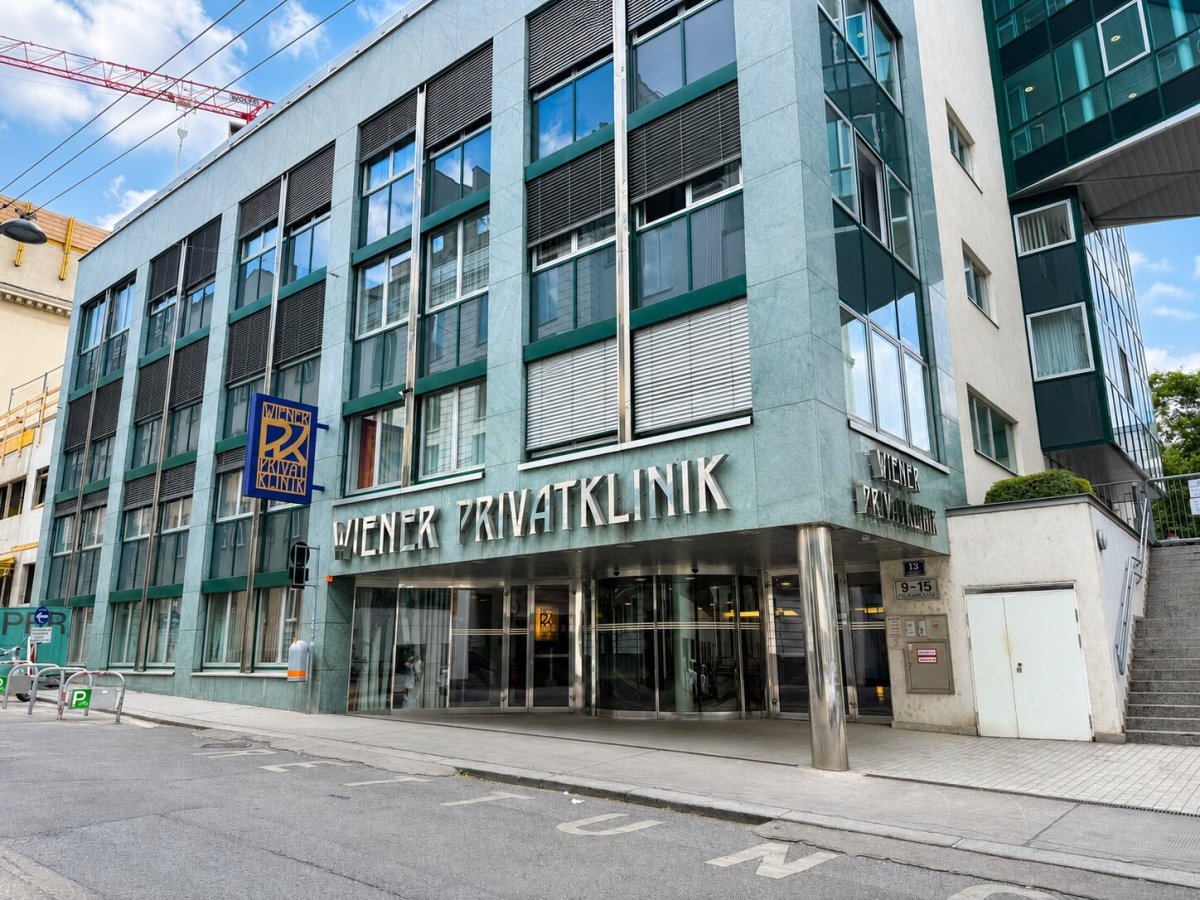
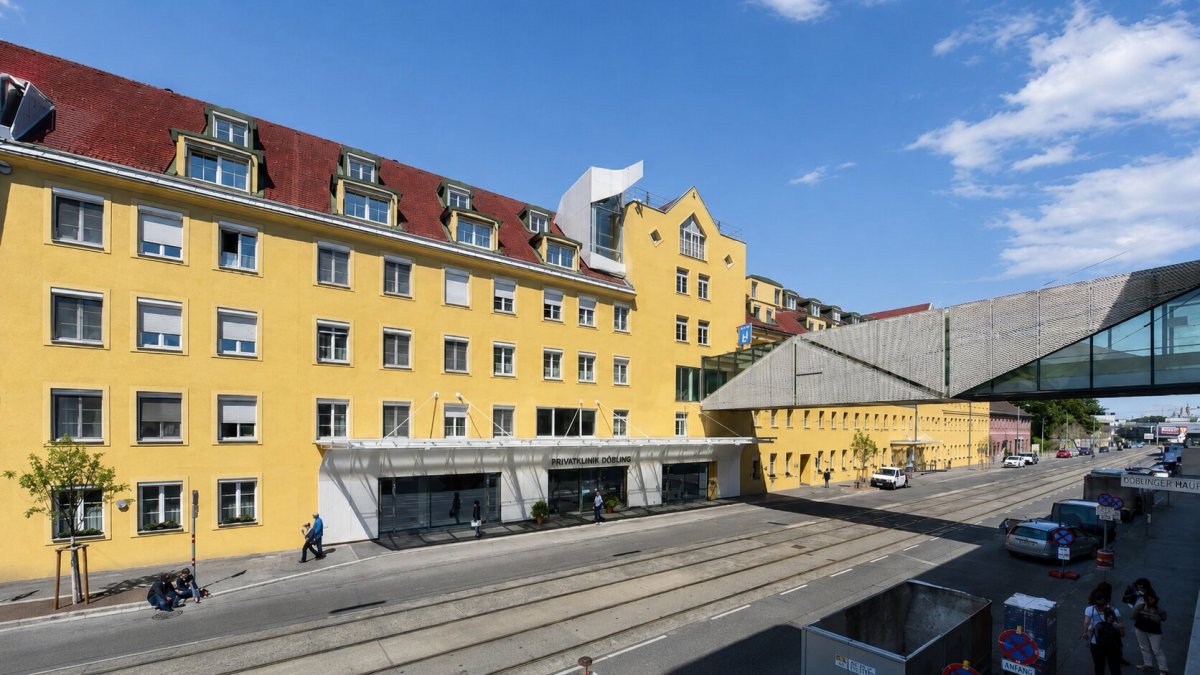
رؤية خبراء Bookimed: يستفيد المرضى الباحثون عن طب رياضي متميز من خبرات أطباء مثل الدكتور ستيفان مارلوفيتس في مستشفى دوبلينج الخاص. تطبق هذه المنشأة معايير السلامة الخاصة بـ JCI وتخدم 16,000 مريض سنوياً. وللحفاظ على المفاصل، توفر عيادة فيينا الخاصة (Wiener Privatklinik) إمكانية الوصول إلى متخصصين مثل مارك شورز الذي يتمتع بخبرة 20 عاماً. تُعد هذه المراكز الخاصة مثالية للمرضى الذين يعطون الأولوية للوصول السريع إلى تقنيات التنظير المفصلي طفيفة التوغل.
| النمسا | تركيا | إسبانيا | |
|---|---|---|---|
| حقن الركبة الموجه بالصور | ≈ $250 | ≈ $140 | ≈ $230 |
| تنظير المفصل | ≈ $3,600 | من $4,500 | ≈ $3,600 |
| العلاج الطبيعي | ≈ $800 | من $150 | من $120 |
| استئصال الغضروف الهلالي بالمنظار | ≈ $3,600 | من $2,500 | من $9,800 |
اكتشف أفضل تمزق الغضروف الهلالي العيادات في النمسا: 3 خيارات معتمدة والأسعار



Döbling Private Hospital
Dr Stefan Marlovits



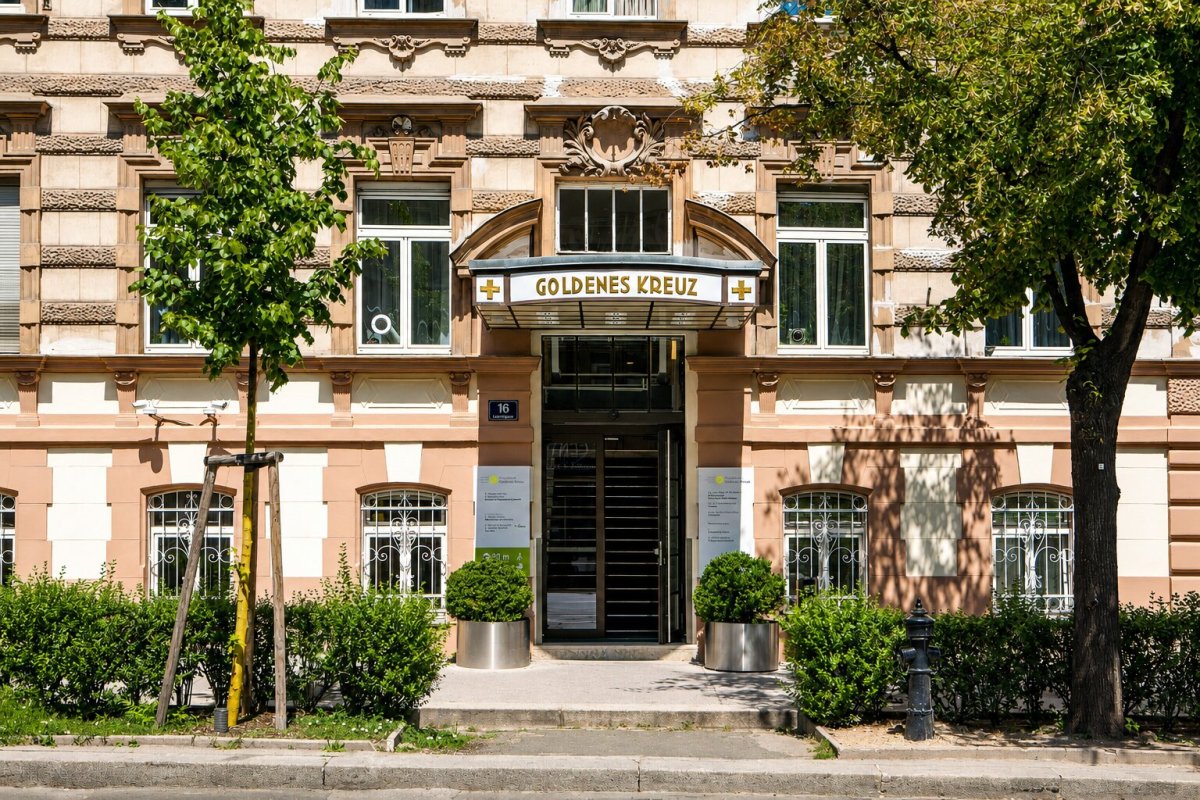
Confraternitaet Private Hospital
احصلوا على تقييم طبي لـ تمزق الغضروف الهلالي في النمسا: استشيروا أطباء ذوي خبرة الآن
عرض جميع الأطباء
Mark Schurz
يتخصص الدكتور مارك شورتز في أمراض القلب الوقائية وتصوير القلب، مع التركيز على الكشف المبكر وخطط العلاج المصممة خصيصاً.
- تخرج من جامعة فيينا الطبية
- متخصص في أمراض القلب مع التركيز على تصوير القلب وإدارة عدم انتظام ضربات القلب
- يمارس عمله في عيادة فيينا الخاصة (Wiener Privatklinik) باستخدام طرق تشخيصية متقدمة
- خبير في تخطيط صدى القلب، واختبارات الجهد، وتخطيط القلب بهولتر
Dr Stefan Marlovits
يتخصص البروفيسور مارلوفيتس في إصابات مفصل الركبة والطب التجديدي، مما يساعد المرضى على استعادة قدرتهم على الحركة بسرعة. وهو يرأس مركز تجديد الغضاريف والأورثوبيولوجيا في مستشفى دوبلينج الخاص.
- خبير في إصابات الملاعب وإصابات الأطفال
- يركز على تلف الغضاريف وتمزق الغضروف المفصلي وإصابات الرباط الصليبي
- عضو مجلس إدارة الجمعية الدولية لتجديد الغضاريف
- رئيس مجموعة العمل للجمعية النمساوية لإصابات الغضاريف

Reinhard Windhager
رئيس قسم جراحة العظام والرضوض في مستشفى فيينا العام (AKH)، البروفيسور ويندهاجر متخصص في إصابات الجهاز العضلي الهيكلي.
- خبرة واسعة في جراحة العظام مع التركيز على الإصابات الرياضية
- يرأس قسماً مرموقاً في واحدة من أفضل المستشفيات في النمسا
- خبير في التقنيات الجراحية المتقدمة للحفاظ على المفاصل
مشاركة المحتوى
قصص فيديو من مرضى Bookimed
 Anna Leonova
أسئلة متكررة حول علاج تمزق الغضروف الهلالي في النمسا
هل كل تمزق في الغضروف الهلالي يتطلب جراحة؟
لا تتطلب جميع حالات تمزق الغضروف الهلالي جراحة. فالعديد من التمزقات تلتئم تلقائيًا أو تختفي دون أعراض مع العلاج الطبيعي الموجه والعلاج التحفظي. وتعتمد الحاجة إلى الجراحة على موقع التمزق، وعمر المريض، ووجود أعراض ميكانيكية، مثل انحصار المفصل أو طقطقة أثناء الحركة.
- موقع التمزق: غالباً ما تلتئم التمزقات في المنطقة الحمراء الوعائية دون جراحة.
- الأعراض الميكانيكية: الجراحة هي الخيار الأول للركب التي تنغلق أو تتصلب أو تنهار.
- فترة العلاج التحفظي: يوصي الأطباء عادةً بفترة علاج طبيعي تتراوح بين 4 و 8 أسابيع قبل التفكير في إجراء الجراحة.
- عمر المريض: غالباً ما تستجيب حالات تمزق الأربطة التنكسية لدى المرضى الذين تزيد أعمارهم عن 40 عاماً بشكل أفضل للعلاج غير الجراحي.
رأي خبراء بوكيميد: يركز كبار جراحي العظام النمساويين، مثل الدكتور ستيفان مارلوفيتز من عيادة دوبلينغ الخاصة، على الحفاظ على المفاصل باستخدام الطب التجديدي. تُظهر بياناتنا أن أفضل العيادات في فيينا توظف أساتذة عالميين يُعطون الأولوية للشفاء البيولوجي على استئصال الأنسجة. يضمن اختيار أخصائي في منشأة معتمدة من ISO الوصول إلى كلٍ من تنظير المفاصل المتقدم وبروتوكولات إعادة التأهيل المتخصصة.
ما هي الخيارات الجراحية المتاحة في النمسا؟
في النمسا، يركز العلاج الجراحي لتمزقات الغضروف الهلالي بشكل أساسي على الحفاظ على المفصل باستخدام تقنيات تنظير المفاصل المتقدمة. ويُقدم للمرضى إجراءات متخصصة مثل الخياطة داخل المفصل، وزرع الغضروف الهلالي، والتحفيز الدقيق للركبة. وتستخدم المراكز الرائدة في فيينا تقنيات طفيفة التوغل لضمان سرعة التعافي واستقرار الركبة على المدى الطويل.
- استئصال الغضروف المفصلي بالمنظار: إزالة طفيفة التوغل للأنسجة التالفة مع فترة نقاهة تتراوح من 2 إلى 3 أسابيع.
- إصلاح الغضروف الهلالي: استخدام الخيوط الجراحية الداخلية للحفاظ على ما يصل إلى 80٪ من الغضروف.
- زراعة الغضروف الهلالي: استبدال بيولوجي للغضروف الهلالي لدى المرضى الشباب، ويتطلب فترة نقاهة مدتها 9 أشهر.
- العلاج التجديدي: غالبًا ما يتم إجراء حقن البلازما الغنية بالصفائح الدموية (PRP) المساعدة بعد الجراحة لتعزيز التئام الأنسجة.
تقييم خبراء بوكيمد: تُظهر البيانات السريرية وجود عدد كبير من المتخصصين ذوي الكفاءة العالية في فيينا. يقود الدكتور ستيفان مارلوفيتز من عيادة دوبلينغ الخاصة والدكتور مارك شورز من عيادة فيينا الخاصة وحدات متخصصة تركز على طب العظام التجديدي. وتتيح لهم خبرتهم الواسعة في الحفاظ على المفاصل تجنب الحاجة إلى استبدال الرك
كم سيستغرق التعافي ومتى يمكنني استئناف ممارسة الرياضة؟
يعتمد التعافي على نوع العلاج. تسمح جراحة تنظير المفصل للمرضى بالمشي باستخدام العكازات في اليوم الأول. ويستأنف معظم المرضى ممارسة الرياضات عالية الكثافة في غضون شهرين إلى ستة أشهر. ويركز أخصائيون نمساويون، مثل الدكتور مارك شورز، على الحفاظ على المفصل لضمان استقراره الوظيفي قبل العودة إلى ممارسة الرياضة.
- الأنشطة اليومية: يعود المرء إلى ممارسة أنشطته اليومية المعتادة في غضون 4-6 أسابيع.
- التدريب في الصالة الرياضية: عادةً ما يبدأ ركوب الدراجات والتدريب الخفيف في الصالة الرياضية بعد 3 أسابيع.
- الجري: غالباً ما يكون الجري عبر البلاد ممكناً في غضون 6 أسابيع بعد استئصال الغضروف الهلالي.
- الرياضات الاحتكاكية: تتطلب الرياضات عالية الكثافة مثل كرة القدم فترة تحضير لا تقل عن 3-4 أشهر.
رأي خبراء بوكيمد: تُظهر البيانات أن العيادات النمساوية، مثل مستشفى دوبلينغ الخاص، تحافظ على معدلات مضاعفات أقل من المتوسط. ويعود الفضل في ذلك غالبًا إلى مشاركة أساتذة جامعيين. يستخدم أخصائيون مثل الدكتور ستيفان مارلوفيتز الطب التجديدي لتسريع الشفاء. كما أن اختيار عيادة مزودة بغرف عمليات حديثة يضمن عودة سلسة إلى الأنشطة البدنية الشاقة، مثل التزلج.
متى يكون من الآمن العودة إلى الوطن بعد جراحة الغضروف الهلالي في النمسا؟
تعتمد سلامة السفر جواً من النمسا إلى الوطن على نوع العملية الجراحية ومدتها. بعد جراحة تصغير الغضروف الهلالي، يكون السفر جواً آمناً عادةً خلال 7-10 أيام. أما بعد جراحة إصلاح الغضروف الهلالي، فغالباً ما يتطلب الأمر الانتظار لمدة ثلاثة أسابيع قبل السفر. احرص دائماً على الحصول على شهادة لياقة للسفر جواً من شركات الطيران الأوروبية.
- مدة الرحلة: يُسمح عادةً بالرحلات القصيرة داخل أوروبا بعد 7-10 أيام من الجراحة.
- السفر طويل الأمد: يتطلب السفر الدولي عادةً فترة انتظار تتراوح من 3 إلى 8 أسابيع بعد العملية.
- تعقيد الجراحة: يستغرق إصلاح الغضروف الهلالي وقتاً أطول من تنظير المفصل البسيط طفيف التوغل.
- الوقاية من تجلط الأوردة العميقة: غالباً ما تصف العيادات النمساوية مثل عيادة فينر الخاصة مميعات الدم لأيام السفر.
رأي خبراء بوكيميد: تتميز عيادات فيينا، مثل مستشفى دوبلينغ الخاص، بمعدلات مضاعفات أقل من المتوقع. غالبًا ما تسمح التدخلات الجراحية الدقيقة للغاية باستعادة الحركة بشكل أسرع. يتخصص الدكتور مارك شورز، من مستشفى دوبلينغ الخاص، في الحفاظ على المفاصل وإعادة التأهيل السريع. إن توفر أخصائيي إصابات الملاعب الرياضية في النمسا يُساعد المرضى على تحقيق مراحل مهمة متعلقة بالسفر بسرعة أكب
ما هي المستشفيات في النمسا التي تعتبر مراكز رائدة في علاج تمزق الغضروف الهلالي؟
تُعدّ فيينا المركز الرائد لجراحة الغضروف المفصلي في النمسا. ومن بين هذه المراكز جامعة فيينا الطبية (AKH) وعيادات خاصة متخصصة مثل عيادة فيينا الخاصة ومستشفى دوبلينغ الخاص. تُقدّم هذه المؤسسات أحدث تقنيات جراحة المناظير وتقنيات الطب التجديدي للحفاظ على المفاصل.
- التخصص: يرأس البروفيسور راينهارد ويندهاجر قسم جراحة العظام في مستشفى فيينا العام (AKH).
- النهج التجديدي: الدكتور ستيفان مارلوفيتز من عيادة دوبلينغ الخاصة متخصص في أمراض الغضاريف والعظام.
- الخبرة الجراحية: يتمتع الدكتور مارك شورز من عيادة فينر الخاصة بخبرة تزيد عن 20 عامًا.
- القدرة الاستيعابية: يعالج مستشفى دوبلينغ الخاص ما يقرب من 16000 مريض من مختلف البلدان سنوياً.
رأي خبراء بوكيمد: تشير البيانات إلى نموذج قائم على المكانة المرموقة في فيينا، حيث يشغل الجراحون البارزون في كثير من الأحيان مناصب مزدوجة. على سبيل المثال، العديد من الأطباء الذين يزيد عددهم عن 400 طبيب في عيادة فيينا الخاصة هم أيضاً أساتذة في جامعة فيينا الطبية. يتيح هذا للمرضى الوصول إلى خبرات أكاديمية رفيعة المستوى في بيئة خاصة مع فترات انتظار أقصر. غالباً ما يؤدي اختيار منشأة يكون فيها الجراح باحثاً نشطاً إلى إمكانية الوصول المبكر إلى الإجراءات طف