رباعية فالو العلاج في إسرائيل - التكاليف 2026


تمت مراجعة المقالة طبيا من قبل
فهد مولود
ما هي تكلفة رباعية فالو إجراءات التشخيص والعلاج في إسرائيل؟ اعرف الآن
| إسرائيل | تركيا | إسبانيا | |
|---|---|---|---|
| عملية القلب المفتوح | ≈ $28,500 | من $13,500 | من $50,200 |
| رباعية فالو جراحة | ≈ $38,000 | من $16,500 | من $44,600 |
مزاياك وضماناتك مع Bookimed
أسعار مباشرة
Bookimed لا يضيف رسوماً إضافية على أسعار علاج رباعية فالو. الأسعار مأخوذة من قوائم الأسعار الرسمية للعيادات. تدفع مباشرة في العيادة مقابل علاجك عند وصولك إلى البلد.
عيادات وأطباء معتمدون فقط
Bookimed ملتزم بسلامتك. نحن نعمل فقط مع المؤسسات الطبية التي تحافظ على معايير دولية عالية في علاج رباعية فالو ولديها التراخيص اللازمة لخدمة المرضى الدوليين في جميع أنحاء العالم.
مساعدة مجانية على مدار الساعة
Bookimed يقدم مساعدة خبراء مجانية. منسق طبي شخصي يدعمك قبل وأثناء وبعد العلاج، ويحل أي مشاكل. لن تكون وحيداً أبداً في رحلة علاج رباعية فالو.

منسقك الطبي الشخصي في Bookimed
- يدعمك في كل مرحلة
- المساعدة في اختيار العيادة الطبية المناسبة والطبيب المناسب
- يضمن الوصول السريع والمريح إلى المعلومات
اكتشف أفضل رباعية فالو العيادات في إسرائيل: 1 خيار معتمدة والأسعار





احصلوا على تقييم طبي لـ رباعية فالو في إسرائيل: استشيروا أطباء ذوي خبرة الآن
عرض جميع الأطباء
Livia Kapusta
تتخصص الدكتورة ليفيا كابوستا في طب قلب الأطفال، مع التركيز على أمراض القلب الخلقية مثل رباعية فالو في مركز سوراسكي الطبي (إيخيلوف).
- حاصلة على مؤهلاتها من جامعة تل أبيب وجامعة رادبود في نايميخن
- تجري عمليات إغلاق القناة الشريانية السالكة (PDA) ورأب الحاجز الأذيني بالبالون
- خبيرة في علاجات عدم انتظام ضربات القلب وحالات الطوارئ القلبية
- تدير التدخلات الطبية والجراحية للأطفال
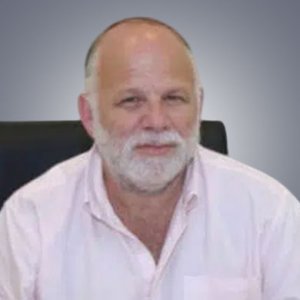
David Mishaali
الدكتور ديفيد (دودي) ميشالي، حاصل على دكتوراه في الطب، يشغل منصب مدير جراحة القلب والصدر للأطفال والعيوب الخِلقية في مركز شيبا الطبي. يعالج الرضّع والأطفال المصابين بعيوب قلبية خِلقية. يشمل عمله تشوهات نادرة عالية الخطورة وإعادات بناء معقدة لحديثي الولادة.
تدرّب دولياً. أتمّ إقامته الطبية في مركز رابين الطبي، ونال زمالات سريرية في جراحة القلب في كليفلاند كلينك وفي جراحة القلب والصدر للأطفال ذوي العيوب الخِلقية بجامعة كاليفورنيا في سان فرانسيسكو (UCSF). حاصل على شهادة البورد في جراحة ال

Moni Shuvi
الدكتور موني شوفي هو طبيب قلب تداخلي يركز على أمراض صمامات القلب والإجراءات المعقدة في مركز هداسا الطبي.
- متخصص في التدخلات التاجية عن طريق الجلد (PCI) وتصوير الأوعية
- تشمل خبرته علاج حالات مثل أمراض الصمام التاجي
- يدير الحالات القلبية الحادة بما في ذلك احتشاء عضلة القلب
مشاركة المحتوى
قصص فيديو من مرضى Bookimed
 Anna Leonova
أسئلة متكررة حول علاج رباعية فالو في إسرائيل
ما هي المستشفيات الإسرائيلية المتخصصة في علاج رباعية فالو؟
تتخصص المستشفيات الإسرائيلية مثل مركز شيبا الطبي ومركز سوراسكي الطبي في علاج رباعية فالو. تستخدم هذه المرافق فرقاً متعددة التخصصات تضم جراحي القلب والصدر للأطفال وأطباء القلب. غالباً ما تحمل هذه المرافق اعتماد اللجنة الدولية المشتركة (Joint Commission International) وتصنف ضمن أفضل المستشفيات وفقاً لمجلة نيوزويك لرعاية القلب المتقدمة.
- مراكز متخصصة: يضم مركز شيبا الطبي مركز إدموند جيه سافرا الدولي للقلب الخلقي.
- جراحون خبراء: يقوم الدكتور ديفيد ميشالي في شيبا بإجراء عمليات إعادة بناء قلب الأطفال المعقدة.
- تشخيص متقدم: تستخدم العيادات تخطيط القلب والاستشارات المتخصصة لتحديد مرحلة عيب القلب.
- حجم العمليات الجراحية: تدير المراكز الرائدة حوالي 400 عملية جراحية لقلب الأطفال و300 عملية قسطرة سنوياً.
رؤية خبير Bookimed: تظهر البيانات أن المراكز من الدرجة الأولى مثل شيبا وسوراسكي تعمل على نطاق واسع، حيث تدير أكثر من 1,800,000 مريض سنوياً. بالنسبة للحالات المعقدة مثل رباعية فالو، يرتبط هذا الحجم الكبير ببروتوكولات جراحية محسنة ووحدات عناية مركزة مجهزة بشكل أفضل. يضمن اختيار هذه المستشفيات ذات القدرة العالية الوصول إلى أنظمة دعم الحياة الاحتياطية وفرق تخدير الأطفال المتخصصة.
إجماع المرضى: يؤكد المرضى على أهمية التحقق من سجل حالات الجراح مدى الحياة لهذا الإصلاح المحدد. تشير العائلات إلى أن التخطيط لإجراء فحوصات المتابعة طويلة المدى كل عامين أمر حيوي حتى بعد نجاح الجراحة.
هل الإصلاح الجراحي هو الخيار الوحيد، أم يمكن تصحيح رباعية فالو عن طريق إجراءات القسطرة في إسرائيل؟
الإصلاح الجراحي هو التصحيح النهائي الوحيد للعيوب الأربعة في رباعية فالو في إسرائيل. على الرغم من أن إجراءات القسطرة لا يمكنها إصلاح الحالة بالكامل، إلا أن المتخصصين يستخدمونها للرعاية التلطيفية واستبدال الصمامات. تساعد هذه التدخلات في تأخير أو تجنب عمليات القلب المفتوح المتكررة لدى الأطفال.
- التحويلة التلطيفية: يستخدم الجراحون القسطرة لوضع دعامات للرضع الذين هم أصغر من أن يخضعوا لجراحة كاملة.
- استبدال الصمام: يعالج استبدال الصمام الرئوي عبر القسطرة (TPVR) التسريبات باستخدام صمامات Melody أو SAPIEN.
- إغلاق الحاجز: يمكن للأجهزة ذات التدخل الجراحي البسيط إغلاق عيوب الحاجز البطيني المتبقية بعد الجراحة الأولية.
- إدارة الشريان الأورطي: يقوم أطباء القلب التداخلي بإجراء توسيع بالبالون لتوسيع الشرايين الرئوية أو الصمامات الضيقة.
رؤية خبير Bookimed: توفر مراكز طب الأطفال الإسرائيلية مثل مركز سوراسكي الطبي (إيخيلوف) شبكة أمان فريدة من نوعها من خلال دمج الذكاء الاصطناعي والتصوير الرقمي في التخطيط الجراحي. حتى أن الدكتور ديفيد ميشالي في مركز شيبا الطبي طور بروتوكولات جراحية طفيفة التوغل لعيوب خلقية محددة. يسمح هذا النهج عالي التقنية للفرق بإجراء عمليات إعادة بناء معقدة لحديثي الولادة قد يتم تأجيلها في بلدان أخرى.
إجماع المرضى: يشير المرضى إلى أنه من المهم اختيار المراكز التي يعمل فيها جراحو الأطفال وأطباء القلب التداخلي معاً. إنهم يقدرون وجود خيارات القسطرة لإصلاح المشكلات البسيطة بعد الجراحة الرئيسية.
ما هو الجدول الزمني النموذجي للتعافي بعد جراحة إصلاح رباعية فالو (ToF) التي يتم إجراؤها في إسرائيل؟
يتضمن التعافي بعد جراحة إصلاح رباعية فالو في إسرائيل عادةً إقامة في المستشفى لمدة تتراوح بين 7 إلى 14 يومًا، مع استئناف النشاط الكامل في غضون 4 إلى 8 أسابيع. تتخصص مراكز القلب الإسرائيلية في الاستئصال المبكر لأنابيب التنفس والتقنيات طفيفة التوغل لتسريع الشفاء وتقليل الانزعاج لدى الأطفال.
- العناية المركزة: يقضي المرضى عادةً من يوم إلى 3 أيام في وحدات قلب الأطفال المتخصصة.
- دعم التنفس الصناعي: غالبًا ما يهدف الجراحون إلى إزالة أنبوب التنفس في غضون 12 إلى 24 ساعة بعد الجراحة.
- التئام عظمة الصدر: يجب تجنب رفع الأثقال أو الأنشطة ذات التأثير العالي لمدة 6 أسابيع تقريبًا.
- البقاء على قيد الحياة على المدى الطويل: تبلغ المراكز الإسرائيلية الكبرى عن معدلات بقاء على قيد الحياة لمدة 20 عامًا تتجاوز 94% لهذا النوع من الإصلاح.
رؤية خبير Bookimed: تعطي مراكز الأطفال الإسرائيلية مثل شيبا وسوراسكي الأولوية لحجم الجراحات المرتفع لتحسين النتائج. يُعرف الدكتور ديفيد ميشالي في مستشفى شيبا على نطاق واسع بتنفيذ أساليب طفيفة التوغل للعيوب الخلقية. يمكن لهذه التقنية أن تقلل بشكل كبير من الندبات المرئية وقد تساعد الأطفال الأصغر سنًا على العودة إلى اللعب الطبيعي بشكل أسرع من الطرق التقليدية.
إجماع المرضى: يذكر الآباء كثيرًا أن الأطفال يستعيدون طاقتهم بشكل أسرع مما كان متوقعًا. ومع ذلك، يشير الكثيرون إلى أن إدارة الألم والتعب من العوامل المهمة خلال الشهر الأول في المنزل.
هل تُستخدم المساعدات الجراحية أثناء العملية مثل تخطيط صدى القلب داخل القلب أو مطيافية الأشعة تحت الحمراء القريبة بشكل روتيني في المراكز الإسرائيلية؟
تستخدم مراكز طب قلب الأطفال الإسرائيلية بشكل روتيني تخطيط صدى القلب أثناء العملية ومطيافية الأشعة تحت الحمراء القريبة لإصلاح رباعية فالو. تضمن هذه المساعدات التصحيح التشريحي في الوقت الفعلي ومراقبة الأكسجين الدماغي. تدمج مرافق مثل مركز شيبا الطبي ومركز سوراسكي الطبي هذه التقنيات في بروتوكولات أمراض القلب الخلقية المعقدة.
- بروتوكولات التصوير: يخضع أكثر من 81% من مرضى القلب الإسرائيليين لتصوير أثناء الإجراء عبر تخطيط صدى القلب.
- مراقبة الأنسجة: يستخدم الجراحون مطيافية الأشعة تحت الحمراء القريبة لتتبع مستويات الأكسجين في الكلى والدماغ.
- الخبرة في طب الأطفال: غالبًا ما يتدرب كبار الأطباء في مؤسسات أمريكية رائدة مثل كليفلاند كلينك.
- معايير الجودة: يتم دمج تصوير الإجهاد ثنائي الأبعاد المتقدم في فحوصات عيوب القلب الروتينية.
رؤية خبير Bookimed: بينما تجري المراكز الكبرى مثل سوراسكي أكثر من 34,000 عملية سنويًا، توجد أعلى تركيز للخبرة المتخصصة في رباعية فالو في أقسام طب الأطفال المخصصة. طور أطباء مثل الدكتور ديفيد ميشالي في مركز شيبا الطبي مناهج طفيفة التوغل محددة. غالبًا ما تدمج هذه التقنيات المتخصصة تصويرًا متقدمًا لضمان النجاح في عمليات إعادة البناء لحديثي الولادة.
إجماع المرضى: يؤكد آباء الأطفال الذين يعانون من عيوب في القلب على ضرورة سؤال الجراحين مباشرة عن أدوات المراقبة في الوقت الفعلي. ويشيرون إلى أنه على الرغم من أن المستشفيات الكبرى تشير إلى توفر عالٍ، فإن تأكيد الاستخدام المحدد للموجات فوق الصوتية أثناء العملية يوفر
ما هي المدة التي يجب أن تخطط لها العائلة الدولية للبقاء في إسرائيل لإجراء إصلاح رباعية فالو (ToF)؟
يجب على العائلات الدولية التخطيط لإقامة إجمالية تتراوح بين 14 إلى 28 يومًا في إسرائيل لإجراء إصلاح رباعية فالو. يبقى معظم الأطفال في المستشفى لمدة 5 إلى 7 أيام. عادةً ما تبقى العائلات لمدة 7 إلى 10 أيام أخرى في البلاد للمراقبة الأساسية بعد الجراحة قبل العودة إلى الوطن.
- دخول المستشفى: توقع البقاء من 5 إلى 7 أيام في أجنحة قلب الأطفال المتخصصة.
- العناية المركزة: يقضي الأطفال عادةً من 2 إلى 4 أيام في وحدة العناية المركزة للأطفال.
- تصريح السفر: يوصي الجراحون عمومًا بالانتظار من 7 إلى 10 أيام قبل القيام برحلات دولية.
- التعافي الكامل: يستغرق التئام الشق الأولي 6 أسابيع للأنشطة البدنية القياسية.
رؤية خبير Bookimed: تدير المراكز الإسرائيلية مثل مركز سوراسكي الطبي أعدادًا كبيرة من الحالات. يتلقى أكثر من 11,000 طفل الرعاية هناك سنويًا. غالبًا ما تؤدي هذه الأعداد الكبيرة من المرضى إلى تبسيط بروتوكولات الخروج. ومع ذلك، يؤكد أخصائيو طب الأطفال مثل الدكتور ديفيد ميشالي أن عمليات إعادة البناء المعقدة تستغرق وقتًا. إن التخطيط لإقامتك لمدة 21 يومًا يوفر هامش أمان أكبر بكثير لهذه الإجراءات المعقدة.
إجماع المرضى: يحذر الآباء من أن الإقامة لمدة 14 يومًا غالبًا ما تكون قصيرة جدًا. ويوصون بالبقاء لمدة 4 أسابيع على الأقل لمراقبة أي حمى تظهر في وقت متأخر بعد الجراحة أو تغيرات في إيقاع القلب.
ما هي التوقعات طويلة المدى بعد إصلاح رباعية فالو (ToF) الذي يتم إجراؤه في إسرائيل؟
التوقعات طويلة المدى بعد إصلاح رباعية فالو في إسرائيل ممتازة. تصل معدلات البقاء على قيد الحياة إلى حوالي 95% عند سن 25 عاماً. يعيش معظم المرضى حياة طبيعية ويحافظون على وظائفهم. تتبع المراكز الإسرائيلية الرائدة مثل مركز سوراسكي الطبي البروتوكولات الدولية. وهي تعطي الأولوية للإصلاح المبكر للرضع لتحسين النتائج.
- البقاء المتوقع: تظهر البيانات العالمية معدلات بقاء تقترب من 94.5% عند سن 25 عاماً.
- المراقبة مدى الحياة: تساعد المتابعات المنتظمة مع متخصصي أمراض القلب الخلقية في تتبع صحة البطين الأيمن.
- التدخلات المتأخرة: يحتاج ما يصل إلى 40% من البالغين إلى استبدال الصمام الرئوي لاحقاً.
- مستويات النشاط: الغالبية العظمى من المرضى يذهبون إلى المدرسة ويشاركون في الرياضات البدنية.
رؤية خبير Bookimed: يستفيد المتخصصون الإسرائيليون مثل الدكتور ديفيد ميشالي في مركز شيبا الطبي من زمالات متخصصة من كليفلاند كلينك. يدعم هذا المستوى العالي من التدريب نجاح عمليات إعادة البناء المعقدة لحديثي الولادة. اختيار مركز مثل سوراسكي، الذي يجري 34,000 عملية سنوياً، يضمن الوصول إلى فرق متعددة التخصصات ذات خبرة. هذه الفرق ضرورية لإدارة عدم انتظام ضربات القلب الذي يظهر لدى البالغين مع تقدمهم في العمر.
إجماع المرضى: يؤكد المرضى على الحاجة إلى تتبع التعب الخفيف أثناء ممارسة الرياضة مع دخولهم مرحلة البلوغ. يشير الكثيرون إلى أن فحوصات الإيكو السنوية الروتينية ضرورية لاكتشاف تغيرات القلب الصامتة في وقت مبكر.
هل تقبل البرامج الإسرائيلية لأمراض القلب الخلقية البالغين الذين يعانون من رباعية فالوت غير المصححة أو الذين يحتاجون إلى استبدال متأخر للصمام الرئوي؟
تقبل برامج أمراض القلب الخلقية للبالغين (ACHD) في إسرائيل البالغين الذين يعانون من رباعية فالوت غير المصححة أو أولئك الذين يحتاجون إلى استبدال متأخر للصمام الرئوي. تدير المراكز المتخصصة الإصلاحات الأولية المعقدة وإعادة التدخلات عالية المخاطر. تشمل مسارات العلاج التصحيح الجراحي الأولي أو زرع الصمام عبر القسطرة للمرضى البالغين المؤهلين.
- وحدات ACHD المتخصصة: تدير مرافق مثل مركز شيبا الطبي مراكز مخصصة لأمراض القلب الخلقية لدى البالغين.
- التصوير التشخيصي: يستخدم الجراحون التصوير بالرنين المغناطيسي للقلب ثلاثي الأبعاد وتصوير الأوعية المقطعي لتخطيط الأوعية الجانبية.
- الإصلاح الجراحي: يتوفر الإصلاح الأولي إذا لم يتطور متلازمة آيزنمنجر الشديدة.
- تدخلات الصمام: تجنب استبدال الصمام الرئوي عبر القسطرة طفيف التوغل جراحات القلب المفتوح المتكررة.
رؤية خبير Bookimed: تسد برامج أمراض القلب الإسرائيلية الفجوة بين رعاية الأطفال والبالغين من خلال أقسام متكاملة. على سبيل المثال، يتخصص الدكتور ديفيد ميشالي في مركز شيبا الطبي في كل من جراحة الأطفال وجراحة القلب والصدر الخلقية. هذه الخبرة المزدوجة حيوية للبالغين الذين يعانون من عيوب غير مصححة. غالبًا ما يحتاج هؤلاء المرضى إلى تقنيات متخصصة على غرار تقنيات حديثي الولادة مطبقة على تشريح البالغين. تدير المراكز الرائدة مثل مركز سوراسكي الطبي أكثر من 400,000 مريض سنويًا. يدعم هذا الحجم الكبير فرقًا متعددة التخصصات متخصصة مصممة لحالات البالغين الخلقية النادرة.
إجماع المرضى: يؤكد المرضى على أهمية
لماذا تُعد إسرائيل واحدة من الوجهات الرائدة في جراحة الأعصاب؟
تُعدّ إسرائيل مركزًا رائدًا في جراحة الأعصاب بفضل مزيجها من التطورات الطبية عالية التقنية والخبرات الجراحية المتميزة. وتستخدم مرافق متطورة مثل مركز شيبا الطبي أنظمة ملاحة تعتمد على الذكاء الاصطناعي والتصوير بالرنين المغناطيسي أثناء الجراحة في الوقت الفعلي. وتشير المراكز المتخصصة إلى نسبة نجاح تصل إلى 98% في العمليات الجراحية المعقدة، بما في ذلك جراحة الدماغ مع اليقظة وعلاج اضطرابات الحركة.
- التكنولوجيا المتقدمة: تستخدم العيادات الموجات فوق الصوتية المركزة الموجهة بالرنين المغناطيسي (MRgFUS) والأنظمة الروبوتية لإجراء الشقوق.
- الخبرة الجراحية: يقود جراحون مثل الدكتور تسفي رام جمعيات دولية بخبرة تزيد عن 25 عامًا.
- الوصول السريع: يمكن للمرضى الدوليين عادةً تحديد مواعيد لإجراء عمليات جراحية معقدة في الدماغ أو العمود الفقري في غضون 2-4 أسابيع.
- الرعاية الطبية المعتمدة: المراكز الكبيرة مثل سوراسكي (إيشيلوف) وأسوتا معتمدة من قبل اللجنة الدولية المشتركة، مما يؤكد سلامتها.
رأي خبراء بوكيمد: تُظهر البيانات فرقًا واضحًا بين خيارات العلاج في القطاعين العام والخاص في إسرائيل. تُجري المراكز الخاصة، مثل مركز أسوتا الطبي، أكثر من 92,000 عملية جراحية سنويًا، وتتيح للمرضى اختيار جراح را
ما هي أنواع الأمراض العصبية التي يتم علاجها في إسرائيل؟
يعالج جراحو الأعصاب الإسرائيليون طيفاً واسعاً من الحالات، بدءاً من أورام الدماغ والحبل الشوكي وصولاً إلى الاضطرابات الوظيفية المعقدة. وتستخدم المراكز المتخصصة أحدث التقنيات، مثل جهاز جاما نايف، والتحفيز العميق للدماغ، والتصوير بالرنين المغناطيسي أثناء الجراحة، لتشخيص دقيق للغاية لحالات الصرع، ومرض باركنسون، وأمراض الأوعية الدموية الدماغية.
- الأمراض السرطانية: علاج الأورام الدبقية والأورام السحائية وأورام الغدة النخامية باستخدام استئصال قاعدة الجمجمة.
- الاضطرابات الوظيفية: علاج مرض باركنسون والرعاش الأساسي باستخدام التحفيز العميق للدماغ.
- أمراض العمود الفقري: تصحيح الجنف، وانزلاق الغضروف، وأورام العمود الفقري باستخدام الأنظمة الروبوتية.
- علاج أمراض الأوعية الدموية الدماغية: العلاج الجراحي لتمدد الأوعية الدموية الدماغية والتشوهات الشريانية الوريدية باستخدام التدخلات داخل الأوعية الدموية.
- جراحة الأعصاب للأطفال: رعاية متخصصة لاستسقاء الرأس والتشوهات الخلقية في مراكز طب الأطفال المتخصصة.
رأي خبراء بوكيمد: غالبًا ما تجمع المستشفيات الإسرائيلية بين تخصصات طبية متعددة لمعالجة الحالات المعقدة. ففي مركز سوراسكي ا
ما هي المستشفيات في إسرائيل التي تشتهر بأقسام جراحة الأعصاب فيها؟
تضم إسرائيل مراكز جراحة أعصاب عالمية المستوى، مثل مركز سوراسكي الطبي، ومركز شيبا الطبي، ومركز هداسا الطبي. وتُعدّ هذه المؤسسات رائدة عالميًا في علاج أورام الدماغ المعقدة، وأمراض العمود الفقري، واضطرابات الحركة. وتستخدم أحدث التقنيات، مثل جهاز جاما نايف، والأنظمة الروبوتية، والتصوير بالرنين المغناطيسي أثناء الجراحة.
- سوراسكي (إيخيلوف): يجري أكثر من 2500 عملية جراحية عصبية سنوياً في تل أبيب بنسبة نجاح تبلغ 98%.
- مركز شيبا الطبي: مصنف ضمن أفضل عشرة مستشفيات في العالم، حيث يعالج 1.9 مليون مريض سنوياً.
- مركز هداسا الطبي: مرشح لجائزة نوبل للسلام. رائد في جراحة الأعصاب للأطفال والعلاج الجيني.
- مركز أسوتا الطبي: أكبر منشأة طبية خاصة في إسرائيل. متخصص في جراحات العمود الفقري والدماغ طفيفة التوغل.
- مستشفى شنايدر للأطفال: مركز رائد في جراحة الأعصاب للأطفال، يعالج 275000 طفل سنوياً.
رأي خبراء بوكيمد: تُظهر بياناتنا أنه بينما يلجأ معظم المرضى للعلاج في تل أبيب، يُقدّم مركز رامبام الطبي في حيفا رعايةً فريدةً لإصابات الدماغ. فهو يضم وحدةً متخصصةً للعناية المركزة العصبية تُعالج ما يقارب مليون مريض سنويًا. وهذا ما يجعله