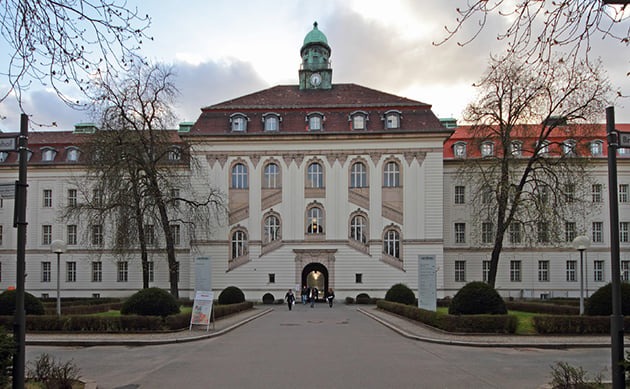
Hospital Havelhoehe
ألمانيا, برلين


تمت مراجعة المقالة طبيا من قبل
فهد مولود
من $250. تعتمد التكاليف الإجمالية على مدى تعقيد الجراحة، ومدة الإقامة في وحدة العناية المركزة، ومستوى العيادة المحددة. غالباً ما يوفر المرضى ما بين 40% إلى 70% مقارنة بالولايات المتحدة. تقع أفضل مراكز العلاج في برلين وهامبورغ وإيسن.
تكاليف علاج رباعية فالو النموذجية في ألمانيا
رؤية خبراء Bookimed: تستفيد حالات الأطفال المعقدة من المراكز المتخصصة مثل المركز الألماني للقلب في برلين (Deutsches Herzzentrum Berlin). يتمتع البروفيسور فيليكس بيرغر بأكثر من 34 عاماً من الخبرة في إصلاح عيوب القلب الخلقية هناك. بالنسبة للعائلات التي تبحث عن رعاية متعددة التخصصات، توفر عيادة أسكليبيوس نورد (Asklepios Nord Clinic) في هامبورغ أقساماً متكاملة للأطفال والجراحة. توفر المستشفيات الجامعية مثل مستشفى إيسن قيمة عالية المستوى، حيث تجري تجارب سريرية مبتكرة لأمراض القلب والأوعية الدموية. غالباً ما تتعامل مراكز القلب المتخصصة مع أحجام جراحية أكبر، مما يضمن سلامة أفضل لإصلاحات القلب الداخلية.
| تركيا | إسبانيا | ألمانيا | |
|---|---|---|---|
| عملية القلب المفتوح | من $13,500 | من $50,500 | ≈ $28,000 |
| رباعية فالو جراحة | من $16,500 | من $44,900 | ≈ $38,000 |
Bookimed لا يضيف رسوماً إضافية على أسعار علاج رباعية فالو. الأسعار مأخوذة من قوائم الأسعار الرسمية للعيادات. تدفع مباشرة في العيادة مقابل علاجك عند وصولك إلى البلد.
Bookimed ملتزم بسلامتك. نحن نعمل فقط مع المؤسسات الطبية التي تحافظ على معايير دولية عالية في علاج رباعية فالو ولديها التراخيص اللازمة لخدمة المرضى الدوليين في جميع أنحاء العالم.
Bookimed يقدم مساعدة خبراء مجانية. منسق طبي شخصي يدعمك قبل وأثناء وبعد العلاج، ويحل أي مشاكل. لن تكون وحيداً أبداً في رحلة علاج رباعية فالو.


رئيس الجمعية الألمانية لأمراض القلب للأطفال وأستاذ يتمتع بخبرة تزيد عن _doctor_1207_عاماً_ في التخصص في عيوب القلب الخلقية مثل رباعية فالو.
 Anna Leonova
تشمل الخيارات الجراحية الأساسية في ألمانيا الإصلاح القلبي الكامل أو الإجراءات التلطيفية على مراحل. تعطي مراكز قلب الأطفال الألمانية الأولوية للإصلاح الكامل المبكر بين عمر 3 و 6 أشهر. تعمل هذه الجراحة المفتوحة على تصحيح عيب الحاجز البطيني وتخفيف انسداد مخرج البطين الأيمن بمعدل نجاح يصل إلى 99%.
رؤية خبير Bookimed: بينما يبحث الكثيرون عن عيادات محددة، فإن حجم الإجراءات يعد مؤشراً أقوى على الجودة. يتخصص الدكتور فيليكس بيرغر في مركز القلب الألماني في برلين (Deutsches Herzzentrum Berlin) في الحالات الخلقية المعقدة ويجري حوالي 5,700 عملية سنوياً. هذه الخبرة الناتجة عن كثرة الحالات ضرورية لأن رباعية فالو تتطلب غالباً مراقبة مدى الحياة واستبدال الصمامات المحتمل عند وصول المرضى إلى سن البلوغ.
إجماع المرضى: يشير الآباء إلى أن توقيت الجراحة يعتمد كلياً على وزن الطفل ومستويات الأكسجين لديه بدلاً من كونه حالة طوارئ فورية. يؤكد الكثيرون أن الإصلاح الأول غالباً ما يكون مجرد بداية لرحلة رعاية مدى الحياة تتضمن تصويراً دورياً.
تُبلغ العيادات الألمانية عن معدل بقاء فوري مرتفع بنسبة 98.4% لإصلاح رباعية فالو. تحافظ المراكز المتخصصة مثل مركز القلب الألماني في برلين (Deutsches Herzzentrum Berlin) على نتائج تتجاوز 98%. تُظهر البيانات طويلة المدى معدل بقاء بنسبة 97% بعد 10 سنوات. التدخل المبكر قبل سن سنة واحدة يحسن هذه النتائج الإحصائية بشكل كبير.
رؤية خبير Bookimed: بينما تتعامل المستشفيات العامة مثل مستشفى هافلهوه (Hospital Havelhoehe) مع آلاف المرضى، تتطلب جراحة قلب الأطفال حجماً متخصصاً. يجري مركز القلب الألماني في برلين 5700 عملية سنوياً. يتمتع الدكتور فيليكس بيرغر هناك بخبرة تزيد عن 30 عاماً. يعد اختيار هذه المراكز ذات الحجم الكبير أمراً حيوياً لأن خبرة الجراح ترتبط ارتباطاً مباشراً بمعدل البقاء على قيد الحياة بنسبة 98.4% المذكور في السجلات الألمانية.
إجماع المرضى: تشير العائلات إلى أنه على الرغم من أن الجراحة الأولية تظهر تحسناً فورياً في اللون والقدرة على التحمل، إلا أن النجاح يتطلب عقلية مدى الحياة. ويؤكدون أن التركيز غالباً ما ينتقل من العملية إلى إدارة المتابعة طويلة المدى
متوسط العمر المتوقع على المدى الطويل بعد الإصلاح الناجح لرباعية فالو ممتاز. يعيش معظم المرضى الآن حتى سن الستين والسبعين. تحقق التقنيات الجراحية الحديثة في المراكز الألمانية معدلات بقاء على قيد الحياة لمدة 30 عاماً تتراوح بين 90% و95%. يعد الإصلاح المبكر والمراقبة القلبية المستمرة أمراً حيوياً لطول العمر.
رؤية خبير Bookimed: تضم ألمانيا مراكز متخصصة مثل مركز القلب الألماني في برلين (Deutsches Herzzentrum Berlin)، الذي يجري 5700 عملية سنوياً. تظهر بياناتنا أن كبار المتخصصين الألمان، بما في ذلك الدكتور فيليكس بيرجر، يركزون بشكل خاص على أمراض القلب الخلقية لدى البالغين. غالباً ما تجمع المراكز ذات الحجم الكبير بين فرق طب القلب للأطفال والبالغين. هذه الخبرة المزدوجة هي السبب في أن العيادات الألمانية تحافظ على معدلات بقاء عالية للمرضى المتقدمين في السن. اختيار مركز لديه برامج انتقال متخصصة لأمراض القلب الخلقية لدى البالغين يضمن إدارة أفضل للمضاعفات طويلة المدى.
إجماع المرضى: يؤكد المرضى أنه على الرغم من أن الإصلاح ينقذ الحياة، إلا أنه
يوصي جراحو قلب الأطفال الألمان بالإصلاح الكامل لرباعية فالو بين عمر 3 و 6 أشهر. يعطي المتخصصون الأولوية لهذه الفترة الزمنية لمنع تلف الرئة الدائم وإجهاد القلب. يضمن التدخل المبكر في المراكز الألمانية المتخصصة وصول أكثر من 90% من الأطفال إلى مرحلة البلوغ بنجاح.
رؤية خبير Bookimed: يتبع طب قلب الأطفال الألماني نموذج جودة يعتمد على حجم العمليات، حيث تجري مراكز مثل Deutsches Herzzentrum Berlin أكثر من 5700 عملية سنوياً. الخبرة مركزة للغاية، مع قادة مثل الدكتور فيليكس بيرجر الذي يتمتع بخبرة تزيد عن 30 عاماً. يسمح هذا الحجم الكبير من الحالات للجراحين الألمان بإجراء إصلاحات معقدة للرضع الأصغر سناً بأمان مقارنة بالمراكز الإقليمية ذات الحجم الأقل.
إجماع المرضى: يلاحظ الآباء أن مواعيد الجراحة تتغير غالباً بسرعة بناءً على نتائج تخطيط صدى القلب الجديدة أو صعوبات التغذية. ويؤكدون أن الجراحين يأخذون `نوبات الزرقة` على محمل الجد ولن ينتظروا عمراً محدداً إذا ساءت الأعراض.
تشمل المستشفيات الألمانية المعترف بها عالمياً لجراحة رباعية فالو للأطفال مركز القلب الألماني في برلين (Deutsches Herzzentrum Berlin) ومستشفى شاريتيه الجامعي في برلين (Charité Universitätsmedizin Berlin). تستخدم هذه المؤسسات المعتمدة من قبل اللجنة الدولية المشتركة (JCI) إصلاحات أولية من مرحلة واحدة ورعاية مركزة متقدمة للأطفال. تبلغ المراكز الألمانية عن معدلات نجاح تصل إلى 97% لتصحيح عيوب القلب الخلقية المعقدة.
رؤية خبير Bookimed: ركز على مراكز مثل مركز القلب الألماني في برلين الذي يعالج أكثر من 32,000 مريض سنوياً. من المرجح أن تمتلك المستشفيات ذات الحجم الكبير فرق ECMO متخصصة للأطفال وتخدير متخصص. تشير قيادة الدكتور فيليكس بيرغر في الجمعية الألمانية لأمراض القلب للأطفال إلى مستوى عالٍ من الرعاية المراجعة من قبل الأقران.
إجماع المرضى: تؤكد العائلات أن وجود فريق متخصص في أمراض القلب الخلقية ووحدة عناية مركزة متخصصة للأطفال أكثر أهمية من موقع المدينة. ويشيرون إلى أن اختيار مركز جامعي يضمن متابعة أفضل على المدى الطويل مع نمو الطفل حتى سن البلوغ.
يتبع التعافي بعد الجراحة في ألمانيا لرباعية فالو بروتوكولاً عالي التنظيم يعتمد على مراحل. يبدأ بالتعبئة المكثفة في المستشفى وينتقل إلى إعادة التأهيل القلبي المتخصص. يجمع هذا النهج المنهجي بين المراقبة السريرية والتمارين العلاجية لاستعادة وظائف القلب وضمان نتائج آمنة على المدى الطويل.
رؤية خبراء Bookimed: تدير مراكز القلب الألمانية مثل Deutsches Herzzentrum Berlin أو Charité - Universitätsmedizin Berlin أعداداً هائلة من المرضى. وهذا يؤدي إلى بروتوكولات دقيقة وموحدة للغاية لحالات أمراض القلب الخلقية لدى الأطفال والبالغين. على سبيل المثال، يتمتع الدكتور فيليكس بيرجر في Deutsches Herzzentrum Berlin بأكثر من 30 عاماً من الخبرة المتخصصة. تضمن هذه الخبرة في التعامل مع الحالات الكبيرة تحديد حتى حالات عدم انتظام ضربات القلب النادرة بعد الجراحة أو اختلال توازن السوائل وإدارتها بدقة سريرية خلال فترة التعافي المبكرة.
إجماع المرضى: يشير المرضى إلى أنه على الرغم من أن الشق الجراحي يلتئم بسرعة نسبياً، إلا أن التعب وانخفاض الق
تضم ألمانيا بعضًا من أرقى أقسام جراحة الأعصاب في العالم، بقيادة مستشفى شاريتيه الجامعي في برلين ومستشفى جامعة هايدلبرغ. وتتميز هذه المراكز بخبرتها الواسعة في علاج أورام الدماغ المعقدة وأمراض الأوعية الدموية الدماغية. ولتحقيق أقصى قدر من الفعالية في عملياتها، تستخدم هذه المراكز أحدث التقنيات، مثل التصوير بالرنين المغناطيسي أثناء الجراحة والتوجيه العصبي بمساعدة الحاسوب.
رأي خبراء بوكيمد: تشير البيانات إلى أن اختيار المراكز ذات الحجم الجراحي الكبير غالبًا ما يؤدي إلى توصيات علاجية أكثر تحفظًا. ففي مركز سولينجن الطبي، الذي يعالج أكثر من 60,000 مريض
في ألمانيا، تتميز العمليات الجراحية العصبية بالغة التعقيد بمستوى أمان استثنائي. تصل نسبة نجاح عمليات دمج الفقرات إلى 99%، بينما تبلغ نسبة النجاة بعد استئصال أورام الدماغ الأولية 97%. كما يتمتع المرضى بقدرة عالية على الاعتماد على أنفسهم في أداء وظائفهم اليومية، حيث يغادر أكثر من 82% منهم المستشفى مباشرةً بعد العلاج. وتولي المراكز الألمانية اهتماماً بالغاً بالحفاظ على الوظائف العصبية باستخدام أحدث تقنيات التخطيط العصبي.
رأي خبراء بوكيمد: يُجري جراحون ذوو خبرة، مثل الدكتور أوفه كولر من عيادة أسكليبيوس ألتونا، أكثر من 2000 عملية جراحية سنويًا. تُشير البيانات إلى أن هؤلاء المتخصصين يحافظون على معدلات نجاح تصل إلى 90%، حتى
تُدخل عيادات جراحة الأعصاب الألمانية بانتظام أدوات رقمية عالية الدقة وتقنيات تصوير فوري في الممارسة الجراحية. تشمل التقنيات الرئيسية الملاحة العصبية الحاسوبية لجراحات الدماغ والحبل الشوكي. تستخدم مؤسسات مثل عيادة أسكليبيوس نورد التصوير بالرنين المغناطيسي أثناء الجراحة للتحقق من استئصال الورم في الوقت الفعلي. توفر هذه الأنظمة للجراحين نظام ملاحة ثلاثي الأبعاد.
رأي خبراء بوكيمد: تُجري مراكز طبية كبيرة، مثل مستشفى شاريتيه الج
في ألمانيا، يتعين على جراحي الأعصاب إكمال برنامج إقامة تخصصي لمدة ست سنوات بعد التخرج من كلية الطب. يشمل هذا البرنامج المنظم العناية المركزة، والتدريب السريري، وكتابة مقالات في مجلة جراحية إلزامية. بعد ذلك، يجتاز المرشحون امتحانًا حكوميًا للحصول على لقب طبيب مقيم (Facharzt für Neurochirurgie).
رأي خبراء بوكيميد: يركز التدريب الألماني في جراحة الأعصاب على الخبرة الجراحية الواسعة. فعلى سبيل المثال، أجرى الدكتور رالف بول من المركز الطبي في سولينجن أكثر من 4000 عملية جراحية. ويتمتع الدكتور يورغن كيويت من مستشفى ميوكلينيك بخبرة تزيد عن 25 عامًا. يضمن هذا النظام الدقيق أن يتعامل المتخصصون في المراكز الكبرى مع الحالات المعقدة بدقة مثبتة.
آراء المرضى: يشع