العودة إلى الصفحة الرئيسية
820К+ مريضًا حصلوا على المساعدة منذ عام 2014
50 دول
1,500 عيادات
6K+ تقييمات
3K+ طبيب مؤهل

ما هي تكلفة السنسنة المشقوقة (العمود الفقري المشقوق) إجراءات التشخيص والعلاج في كوريا الجنوبية؟ اعرف الآن

السعر يقدم بعد الطلب

مزاياك وضماناتك مع Bookimed

أسعار مباشرة

Bookimed لا يضيف رسوماً إضافية على أسعار علاج السنسنة المشقوقة (العمود الفقري المشقوق). الأسعار مأخوذة من قوائم الأسعار الرسمية للعيادات. تدفع مباشرة في العيادة مقابل علاجك عند وصولك إلى البلد.

عيادات وأطباء معتمدون فقط

Bookimed ملتزم بسلامتك. نحن نعمل فقط مع المؤسسات الطبية التي تحافظ على معايير دولية عالية في علاج السنسنة المشقوقة (العمود الفقري المشقوق) ولديها التراخيص اللازمة لخدمة المرضى الدوليين في جميع أنحاء العالم.

مساعدة مجانية على مدار الساعة

Bookimed يقدم مساعدة خبراء مجانية. منسق طبي شخصي يدعمك قبل وأثناء وبعد العلاج، ويحل أي مشاكل. لن تكون وحيداً أبداً في رحلة علاج السنسنة المشقوقة (العمود الفقري المشقوق).

لماذا نحن؟

منسقك الطبي الشخصي في Bookimed

  • يدعمك في كل مرحلة
  • المساعدة في اختيار العيادة الطبية المناسبة والطبيب المناسب
  • يضمن الوصول السريع والمريح إلى المعلومات

اكتشف أفضل السنسنة المشقوقة (العمود الفقري المشقوق) العيادات في كوريا الجنوبية: 4 خيارات معتمدة والأسعار

تم تصنيف العيادات بواسطة نظام Bookimed الذكي، باستخدام تحليل علوم البيانات عبر 5 معايير رئيسية.
Seoul National University Bundang Hospital (SNUBH)
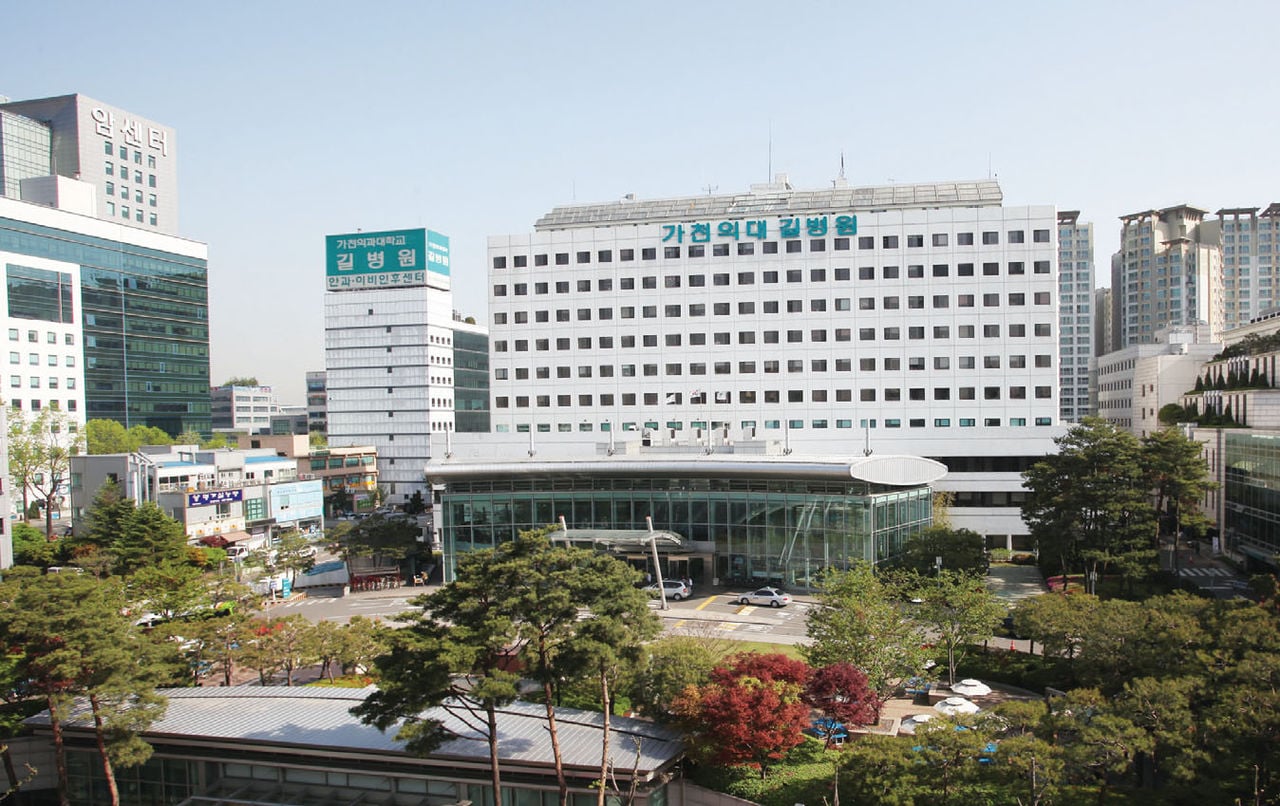
Gachon University Gil Medical Center
Severance Hospital
Soon Chun Hyang University Hospital

احصلوا على تقييم طبي لـ السنسنة المشقوقة (العمود الفقري المشقوق) في كوريا الجنوبية: استشيروا أطباء ذوي خبرة الآن

عرض جميع الأطباء

مشاركة المحتوى

Twitter XLinkedinFacebookWhatsAppEmail
أحصل على الرابط

قصص فيديو من مرضى Bookimed

Dayana
جمعت بين إجازتي في أنطاليا والفحص الطبي.
إجراء: فحص صحة الإناث (انظر فحص النساء)
Igor
كان رائعاً! التنقلات والإقامة والعلاج - كل شيء مشمول.
إجراء: زرع الأسنان
مستشفى: WestDent Clinic
Marina
قام Bookimed بكل شيء من أجلي. لم أضطر للقلق بشأن أي شيء.
إجراء: فحص صحة الإناث (انظر فحص النساء)
مستشفى: Severance Hospital
محدث: 05/27/2022
تأليف
Anna Leonova
Anna Leonova
رئيس فريق تسويق المحتوى
محررة طبية معتمدة لديها خبرة تزيد عن 10 سنوات، طوّرت محتوى Bookimed الموثوق، مدعومة بماجستير في علم اللغة ومقابلات مع خبراء طبيين من جميع أنحاء العالم.
تمت المراجعة من قبل المستشار الطبي في Bookimed
فهد مولود
محرر طبي وعالم بيانات
طبيب عام. حاصل على 4 جوائز علمية. خدم في غرب آسيا. رئيس الفريق الطبي الناطق بالعربية سابقا ومسؤول عن معالجة البيانات ودقة المحتوى الطبي حاليا.
فهد مولود Linkedin
قد تحتوي هذه الصفحة على معلومات تتعلق بمختلف الحالات الطبية والعلاجات وخدمات الرعاية الصحية المتوفرة في بلدان مختلفة. يرجى العلم أن المحتوى مقدم لأغراض إعلامية فقط ولا ينبغي تفسيره على أنه نصيحة أو إرشادات طبية. يرجى استشارة طبيبك أو أخصائي طبي مؤهل قبل البدء أو تغيير العلاج الطبي.

أسئلة متكررة حول علاج السنسنة المشقوقة (العمود الفقري المشقوق) في كوريا الجنوبية

هذه الأسئلة الشائعة مأخوذة من مرضى حقيقيين يبحثون عن رعاية طبية عبر Bookimed. يتم تقديم الإجابات من قبل منسقين طبيين ذوي خبرة وممثلين موثوقين من العيادات.

أين يمكنني العثور على أفضل جراحة للجنين لعلاج السنسنة المشقوقة في كوريا الجنوبية؟

تشمل المراكز الكورية الجنوبية الرائدة لجراحة الجنين لعلاج السنسنة المشقوقة مستشفى جامعة سيول الوطنية بوندانغ (SNUBH) ومستشفى سيفيرانس. توفر هذه المرافق المعتمدة من قبل اللجنة الدولية المشتركة (JCI) فرقاً متعددة التخصصات في سيول. وهي تدمج بين طب الأم والجنين وجراحة الأعصاب للأطفال لإجراء إصلاحات معقدة للقيلة النخاعية السحائية خلال فترة الحمل الحرجة.

  • أخصائي بارز: الدكتور سيونغ-جاي هيون في SNUBH متخصص في جراحة أعصاب الأطفال المتقدمة.
  • اعتمادات المستشفيات: تم تصنيف SNUBH وسيفيرانس ضمن أفضل مستشفيات العالم وفقاً لمجلة نيوزويك.
  • السلامة الرقمية: يستخدم SNUBH نظام BESTcare لتقليل الأخطاء الطبية أثناء الجراحة.
  • سعة المرضى: يدير مستشفى سيفيرانس أكثر من 4 ملايين زيارة خارجية للرعاية المتخصصة.

رؤية خبير Bookimed: على الرغم من وجود العديد من المراكز المتخصصة في سيول، إلا أن حجم العمليات يعد مؤشراً حيوياً على الجودة. يدير مستشفى سيفيرانس 4,000,000 مريض خارجي سنوياً، مما يشير إلى توفر موارد عميقة للتدخلات الجنينية النادرة. تركز بعض المؤسسات مثل SNUBH على السلامة من خلال الأنظمة الرقمية مثل BESTcare. وهذا أمر بالغ الأهمية للإجراءات عالية المخاطر حيث تمنع الدقة العجز العصبي مدى الحياة.

إجماع المرضى: يؤكد المرضى أن التوقيت أمر بالغ الأهمية للأهلية لجراحة الجنين. ويقترحون التأكد من أن الفريق يضم أخصائيين في طب الأم والجنين وجراحي أعصاب للأطفال قبل السفر. كما يلاحظون أن استعداد المركز لمناقشة أحجام الجراحات المحددة والمخاطر أكثر أهمية من شهرة المستشفى.

ما هو معدل نجاح جراحة السنسنة المشقوقة (الصلب المشقوق) داخل الرحم (للجنين) في كوريا؟

تحقق جراحة السنسنة المشقوقة داخل الرحم في كوريا معدلات نجاح عالية. وتشير العيادات إلى انخفاض الحاجة إلى تحويلات الدماغ (shunts) إلى حوالي 41%. تتوافق هذه النتائج مع المعايير العالمية. تستخدم المراكز الرائدة مثل مستشفى سيفيرانس (Severance Hospital) طرقاً تنظيرية هجينة متقدمة لتقليل مخاطر الولادة المبكرة.

  • الاعتماد على التحويلة: تنخفض الحاجة إلى وضع التحويلة إلى 40% مقارنة بـ 80% للإصلاحات بعد الولادة.
  • الوظيفة العصبية: يعمل الإصلاح الجنيني على تحسين احتمالية المشي بشكل مستقل دون مساعدات بشكل كبير.
  • نجاح الحمل: يصل حوالي 50% من حالات الحمل إلى تمام المدة بعد التدخل داخل الرحم.
  • صحة الدماغ: تظهر غالبية الحالات نجاحاً في عكس فتق الدماغ الخلفي بعد الجراحة.

رؤية خبراء Bookimed: ترتبط مؤشرات الجودة لجراحة الجنين في كوريا بحجم العمليات في المستشفى. يدير مستشفى سيفيرانس 1.6 مليون مريض خارجي سنوياً ويحمل اعتماد اللجنة الدولية المشتركة (JCI). الدكتور سيونغ-جاي هيون في مستشفى جامعة سيول الوطنية بوندانغ متخصص في جراحة الأعصاب للأطفال. توفر المستشفيات الأكاديمية واسعة النطاق الفرق متعددة التخصصات اللازمة لهذه الإجراءات المعقدة.

إجماع المرضى: تؤكد العائلات أن النجاح يعني تقليل المخاطر بدلاً من الشفاء التام. ويشيرون إلى أن خبرة المركز هي العامل الأكثر أهمية لتحسين القدرة على الحركة على المدى الطويل.

من هو المؤهل لجراحة الأجنة، وما هو البديل؟

تتطلب الأهلية لجراحة الأجنة لعلاج السنسنة المشقوقة تشخيصاً بوجود قيلة نخاعية سحائية بين الأسبوع 19 و26 من الحمل. يجب ألا تعاني المرشحات من أي تشوهات جنينية إضافية أو مخاطر صحية للأم. تُعد الجراحة بعد الولادة البديل القياسي للتدخل داخل الرحم.

  • فترة الحمل: يجب أن تخضع المرشحات للإجراء بين الأسبوع 19 و26.
  • صحة الأم: يجب أن تكون الأمهات بصحة جيدة بما يكفي لإجراء جراحة كبرى في الرحم والتعافي منها.
  • الفحص التشخيصي: تتطلب الأهلية إجراء تصوير بالرنين المغناطيسي، وتخطيط صدى القلب للجنين، وتقييمات من قبل متخصصين متعددين للتأكيد.
  • البديل بعد الولادة: يقوم الأطباء بإجراء إصلاح قياسي لعيوب العمود الفقري فوراً أو بعد الولادة بفترة وجيزة.

رؤية خبير Bookimed: على الرغم من أن كوريا الجنوبية تحتل المرتبة السادسة عالمياً في الطلبات الطبية، إلا أن جراحة أعصاب الأجنة تظل متخصصة للغاية. تستخدم مراكز مثل مستشفى سيفيرانس ومستشفى جامعة سيول الوطنية بوندانغ (SNUBH) معايير معتمدة من JCI وفرقاً متعددة التخصصات. تدير هذه المستشفيات أكثر من 1,500,000 مريض سنوياً، مما يضمن خبرة مؤسسية عميقة لحالات جراحة أعصاب الأطفال المعقدة.

إجماع المرضى: يشير المرضى إلى أن جراحة الأجنة هي مقايضة صعبة وليست علاجاً كاملاً. ويؤكدون أنه على الرغم من أنها قد تحسن القدرة على الحركة، إلا أنه يجب على الأم قبول مخاطر كبيرة للحمل في المستقبل.

ما هي العلاجات الجراحية والمتابعة التي يتم إجراؤها بشكل روتيني للقيلة النخاعية السحائية؟

يركز علاج القيلة النخاعية السحائية في كوريا على الإغلاق الجراحي المبكر لعيوب العمود الفقري. يتم إجراء هذه العملية عادةً في غضون 48 ساعة من الولادة. كما يقوم المتخصصون بإدارة استسقاء الرأس من خلال وضع تحويلة بطينية صفاقية (VP shunt). تتضمن الرعاية طويلة الأمد متابعة متعددة التخصصات لوظائف المثانة والأمعاء والحركة.

  • الإغلاق الجراحي: يقوم الأطباء بإجراء إصلاح عاجل للعمود الفقري لحماية الأعصاب والأنسجة المكشوفة.
  • إدارة استسقاء الرأس: يقوم الجراحون بوضع تحويلات بطينية صفاقية لتصريف السائل النخاعي الزائد من الدماغ.
  • المتابعة المسالك البولية: تشمل الرعاية القسطرة المتقطعة لمنع تلف الكلى وإدارة سلس البول.
  • المراقبة العظمية: يتابع المتخصصون حالات الجنف وخلع الورك الولادي والقدم الحنفاء خلال مراحل النمو.

رؤية خبراء Bookimed: يتم تعزيز سلامة المرضى في كوريا من خلال الأنظمة الرقمية المتكاملة. يستخدم مستشفى جامعة سيول الوطنية في بوندانغ نظام BESTcare الفريد. يساعد هذا الإطار الرقمي جراحي الأعصاب مثل الدكتور سيونغ-جاي هيون في تنسيق العلاجات المعقدة والمرحلية. وهذا أمر حيوي لـ 1,500,000 مريض سنوياً يحتاجون إلى إدارة متعددة التخصصات مدى الحياة.

إجماع المرضى: يشير المرضى إلى أنه على الرغم من أن جراحة العمود الفقري الأولية هي الأولوية الأولى، إلا أن الحياة الروتينية يتم تحديدها لاحقاً من خلال العناية بالمثانة والعلاج الطبيعي. غالباً ما تتحول الاهتمامات العملية نحو مراقبة وظيفة التحويلة والحفاظ على الحركة بمرور الوقت.

هل توجد مراكز متخصصة تقدم رعاية طويلة الأمد بعد الجراحة؟

تقدم مراكز السنسنة المشقوقة المتخصصة في جمهورية كوريا رعاية طويلة الأمد متكاملة من خلال عيادات متعددة التخصصات. توفر مرافق مثل مستشفى سيفيرانس ومستشفى جامعة سيول الوطنية في بوندانغ مراقبة مدى الحياة. تنسق هذه البرامج بين جراحة الأعصاب والمسالك البولية وإعادة التأهيل لإدارة الحركة ووظيفة المثانة بأمان.

  • نهج متعدد التخصصات: تجمع الفرق بين جراحة الأعصاب والمسالك البولية وجراحة العظام لإدارة شاملة مدى الحياة.
  • خدمات إعادة التأهيل: تركز إعادة التأهيل المتخصصة للأطفال على تدريب المشي وتحسين الحركة الوظيفية.
  • أنظمة السلامة: تساعد البنية التحتية الرقمية مثل نظام BESTcare في منع الأخطاء الطبية.
  • المرافق المعتمدة: تمتلك المراكز الكبرى اعتمادات من اللجنة الدولية المشتركة (JCI) أو اعتماد الرعاية الصحية العالمي.

رؤية خبير Bookimed: يفضل المشهد الطبي في كوريا المجمعات الطبية المتكاملة الضخمة على مراكز التعافي الصغيرة. يدير مستشفى سيفيرانس وحده 1,600,000 مريض خارجي سنوياً مع أجنحة مخصصة لإعادة التأهيل وطب الأطفال. يعد اختيار هذه المراكز ذات الحجم الكبير أمراً حيوياً لأنها تضم أقسام المسالك البولية وجراحة العظام المتخصصة اللازمة لمضاعفات السنسنة المشقوقة طويلة الأمد.

إجماع المرضى: يشير المرضى إلى أن الجراحة نادراً ما تكون خط النهاية، ويؤكدون على أهمية العثور على مركز ينسق فيه العديد من المتخصصين في موقع واحد. يتم تحديد إدارة المثانة طويلة الأمد ومراقبة الحبل الشوكي المربوط كأمور أكثر أهمية للحياة اليومية من الإجراء الأولي.

What are the main treatment options for spina bifida in South Korea?

Spina bifida treatment in South Korea focuses on early neurosurgical intervention and multidisciplinary long-term care. Patients access spinal closure surgeries within 48 hours of birth. Specialists also provide prenatal surgeries, VP shunts for hydrocephalus, and integrated urological management at JCI-accredited centres like Severance Hospital.

  • Surgical closure: Surgeons perform urgent spinal repair to protect exposed nerves after birth.
  • Hydrocephalus management: Specialists insert VP shunts to drain excess brain fluid and pressure.
  • Prenatal surgery: Centres offer foetal surgery to reduce spinal tension before birth.
  • Bladder care: Clinics implement clean intermittent catheterisation to prevent potential kidney damage.

Bookimed Expert Insight: South Korea's tertiary centres demonstrate exceptional technical depth for paediatric cases. Seoul National University Bundang Hospital achieved the world's first laparoscopic liver resection in a child. This level of surgical precision is vital for complex spina bifida repairs. Patients benefit from centres performing over 30,000 operations annually, which builds high specialist proficiency.

Patient Consensus: South Korean clinics provide multidisciplinary support covering neurology, urology, and physiotherapy. Patients note that intrauterine surgery is a significant option for reducing long-term complications like Chiari malformation.

Can fetal surgery for spina bifida be performed in South Korea?

Foetal surgery for spina bifida is available in South Korea at specialised tertiary centres in Seoul. Multi-disciplinary teams perform in-utero repairs between 23 and 26 weeks of gestation. These procedures aim to reduce hydrocephalus risks and improve motor function before the baby is born.

  • Surgical approach: Specialists perform both open foetal surgery and fetoscopic repair to close spinal defects.
  • Expert teams: Care involves paediatric neurosurgeons, obstetricians, and foetal medicine specialists working together.
  • Clinical criteria: Doctors screen candidates using international standards to assess foetal and maternal suitability.
  • Imaging: Centres use 3.0T MRI and detailed ultrasound to map the spinal lesion accurately.

Bookimed Expert Insight: South Korea excels in paediatric neurosurgery, with Seoul National University Bundang Hospital performing 32,550 operations annually. Foetal surgery is available. Patients should confirm whether a clinic offers fetoscopic or open repair. Severance Hospital maintains partnerships with leading US paediatric centres. This provides access to internationally recognised protocols for complex foetal anomalies.

Patient Consensus: Families note that foetal surgery is a high-risk procedure. It aims to prevent further nerve damage rather than provide a complete cure. Patients in South Korea emphasise early candidacy screening. The strict surgical window requires a detailed care plan covering delivery and neonatal follow-up.

How soon after birth should surgery for spina bifida be performed?

Surgery for myelomeningocele typically occurs within 24 to 72 hours after birth. Swift intervention protects exposed nerves and reduces infection risks. South Korean tertiary centres like Severance Hospital maintain JCI-accredited neonatal units. These units handle complex paediatric neurosurgical procedures.

  • Primary timeframe: Surgeons usually prefer closing the spinal opening within 1 to 3 days.
  • Clinical priority: Early closure prevents meningitis and preserves existing nerve function in the legs.
  • Milder cases: For skin-covered defects, specialists may delay surgery until 3 to 12 months.
  • Inpatient recovery: Infants often remain in a neonatal intensive care unit for several weeks.

Bookimed Expert Insight: 72 hours is the global standard. However, leading Korean centres often integrate paediatric neurosurgery with multidisciplinary rehabilitation early. Seoul National University Bundang Hospital has specialists like Dr Seung-Jae Hyun. They focus on long-term spinal stability. A dedicated paediatric clinic, such as Severance, provides joint-ventured expertise from top American children's hospitals. Infants gain access to this if complications arise.

Patient Consensus: Parents in Republic of Korea emphasise that the first surgery happens quickly. However, recovery involves weeks where the baby cannot lie on their back. Many find that ongoing MRI monitoring and gait analysis are essential as the child grows. This helps manage potential tethering.

What is the long-term prognosis for children treated for spina bifida in South Korea?

Long-term prognosis for children treated in South Korea is generally positive. Most survive into adulthood due to immediate surgical intervention, often within 48 hours. Success relies on multidisciplinary care at JCI-accredited centres like Severance Hospital. Ongoing management of bladder, bowel, and mobility is standard.

  • Survival rates: Most children survive into adulthood with life expectancy matching the general population.
  • Mobility outcomes: Recent studies show significant walking ability, though 15% may require mobility aids.
  • Bladder management: Approximately 38% use clean intermittent catheterisation to protect kidney function and health.
  • Specialist access: Centres like SNUBH provide paediatric neurosurgery alongside urology and orthopaedic follow-up.

Bookimed Expert Insight: South Korea specialises in paediatric neurosurgery. Seoul National University Bundang Hospital manages 1.5 million patients annually. They performed the world's first paediatric laparoscopic liver resection. This surgical precision is vital for complex spina bifida repairs. Patients benefit from systems like BESTcare to track long-term recovery data.

Patient Consensus: Parents find that life expectancy is no longer the primary concern. They focus on preventing kidney infections and monitoring shunt function. Families emphasise that children often lead fulfilling lives. They advise securing a clear plan for renal surveillance and shunt checks. This helps once back in Australia.

What role do specialised medical teams play in spina bifida treatment in South Korea?

Specialised medical teams in South Korea provide multidisciplinary care. It integrates neurosurgery, urology, and orthopaedics to manage lifelong spina bifida complications. Expertise at centres like Seoul National University Bundang Hospital (SNUBH) covers prenatal diagnosis, neonatal spinal repair, and long-term mobility support. All services are in JCI-accredited facilities.

  • Multidisciplinary care: Teams manage hydrocephalus, neurogenic bladder, and mobility issues simultaneously.
  • Surgical expertise: Specialists like Dr Seung-Jae Hyun at SNUBH perform intricate paediatric neurosurgery.
  • Quality standards: Severance Hospital holds JCI accreditation, providing safety protocols familiar to Australians.
  • Digital integration: SNUBH uses the BESTcare system to coordinate complex, long-term patient data.

Bookimed Expert Insight: South Korea's model focuses on ultra-high volume academic centres. Teams at these centres handle over 30,000 operations annually. For Australian families, the standout advantage is the concentration of specialists. A GP in Australia might see one case. By contrast, centres like Severance Hospital manage thousands of complex paediatric patients every year.

Patient Consensus: Patients note that major Seoul hospitals are essential for coordinating specialist input. This is needed for a child's posture and muscle balance. Families often prefer university hospitals with international departments. These departments provide English-speaking support during complex surgical consultations.

How is hydrocephalus managed in children with spina bifida treated in South Korea?

South Korean neurosurgeons manage hydrocephalus in children with spina bifida using advanced shunt systems and endoscopic surgery at JCI-accredited centres. Specialists focus on reducing shunt dependency through Endoscopic Third Ventriculostomy (ETV). Teams at leading hospitals perform these procedures within 48 to 72 hours of spinal lesion closure.

  • Surgical paths: Specialists use ventriculoperitoneal (VP) shunts or ETV combined with choroid plexus cauterisation (CPC).
  • Clinical expertise: Dr Seung-Jae Hyun at SNUBH provides specialised paediatric neurosurgery for complex spinal cases.
  • Institutional partnerships: Severance Hospital's paediatric clinic collaborates with the Children's Hospital of Philadelphia for protocols.
  • Monitoring: Centres use 3.0T MRI and digital safety systems to track intracranial pressure changes.

Bookimed Expert Insight: South Korea's leading paediatric centres like Severance Hospital and SNUBH report serving millions of patients annually with high surgical volumes. While VP shunts remain the global standard, Korean neurosurgical data indicates a shift toward ETV and CPC. Shunt dependency in some specialised cohorts appears as low as 4% due to early, aggressive intervention and precise CSF management.

Patient Consensus: Parents note that early signs like morning nausea or lethargy are often the first indicators of shunt issues. In South Korea, families find that catching these subtle changes early helps avoid emergency revisions and makes long-term recovery much smoother.

Is physical therapy available for children with spina bifida in South Korea?

South Korea provides extensive physical therapy for children with spina bifida. This is available through JCI-accredited hospitals and specialised rehabilitation centres. Care plans focus on mobility and muscle strength. Treatment teams include neurosurgeons and orthopaedic specialists. Support often continues through innovative mobile health programs for long-term management.

  • Multidisciplinary care: Severance Hospital collaborates with Children's Hospital of Philadelphia for paediatric care.
  • Expert neurosurgery: Dr Seung-Jae Hyun at SNUBH specialises in complex paediatric neurosurgery cases.
  • Specialised techniques: Therapy includes manual physical therapy, electrical stimulation, and targeted orthopaedic exercises.
  • Quality standards: Major Seoul hospitals hold JCI and Global Healthcare Accreditation for international safety.

Bookimed Expert Insight: While South Korea ranks 7th globally for medical requests, its true strength lies in paediatric partnerships. Severance Hospital partners with the Children's Hospital of Philadelphia. This means complex spina bifida cases receive globally recognised protocols. This makes Seoul a high-value alternative for Australian families seeking international-standard specialist rehabilitation.

Patient Consensus: Parents recommend manual therapy instead of standard physical therapy. This approach provides active exercise-based rehab. Confirming English support is vital. Many high-quality rehabilitation clinics in South Korea primarily use the local language.

احصل على استشارة مجانية

حدد أفضل طريقة للاتصال بك