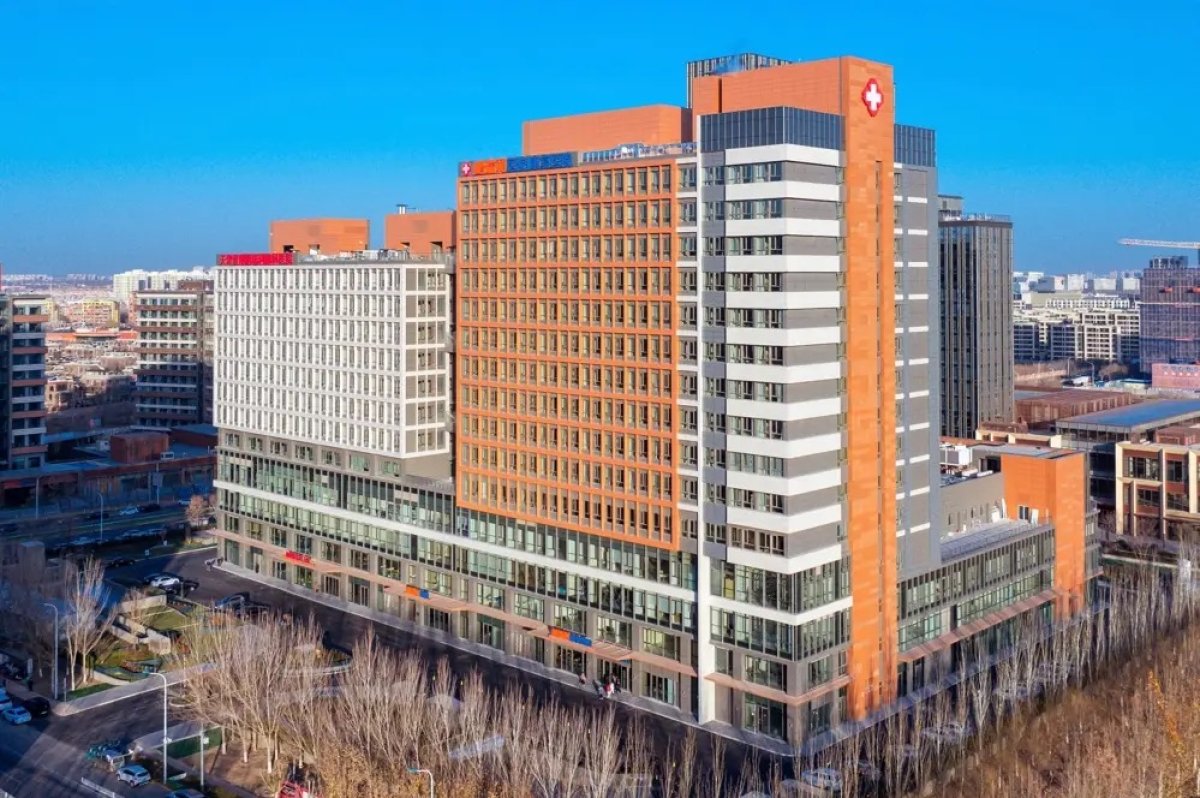
Dr. Eber Brain Hospital
الصين, Tianjin


تمت مراجعة المقالة طبيا من قبل
فهد مولود
Bookimed لا يضيف رسوماً إضافية على أسعار علاج السنسنة المشقوقة (العمود الفقري المشقوق). الأسعار مأخوذة من قوائم الأسعار الرسمية للعيادات. تدفع مباشرة في العيادة مقابل علاجك عند وصولك إلى البلد.
Bookimed ملتزم بسلامتك. نحن نعمل فقط مع المؤسسات الطبية التي تحافظ على معايير دولية عالية في علاج السنسنة المشقوقة (العمود الفقري المشقوق) ولديها التراخيص اللازمة لخدمة المرضى الدوليين في جميع أنحاء العالم.
Bookimed يقدم مساعدة خبراء مجانية. منسق طبي شخصي يدعمك قبل وأثناء وبعد العلاج، ويحل أي مشاكل. لن تكون وحيداً أبداً في رحلة علاج السنسنة المشقوقة (العمود الفقري المشقوق).

 Anna Leonova
تشمل الخيارات الجراحية الأساسية في الصين الإغلاق بعد الولادة، والتحرير المجهري الوقائي (detethering)، وتحويل السائل النخاعي. تقوم مراكز متخصصة في بكين وشنغهاي بإجراء هذه العمليات باستخدام أدوات جراحية مجهرية. عادةً ما يقوم الجراحون بإغلاق العيوب المفتوحة في غضون 48 ساعة لحماية الأنسجة العصبية ومنع العدوى.
رؤية خبير Bookimed: تشير البيانات الحديثة إلى اتجاه نحو الجمع بين الإصلاح العصبي وإعادة التأهيل العصبي في وقت مبكر من دورة العلاج. يعمل مستشفى Dr. Eber Brain في تيانجين بـ 400 متخصص و 63 قسماً. تسمح هذه القدرة الكبيرة برعاية متعددة التخصصات تدمج الإصلاح الجراحي مع العلاجات الترميمية الفورية لتحسين النتائج الوظيفية.
إجماع المرضى: يشير المرضى إلى أنه من المهم إدراك أن الجراحة الأولى هي مجرد البداية. ويؤكدون أنه على الرغم من التئام الجرح جيداً، إلا أن الرعاية طويلة الأمد للمثانة والحركة غالباً ما تكون ضرورية.
تتركز رعاية السنسنة المشقوقة المتقدمة في الصين في المرافق المعتمدة من قبل اللجنة الدولية المشتركة (JCI) والمعاهد العصبية المتخصصة في بكين وتيانجين. توفر هذه المستشفيات تدخلات متعددة التخصصات. ويشمل ذلك إغلاق العمود الفقري لحديثي الولادة، وتحرير الحبل الشوكي المربوط، وجراحة إعادة توجيه الأعصاب. تركز المراكز الرائدة على إدارة المثانة العصبية وجراحة العظام الترميمية المعقدة.
رؤية خبير Bookimed: بينما تستضيف بكين وشنغهاي مستشفيات عامة كبرى، توفر المراكز المتخصصة مثل مستشفى الدكتور إيبر للدماغ عمقاً عصبياً مركزاً. توظف هذه المنشأة 400 طبيب عبر 63 قسماً. غالباً ما تترجم هذه النسبة العالية من الأطباء إلى الأسرة إلى مراقبة جراحية أكثر تخصيصاً. يضمن اختيار مستشفى متخصص في الدماغ بدء إعادة التأهيل العصبي فوراً بعد إجراء العمود الفقري.
إجماع المرضى: يشير المرضى إلى أن العثور على مستشفى به عيادة مخصصة للسنسنة المشقوقة أمر حيوي. ويؤكدون على أهمية التحقق مما إذا كان الفريق يضم جراحي أعصاب أطفال وأطباء مسالك بولية.
يتضمن علاج السنسنة المشقوقة في الصين عادةً فريقاً متعدد التخصصات. يقوم جراحو الأعصاب بإجراء إغلاق العمود الفقري الأولي. يتطلب النجاح التنسيق مع أطباء المسالك البولية وأخصائيي العظام. تدمج نماذج الرعاية الشاملة العلاج الطبيعي لاستعادة الحركة. يعالج نهج الفريق هذا اضطرابات الجهاز العصبي المركزي المعقدة.
رؤية خبير Bookimed: تستخدم مستشفيات الدماغ الرائدة في الصين مثل مستشفى دكتور إيبر للدماغ أكثر من 60 قسماً. يدعم هذا النطاق الضخم للمستشفى مرافق بسعة 300 سرير مخصصة لاستعادة الجهاز العصبي المركزي. يمكن للفرق الطبية الكبيرة تقديم رعاية متخصصة بعد الجراحة تفتقر إليها العيادات الصغيرة غالباً. ابحث عن المستشفيات التي تتعايش فيها جراحة الأعصاب وإعادة التأهيل في مبنى واحد.
إجماع المرضى: يشير المرضى إلى أن إشراك طبيب المسالك البولية في وقت مبكر أمر حيوي للصحة على المدى الطويل. تجد العائلات أن الوصول إلى العديد من المتخصصين في نفس اليوم يمنع النصائح الطبية المتناقضة.
يتعامل جراحو الأعصاب الصينيون مع استسقاء الرأس لدى الرضع المصابين بالصلب المشقوق باستخدام تحويلات بطينية صفاقية أو بروتوكولات جراحية مرحلية. تعطي المراكز المتخصصة مثل مركز شنغهاي الطبي للأطفال الأولوية للتدخل المبكر. وغالباً ما يجمعون بين إصلاح عيب العمود الفقري ووضع التحويلة. هذا النهج في جلسة واحدة يقلل من المخاطر الجراحية ومدة الإقامة في المستشفى.
رؤية خبير Bookimed: بينما يفكر الكثيرون في الصين للحصول على رعاية ترميمية متخصصة، تؤكد المراكز الثالثية مثل مستشفى دكتور إيبر للدماغ على الاستقرار الحاد للجهاز العصبي المركزي. تظهر البيانات أن المستشفيات متعددة التخصصات الكبيرة التي تضم أكثر من 400 طبيب توفر تغطية طوارئ أكثر قوة. هذا أمر حيوي لإدارة فشل التحويلة المفاجئ لدى حديثي الولادة.
إجماع المرضى: يلاحظ الآباء أن استسقاء الرأس غالباً ما يتطلب اهتماماً أكثر إلحاحاً من آفة العمود الفقري نفسها. ويؤكدون على أهمية تعلم أعراض الطفل الفريدة، حيث تظل مراجعات التحويلة بسبب الانسدادات شائعة.
يتبع التأهيل طويل الأمد للأطفال في الصين نموذجاً مكثفاً مزدوج المسار. فهو يدمج بين التأهيل العصبي الغربي والطب الصيني التقليدي داخل مراكز متخصصة. تعطي البرامج الأولوية لاستعادة الوظيفة الحركية والصحة العصبية. غالباً ما يتضمن هذا النهج فترات إقامة في المستشفى لمدة 30 يوماً توفر جلسات علاجية متعددة يومياً.
رؤية خبير Bookimed: تركز مراكز طب الأطفال الصينية مثل مستشفى دكتور إيبر للدماغ في تيانجين على الاستعادة الحركية العصبية من خلال أقسام متخصصة. تضمن هذه الدرجة العالية من التخصص عبر 63 قسماً أن رعاية السنسنة المشقوقة ليست مجرد علاج عام. فهي تسمح للعائلات بالوصول إلى خبرة عميقة لاضطرابات معينة في الجهاز العصبي المركزي خلال دورات مكثفة مدتها 30 يوماً.
إجماع المرضى: يؤكد الآباء أن إتقان روتين الأمعاء والمثانة هو الهدف طويل الأمد الأكثر أهمية. إنهم يقدرون الفرق التي تعلم القسطرة الذاتية في وقت مبكر لمساعدة الأطفال على اكتساب الاستقلالية مع وصولهم إلى سن المراهقة.