علاج السنسنة المشقوقة (العمود الفقري المشقوق) في إسرائيل — احصل على 3 عيادات مختارة خصيصاً لك


تمت مراجعة المقالة طبيا من قبل
فهد مولود
كيف نعمل؟
ما هي تكلفة السنسنة المشقوقة (العمود الفقري المشقوق) إجراءات التشخيص والعلاج في إسرائيل؟ اعرف الآن
اكتشف أفضل السنسنة المشقوقة (العمود الفقري المشقوق) العيادات في إسرائيل: 6 خيارات معتمدة والأسعار











Shaare Zedek Medical Center

Elisha Hospital
احصلوا على تقييم طبي لـ السنسنة المشقوقة (العمود الفقري المشقوق) في إسرائيل: استشيروا أطباء ذوي خبرة الآن
عرض جميع الأطباء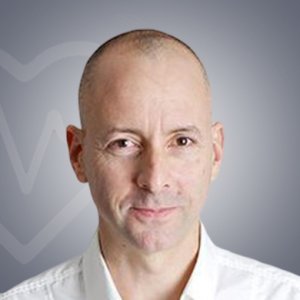
Alon Friedlander
د. ألون فريدلاندر (MD) جرّاح عظام واختصاصي في العمود الفقري والجنف لدى الكبار والأطفال. يشغل منصب مدير قسم جراحة العظام في مركز شيبا الطبي، وهو أستاذ مشارك في جراحة العظام بجامعة تل أبيب. مُدرج ضمن قائمة فوربس لأفضل أطباء إسرائيل.
يعالج اضطرابات العمود الفقري المعقّدة بجراحات طفيفة التوغل وأخرى مفتوحة، وتشمل إجراءاته التثبيت الأمامي والخلفي. تتركز خبرته على الجنف والتشوّهات الأخرى، والأورام، وتضيّق القناة الشوكية وعدم الاستقرار، والانزلاق الغضروفي. التعليم: دكتوراه في الطب، جامعة تل أب
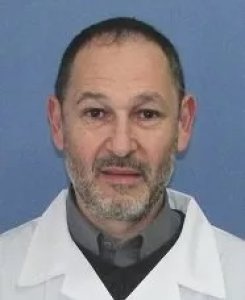
Zvi Cohen
البروفيسور زفي كوهين مدير قسم جراحة الأعصاب ووحدة الأورام العصبية في مركز شيبا الطبي. وهو جرّاح أعصاب وخبير في الأورام العصبية. اختير ضمن قائمة فوربس إسرائيل لأفضل الأطباء لعام 2025. يقود أبحاثًا سريرية حول العلاجات الدوائية لأورام الدماغ الخبيثة. كما أسّس بنك أنسجة أورام الدماغ في شيبا.
حاصل على شهادة البورد في جراحة الأعصاب، وتدرّب في جامعة تل أبيب. أكمل زمالتين: في الأشعة العصبية في بيث إسرائيل، وفي جراحة أورام الأعصاب في مركز إم دي أندرسون. تشمل ممارسته أورام الدماغ المعقّدة والغدة

Professor Shimon Rochkind
أحد كبار جراحي الأعصاب في إسرائيل مع 47 سنة من الخبرة – البروفيسور روتشكيند متخصص في علاج السنسنة المشقوقة (Spina bifida) في مركز سوراسكي الطبي.
- خبير في الجراحة المجهرية للأعصاب الطرفية والتقنيات طفيفة التوغل
- تدرب في مستشفيات رائدة في كندا وألمانيا وجنوب إفريقيا
- يرأس الجمعية الإسرائيلية لتقنيات الأعصاب بالليزر
- يستخدم تقنيات الليزر والهندسة الحيوية الحديثة لإجراء جراحات أكثر أماناً

Margalit Navo
أجرى البروفيسور مارغاليت نافو أكثر من 70 عملية جراحية للورم السحائي وأكثر من 100 عملية لإزالة أورام قاعدة الجمجمة في مركز إيخيلوف الطبي.
- يرأس قسم جراحة الأعصاب في إيخيلوف
- متخصص في إزالة أورام الجمجمة بالمنظار طفيف التوغل
- تدرب على تقنيات جراحية متقدمة في الولايات المتحدة
- عضو في الجمعية الإسرائيلية لجراحة الأعصاب وجمعية قاعدة الجمجمة في أمريكا الشمالية
مشاركة المحتوى
قصص فيديو من مرضى Bookimed
 Anna Leonova
أسئلة متكررة حول علاج السنسنة المشقوقة (العمود الفقري المشقوق) في إسرائيل
هل جراحة السنسنة المشقوقة (Spina bifida) آمنة في إسرائيل؟
تعتبر جراحة السنسنة المشقوقة في إسرائيل آمنة، حيث تسجل معدلات فعالية تتراوح بين 85% و90%. تحافظ المراكز الرائدة مثل سوراسكي وهداسا على اعتماد اللجنة الدولية المشتركة (JCI). يستخدم الجراحون المتخصصون تقنيات متقدمة للمراقبة العصبية والليزر لضمان الدقة وتحسين نتائج الحركة على المدى الطويل.
- حجم العمليات الجراحية المتخصصة: أجرى الدكتور شيمون روشكيند في سوراسكي أكثر من 900 جراحة أعصاب متخصصة.
- رعاية الأطفال المتخصصة: يضم مستشفى شنايدر للأطفال عيادة متعددة التخصصات لجراحة الأعصاب وجراحة العظام والمسالك البولية.
- الابتكار المتقدم: تعتبر المستشفيات الإسرائيلية رائدة في عمليات تنظير الجنين داخل الرحم لتصحيح العيوب قبل الولادة بأمان.
- شهادات السلامة: تم تصنيف العديد من المرافق ضمن أفضل مستشفيات العالم وفقاً لمجلة نيوزويك في مجال جراحة الأعصاب والسلامة.
رؤية خبير Bookimed: بينما تقدم العديد من الدول إصلاحات ما بعد الولادة، تتميز إسرائيل ببرامجها عالية الحجم لجراحة الأجنة. يتعامل كل من مستشفى هداسا وبيلينسون مع ما يقرب من 1,000,000 زيارة مريض سنوياً. تتيح هذه القاعدة الضخمة من البيانات لجراحيهم تحسين تقنيات تنظير الجنين المعقدة التي لا تزال نادرة في مناطق أخرى.
إجماع المرضى: يؤكد المرضى على أهمية العثور على جراحين لديهم خبرة في أكثر من 100 حالة لضمان أفضل النتائج. وغالباً ما يشيرون إلى أن المتابعة المبكرة والمكثفة باستخدام الموجات فوق الصوتية المتسلسلة أمر حيوي لمراقبة التعافي بعد الجراحة.
ما هي المستشفيات في إسرائيل المتخصصة في رعاية السنسنة المشقوقة (Spina Bifida)؟
تقدم إسرائيل رعاية متقدمة للسنسنة المشقوقة من خلال مراكز طبية معتمدة من JCI مثل هداسا، وسوراسكي (إيخيلوف)، وشيبا. توفر هذه المؤسسات خدمات متعددة التخصصات بما في ذلك جراحة الأجنة لإصلاح عيوب العمود الفقري داخل الرحم. يستخدم جراحو الأعصاب الخبراء طرق التنظير العصبي وتقنيات الليزر للحالات الطبية للأطفال المعقدة وإعادة التأهيل.
- مركز هداسا الطبي: رائد في جراحة الأجنة داخل الرحم لعلاج تلف العمود الفقري قبل الولادة في القدس.
- مركز سوراسكي الطبي: يضم جراحي أعصاب أطفال متخصصين مثل البروفيسور شيمون روشكيند الذين يستخدمون تقنيات طفيفة التوغل.
- مركز شيبا الطبي: يوفر رعاية متكاملة من خلال مستشفى سافرا للأطفال ووحدات متخصصة في جراحة الأعصاب والمسالك البولية.
- مركز رمبام الطبي: يقدم قسماً مخصصاً لجراحة أعصاب الأطفال بقيادة خبراء في حيفا.
رؤية خبير Bookimed: تدير المراكز الطبية الإسرائيلية أحجاماً هائلة من المرضى، حيث يخدم كل من هداسا وسوراسكي أكثر من 1,000,000 مريض سنوياً. يسمح هذا التردد العالي لجراحي الأعصاب مثل البروفيسور شيمون روشكيند باكتساب خبرة موثقة على مدى أكثر من 35 عاماً من الممارسة. تظهر المراكز ذات الحجم الكبير نمطاً متميزاً لدمج تقنيات الليزر والهندسة الحيوية في إجراءات العمود الفقري الروتينية. وهذا يخلق ميزة تقنية على العيادات ذات معدل دوران المرضى الأقل.
إجماع المرضى: يؤكد الآباء بشكل متكرر على أهمية البحث عن فرق متكاملة حيث يتعاون أطباء المسالك البولية وجراحو الأعصاب. يلاحظ المرضى أن الوصول السريع إلى عمليات تحرير
ما هي الخيارات الجراحية المتاحة - الإغلاق المفتوح أم الإصلاح الجنيني؟
تقدم إسرائيل جراحة الجنين المفتوحة، والإصلاح عبر تنظير الجنين، والجراحة القياسية بعد الولادة لعلاج السنسنة المشقوقة. تقلل الخيارات الجنينية التي يتم إجراؤها قبل الولادة بشكل كبير من الحاجة إلى تحويلة دماغية. يستخدم جراحو الأعصاب الإسرائيليون أيضًا الجراحة المجهرية بعد الولادة لإغلاق العيب في غضون 48 ساعة من الولادة.
- جراحة الجنين المفتوحة: يقوم الجراحون بشق الرحم لإصلاح الحبل الشوكي مباشرة.
- الإصلاح عبر تنظير الجنين: نهج طفيف التوغل يقلل من مخاطر الأم مثل تمزق الرحم.
- الجراحة المجهرية بعد الولادة: إجراء قياسي يتم إجراؤه في غضون يومين بعد ولادة الطفل.
- إجراء EXIT: جراحة متخصصة أثناء الولادة بينما يظل الرضيع تحت دعم المشيمة.
رؤية خبير Bookimed: غالبًا ما يتعاون جراحو الأعصاب الإسرائيليون عبر فرق متعددة التخصصات في مراكز من الدرجة الثالثة مثل تل أبيب سوراسكي. تبلغ المراكز ذات الحجم الكبير عن نجاح مستمر من خلال دمج طب الأجنة مع العناية المركزة لحديثي الولادة. وهذا يقلل من مشاكل الحركة طويلة المدى من خلال استراتيجيات التدخل المبكر.
إجماع المرضى: يؤكد الآباء أن الوصول السريع إلى تصوير حديثي الولادة يحدد المسار الجراحي. تلاحظ العائلات أن الرعاية المنسقة بين أطباء التوليد وجراحي الأعصاب توفر أكبر قدر من الطمأنينة.
كم من الوقت سنحتاج للبقاء في إسرائيل للعلاج والمتابعة؟
عادة ما يبقى المرضى الدوليون في إسرائيل لمدة تتراوح بين 4 إلى 8 أسابيع لعلاج السنسنة المشقوقة (spina bifida). تغطي هذه الفترة التشخيص العصبي الجراحي، والإجراء الطبي، والمراقبة الحرجة بعد العملية. تتطلب معظم البروتوكولات الجراحية ما لا يقل عن 14 إلى 21 يوماً من المراقبة المحلية لإدارة المضاعفات المحتملة بأمان.
- مرحلة التشخيص: تتطلب الاستشارات العصبية الجراحية الأولية والتصوير عادةً من 1 إلى 5 أيام.
- الإقامة في المستشفى: توقع قضاء 7 إلى 14 يوماً كمرضى داخليين لإصلاح الحبل الشوكي الأولي.
- فترة المراقبة: يحتاج الجراحون إلى 2 إلى 4 أسابيع بعد العملية لمراقبة استسقاء الرأس.
- تصريح السفر: يسافر المرضى عادةً إلى ديارهم بعد التئام الجروح بشكل مستقر وإزالة الغرز.
رؤية خبير Bookimed: غالباً ما يؤكد جراحو الأعصاب الإسرائيليون، مثل البروفيسور شيمون روشكيند في مركز سوراسكي الطبي، على خبرة تمتد لـ 35 عاماً في الجراحة المجهرية للأعصاب الطرفية. تظهر البيانات أنه بالنسبة لحالات السنسنة المشقوقة المعقدة، تقوم عيادات مثل مركز هداسا الطبي بتنسيق الرعاية عبر تخصصات متعددة. يجب على المرضى إعطاء الأولوية للبقاء في تل أبيب أو القدس لمدة 3 أسابيع على الأقل بعد الخروج من المستشفى. هذا القرب حيوي للوصول الفوري إلى المتخصصين في حالة حدوث تغيرات في الضغط داخل الجمجمة بعد إغلاق العمود الفقري.
إجماع المرضى: تشير العائلات إلى أنه على الرغم من أن الجراحة الرئيسية تستغرق حوالي 10 أيام، فإن البقاء لمدة أسبوعين إضافيين لإزالة الغرز يوفر راحة بال كبيرة.
ما هي المؤهلات التي يحملها جراحو الأعصاب للأطفال في إسرائيل؟
يحمل جراحو الأعصاب للأطفال في إسرائيل درجات طبية من جامعات مرموقة ويخضعون لتدريب تخصصي في الإقامة لمدة تتراوح بين 5 إلى 7 سنوات. يجب عليهم الحصول على شهادة البورد من الجمعية الطبية الإسرائيلية. يكمل الكثير منهم زمالات طب الأطفال لمدة عام أو عامين في مؤسسات دولية رائدة في أمريكا الشمالية أو أوروبا.
- التعليم الطبي: درجات علمية من مؤسسات مثل جامعة تل أبيب أو التخنيون.
- شهادة التخصص: شهادة البورد الإلزامية من الجمعية الإسرائيلية لجراحة الأعصاب.
- الزمالات المتقدمة: تدريب متخصص في طب الأطفال في مستشفيات مثل SickKids أو جونز هوبكنز.
- العضويات المهنية: أدوار نشطة في الاتحاد العالمي لجمعيات جراحة الأعصاب.
رؤية خبير Bookimed: غالباً ما يحتفظ جراحو الأعصاب للأطفال في إسرائيل في المراكز المعتمدة من JCI بتخصصات مزدوجة في جراحة الأعصاب وجراحة العظام. على سبيل المثال، يحمل الدكتور ألون فريدلاندر في مركز شيبا الطبي مؤهلات في كل من تصحيح تشوهات العمود الفقري وجراحة الأطفال. هذه الخلفية متعددة التخصصات حيوية لحالات السنسنة المشقوقة المعقدة حيث تتطلب استقرار العمود الفقري ووظيفة الأعصاب خبرة متزامنة. يجب على المرضى البحث عن الجراحين الذين يعملون كرؤساء أقسام. عادة ما يدير هؤلاء القادة أحجاماً تتجاوز 10,000 حالة أطفال سنوياً.
إجماع المرضى: يقدر المرضى الأطباء الذين أكملوا زمالات تخصصية في الولايات المتحدة أو أوروبا لتقنيات متقدمة مثل فك الحبل الشوكي. ويشيرون إلى أن التحقق من حجم حالات الجراح المحددة للعيوب الخلقية ضروري لراحة البال.
ما هو مسار التعافي وإعادة التأهيل النموذجي؟
يبدأ مسار التعافي وإعادة التأهيل النموذجي في إسرائيل برعاية حادة بعد الجراحة تستمر من 4 إلى 6 أسابيع. يستخدم متخصصون مثل البروفيسور شيمون روشكيند في مركز سوراسكي الطبي تقنيات ليزر عصبية متقدمة لتعزيز تجدد الأعصاب. تركز هذه المرحلة على التئام الجروح والاستقرار قبل بدء العلاج متعدد التخصصات طويل الأمد.
- المراقبة الحادة: يضمن البقاء في المستشفى لمدة 4-6 أسابيع الشفاء الأولي والاستقرار العصبي.
- المتابعة العصبية: تراقب الفحوصات المنتظمة وظيفة التحويلة (shunt) لتحديد ومنع الالتهابات المحتملة.
- إدارة المثانة: غالبًا ما يبدأ القسطرة المتقطعة النظيفة في غضون 3 أشهر لمنع تلف الكلى.
- التدريب الوظيفي: يركز العلاج الطبيعي على الحركة، باستخدام دعامات الساق أو الكراسي المتحركة بحلول سن الثالثة.
رؤية خبير Bookimed: تعطي أقسام جراحة الأعصاب الإسرائيلية مثل تلك الموجودة في هداسا وسوراسكي الأولوية للتكامل المبكر لجراحة المسالك البولية للأطفال وجراحة العظام. تظهر البيانات أن العيادات التي تجري أكثر من 100 إجراء متخصص للعمود الفقري سنويًا تقدم تدخلات مبكرة أكثر قوة. يستفيد المرضى من هذا النهج متعدد التخصصات لأنه يعالج مخاطر الحبل الشوكي المربوط وصحة الكلى في وقت واحد بدلاً من التسلسل.
إجماع المرضى: يؤكد الآباء أن تتبع وظيفة التحويلة بشكل دقيق خلال السنة الأولى أمر بالغ الأهمية للسلامة. كما يلاحظون أن تعلم القسطرة المتقطعة النظيفة في وقت مبكر يوفر استقلالية طويلة الأمد ويتجنب زيارات الطوارئ.
هل تحتاج العائلات إلى إحضار سجلات طبية أو معدات خاصة؟
يجب على العائلات تقديم سجلات طبية شاملة لضمان علاج دقيق لحالة الصلب المشقوق (spina bifida) في إسرائيل. يلزم تقديم نسخ رقمية من فحوصات الرنين المغناطيسي أو الأشعة المقطعية والتاريخ الطبي قبل شهر من الوصول. توفر المراكز الطبية الإسرائيلية معظم معدات الأطفال الثقيلة. يجب على العائلات التركيز على حزم الأدوية اليومية.
- الوثائق الطبية: قدم ملخصات للحالات المزمنة مثل الصرع أو استسقاء الرأس.
- التصوير التشخيصي: أرسل فحوصات الرنين المغناطيسي الحديثة إلى المتخصصين مثل أولئك الموجودين في مركز سوراسكي.
- قائمة الأدوية: حدد الجرعات المحددة، وحساسية الأدوية، وأسماء الوصفات الطبية الحالية.
- مساعدات الحركة: ناقش احتياجات المعدات الثقيلة مع عيادتك لتجنب النقل.
رؤية خبير Bookimed: تدير مراكز الأطفال الإسرائيلية مثل سوراسكي أعداداً كبيرة من المرضى وحالات معقدة. تظهر بياناتنا أن العائلات غالباً ما تحزم معدات ضخمة دون داعٍ. بينما تتوفر مساعدات الحركة، فإن إحضار السجلات الرقمية مبكراً أمر حيوي. يساعد هذا الجراحين على تخطيط الإجراء قبل هبوط رحلتك في إسرائيل.
إجماع المرضى: يشير المرضى إلى أنه من المهم الاحتفاظ بثلاث نسخ مطبوعة من جميع سجلات التطعيم والجراحة. كما يقترحون إرسال كل شيء عبر البريد الإلكتروني إلى العيادة قبل شهر على الأقل.
لماذا تُعد إسرائيل واحدة من الوجهات الرائدة في جراحة الأعصاب؟
تُعدّ إسرائيل مركزًا رائدًا في جراحة الأعصاب بفضل مزيجها من التطورات الطبية عالية التقنية والخبرات الجراحية المتميزة. وتستخدم مرافق متطورة مثل مركز شيبا الطبي أنظمة ملاحة تعتمد على الذكاء الاصطناعي والتصوير بالرنين المغناطيسي أثناء الجراحة في الوقت الفعلي. وتشير المراكز المتخصصة إلى نسبة نجاح تصل إلى 98% في العمليات الجراحية المعقدة، بما في ذلك جراحة الدماغ مع اليقظة وعلاج اضطرابات الحركة.
- التكنولوجيا المتقدمة: تستخدم العيادات الموجات فوق الصوتية المركزة الموجهة بالرنين المغناطيسي (MRgFUS) والأنظمة الروبوتية لإجراء الشقوق.
- الخبرة الجراحية: يقود جراحون مثل الدكتور تسفي رام جمعيات دولية بخبرة تزيد عن 25 عامًا.
- الوصول السريع: يمكن للمرضى الدوليين عادةً تحديد مواعيد لإجراء عمليات جراحية معقدة في الدماغ أو العمود الفقري في غضون 2-4 أسابيع.
- الرعاية الطبية المعتمدة: المراكز الكبيرة مثل سوراسكي (إيشيلوف) وأسوتا معتمدة من قبل اللجنة الدولية المشتركة، مما يؤكد سلامتها.
رأي خبراء بوكيمد: تُظهر البيانات فرقًا واضحًا بين خيارات العلاج في القطاعين العام والخاص في إسرائيل. تُجري المراكز الخاصة، مثل مركز أسوتا الطبي، أكثر من 92,000 عملية جراحية سنويًا، وتتيح للمرضى اختيار جراح را
ما هي أنواع الأمراض العصبية التي يتم علاجها في إسرائيل؟
يعالج جراحو الأعصاب الإسرائيليون طيفاً واسعاً من الحالات، بدءاً من أورام الدماغ والحبل الشوكي وصولاً إلى الاضطرابات الوظيفية المعقدة. وتستخدم المراكز المتخصصة أحدث التقنيات، مثل جهاز جاما نايف، والتحفيز العميق للدماغ، والتصوير بالرنين المغناطيسي أثناء الجراحة، لتشخيص دقيق للغاية لحالات الصرع، ومرض باركنسون، وأمراض الأوعية الدموية الدماغية.
- الأمراض السرطانية: علاج الأورام الدبقية والأورام السحائية وأورام الغدة النخامية باستخدام استئصال قاعدة الجمجمة.
- الاضطرابات الوظيفية: علاج مرض باركنسون والرعاش الأساسي باستخدام التحفيز العميق للدماغ.
- أمراض العمود الفقري: تصحيح الجنف، وانزلاق الغضروف، وأورام العمود الفقري باستخدام الأنظمة الروبوتية.
- علاج أمراض الأوعية الدموية الدماغية: العلاج الجراحي لتمدد الأوعية الدموية الدماغية والتشوهات الشريانية الوريدية باستخدام التدخلات داخل الأوعية الدموية.
- جراحة الأعصاب للأطفال: رعاية متخصصة لاستسقاء الرأس والتشوهات الخلقية في مراكز طب الأطفال المتخصصة.
رأي خبراء بوكيمد: غالبًا ما تجمع المستشفيات الإسرائيلية بين تخصصات طبية متعددة لمعالجة الحالات المعقدة. ففي مركز سوراسكي ا
ما هي المستشفيات في إسرائيل التي تشتهر بأقسام جراحة الأعصاب فيها؟
تضم إسرائيل مراكز جراحة أعصاب عالمية المستوى، مثل مركز سوراسكي الطبي، ومركز شيبا الطبي، ومركز هداسا الطبي. وتُعدّ هذه المؤسسات رائدة عالميًا في علاج أورام الدماغ المعقدة، وأمراض العمود الفقري، واضطرابات الحركة. وتستخدم أحدث التقنيات، مثل جهاز جاما نايف، والأنظمة الروبوتية، والتصوير بالرنين المغناطيسي أثناء الجراحة.
- سوراسكي (إيخيلوف): يجري أكثر من 2500 عملية جراحية عصبية سنوياً في تل أبيب بنسبة نجاح تبلغ 98%.
- مركز شيبا الطبي: مصنف ضمن أفضل عشرة مستشفيات في العالم، حيث يعالج 1.9 مليون مريض سنوياً.
- مركز هداسا الطبي: مرشح لجائزة نوبل للسلام. رائد في جراحة الأعصاب للأطفال والعلاج الجيني.
- مركز أسوتا الطبي: أكبر منشأة طبية خاصة في إسرائيل. متخصص في جراحات العمود الفقري والدماغ طفيفة التوغل.
- مستشفى شنايدر للأطفال: مركز رائد في جراحة الأعصاب للأطفال، يعالج 275000 طفل سنوياً.
رأي خبراء بوكيمد: تُظهر بياناتنا أنه بينما يلجأ معظم المرضى للعلاج في تل أبيب، يُقدّم مركز رامبام الطبي في حيفا رعايةً فريدةً لإصابات الدماغ. فهو يضم وحدةً متخصصةً للعناية المركزة العصبية تُعالج ما يقارب مليون مريض سنويًا. وهذا ما يجعله