كيس الكلى العلاج في الهند - التكاليف 2026


تمت مراجعة المقالة طبيا من قبل
فهد مولود
ما هي تكلفة كيس الكلى إجراءات التشخيص والعلاج في الهند؟ اعرف الآن
مزاياك وضماناتك مع Bookimed
أسعار مباشرة
Bookimed لا يضيف رسوماً إضافية على أسعار علاج كيس الكلى. الأسعار مأخوذة من قوائم الأسعار الرسمية للعيادات. تدفع مباشرة في العيادة مقابل علاجك عند وصولك إلى البلد.
عيادات وأطباء معتمدون فقط
Bookimed ملتزم بسلامتك. نحن نعمل فقط مع المؤسسات الطبية التي تحافظ على معايير دولية عالية في علاج كيس الكلى ولديها التراخيص اللازمة لخدمة المرضى الدوليين في جميع أنحاء العالم.
مساعدة مجانية على مدار الساعة
Bookimed يقدم مساعدة خبراء مجانية. منسق طبي شخصي يدعمك قبل وأثناء وبعد العلاج، ويحل أي مشاكل. لن تكون وحيداً أبداً في رحلة علاج كيس الكلى.

منسقك الطبي الشخصي في Bookimed
- يدعمك في كل مرحلة
- المساعدة في اختيار العيادة الطبية المناسبة والطبيب المناسب
- يضمن الوصول السريع والمريح إلى المعلومات
اكتشف أفضل كيس الكلى العيادات في الهند: 11 خيارات معتمدة والأسعار














Dr. Rela Institute & Medical Centre

Indraprastha Apollo Hospital
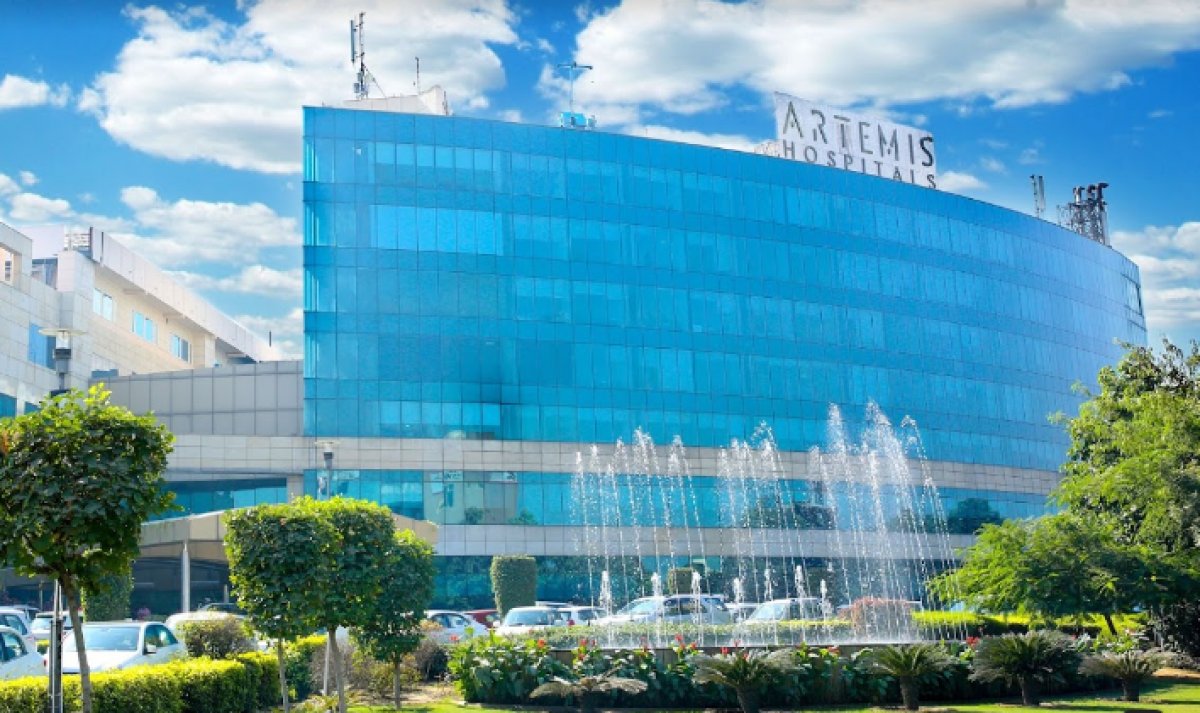
Artemis Hospital Gurgaon
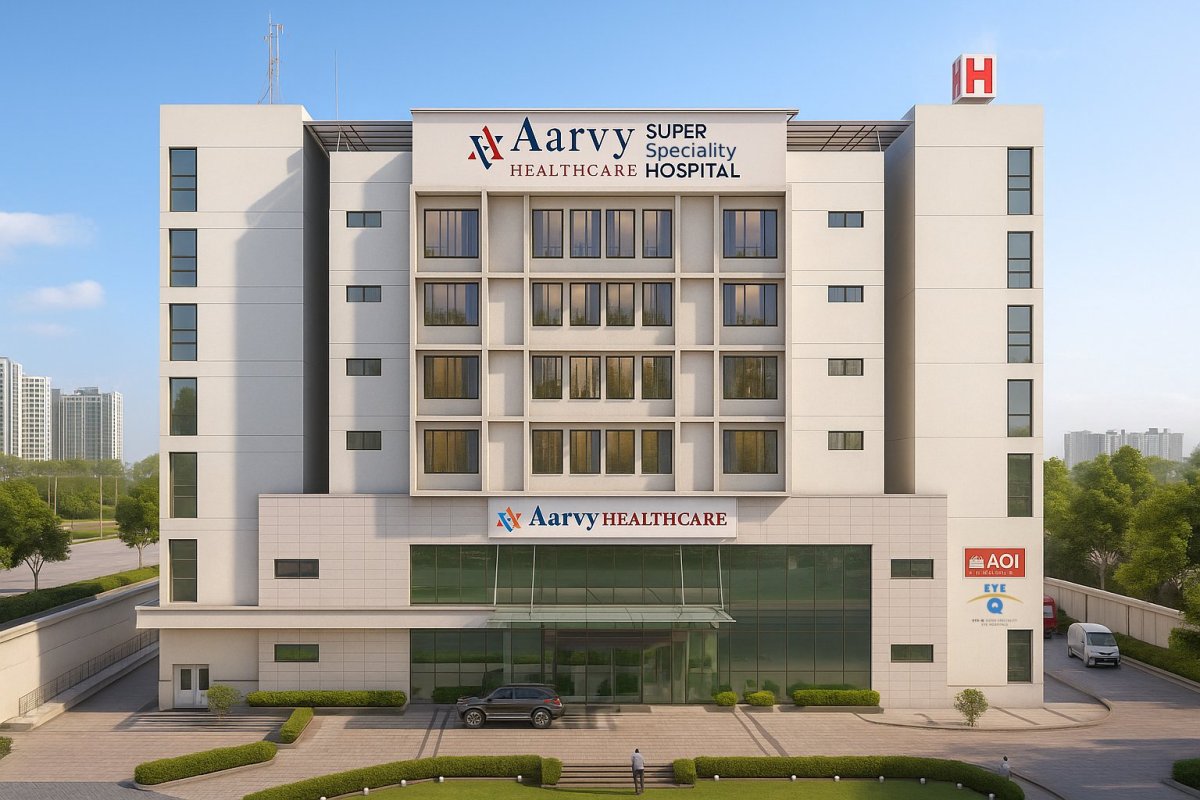
Aarvy Healthcare Super Speciality Hospital
مشاركة المحتوى
قصص فيديو من مرضى Bookimed
 Anna Leonova
أسئلة متكررة حول علاج كيس الكلى في الهند
هل تتطلب جميع كيسات الكلى علاجاً؟
معظم كيسات الكلى غير ضارة ولا تتطلب علاجاً. الكيسات البسيطة هي أكياس شائعة مملوءة بالسوائل نادراً ما تسبب أعراضاً. التدخل الطبي ضروري فقط إذا نمت الكيسة بشكل كبير، أو سببت ألماً، أو أصبحت ملتهبة، أو أظهرت سمات معقدة مشبوهة بالخباثة أثناء التصوير التشخيصي.
- الكيسات البسيطة: أكياس ملساء رقيقة الجدران تتطلب عادةً مراقبة دورية بالموجات فوق الصوتية فقط.
- الكيسات المعقدة: أشكال غير منتظمة أو جدران سميكة تتطلب تقييماً عبر نظام تصنيف بوسنياك.
- محفزات الأعراض: يبدأ العلاج إذا تسببت الكيسات في آلام الظهر، أو ارتفاع ضغط الدم، أو بيلة دموية.
- الخيارات الجراحية: العلاج بالتصليب طفيف التوغل أو الجراحة بالمنظار لإزالة الكيسات الكبيرة أو الإشكالية.
رؤية خبير Bookimed: أصبحت الهند مركزاً عالمياً لرعاية الكلى، حيث تحتل المرتبة الثالثة في شبكتنا لطلبات المرضى. تتعامل مرافق مثل مستشفى جلوبال في تشيناي ومستشفى أبولو إندرابراستا مع أكثر من 1,000,000 مريض سنوياً. في حين يشعر العديد من المرضى بالقلق بشأن النتائج العرضية، تفيد هذه المراكز الكبرى أن مختبرات التشخيص ذات الحجم الكبير غالباً ما تمنع العمليات الجراحية غير الضرورية. إنهم يركزون على تحديد مرحلة بوسنياك بدقة قبل التوصية بأي إجراءات جراحية.
إجماع المرضى: يلاحظ المرضى أن تلقي تشخيص عرضي للكيسة غالباً ما يسبب قلقاً غير ضروري. ويؤكدون أن قيام طبيب مسالك بولية متخصص بمراجعة الصياغة المحددة لتقارير التصوير هو الخطوة الأكثر أهمية.
ما هي الأعراض التي تشير إلى أن كيس الكلى يحتاج إلى تدخل طبي؟
تتطلب أكياس الكلى تدخلاً طبياً عندما تسبب ألماً مستمراً في الخاصرة، أو دماً مرئياً في البول، أو حمى متكررة. في حين أن الأكياس البسيطة غالباً ما تكون بدون أعراض، إلا أن الأكياس الكبيرة أو المعقدة قد تعيق تدفق البول. تتطلب مثل هذه الحالات تقييماً متخصصاً في مراكز معتمدة مثل مستشفيات أرتميس (Artemis Hospitals) أو مستشفيات مانيبال (Manipal Hospitals).
- الألم المستمر: غالباً ما يشير الألم الخفيف أو الحاد في الخاصرة إلى تمزق الكيس أو ضغط على العضو.
- تغيرات البول: وجود دم في البول أو بول بلون الشاي يشير إلى تسرب أو انفجار كيس.
- العدوى الجهازية: قد تشير الحمى الشديدة والقشعريرة إلى وجود كيس مصاب بالعدوى يتطلب تصريفاً فورياً.
- ارتفاع ضغط الدم: قد يحدث ارتفاع جديد في ضغط الدم إذا كان الكيس يضغط على أنسجة الكلى.
- الميزات المعقدة: تتطلب الأكياس ذات الجدران السميكة أو الأجزاء الصلبة في الأشعة المقطعية مراجعة جراحية.
رؤية خبير Bookimed: تشير بيانات حجم المرضى إلى أن المرافق الهندية الرائدة مثل مستشفيات أبولو (Apollo Hospitals) ومستشفى جلوبال تشيناي (Global Hospital Chennai) تعالج أكثر من 1,000,000 مريض سنوياً. غالباً ما تجمع هذه المراكز ذات السعة العالية بين التشخيصات المتقدمة مثل المسرعات الخطية بدقة 1 مم والأنظمة الروبوتية دافنشي (Da Vinci). تسمح هذه البنية التحتية للمتخصصين بالتمييز بين الأكياس الحميدة البسيطة وحالات بوسنياك (Bosniak) 3 أو 4 المعقدة التي تحاكي الأورام الخبيثة.
إجماع المرضى: يلاحظ المرضى
ما هو حجم كيس الكلى الذي يعتبر خطيراً؟
تعتبر أكياس الكلى عموماً خطيرة عندما يتجاوز حجمها 5 سنتيمترات أو تظهر سمات هيكلية معقدة. عادة ما تكون الأكياس البسيطة المليئة بالسوائل حميدة. ومع ذلك، فإن الحجم المقترن بجدران سميكة أو تكلسات أو مكونات صلبة يزيد بشكل كبير من خطر الإصابة بالخباثة أو تلف الأعضاء.
- عتبة الحجم: قد تسبب الأكياس التي يزيد حجمها عن 5 سنتيمترات ألماً أو تمزقاً أو انسداداً في المسالك البولية.
- خطر الإصابة بالخباثة: تتطلب أكياس الفئة الثالثة والرابعة حسب تصنيف بوسنياك (Bosniak) الاستئصال الجراحي بسبب خطر الإصابة بالسرطان.
- المضاعفات الجسدية: يمكن أن تسبب الأكياس الكبيرة عدوى وحمى ووجود دم في البول.
- وظائف الكلى: يمكن أن يؤدي الضغط الشديد الناتج عن الأكياس الضخمة إلى فقدان الأنسجة الموضعية.
رؤية خبير Bookimed: تعتبر مؤشرات الجودة لعلاج الكلى في الهند استثنائية في المراكز المتخصصة. تتعامل مستشفيات مانيبال (Manipal Hospitals) ومستشفى أبولو إندرابراستا (Apollo Hospital Indraprastha) مع أكثر من 1,000,000 مريض سنوياً لكل منهما. يضمن هذا الحجم الكبير مواجهة الجراحين لحالات بوسنياك المعقدة يومياً. أجرى مستشفى جلوبال تشيناي (Global Hospital Chennai) أول عملية زراعة قلب وكلى مشتركة في الهند. هذا العمق في الخبرة حيوي للأكياس التي تتطلب جراحة روبوتية أو طفيفة التوغل معقدة.
إجماع المرضى: يشير المرضى إلى أن الشعور بالضغط أو ألم الخاصرة غالباً ما يكون أكثر إثارة للقلق من القياس الفعلي. ويؤكدون على أهمية السؤال عن فئة بوسنياك بعد الفحص لفهم ما إذا كان الكيس ب
ما هي العلاجات غير الجراحية المتاحة لأكياس الكلى؟
تشمل العلاجات غير الجراحية لأكياس الكلى المراقبة النشطة، والشفط عن طريق الجلد، وتصلب الأنسجة (Sclerotherapy). يستخدم الأطباء التصوير مثل الأشعة المقطعية أو الموجات فوق الصوتية لمتابعة الأكياس البسيطة. إذا ظهرت أعراض، يقوم المتخصصون بإجراء شفط بالإبرة لتصريف السوائل. تمنع عملية تصلب الأنسجة الكيس من الامتلاء مرة أخرى عن طريق ندب الأنسجة.
- المراقبة النشطة: غالبًا ما تتطلب الأكياس البسيطة إجراء موجات فوق صوتية أو أشعة مقطعية دورية دون تدخل.
- الشفط بالإبرة: يقوم أطباء الأشعة التداخلية بتصريف السوائل تحت التخدير الموضعي كإجراء خارجي.
- تصلب الأنسجة: حقن محلول كحولي في الكيس الفارغ يمنع تراكم السوائل مرة أخرى.
- الأدوية الجهازية: قد يصف الأطباء عقار تولفابتان (tolvaptan) لإبطاء نمو الأكياس في الحالات الوراثية.
رؤية خبير Bookimed: يُظهر تحليل البنية التحتية السريرية في الهند تركيزًا عاليًا للأقسام المتخصصة، مثل أكثر من 60 قسمًا في مستشفيات مانيبال. وهذا يسمح باستشارة متبادلة سلسة بين أطباء الكلى وأطباء الأشعة التداخلية لإجراء الشفط. تستخدم مرافق مثل معهد الدكتور ريلا (Dr. Rela Institute) فحوصات PET-CT للتمييز بدقة عالية بين الأكياس البسيطة وتلك التي تتطلب تدخلًا.
إجماع المرضى: يشير المرضى إلى أن الانتظار اليقظ أمر شائع، لكنهم يؤكدون على أهمية الاحتفاظ بتقارير تصوير مفصلة لكل فحص. يختار الكثيرون السؤال عن الجمع بين الشفط وتصلب الأنسجة لتقليل فرص امتلاء الكيس مرة أخرى بشكل خاص.
متى تكون الجراحة ضرورية، وكيف يتم إجراؤها في الهند؟
تعتبر جراحة كيسات الكلى في الهند ضرورية إذا أصبحت الكيسة مصحوبة بأعراض، مما يسبب ألماً مزمناً أو عدوى أو انسداداً. يوصي المتخصصون بالتدخل عندما تكشف الصور التشخيصية عن ميزات معقدة أو نمو سريع. تستخدم المستشفيات الهندية بشكل أساسي تنظير البطن طفيف التوغل لإزالة جدار الكيسة ومنع تكرارها.
- دواعي الجراحة: الكيسات الكبيرة التي تسبب ألماً مستمراً أو ارتفاع ضغط الدم أو انسداد المسالك البولية تتطلب إزالتها.
- التعقيد التشخيصي: الكيسات المعقدة التي تظهر جدران غير منتظمة أو تكلسات في فحوصات PET-CT تتطلب استكشافاً جراحياً.
- التقنية الجراحية: يعتبر تنظير البطن (deroofing) هو المعيار، حيث يستخدم شقوقاً صغيرة لتعافي جسدي أسرع.
- معايير المرافق: يتم إجراء العمليات في مراكز معتمدة من JCI مثل Apollo أو Artemis باستخدام أنظمة روبوتية.
رؤية خبير Bookimed: بينما يعتقد الكثيرون أن المرافق الكبيرة متطابقة، تظهر بياناتنا أن المراكز المتخصصة مثل مستشفى Global Hospital في تشيناي ومومباي هي الرائدة في حالات الكلى المعقدة. لقد كانوا رواداً في عمليات زراعة القلب والكلى وزراعة الكلى والكبد المشتركة. هذه الخبرة الكبيرة في جراحة الأعضاء المتعددة تترجم إلى نتائج متفوقة لعمليات إزالة الكيسات القياسية. يجب على المرضى إعطاء الأولوية لهذه المراكز التي تركز على الزراعة في حالات الكيسات المعقدة أو المتكررة.
إجماع المرضى: يشير المرضى إلى أنه من المهم التأكد مما إذا كان الألم ناتجاً حقاً عن الكيسة قبل الجراحة. يؤكد الكثيرون أن اختيار تنظير البطن بدلاً من الت