علاج الرعاش مجهول السبب في إسرائيل — احصل على 3 عيادات مختارة خصيصاً لك


تمت مراجعة المقالة طبيا من قبل
فهد مولود
كيف نعمل؟
ما هي تكلفة الرعاش مجهول السبب إجراءات التشخيص والعلاج في إسرائيل؟ اعرف الآن
تختلف التكلفة الإجمالية لعلاج الرعاش الأساسي في إسرائيل اعتمادًا على الإجراءات والتقييمات المحددة المطلوبة. يمكن أن تتراوح تكلفة التقييم الأولي وخيارات العلاج الأساسية من $1,200 إلى $3,600. أما خطط العلاج المتقدمة، التي قد تشمل إجراءات مثل الجراحة بالموجات فوق الصوتية المركزة، فقد تتراوح من $28,000 إلى $35,000. يتم تحديد خطة العلاج النهائية والتكاليف بعد تقييم شامل من قبل الأخصائيين، مع مراعاة جميع الفحوصات الطبية والتقارير المقدمة من المريض.
| إسرائيل | تركيا | إسبانيا | |
|---|---|---|---|
| فحص بالموجات فوق الصوتية الموجهة بالرنين المغناطيسي (MRgFUS) | ≈ $9,000 | من $15,800 | من $39,300 |
| جراحة التحفيز العميق للدماغ | من $19,000 | من $22,100 | من $64,700 |
| العلاج الدوائي للهزة الأساسية | ≈ $650 | من $100 | ≈ $450 |
اكتشف أفضل الرعاش مجهول السبب العيادات في إسرائيل: 5 خيارات معتمدة والأسعار





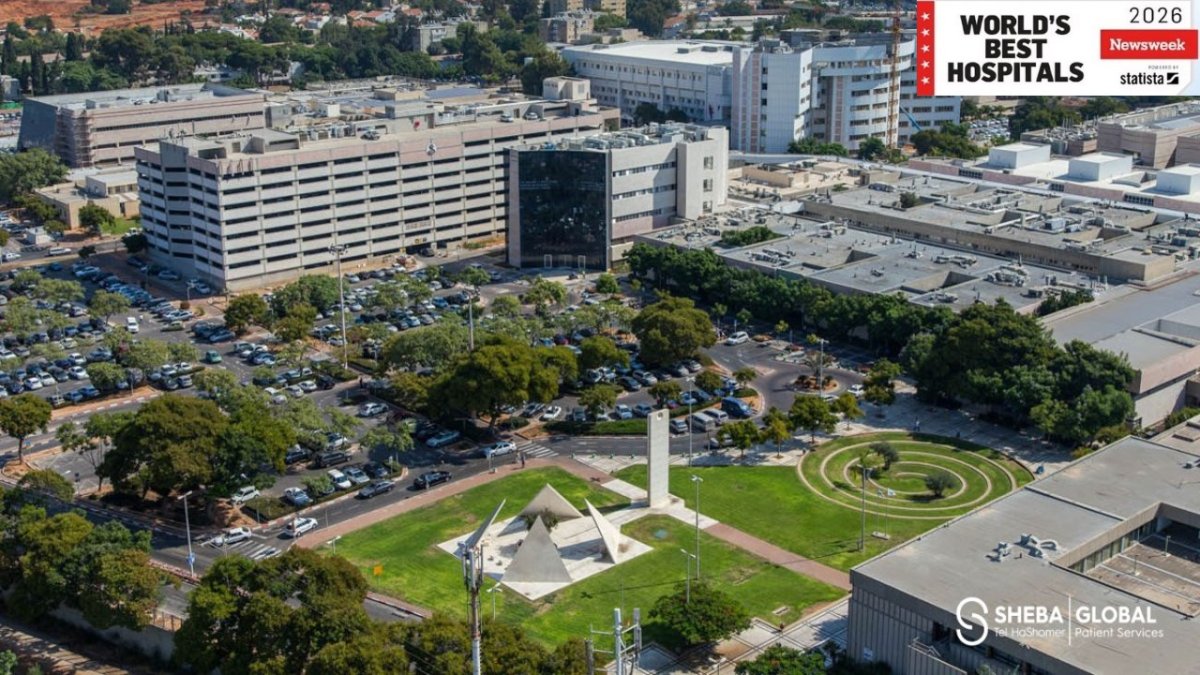





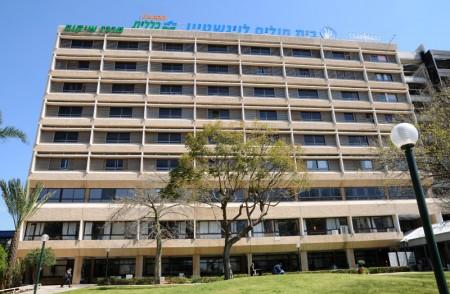
Loewenstein hospital Rehabilitation center
احصل على تقييم طبي لـ في إسرائيل. استشر الآن 7 أطباء ذوي الخبرة.
عرض جميع الأطباء
Rotstein Michael
يتخصص الدكتور روتشتاين في طب أعصاب الأطفال، مع التركيز على الرعاش الأساسي لدى الأطفال في مركز تل أبيب سوراسكي الطبي.
- تدرب في الجامعة العبرية ومركز جامعة كولومبيا الطبي
- خبرة في مستشفى دانا للأطفال ومركز تل أبيب سوراسكي الطبي
- متخصص في اضطرابات الجهاز العصبي بما في ذلك الصرع والتهاب الدماغ

Uri Kramer
البروفيسور كرامر هو طبيب أعصاب رائد متخصص في الصرع، وقد عالج أكثر من 7000 طفل. لديه أكثر من 57 سنة من الخبرة السريرية.
- مدير خدمة صرع الأطفال في مركز تل أبيب سوراسكي الطبي
- طور نظام إنذار مبتكر للكشف عن النوبات لدى الأطفال
- حاصل على زمالة في صرع الأطفال من مستشفى بوسطن للأطفال
- مؤلف لأكثر من 160 ورقة علمية في طب أعصاب الأطفال
- يقود تجارب سريرية على القنب الطبي لعلاج الصرع الحاد

Nir Giladi
البروفيسور نير جيلادي هو أحد كبار أطباء الأعصاب في إسرائيل ولديه خبرة 43 سنة، وهو متخصص في اضطرابات الحركة مثل الرعاش الأساسي في مركز سوراسكي الطبي.
- رئيس وحدة الأعصاب في مركز سوراسكي الطبي منذ عام 2007
- يتعاون مع مؤسسة مايكل جي فوكس في أبحاث مرض باركنسون
- نشر أكثر من 200 ورقة بحثية حول الاضطرابات العصبية
- زمالة في اضطرابات الحركة في جامعة كولومبيا
- حاصل على جوائز التميز في التدريس والرعاية الطبية

Achinoam Sohar
تتخصص الدكتورة أخينوام زوهار في الرعاش الأساسي في مركز سوراسكي الطبي، وهو مرفق رائد في طب الأعصاب.
- طبيبة أعصاب وأخصائية في اضطرابات الحركة
- عضو في فريق طب الأعصاب في مركز تل أبيب سوراسكي الطبي
- مقرها في تل أبيب، إسرائيل
مشاركة المحتوى
قصص فيديو من مرضى Bookimed
 Anna Leonova
أسئلة متكررة حول علاج الرعاش مجهول السبب في إسرائيل
ما هي معدلات النجاح والنتائج المتوقعة للموجات فوق الصوتية المركزة الموجهة بالرنين المغناطيسي (MRgFUS) لعلاج الرعاش الأساسي في إسرائيل؟
تُبلغ العيادات في إسرائيل عن معدلات نجاح تتراوح بين 80% و92% لتخفيف الأعراض بشكل كبير باستخدام الموجات فوق الصوتية المركزة الموجهة بالرنين المغناطيسي. يعاني معظم المرضى من انخفاض بنسبة 70% إلى 73% في شدة الرعاش. يوفر هذا الإجراء غير الجراحي راحة فورية في اليد المعالجة دون الحاجة إلى شقوق جراحية.
- التحسن السريري: يُبلغ مركز شيبا الطبي عن تحسن سريري لدى 92% من المرضى الذين تم علاجهم.
- النتائج المستدامة: تُظهر الدراسات الطولية أن انخفاض الرعاش يظل مستقراً عادةً لمدة 5 سنوات على الأقل.
- حجم العلاج: أجرى جراحو الأعصاب الإسرائيليون أكثر من 500 إجراء باستخدام تقنية Insightec عالية الدقة.
- الآثار الجانبية الشائعة: يعاني حوالي 14% من المرضى من خدر مؤقت، ويبلغ 9% عن اضطرابات في المشي.
رؤية خبير Bookimed: بينما يركز الكثيرون على النتائج الفورية، تُظهر بياناتنا أن المراكز الإسرائيلية مثل شيبا وسوراسكي هي مراكز رئيسية ذات حجم كبير، حيث تعالج آلاف المرضى الدوليين سنوياً. اختيار هذه المؤسسات المعتمدة من قبل JCI يضمن الوصول إلى جراحي الأعصاب الذين ساهموا في التطوير المبكر لهذه التقنية. بالنسبة للمرضى الذين يبحثون عن نتائج قابلة للتعديل، تقدم بعض المراكز أيضاً باقات التحفيز العميق للدماغ تبدأ من حوالي 50,000 دولار.
إجماع المرضى: يجد المرضى العلاج غير مريح ولكنه محتمل، ويلاحظون أن انخفاض الرعاش مرئي على الفور تقريباً. ويؤكدون على أهمية مناقشة ما إذا كان سيتم علاج جانب واحد أو كلا الجانبين، حيث يتم إجراء العملية عادةً من جانب واحد.
كيف يقارن الموجات فوق الصوتية المركزة الموجهة بالرنين المغناطيسي (MRgFUS) بالخيارات الجراحية التقليدية للرعاش الأساسي؟
الموجات فوق الصوتية المركزة الموجهة بالرنين المغناطيسي (MRgFUS) هي علاج غير جراحي وبدون شقوق للرعاش الأساسي. تستخدم موجات صوتية عالية الكثافة لإنشاء آفة دائمة دون الحاجة إلى حفر الجمجمة. يختلف هذا عن التحفيز العميق للدماغ (DBS)، الذي يتطلب غرسات جراحية ولكنه يوفر علاجًا قابلاً للتعديل وعكسيًا لأعراض اليدين الثنائية.
- التوغل: لا يتطلب MRgFUS أي شقوق، على عكس جراحة التحفيز العميق للدماغ (DBS) التقليدية.
- وقت التعافي: غالبًا ما يعود مرضى MRgFUS إلى منازلهم في نفس اليوم؛ بينما يتطلب DBS إقامة في المستشفى لعدة أيام.
- العلاج الثنائي: يعالج DBS عادةً كلتا اليدين؛ بينما يتم إجراء MRgFUS عادةً على جانب واحد.
- معدلات النجاح: تشير المراكز الإسرائيلية إلى انخفاض في الرعاش بنسبة 78% تقريبًا مع MRgFUS بعد عام واحد.
رؤية خبير Bookimed: بينما يركز معظم المرضى على الطبيعة غير الجراحية لـ MRgFUS، تظهر بياناتنا ميزة لوجستية في إسرائيل. توفر المراكز الكبرى مثل مركز شيبا الطبي ومركز سوراسكي الطبي وصولاً مبسطًا للمسافرين الدوليين. على سبيل المثال، تشمل باقات DBS في شيبا 4 ليالٍ في المستشفى، بينما غالبًا ما يكون MRgFUS إجراءً خارجيًا. وهذا يقلل بشكل كبير من إجمالي وقت السفر للمرضى القادمين من الخارج.
إجماع المرضى: غالبًا ما يصف المرضى MRgFUS بأنه تغيير جذري لأنهم يستطيعون العودة إلى الأنشطة اليومية على الفور تقريبًا. يشير الكثيرون إلى أن تجنب الأسلاك والصيانة الدورية للبطارية في DBS كان السبب الرئيسي لاختيارهم العلاج بالموجات فوق الصوتية.<
ما هي المستشفيات والمراكز متعددة التخصصات الإسرائيلية التي تتمتع بأعلى خبرة في علاج الرعاش الأساسي؟
يعد مركز شيبا الطبي ومركز سوراسكي الطبي المؤسستين الرائدتين في إسرائيل لعلاج الرعاش الأساسي. هذه المرافق المعتمدة من قبل اللجنة الدولية المشتركة (JCI) هي الرائدة عالمياً في مجال الموجات فوق الصوتية المركزة الموجهة بالرنين المغناطيسي والتحفيز العميق للدماغ. وهي تستضيف وحدات متخصصة لاضطرابات الحركة تعالج آلاف المرضى الدوليين بمعدلات نجاح عالية.
- تكنولوجيا متخصصة: تستخدم المراكز الموجات فوق الصوتية المركزة الموجهة بالرنين المغناطيسي للقضاء على الرعاش بدون شقوق جراحية.
- دقة روبوتية: يستخدم مركز سوراسكي الطبي نظام الروبوت ROSA للتحفيز العميق للدماغ (DBS).
- قيادة خبيرة: يتمتع البروفيسور نير جيلادي في سوراسكي بخبرة تزيد عن 30 عاماً.
- حجم العمل السريري: يعالج مركز شيبا الطبي حوالي 2700 مريض باضطرابات الحركة سنوياً.
رؤية خبراء Bookimed: بينما يحتل مركز شيبا الطبي المرتبة السابعة عالمياً، غالباً ما يقدم مركز سوراسكي الطبي قيمة حزمة أكثر شمولاً لعلاجات الرعاش الجراحية. تشمل باقات التحفيز العميق للدماغ لديهم، والتي يبلغ سعرها حوالي 58,300 دولار، غرفاً خاصة وخدمات نقل. في المقابل، غالباً ما تستثني باقات شيبا التي تقترب من 50,000 دولار الإقامة المحلية والنقل، وهما أمران حاسمان للتعافي.
إجماع المرضى: غالباً ما يسلط المرضى الضوء على الراحة الفورية من الرعاش بعد إجراءات الموجات فوق الصوتية غير الجراحية. ويشير الكثيرون إلى أن وجود جراحي أعصاب ذوي خبرة عالية مثل البروفيسور إسحاق فريد يوفر راحة بال كبيرة أثناء تخطيط الدماغ المعقد.
من هم كبار أطباء الأعصاب وجراحي الأعصاب الذين يعالجون الرعاش الأساسي في إسرائيل؟
من بين كبار أطباء الأعصاب وجراحي الأعصاب في إسرائيل لعلاج الرعاش الأساسي الدكتورة إيلانا شليزنجر، والبروفيسور إيدو شتراوس، والبروفيسور تسفي إسرائيل. يستخدم هؤلاء المتخصصون الموجات فوق الصوتية المركزة الموجهة بالرنين المغناطيسي والتحفيز العميق للدماغ في مرافق معتمدة من قبل اللجنة الدولية المشتركة (JCI). تحافظ المراكز الإسرائيلية على معدلات نجاح عالية للحالات المقاومة للأدوية من خلال تقنيات الدقة هذه.
- الدكتورة إيلانا شليزنجر: طبيبة أعصاب في مركز رامبام الطبي متخصصة في علاج الموجات فوق الصوتية المركزة الموجهة بالرنين المغناطيسي غير الجراحي.
- البروفيسور إيدو شتراوس: جراح أعصاب في مركز سوراسكي الطبي يقود برامج التحفيز العميق للدماغ عالية الدقة.
- البروفيسور تسفي إسرائيل: جراح أعصاب وظيفي مشهور في مركز هداسا الطبي وخبير في زراعة الأقطاب الكهربائية.
- البروفيسور نير جيلادي: طبيب أعصاب أول في مركز سوراسكي الطبي يتمتع بخبرة تزيد عن 40 عاماً.
رؤية خبير Bookimed: بينما يختار الكثيرون المراكز العامة لسمعتها، تظهر البيانات أن مركز شيبا الطبي يخدم أكثر من 2 مليون مريض سنوياً. يضمن هذا الحجم الكبير عبر 159 قسماً دعماً متعدد التخصصات. على سبيل المثال، تستفيد حالات الرعاش المعقدة من البنية التحتية المعتمدة من JCI في شيبا وخبرة 200 طبيب مدرجين في قائمة فوربس.
إجماع المرضى: يشير المرضى إلى أنه من المهم اختيار متخصص بناءً على نوع الإجراء المحدد. ويؤكدون أن الرعاية متعددة التخصصات في مراكز مثل سوراسكي أو رامبام توفر راحة كبيرة أثناء علاجا
ماذا يحدث أثناء التعافي، ومتى يمكن للسياح الطبيين العودة إلى ديارهم بعد إجراء الموجات فوق الصوتية المركزة في إسرائيل؟
عادة ما يكون التعافي بعد الموجات فوق الصوتية المركزة في إسرائيل سريعاً. يمكن لمعظم السياح الطبيين العودة إلى ديارهم بعد 2 إلى 7 أيام من الإجراء. لا يتطلب هذا العلاج غير الجراحي أي شقوق. غالباً ما يلاحظ المرضى انخفاضاً فورياً في الرعشة. عادة ما يتم الخروج من المستشفى في غضون 24 ساعة بعد فترة مراقبة قصيرة.
- تصريح السفر: غالباً ما تكون الرحلات الجوية قصيرة المدى ممكنة في غضون 2 إلى 3 أيام.
- فترة المراقبة: قد تتطلب المراكز الدولية مثل مركز شيبا الطبي المراقبة لمدة يوم أو يومين.
- زوال الأعراض: عادة ما يزول التنميل المؤقت أو اختلال التوازن في غضون بضعة أسابيع.
- استئناف الأنشطة: يعود معظم المرضى إلى الأنشطة اليومية الخفيفة في غضون 1 إلى 3 أيام.
رؤية خبير Bookimed: غالباً ما تنسق المراكز الإسرائيلية التي تدير أعداداً كبيرة من المرضى، مثل سوراسكي وشيبا، بروتوكولات تعافي متخصصة. في حين أن الباقات القياسية مثل تلك الموجودة في مركز شيبا الطبي تشمل 4 أيام من الاستشفاء للعمليات الجراحية الغازية، فإن مرضى الموجات فوق الصوتية المركزة يحتاجون عادةً إلى وقت أقل بكثير. استراتيجية ذكية هي حجز 7 أيام من الإقامة المحلية. وهذا يسمح بإجراء فحص متابعة قبل السفر لمسافات طويلة.
إجماع المرضى: يشير المرضى إلى أن الراحة مع كمادات الثلج تساعد في إدارة تورم فروة الرأس الأولي. يؤكد الكثيرون أنه على الرغم من شعورهم بالاستعداد للطيران بسرعة، فإن الانتظار لمدة أسبوع كامل ساعدهم في إدارة الدوار المؤقت أثناء رحلة العودة.
ما هم المرضى الذين ليسوا مرشحين للموجات فوق الصوتية المركزة الموجهة بالرنين المغناطيسي في إسرائيل، وما هي علاجات الرعاش البديلة التي تقدمها المراكز الإسرائيلية؟
تستبعد الموجات فوق الصوتية المركزة الموجهة بالرنين المغناطيسي (MRgFUS) في إسرائيل المرضى الذين يعانون من انخفاض نسبة كثافة الجمجمة، أو وجود غرسات معدنية، أو رهاب الأماكن المغلقة الشديد. كما أن الحالات العصبية مثل رعاش التصلب المتعدد غير مؤهلة أيضًا. غالبًا ما ينتقل المرشحون غير المؤهلين إلى التحفيز العميق للدماغ (DBS)، أو العلاج الدوائي المتقدم، أو حقن توكسين البوتولينوم الموجهة في مراكز جراحة الأعصاب الكبرى.
- كثافة الجمجمة: نسبة كثافة الجمجمة (SDR) التي تقل عن 0.40–0.45 تمنع الاختراق الفعال لموجات الموجات فوق الصوتية.
- الغرسات المعدنية: تشكل أجهزة تنظيم ضربات القلب، وأجهزة القوقعة الصناعية، وبعض تقويمات الأسنان مخاطر تسخين بسبب الرنين المغناطيسي.
- صحة الدماغ: الآفات النشطة، أو الأورام، أو التشوهات الوعائية الكبيرة تستبعد المرضى من إجراء MRgFUS.
- بديل DBS: يتضمن التحفيز العميق للدماغ زرع محفز عصبي داخل الجمجمة ووضع أقطاب كهربائية في المهاد.
رؤية خبير Bookimed: غالبًا ما يقوم جراحو الأعصاب الإسرائيليون بتحويل المرضى من MRgFUS إلى التحفيز العميق للدماغ (DBS) إذا كانوا يعانون من رعاش ثنائي الجانب شديد. في حين أن MRgFUS فعال للغاية للتخفيف من جانب واحد، يظل DBS الخيار المفضل في إسرائيل للتحكم طويل الأمد في الحركات الواسعة والمعقدة. تقدم مراكز مثل مركز سوراسكي الطبي ومركز شيبا الطبي باقات DBS شاملة تتراوح بين 50,000 إلى 58,300 دولار، والتي تشمل المحفز العصبي واستشارات المتخصصين.
إجماع المرضى: يؤكد المرضى على أهمية التحقق
هل علاج الموجات فوق الصوتية المركزة للرعاش الأساسي معتمد من قبل الهيئات التنظيمية الدولية ومغطى بالتأمين الخارجي؟
تحمل الموجات فوق الصوتية المركزة للرعاش الأساسي موافقة إدارة الغذاء والدواء الأمريكية (FDA) وعلامة CE الأوروبية للعلاج أحادي وثنائي الجانب. كما أنها معتمدة في إسرائيل واليابان وكندا. تتوفر تغطية التأمين الخارجي من خلال Medicare، وهيئة الخدمات الصحية الوطنية البريطانية (NHS)، ومقدمي الخدمات الخاصين مثل Aetna.
- الولايات المتحدة: معتمدة من FDA للعلاج أحادي الجانب منذ عام 2016 والعلاج ثنائي الجانب المرحلي منذ عام 2023.
- أوروبا: تم منح علامة CE في عام 2012 للمنطقة الاقتصادية الأوروبية والمملكة المتحدة.
- السداد: مغطى من قبل NHS إنجلترا، ووزارة الصحة اليابانية، وMedicare في جميع الولايات الخمسين.
- الوضع في إسرائيل: يتوفر سداد وطني راسخ للمرضى الذين يعانون من الرعاش الأساسي المقاوم للأدوية.
رؤية خبير Bookimed: على الرغم من أن الموجات فوق الصوتية المركزة لديها موافقة تنظيمية واسعة، إلا أن المرضى في المراكز الإسرائيلية ذات الحجم الكبير مثل Sourasky أو Sheba يختارون غالبًا التحفيز العميق للدماغ (DBS) للتحكم طويل الأمد. تُظهر بياناتنا أن أكثر من 700 مريض تم خدمتهم في إسرائيل غالبًا ما يوازنون بين الطبيعة غير الجراحية للموجات فوق الصوتية وتكلفة 50,000 إلى 58,300 دولار لأنظمة DBS المزروعة جراحيًا، والتي توفر تحفيزًا عصبيًا قابلًا للتعديل.
إجماع المرضى: يشير المرضى إلى أن رفض التأمين الأولي أمر شائع. ويؤكدون أن تقديم خطابات مفصلة من أطباء الأعصاب توثق فشل تجارب الأدوية هو الطريقة الأكثر فعالية لتأمين التغطية أو الاستئنافات الناجحة.
لماذا تُعد إسرائيل واحدة من الوجهات الرائدة في جراحة الأعصاب؟
تُعدّ إسرائيل مركزًا رائدًا في جراحة الأعصاب بفضل مزيجها من التطورات الطبية عالية التقنية والخبرات الجراحية المتميزة. وتستخدم مرافق متطورة مثل مركز شيبا الطبي أنظمة ملاحة تعتمد على الذكاء الاصطناعي والتصوير بالرنين المغناطيسي أثناء الجراحة في الوقت الفعلي. وتشير المراكز المتخصصة إلى نسبة نجاح تصل إلى 98% في العمليات الجراحية المعقدة، بما في ذلك جراحة الدماغ مع اليقظة وعلاج اضطرابات الحركة.
- التكنولوجيا المتقدمة: تستخدم العيادات الموجات فوق الصوتية المركزة الموجهة بالرنين المغناطيسي (MRgFUS) والأنظمة الروبوتية لإجراء الشقوق.
- الخبرة الجراحية: يقود جراحون مثل الدكتور تسفي رام جمعيات دولية بخبرة تزيد عن 25 عامًا.
- الوصول السريع: يمكن للمرضى الدوليين عادةً تحديد مواعيد لإجراء عمليات جراحية معقدة في الدماغ أو العمود الفقري في غضون 2-4 أسابيع.
- الرعاية الطبية المعتمدة: المراكز الكبيرة مثل سوراسكي (إيشيلوف) وأسوتا معتمدة من قبل اللجنة الدولية المشتركة، مما يؤكد سلامتها.
رأي خبراء بوكيمد: تُظهر البيانات فرقًا واضحًا بين خيارات العلاج في القطاعين العام والخاص في إسرائيل. تُجري المراكز الخاصة، مثل مركز أسوتا الطبي، أكثر من 92,000 عملية جراحية سنويًا، وتتيح للمرضى اختيار جراح را
ما هي أنواع الأمراض العصبية التي يتم علاجها في إسرائيل؟
يعالج جراحو الأعصاب الإسرائيليون طيفاً واسعاً من الحالات، بدءاً من أورام الدماغ والحبل الشوكي وصولاً إلى الاضطرابات الوظيفية المعقدة. وتستخدم المراكز المتخصصة أحدث التقنيات، مثل جهاز جاما نايف، والتحفيز العميق للدماغ، والتصوير بالرنين المغناطيسي أثناء الجراحة، لتشخيص دقيق للغاية لحالات الصرع، ومرض باركنسون، وأمراض الأوعية الدموية الدماغية.
- الأمراض السرطانية: علاج الأورام الدبقية والأورام السحائية وأورام الغدة النخامية باستخدام استئصال قاعدة الجمجمة.
- الاضطرابات الوظيفية: علاج مرض باركنسون والرعاش الأساسي باستخدام التحفيز العميق للدماغ.
- أمراض العمود الفقري: تصحيح الجنف، وانزلاق الغضروف، وأورام العمود الفقري باستخدام الأنظمة الروبوتية.
- علاج أمراض الأوعية الدموية الدماغية: العلاج الجراحي لتمدد الأوعية الدموية الدماغية والتشوهات الشريانية الوريدية باستخدام التدخلات داخل الأوعية الدموية.
- جراحة الأعصاب للأطفال: رعاية متخصصة لاستسقاء الرأس والتشوهات الخلقية في مراكز طب الأطفال المتخصصة.
رأي خبراء بوكيمد: غالبًا ما تجمع المستشفيات الإسرائيلية بين تخصصات طبية متعددة لمعالجة الحالات المعقدة. ففي مركز سوراسكي ا
ما هي المستشفيات في إسرائيل التي تشتهر بأقسام جراحة الأعصاب فيها؟
تضم إسرائيل مراكز جراحة أعصاب عالمية المستوى، مثل مركز سوراسكي الطبي، ومركز شيبا الطبي، ومركز هداسا الطبي. وتُعدّ هذه المؤسسات رائدة عالميًا في علاج أورام الدماغ المعقدة، وأمراض العمود الفقري، واضطرابات الحركة. وتستخدم أحدث التقنيات، مثل جهاز جاما نايف، والأنظمة الروبوتية، والتصوير بالرنين المغناطيسي أثناء الجراحة.
- سوراسكي (إيخيلوف): يجري أكثر من 2500 عملية جراحية عصبية سنوياً في تل أبيب بنسبة نجاح تبلغ 98%.
- مركز شيبا الطبي: مصنف ضمن أفضل عشرة مستشفيات في العالم، حيث يعالج 1.9 مليون مريض سنوياً.
- مركز هداسا الطبي: مرشح لجائزة نوبل للسلام. رائد في جراحة الأعصاب للأطفال والعلاج الجيني.
- مركز أسوتا الطبي: أكبر منشأة طبية خاصة في إسرائيل. متخصص في جراحات العمود الفقري والدماغ طفيفة التوغل.
- مستشفى شنايدر للأطفال: مركز رائد في جراحة الأعصاب للأطفال، يعالج 275000 طفل سنوياً.
رأي خبراء بوكيمد: تُظهر بياناتنا أنه بينما يلجأ معظم المرضى للعلاج في تل أبيب، يُقدّم مركز رامبام الطبي في حيفا رعايةً فريدةً لإصابات الدماغ. فهو يضم وحدةً متخصصةً للعناية المركزة العصبية تُعالج ما يقارب مليون مريض سنويًا. وهذا ما يجعله