علاج مرض السكري من النوع 2 في كوريا الجنوبية: 6 مستشفيات


تمت مراجعة المقالة طبيا من قبل
فهد مولود
ما هي تكلفة مرض السكري من النوع 2 إجراءات التشخيص والعلاج في كوريا الجنوبية؟ اعرف الآن
تتضمن تكلفة علاج داء السكري من النوع الثاني في جمهورية كوريا عادةً تشخيصات متخصصة مثل قياس طبقة الألياف العصبية للشبكية (RNFL) والتي تتراوح بين $60 و $110، بالإضافة إلى التدخلات الجراحية الأولية. تتراوح تكلفة جراحة التمثيل الغذائي المتقدمة بين $9,500 و $14,000، حيث تعتمد النفقات الإجمالية على مضاعفات المرض ومستوى المستشفى. يمكن للمرضى تحقيق وفورات تتراوح بين 30-50% مقارنة بالولايات المتحدة. تشمل أهم المدن سيول وتشونان.
تكاليف علاج داء السكري من النوع الثاني النموذجية في جمهورية كوريا
- قياس طبقة الألياف العصبية للشبكية (RNFL): $60 – $110
- استشارة طبيب قلب: $50 – $55
- تخطيط كهربية القلب (ECG): من $30
- جراحة التمثيل الغذائي: $9,500 – $14,000
- ربط المعدة: $7,200 – $11,500
- العلاج بالهرمونات البديلة المتطابقة حيوياً (BHRT): $1,200 – $3,000
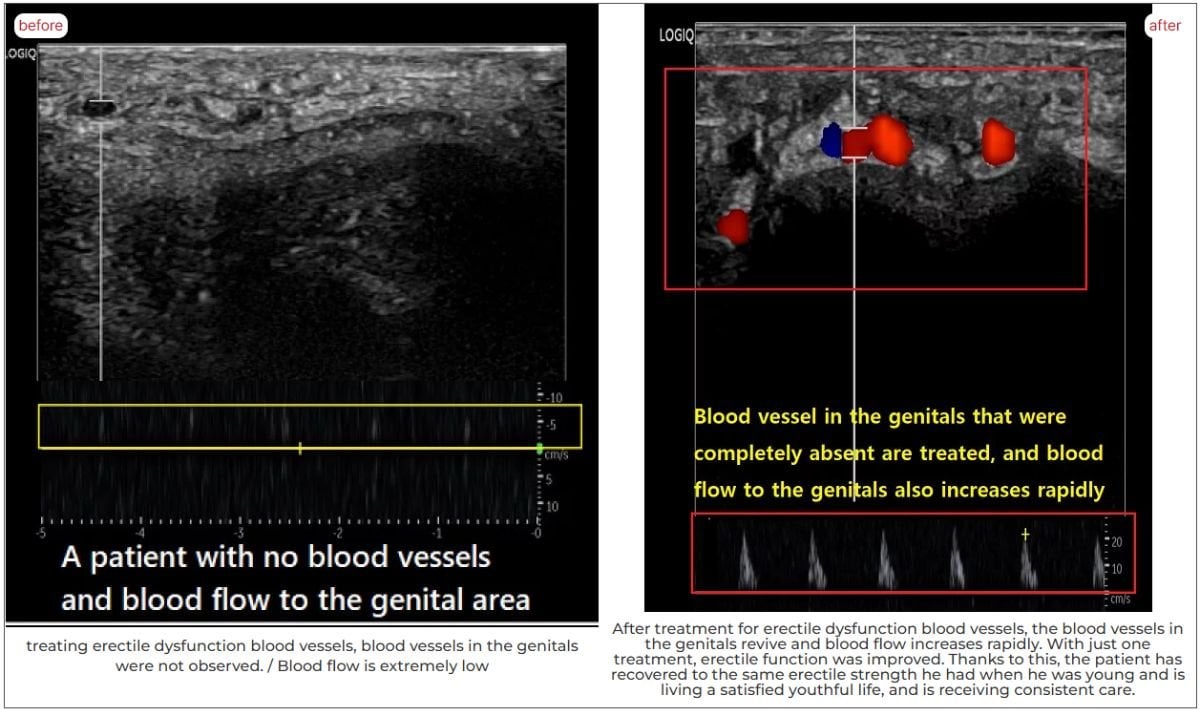
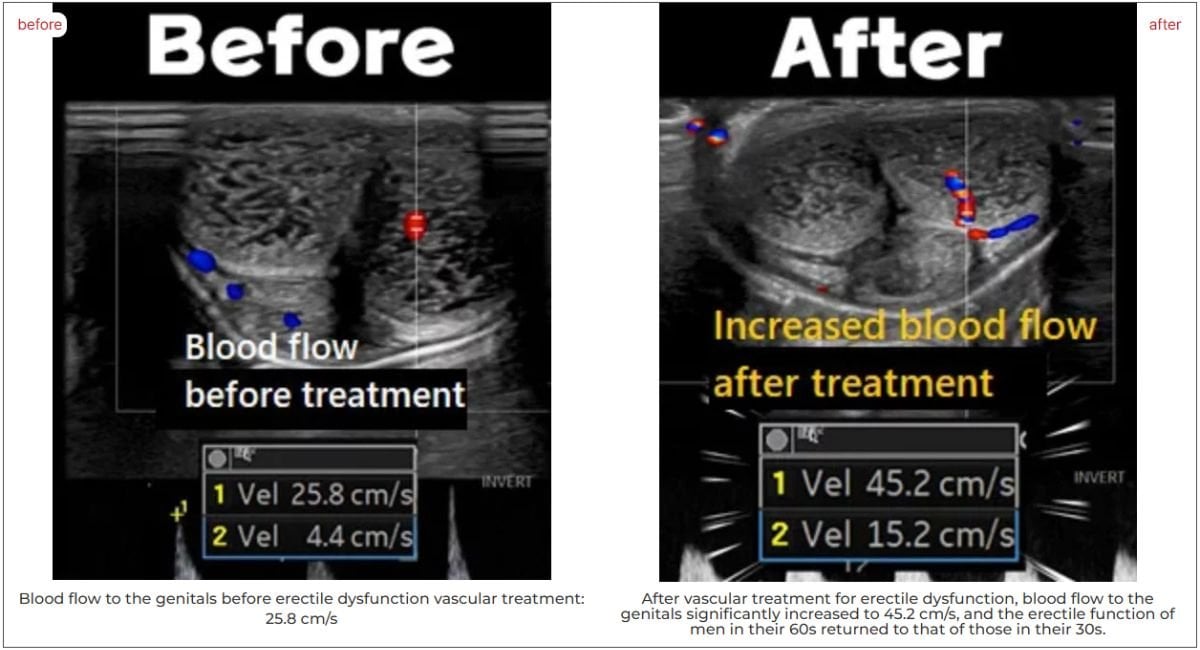
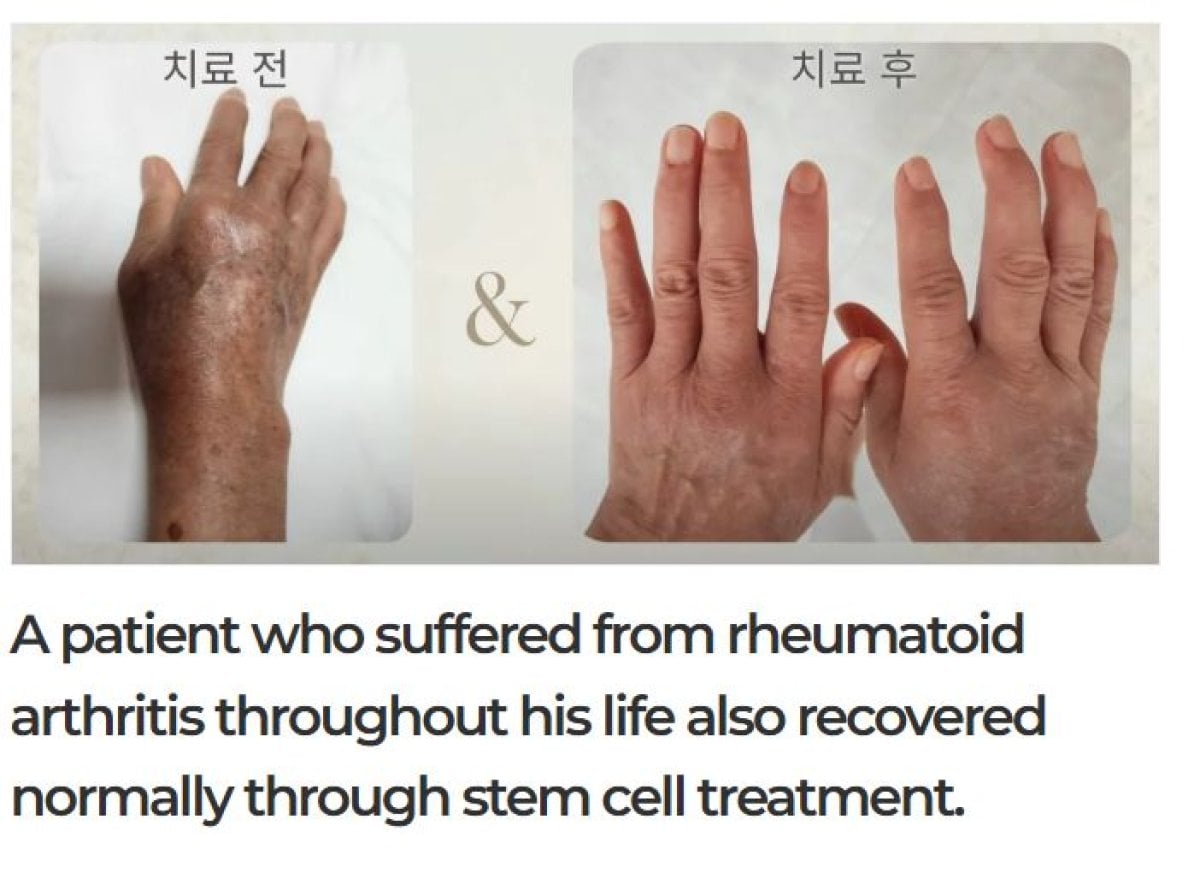
رؤية خبراء Bookimed: بالنسبة للمرضى الذين يعانون من السمنة المفرطة وداء السكري من النوع الثاني، تُعد جراحة التمثيل الغذائي خياراً فعالاً للغاية. يضم مستشفى جامعة سون تشون هيانغ الدكتور يونغجين كيم، وهو "جراح خبير" مشهور عالمياً أجرى أكثر من 2000 عملية جراحية لعلاج السمنة. تستفيد الحالات المتقدمة من الرعاية متعددة التخصصات في المراكز المعتمدة من قبل اللجنة الدولية المشتركة (JCI) مثل مركز آسان الطبي. كما يتوفر علاج الخلايا الجذعية الشريانية المتخصص في RE:YOUTH لتلبية احتياجات المرضى المستهدفة.
| كوريا الجنوبية | تركيا | إسبانيا | |
|---|---|---|---|
| عملية حزام المعدة (انظر. حزام المعدة) | ≈ $7,200 | من $2,800 | من $5,600 |
| علاج الخلايا الجذعية لمرض السكري | ≈ $12,000 | ≈ $6,500 | ≈ $6,500 |
| جراحة الأيض الاستقلابية | ≈ $9,500 | من $4,200 | من $16,800 |
| تحويل Biliopancreatic | ≈ $14,000 | من $6,000 | ≈ $12,500 |
| العلاج بالهرمونات البديلة المتطابقة بيولوجيًا (BHRT) | ≈ $1,200 | من $340 | ≈ $900 |
مزاياك وضماناتك مع Bookimed
أسعار مباشرة
Bookimed لا يضيف رسوماً إضافية على أسعار علاج مرض السكري من النوع 2. الأسعار مأخوذة من قوائم الأسعار الرسمية للعيادات. تدفع مباشرة في العيادة مقابل علاجك عند وصولك إلى البلد.
عيادات وأطباء معتمدون فقط
Bookimed ملتزم بسلامتك. نحن نعمل فقط مع المؤسسات الطبية التي تحافظ على معايير دولية عالية في علاج مرض السكري من النوع 2 ولديها التراخيص اللازمة لخدمة المرضى الدوليين في جميع أنحاء العالم.
مساعدة مجانية على مدار الساعة
Bookimed يقدم مساعدة خبراء مجانية. منسق طبي شخصي يدعمك قبل وأثناء وبعد العلاج، ويحل أي مشاكل. لن تكون وحيداً أبداً في رحلة علاج مرض السكري من النوع 2.

منسقك الطبي الشخصي في Bookimed
- يدعمك في كل مرحلة
- المساعدة في اختيار العيادة الطبية المناسبة والطبيب المناسب
- يضمن الوصول السريع والمريح إلى المعلومات
اكتشف أفضل مرض السكري من النوع 2 العيادات في كوريا الجنوبية: 6 خيارات معتمدة والأسعار
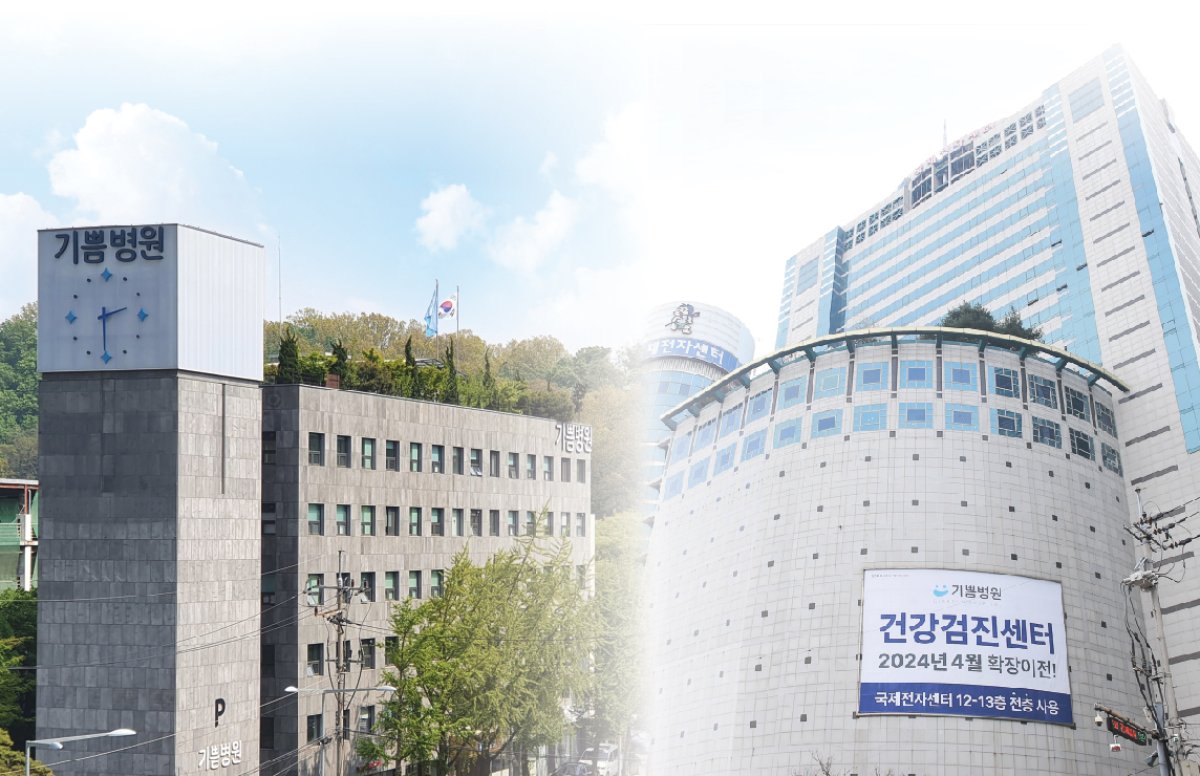












RE:YOUTH (YONSEI BH Arterial Stemcell Clinic)
Byung-hee Lee


احصلوا على تقييم طبي لـ مرض السكري من النوع 2 في كوريا الجنوبية: استشيروا أطباء ذوي خبرة الآن
عرض جميع الأطباء
Kim Yeonsun
الدكتور كيم يونسون أخصائي غدد صماء ورئيس قسم الغدد الصماء في مستشفى نايون. يعالج السكري، وأمراض الغدة الدرقية، ومتلازمة الأيض، وارتفاع الكوليسترول، وهشاشة العظام، وغيرها من اضطرابات الغدد الصماء.
حصل على درجة الطب من كلية الطب بجامعة سيول الوطنية. أنهى تدريب الدراسات العليا في الطب الباطني بجامعة غاتشون، ثم عمل زميلًا سريريًا في الغدد الصماء بمركز سامسونغ الطبي.
شغل سابقًا منصب رئيس قسم الطب الباطني في مستشفى الصليب الأحمر بسيول. كما شغل منصب أستاذ طب الغدد الصماء والتمثيل الغذا
Byung-hee Lee
الدكتور بيونغ-هي لي هو جراح أعصاب في عيادة RE:YOUTH في كوريا الجنوبية. وهو عضو مؤسس في الجمعية الكورية لطب الأعصاب التداخلي. كما ساعد في تأسيس الجمعية الكورية للسكتة الدماغية. يعالج الدكتور لي حالات معقدة مثل مرض باركنسون، ومرض الزهايمر، وتمدد الأوعية الدموية الدماغية.
- نشر 24 أطروحة علمية في مجلات طبية محلية ودولية مفهرسة في SCI.
- قدم أكثر من 50 محاضرة في مؤتمرات طبية حول العالم.
- عضو نشط في الجمعية العالمية للسكتة الدماغية وجمعية السكتة الدماغية الأمريكية.
- يع

Yongjin Kim
أجرى أكثر من 2000 جراحة لعلاج السمنة – تم اختياره مؤخراً كأول "جراح خبير" (Master Surgeon) في كوريا من قبل مؤسسة المراجعة الجراحية الأمريكية (American Surgical Review Corporation).
- أستاذ الجراحة العامة في مستشفى جامعة سون تشون هيانغ
- رئيس مركز جراحة الأيض والسمنة في المستشفى
- خبير في إجراءات تنظير البطن لإنقاص الوزن
- أستاذ زائر في IRCAD تايوان لجراحة الأيض
- عضو الجمعية الكورية لدراسة السمنة
المراجعات
جميع المراجعاتمشاركة المحتوى
قصص فيديو من مرضى Bookimed
 Anna Leonova
أسئلة متكررة حول علاج مرض السكري من النوع 2 في كوريا الجنوبية
ما هو الدواء الأول لعلاج مرض السكري من النوع الثاني في كوريا؟
لطالما كان الميتفورمين العلاج الأساسي لمرض السكري من النوع الثاني في كوريا الجنوبية. ومع ذلك، تُعطي إرشادات الجمعية الكورية للسكري لعام 2025 الأولوية لنهج علاجي فردي. يختار الأطباء الأدوية الأولية، مثل مثبطات SGLT2 أو ناهضات GLP-1، بناءً على صحة القلب ووظائف الكلى ووجود السمنة.
- اختيار الأدوية الذي يركز على المريض: يختار الأطباء الأدوية للعلاج الأولي بناءً على الأمراض المصاحبة المحددة والخصائص السريرية.
- مثبطات SGLT2: غالباً ما يتم وصفها أولاً للمرضى الذين يعانون من قصور القلب أو أمراض الكلى المزمنة.
- مثبطات DPP-4: غالباً ما يفضل استخدامها لدى المرضى الأكبر سناً نظراً لانخفاض خطر نقص السكر في الدم.
- العلاج المركب المبكر: يوصى بالعلاج المزدوج على الفور إذا كان مستوى الهيموجلوبين السكري الأساسي أكبر من 7.5٪.
رأي خبراء بوكيمد: على الرغم من أن الميتفورمين لا يزال العلاج الأساسي، إلا أن بياناتنا تُظهر تحولًا نحو الجراحة الأيضية كعلاج نهائي لمرض السكري من النوع الثاني. وقد أجرى البروفيسور الدكتور يونغجين كيم من مستشفى جامعة سون تشون هيانغ أكثر من 2000 عملية جراحية لعلاج السمنة. ويعكس هذا العدد الكبير من العمليات الجراحية اتجاهًا متزايدًا في سيول، حيث تُركز الخبرة السريرية ع
ما هي الأدوية الجديدة الشائعة لإنقاص الوزن وتحسين صحة القلب لدى مرضى السكري من النوع الثاني؟
تُعدّ مُحفزات مستقبلات GLP-1 ومثبطات SGLT2 من العلاجات الرائدة لإدارة الوزن والحفاظ على صحة القلب والأوعية الدموية لدى مرضى السكري من النوع الثاني. وقد أظهرت خيارات مثل سيماغلوتيد وتيرزيباتيد قدرتها على إنقاص الوزن بنسبة تصل إلى 22.5% مع تقليل خطر الإصابة بأمراض القلب والأوعية الدموية الخطيرة بنسبة 20% في التجارب السريرية.
- ناهضات GLP-1: سيماغلوتيد وتيرزيباتيد تحاكي عمل الهرمونات، مما يقلل الشهية ويحمي الأوعية الدموية القلبية.
- مثبطات SGLT2: تعمل أدوية مثل إمباجليفلوزين على إزالة السكر من الدم عن طريق الكلى وتمنع فشل القلب.
- العلاج المركب: تعمل ناهضات الهرمونات الثلاثية الجديدة والإصدارات الببتيدية الفموية على توسيع نطاق توفر العلاج في جميع أنحاء العالم.
- جراحة التمثيل الغذائي: في الحالات الشديدة، يقوم أخصائيون مثل الدكتور يونغجين كيم بإجراء جراحة السمنة لتحقيق الشفاء.
رأي خبراء بوكيمد: يتميز النظام الصحي في كوريا الجنوبية بمزيج فريد من الخبرات الصيدلانية والجراحية. ورغم شيوع استخدام أدوية GLP-1، فإن العدد الكبير من جراحات التمثيل الغذائي التي تُجرى في مراكز مثل مستشفى جامعة سون تشون هيانغ، حيث أجرى الدكتور يونغجين كيم أكثر من 2000 عملية جراحية، يُظهر تفضيلًا لحلول إن
هل يستطيع الأجانب الحصول بسهولة على الرعاية الطبية لمرض السكري من النوع الثاني في كوريا الجنوبية؟
يتلقى الأجانب علاجًا لمرض السكري من النوع الثاني في كوريا الجنوبية من خلال عيادات دولية متخصصة في مستشفيات جامعية معتمدة من اللجنة الدولية المشتركة (JCI). وتوفر مؤسسات مثل مستشفى سيفرانس ومركز أسان الطبي منسقين وأطباء غدد صماء ناطقين باللغة الإنجليزية. ويُتاح العلاج لجميع فئات المرضى دون قيود، مع العلم أن التكاليف تختلف اختلافًا كبيرًا حسب الموقع والتغطية التأمينية.
- البنية التحتية الطبية: إمكانية الوصول إلى رعاية طبية عالية الجودة في مؤسسات مصنفة من قبل مجلة نيوزويك مثل مستشفى جامعة سيول الوطنية بوندانغ.
- مزايا التأمين: بالنسبة للأفراد المقيمين في البلاد لأكثر من 6 أشهر، يتم تطبيق أسعار مدعومة بموجب التأمين الصحي الوطني الإلزامي.
- العلاجات المتخصصة: تشمل العلاجات المتقدمة العلاج بالخلايا الجذعية الشريانية في مركز RE:YOUTH والجراحة الأيضية.
- توافر التكنولوجيا: تتوفر أجهزة قياس نسبة السكر في الدم ومضخات الأنسولين الحديثة على نطاق واسع في الصيدليات الطبية المعتمدة.
رأي خبراء بوكيمد: على الرغم من أن العديد من المرضى يفضلون المستشفيات الكبيرة متعددة التخصصات مثل مستشفى آسان، الذي يخدم أكثر من 11000 مريض خارجي يوميًا، إلا أن المراكز الأصغر حجمًا والمتخصصة توفر مزايا فريدة.
هل جراحة السمنة ممكنة لمرضى السكري من النوع الثاني في كوريا الجنوبية؟
تُعدّ جراحة السمنة العلاج القياسي لمرض السكري من النوع الثاني في كوريا الجنوبية، ويُشار إليها غالبًا باسم جراحة التمثيل الغذائي. وتُقرّ الإرشادات الصحية الوطنية وهيئة التأمين الصحي الوطنية (NHIS) بإجراءات مثل تحويل مسار المعدة Roux-en-Y وتكميم المعدة للمرضى الذين يزيد مؤشر كتلة الجسم لديهم عن 27.5 كجم/م² ويعانون من مرض السكري غير المُسيطر عليه.
- شروط التأمين: يغطي نظام التأمين الصحي الوطني (NHIS) الجراحة إذا كان مؤشر كتلة الجسم أكبر من 35 أو 30 إذا كانت هناك أمراض مصاحبة مثل مرض السكري.
- معيار الاستبعاد السريري: يوصي الخبراء بالتدخل الجراحي للمرضى المصابين بداء السكري من النوع 2 الذين يبلغ مؤشر كتلة الجسم لديهم 27.5 فقط.
- الإجراءات الرئيسية: غالبًا ما يكون تحويل مسار المعدة هو الطريقة المفضلة لتحقيق تحكم أفضل في نسبة الجلوكوز في الدم على المدى الطويل والشفاء من مرض السكري.
- أفضل المرافق الطبية: تقوم المراكز المعتمدة من قبل اللجنة الدولية المشتركة مثل مركز أسان الطبي ومستشفى سيفرانس بإجراء هذه العمليات الجراحية الأيضية المتقدمة.
رأي خبراء بوكيمد: تُعدّ خبرة الأخصائي العامل الأهم في نجاح جراحة التمثيل الغذائي في كوريا. الدكتور يونغجين كيم من مستشفى جامعة سون تشون هيانغ
ما هي أهداف نمط الحياة التي توصي بها جمعية السكري الكورية لإدارة مرض السكري من النوع الثاني؟
تتضمن توصيات الجمعية الكورية لمرض السكري لعلاج النوع الثاني إنقاص الوزن بنسبة 5% من خلال تقليل السعرات الحرارية اليومية بمقدار 500-750 سعرة حرارية، وممارسة التمارين الهوائية لمدة 150 دقيقة أسبوعيًا. ويركز العلاج على تناول الكربوهيدرات عالية الجودة، والحد من تناول الصوديوم إلى 2300 ملغ، وممارسة تمارين القوة مرتين أسبوعيًا للحفاظ على حساسية الأنسولين ومستوى السكر في الدم.
- فقدان الوزن: يجب أن يكون الهدف من فقدان الوزن للأشخاص الذين يعانون من زيادة الوزن 5% على الأقل من وزن الجسم الأولي.
- التمارين الهوائية: مارس 150 دقيقة من النشاط البدني المعتدل لمدة 3 أيام على الأقل.
- تدريب القوة: لتطوير قوة العضلات، قم بأداء تمارين عالية التأثير مرتين على الأقل في الأسبوع.
- التوصيات الغذائية: اختر الحبوب والخضراوات الغنية بالألياف مع الحد من السكر المضاف والدهون المتحولة.
رأي خبراء بوكيمد: تُؤكد مراكز علاج السمنة في كوريا الجنوبية على أهمية التدخل الجراحي عندما لا تكفي تغييرات نمط الحياة وحدها. وقد أجرى الدكتور يونغجين كيم من مستشفى جامعة سون تشون هيانغ أكثر من 2000 عملية جراحية لعلاج السمنة. ويشير هذا العدد الكبير من العمليات إلى أن الإرشادات السريرية للمرضى الذين يعانون من السمنة ال