علاج مرض السكري من النوع 2 في الولايات المتحدة الامريكيه: 4 مستشفيات


تمت مراجعة المقالة طبيا من قبل
فهد مولود
ما هي تكلفة مرض السكري من النوع 2 إجراءات التشخيص والعلاج في الولايات المتحدة الامريكيه؟ اعرف الآن
تتفاوت تكلفة علاج مرض السكري من النوع الثاني في الولايات المتحدة الأمريكية بشكل كبير، حيث تتراوح تكلفة جراحة التمثيل الغذائي غالبًا بين $18,000 و $30,000. أما التشخيصات الأساسية مثل تخطيط كهربية القلب (ECG) فتتراوح تكلفتها عادةً بين $150 و $400. تعتمد النفقات الإجمالية على روتين الأدوية، والتغطية التأمينية، وإدارة المضاعفات الثانوية. تشمل أهم المراكز الطبية للرعاية المتقدمة نيويورك وماريلاند.
تكاليف علاج مرض السكري من النوع الثاني النموذجية في الولايات المتحدة الأمريكية
- تخطيط كهربية القلب (ECG): $150 – $400
- استشارة طبيب قلب: $350 – $600
- جراحة التمثيل الغذائي: $18,000 – $30,000
- العلاج بالخلايا الجذعية للسكري: $9,000 – $20,000
- ربط المعدة: $9,500 – $16,500
- العلاج بالهرمونات البديلة المتطابقة حيوياً (BHRT): $1,200 – $3,800
رؤية خبراء Bookimed: قد يستفيد المرضى الباحثون عن رعاية مبتكرة من مراكز الطب التجديدي. يوفر مركز متخصصي الخلايا الجذعية في نيويورك (Stem Cell Specialist NY) علاجات متقدمة طفيفة التوغل داخل منشأة خارجية تعتمد على التكنولوجيا. بالنسبة للحالات المعقدة التي تنطوي على مضاعفات صحية ثانوية، تقدم المؤسسات متعددة التخصصات مثل مستشفى جونز هوبكنز إدارة متكاملة. يعد هذا النهج الشامل أمراً حيوياً نظراً لأن المضاعفات تسبب أكثر من 48% من التكاليف الطبية مدى الحياة لمرضى السكري.
| الولايات المتحدة الامريكيه | تركيا | إسبانيا | |
|---|---|---|---|
| عملية حزام المعدة (انظر. حزام المعدة) | ≈ $9,500 | من $2,800 | من $5,600 |
| علاج الخلايا الجذعية لمرض السكري | ≈ $9,000 | ≈ $6,500 | ≈ $6,500 |
| جراحة الأيض الاستقلابية | ≈ $18,000 | من $4,200 | من $16,800 |
| تحويل Biliopancreatic | ≈ $24,000 | من $6,000 | ≈ $12,500 |
| العلاج بالهرمونات البديلة المتطابقة بيولوجيًا (BHRT) | ≈ $1,200 | من $340 | ≈ $900 |
مزاياك وضماناتك مع Bookimed
أسعار مباشرة
Bookimed لا يضيف رسوماً إضافية على أسعار علاج مرض السكري من النوع 2. الأسعار مأخوذة من قوائم الأسعار الرسمية للعيادات. تدفع مباشرة في العيادة مقابل علاجك عند وصولك إلى البلد.
عيادات وأطباء معتمدون فقط
Bookimed ملتزم بسلامتك. نحن نعمل فقط مع المؤسسات الطبية التي تحافظ على معايير دولية عالية في علاج مرض السكري من النوع 2 ولديها التراخيص اللازمة لخدمة المرضى الدوليين في جميع أنحاء العالم.
مساعدة مجانية على مدار الساعة
Bookimed يقدم مساعدة خبراء مجانية. منسق طبي شخصي يدعمك قبل وأثناء وبعد العلاج، ويحل أي مشاكل. لن تكون وحيداً أبداً في رحلة علاج مرض السكري من النوع 2.

منسقك الطبي الشخصي في Bookimed
- يدعمك في كل مرحلة
- المساعدة في اختيار العيادة الطبية المناسبة والطبيب المناسب
- يضمن الوصول السريع والمريح إلى المعلومات
اكتشف أفضل مرض السكري من النوع 2 العيادات في الولايات المتحدة الامريكيه: 4 خيارات معتمدة والأسعار

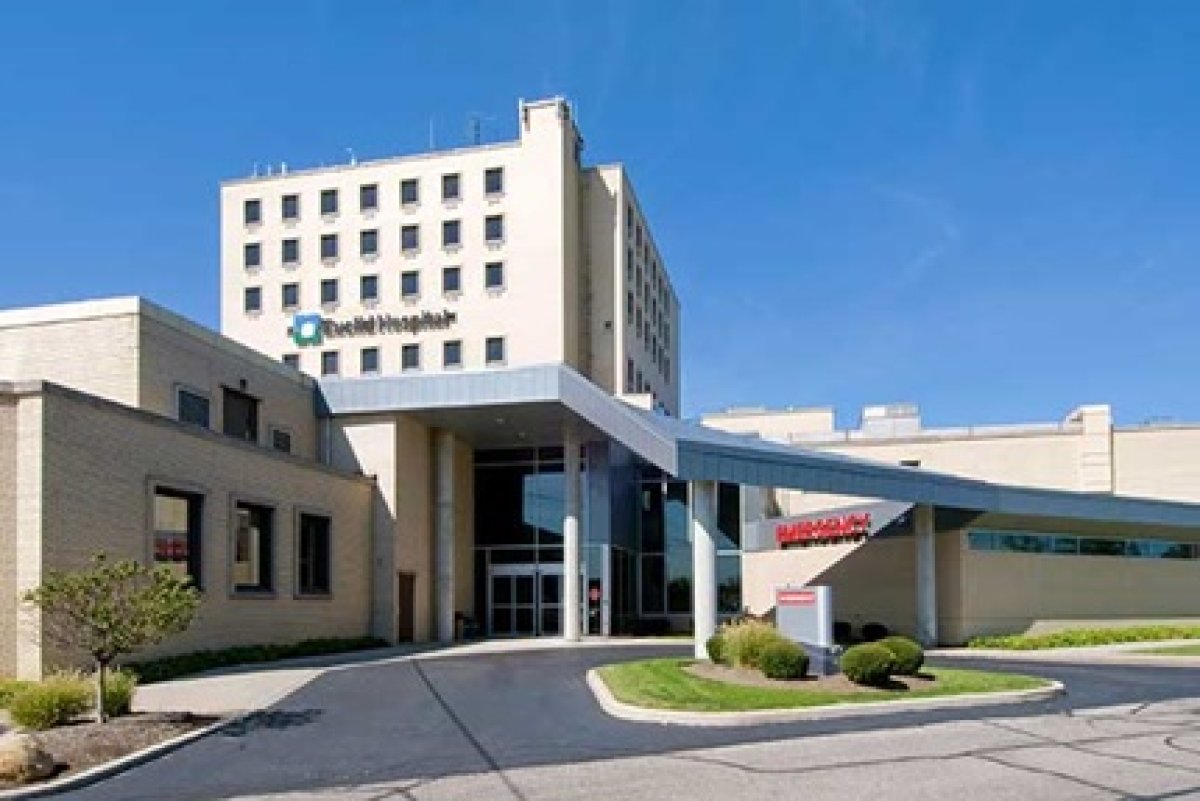





Johns Hopkins Hospital

Memorial Sloan Kettering Cancer Center
مشاركة المحتوى
قصص فيديو من مرضى Bookimed
 Anna Leonova
أسئلة متكررة حول علاج مرض السكري من النوع 2 في الولايات المتحدة الامريكيه
هل يجب أن أتناول الأنسولين لمرض السكري من النوع الثاني؟
لا تحتاج دائمًا إلى الأنسولين لإدارة مرض السكري من النوع الثاني. يتحكم العديد من المرضى في نسبة السكر في الدم من خلال تغييرات نمط الحياة، أو الأدوية الفموية مثل الميتفورمين، أو الحقن غير الأنسولينية. ومع ذلك، يصبح الأنسولين التكميلي ضروريًا إذا توقف البنكرياس عن إنتاج ما يكفي من الهرمون الطبيعي بسبب تطور المرض.
- الأدوية الفموية: يساعد الميتفورمين الجسم على استخدام الأنسولين الخاص به بشكل أكثر فعالية.
- الحقن غير الأنسولينية: تعمل ناهضات مستقبلات GLP-1 مثل أوزمبيك على إدارة السكر ودعم فقدان الوزن.
- تعديلات نمط الحياة: يساعد النشاط البدني المنتظم والأنظمة الغذائية المتوازنة في الحفاظ على مستويات الجلوكوز المستهدفة.
- الخيارات الجراحية: تظل الجراحة الأيضية تدخلًا فعالًا لحالات معينة من مرض السكري من النوع الثاني.
- تطور المرض: يلزم تناول الأنسولين التكميلي إذا ظلت مستويات HbA1c أعلى من الهدف البالغ 7%.
رؤية خبير Bookimed: بينما تركز الرعاية التقليدية على الأدوية، تدمج المراكز متعددة التخصصات مثل مستشفى جونز هوبكنز الأبحاث الأيضية المتخصصة. تشير بياناتنا إلى أن التدخل المبكر بالعلاجات المتقدمة يمكن أن يؤخر بشكل كبير الاعتماد على الأنسولين. غالبًا ما يستفيد المرضى من استشارة مرافق متخصصة في طول العمر أو الطب التجديدي التي تقدم استبدال الهرمونات المتطابقة حيويًا. تهدف هذه الأساليب إلى تحسين الوظيفة الأيضية الطبيعية للجسم قبل أن يصبح الأنسولين ضرورة سريرية.
إجماع المرضى: يؤكد المرضى أن أدوية GLP-1 الحد
ما هي أدوية السكري الأحدث المتاحة في الولايات المتحدة؟
تشمل علاجات السكري المعتمدة من قبل إدارة الغذاء والدواء (FDA) في الولايات المتحدة علاجات من الدرجة الأولى مثل Awiqli (إنسولين إيكوديك) و Mounjaro (تيرزيباتيد). تركز هذه الأدوية على حماية أعضاء متعددة. وهي تستهدف بشكل خاص صحة القلب والكلى مع إدارة نسبة الجلوكوز في الدم. تشمل الخيارات حقنًا أسبوعية ومنبهات GLP-1 الفموية.
- الإنسولين الأسبوعي: Awiqli هو أول إنسولين قاعدي يُعطى مرة واحدة أسبوعيًا للبالغين.
- المنبهات المزدوجة: يستهدف Mounjaro مستقبلات GLP-1 و GIP للتحكم في نسبة السكر في الدم.
- مثبطات SGLT2: يساعد Brenzavvy الكلى على التخلص من الجلوكوز الزائد عن طريق البول.
- GLP-1 الفموي: يقلل Rybelsus من مخاطر القلب والأوعية الدموية مثل النوبات القلبية أو السكتات الدماغية.
رؤية خبير Bookimed: في حين أن العلاج الدوائي هو المعيار، تستكشف بعض المرافق في الولايات المتحدة مثل Stem Cell Specialist NY مناهج تجديدية. يعكس تركيزهم على الصحة وطول العمر اتجاهًا أوسع نحو الرعاية الأيضية الشخصية. يمكن للمرضى الذين يزورون مراكز متعددة التخصصات مثل مستشفى جونز هوبكنز الوصول إلى فحوصات شاملة للكلى والقلب. وهذا يضمن وصف هذه الأدوية الأحدث والأكثر حماية للأعضاء بناءً على مخاطر جهازية محددة.
إجماع المرضى: يشير المرضى إلى أنه على الرغم من أن أدوية مثل Mounjaro تخفض نسبة A1C بشكل كبير، إلا أن نقص الإمدادات وعقبات التأمين شائعة. ينصح الكثيرون بالبدء بجرعات منخفضة للتحكم في الغثيان والبقاء رطبًا لتجنب الآثار الجانبية.
ما هو اختبار A1C، وما الذي يجب أن يكون هدفي؟
يقيس اختبار A1C متوسط مستويات السكر في دمك على مدار 90 يوماً. وهو يتتبع مقدار السكر الذي يرتبط بالهيموجلوبين في خلايا الدم الحمراء. يجب أن يستهدف معظم البالغين المصابين بداء السكري من النوع 2 نتيجة أقل من 7.0%. يساعد هذا الهدف في منع تلف الأعصاب والكلى.
- النطاق الطبيعي: تشير النتائج الأقل من 5.7% إلى مستوى سكر دم صحي وغير مصاب بالسكري.
- نطاق ما قبل السكري: تشير النتيجة بين 5.7% و 6.4% إلى وجود خطر مرتفع.
- تشخيص السكري: يقوم مقدمو الخدمات الطبية بتشخيص مرض السكري عند مستوى مستقر يبلغ 6.5% أو أعلى.
- الأهداف المرنة: قد يستهدف المرضى الأكبر سناً أو أولئك الذين يعانون من مشاكل في القلب نسبة تتراوح بين 7.0% و 8.5%.
رؤية خبير Bookimed: تخدم المؤسسات الأمريكية مثل مستشفى جونز هوبكنز مرضى من 49 ولاية للحصول على رعاية استقلابية معقدة. غالباً ما يتضمن التقييم قياس طبقة الألياف العصبية للشبكية (RNFL) للتحقق من تلف العين المبكر. على الرغم من شيوعها في عيادات نيويورك، تتطلب علاجات مثل الطب التجديدي أو الجراحة الاستقلابية خط أساس لـ A1C. غالباً ما تنخفض مستويات A1C بشكل ملحوظ بعد إجراءات السمنة أو الإجراءات الاستقلابية المتخصصة.
إجماع المرضى: يؤكد المرضى أنه على الرغم من أن هدف 7.0% هو المعيار، فمن المهم تجنب السعي وراء أرقام منخفضة تسبب نوبات دوار خطيرة. يجد الكثيرون أن التوتر أو المرض أو حتى فقر الدم يمكن أن يرفع النتائج مؤقتاً، لذا يقترحون تتبع الاتجاهات اليومية جنباً إلى جنب مع متوسط الثلاثة أشهر.
هل يمكن عكس مرض السكري من النوع الثاني؟
يمكن عكس مرض السكري من النوع الثاني إلى حالة تسمى الهجوع (Remission). يحدث هذا عندما تظل مستويات HbA1c أقل من 6.5% لمدة ثلاثة أشهر دون تناول أدوية. يعد فقدان الوزن الكبير بنسبة 10% إلى 15% هو المحرك الرئيسي لاستعادة وظائف الكبد والبنكرياس الطبيعية.
- تعريف الهجوع: الحفاظ على نسبة السكر في الدم ضمن النطاقات غير السكرية دون استخدام أي أدوية خافضة للجلوكوز.
- عتبة الوزن: فقدان 10-15 كجم غالباً ما يؤدي إلى عكس مقاومة الأنسولين لدى العديد من المرضى.
- فعالية الجراحة: يمكن للجراحة الأيضية أن تحفز الهجوع لدى 60-80% من المرضى.
- استراتيجيات النظام الغذائي: الأنظمة الغذائية منخفضة السعرات الحرارية أو منخفضة الكربوهيدرات التي تقل عن 130 جراماً يومياً تقلل من مقاومة الأنسولين بسرعة.
رؤية خبير Bookimed: بينما يعد فقدان الوزن هو المسار القياسي، تستكشف مراكز متخصصة مثل Stem Cell Specialist NY في نيويورك مناهج تجديدية لطول العمر. تظهر بياناتنا توجهاً حيث تدمج المؤسسات متعددة التخصصات مثل مستشفى جونز هوبكنز التعليم الطبي مع الرعاية الأيضية المعقدة. يعتمد النجاح على التصرف في غضون 6 سنوات من التشخيص لزيادة فرصة التعافي.
إجماع المرضى: يلاحظ المرضى أن الالتزام بروتين صارم منخفض الكربوهيدرات أو الصيام يمكن أن يخفض مستويات A1C بشكل كبير في غضون أشهر. يؤكد الكثيرون أن الحفاظ على فقدان الوزن ضروري لمنع ارتفاع نسبة السكر في الدم مرة أخرى.
هل سيؤدي دواء السكري الخاص بي إلى زيادة الوزن؟
غالبًا ما تسبب أدوية السكري مثل الأنسولين والسلفونيل يوريا زيادة في الوزن عن طريق زيادة مستويات الأنسولين أو الشهية. أما ناهضات GLP-1 ومثبطات SGLT2 الأحدث فهي محايدة بالنسبة للوزن أو تعزز فقدان الوزن. يعتمد اختيار العلاج على الأهداف المتعلقة بنسبة السكر في الدم والملفات الأيضية داخل المراكز الأمريكية مثل مستشفى جونز هوبكنز.
- علاج الأنسولين: يعزز تخزين الدهون وقد يؤدي إلى زيادة في الوزن تتراوح بين 10 إلى 40 رطلاً (حوالي 4.5 إلى 18 كجم).
- السلفونيل يوريا: يمكن لأدوية مثل جليبيزيد أن تسبب زيادة تتراوح بين 15 إلى 25 رطلاً (حوالي 7 إلى 11 كجم) على مدار 12 شهرًا.
- ناهضات GLP-1: غالبًا ما تؤدي أدوية مثل سيماجلوتيد إلى فقدان الوزن بمقدار 20 إلى 60 رطلاً (حوالي 9 إلى 27 كجم).
- مثبطات SGLT2: تساعد هذه العلاجات المرضى على فقدان 5 إلى 15 رطلاً (حوالي 2 إلى 7 كجم) عن طريق التخلص من السعرات الحرارية.
رؤية خبير Bookimed: تركز المؤسسات الطبية الأمريكية مثل Stem Cell Specialist NY وجونز هوبكنز على الرعاية متعددة التخصصات. وبينما يركز العديد من المرضى فقط على تغيرات الوزن الناتجة عن الأدوية، تجمع هذه المراكز بين الأدوية والجراحة الأيضية أو الأساليب التجديدية. تساعد هذه الاستراتيجية المتكاملة في إدارة نسبة السكر في الدم مع مواجهة آثار تخزين الدهون لفئات الأدوية الأقدم.
إجماع المرضى: يشير المرضى إلى أن تتبع الوزن أسبوعيًا أمر ضروري عند بدء علاجات جديدة. يندم الكثيرون على زيادة 20 إلى 50 رطلاً (حوالي 9 إلى 23 كجم) أثناء تناول الأدوية الق
كم مرة أحتاج حقاً إلى فحص مستوى السكر في دمي؟
تتراوح المراقبة القياسية لمرض السكري من النوع الثاني عادةً من مرتين أسبوعياً إلى عدة مرات يومياً. تعتمد وتيرتك المحددة على استخدام الأدوية وأهداف مستوى السكر التراكمي (A1C). غالباً ما يحتاج أولئك الذين يستخدمون الأنسولين إلى 4 إلى 10 فحوصات. قد يحتاج المرضى الذين يتم التحكم في حالتهم عن طريق النظام الغذائي فقط إلى فحوصات عرضية.
- مستخدمو الأنسولين: قم بإجراء 4 إلى 10 اختبارات يومياً قبل الوجبات وعند النوم.
- المرضى غير المعتمدين على الأنسولين: غالباً ما يختبرون مرتين يومياً أثناء الصيام وبعد ساعتين من الوجبة.
- فترات التعديل: قم بزيادة التكرار عند بدء أدوية جديدة أو تغيير روتين التمارين.
- بروتوكول المرض: تحقق بشكل متكرر أثناء المرض لمراقبة مستويات السكر المرتفعة في الدم.
- الاستجابة للأعراض: اختبر فوراً إذا كنت تشك في انخفاض السكر في الدم أو تشعر بتعب غير معتاد.
رؤية خبير Bookimed: تتخصص العيادات الأمريكية مثل مستشفى جونز هوبكنز في الرعاية متعددة التخصصات حيث تكون اتجاهات البيانات أكثر أهمية من القراءات الفردية. بينما يهوس بعض المرضى بإجراء 8 فحوصات يومية، يؤكد المتخصصون على التسجيل المتسق لأرقام الصيام وما بعد الوجبات لتحديد الأنماط طويلة المدى. غالباً ما يؤهل هذا النهج الاستراتيجي المرضى للحصول على أجهزة مراقبة الجلوكوز المستمرة التي تغطيها التأمين، والتي يمكن أن تقلل من وخز الأصابع اليدوي إلى الصفر تقريباً.
إجماع المرضى: يجد العديد من المرضى أن التحول إلى جهاز مراقبة الجلوكوز المستمر يغير حيات
ما هي `ABC` مرض السكري؟
تمثل ABC مرض السكري ثلاثة مقاييس حاسمة لإدارة نسبة السكر في الدم وتقليل مخاطر الإصابة بأمراض القلب والأوعية الدموية. وتشمل هذه مقياس A1C للتحكم في الجلوكوز، وضغط الدم لصحة القلب، وإدارة الكوليسترول. يساعد مراقبة هذه العوامل في منع حدوث مضاعفات مثل النوبات القلبية أو السكتة الدماغية أو تلف الكلى.
- A ترمز إلى A1C: تقيس متوسط نسبة السكر في الدم على مدار 3 أشهر؛ وعادة ما يكون الهدف أقل من 7%.
- B ترمز إلى Blood pressure (ضغط الدم): تشير إلى عبء العمل القلبي؛ ويهدف معظم المرضى إلى مستويات أقل من 130/80 ملم زئبق.
- C ترمز إلى الكوليسترول: تساعد إدارة الكوليسترول الضار (LDL) في منع تراكم اللويحات الشريانية؛ وغالباً ما تكون الأهداف أقل من 100 مجم/ديسيلتر.
- المراقبة التشخيصية: توفر المراكز الأمريكية مثل جونز هوبكنز فحوصات متخصصة، بما في ذلك فحوصات الشبكية.
رؤية خبير Bookimed: تظهر البيانات السريرية أن إدارة ABC غالباً ما تتطلب رعاية متعددة التخصصات. على سبيل المثال، يعالج مستشفى جونز هوبكنز مرضى من 49 ولاية من خلال مراكزه الأعضاء. يسمح هذا النطاق بإجراء تشخيصات متخصصة مثل قياس طبقة الألياف العصبية للشبكية. تحدد مثل هذه الاختبارات المتقدمة المضاعفات المبكرة التي قد تغفل عنها مراقبة ABC القياسية.
إجماع المرضى: يجد العديد من المرضى أن فهم العلاقة بين A1C وتلف الأعصاب يزيد من دافعيتهم. كما يؤكدون على أهمية تتبع ضغط الدم في المنزل، بدلاً من الاكتفاء بقياسه أثناء زيارات العيادة فقط.