علاج ضمور العصب البصري في كوريا الجنوبية: 6 مستشفيات


تمت مراجعة المقالة طبيا من قبل
فهد مولود
ما هي تكلفة ضمور العصب البصري إجراءات التشخيص والعلاج في كوريا الجنوبية؟ اعرف الآن
مزاياك وضماناتك مع Bookimed
أسعار مباشرة
Bookimed لا يضيف رسوماً إضافية على أسعار علاج ضمور العصب البصري. الأسعار مأخوذة من قوائم الأسعار الرسمية للعيادات. تدفع مباشرة في العيادة مقابل علاجك عند وصولك إلى البلد.
عيادات وأطباء معتمدون فقط
Bookimed ملتزم بسلامتك. نحن نعمل فقط مع المؤسسات الطبية التي تحافظ على معايير دولية عالية في علاج ضمور العصب البصري ولديها التراخيص اللازمة لخدمة المرضى الدوليين في جميع أنحاء العالم.
مساعدة مجانية على مدار الساعة
Bookimed يقدم مساعدة خبراء مجانية. منسق طبي شخصي يدعمك قبل وأثناء وبعد العلاج، ويحل أي مشاكل. لن تكون وحيداً أبداً في رحلة علاج ضمور العصب البصري.

منسقك الطبي الشخصي في Bookimed
- يدعمك في كل مرحلة
- المساعدة في اختيار العيادة الطبية المناسبة والطبيب المناسب
- يضمن الوصول السريع والمريح إلى المعلومات
اكتشف أفضل ضمور العصب البصري العيادات في كوريا الجنوبية: 6 خيارات معتمدة والأسعار










Bumin Hospital Seoul




احصلوا على تقييم طبي لـ ضمور العصب البصري في كوريا الجنوبية: استشيروا أطباء ذوي خبرة الآن
عرض جميع الأطباء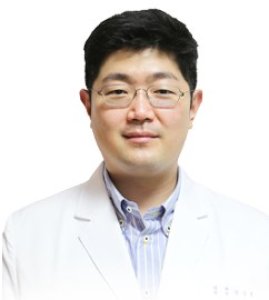
Nam Sanghyu
الدكتور نام سانغ هيو طبيب عيون معتمد في مركز أسان الطبي. وهو أخصائي سريري وأستاذ سريري. يركز عمله على الساد (المياه البيضاء) وطول النظر الشيخي (ضعف النظر القريب). كما يعالج أمراض القرنية وسطح العين، بما في ذلك جفاف العين، وأمراض العين الخارجية، ومشكلات المسالك الدمعية. ويعالج أيضاً أمراض الشبكية والزرق (الغلوكوما)، بما في ذلك اعتلال الشبكية السكري والتنكس البقعي.
العضويات: عضو كامل في KOS وKDES وKCDS وKSCRS وجمعية الدراسة الكورية للعدسات اللاصقة. عضو منتظم في ASCRS وESCRS وAPACRS.

Хён-мо Ян
مشاركة المحتوى
قصص فيديو من مرضى Bookimed
 Anna Leonova
أسئلة متكررة حول علاج ضمور العصب البصري في كوريا الجنوبية
هل يمكن علاج ضمور العصب البصري في كوريا الجنوبية؟
لا يوجد حاليًا علاج نهائي لضمور العصب البصري. وفقدان البصر الناتج عن تلف الأعصاب هو بشكل عام لا رجعة فيه. تركز المستشفيات الثالثية في كوريا الجنوبية على الحفاظ على الرؤية المتبقية. تستخدم مرافق مثل مركز آسان الطبي (Asan Medical Center) تشخيصات متقدمة في طب الأعصاب للعيون لعلاج الأسباب الكامنة مثل الجلوكوما أو الالتهاب.
- دقة التشخيص: تستخدم المراكز الكورية الجنوبية التصوير الرقمي لتحديد المسببات الكامنة.
- تركيز العلاج: يعطي المتخصصون الأولوية لإيقاف المزيد من تدهور الرؤية من خلال الأدوية أو الجراحة.
- البحث المبتكر: تبحث المعاهد المحلية في أنظمة توصيل الأدوية لإدارة أمراض الشبكية.
- معايير العيادات: تحافظ أفضل المرافق على معايير الأيزو (ISO) ومعايير المعهد الكوري لاعتماد الرعاية الصحية (KOIHA).
رؤية خبير Bookimed: يشير حجم المرضى إلى ثقة عالية في طب العيون الكوري الجنوبي. يعالج مستشفى جامعة سيول الوطنية أكثر من 10,700 مريض يوميًا. على الرغم من عدم توفر علاج كامل، إلا أن هذا النطاق الهائل يدعم تخصصًا أعمق في حالات الأعصاب العينية النادرة. حتى أن رعاية الأمراض النادرة معترف بها في مراكز مثل RE:YOUTH.
إجماع المرضى: يؤكد المرضى أن الحفاظ على الرؤية الحالية هو الهدف الأكثر واقعية. ويوصون بالحصول على رأي ثانٍ من طبيب أعصاب عيون قبل بدء أي علاج.
ما هي العلاجات المتقدمة المتوفرة في كوريا الجنوبية التي تتجاوز الأدوية القياسية لاضطرابات العصب البصري؟
توفر كوريا الجنوبية علاجات متقدمة لاضطرابات العصب البصري من خلال الطب التجديدي والغرسات المهندسة حيوياً. تشمل العلاجات الرئيسية حقن الخلايا الجذعية الشريانية وشبكية العين الاصطناعية المتوافقة حيوياً. تستخدم مراكز متخصصة مثل SNUBH ومركز أسان الطبي تشخيصات مدعومة بالذكاء الاصطناعي لإدارة حالات ضمور العصب البصري المعقدة.
- الطب التجديدي: يهدف علاج الخلايا الجذعية الشريانية إلى إصلاح الأنسجة والألياف العصبية التالفة.
- الغرسات المهندسة حيوياً: يمكن للألواح الرقيقة المتوافقة حيوياً أن تحل محل أنسجة الشبكية لاستعادة اكتشاف الضوء.
- توصيل الدواء المتحكم فيه: تطلق أنظمة الهيدروجيل مثبطات بناءً على مستويات التهاب العين لتحقيق الكفاءة.
- العلاج الجيني: تستكشف التجارب السريرية توصيل جينات وظيفية خصيصاً لاستعادة الخلايا العقدية في الشبكية.
رؤية خبراء Bookimed: في حين تقدم العديد من المراكز علاجاً عاماً بالخلايا الجذعية، فإن Re:Youth هي المنشأة الكورية الوحيدة التي تقدم حقن الخلايا الجذعية الشريانية المتخصصة. تستهدف هذه التقنية حاجز الدم في العين بشكل مباشر أكثر من الحقن القياسية. يعد التركيز على طرق التوصيل المتخصصة هذه أمراً ضرورياً لعلاج الضمور المزمن حيث تفشل عادةً الأدوية الجهازية القياسية.
إجماع المرضى: يشير المرضى إلى أن إعادة التأهيل البصري هي المساعدة الأكثر عملية عندما يكون التعافي الهيكلي غير مرجح. ويؤكدون على ضرورة طلب فحوصات OCT موضوعية بدلاً من الاعتماد على ادعاءات غامضة بالتحسن.
ما هي المستشفيات في سيول المتخصصة في ضمور العصب البصري وتقبل المرضى الدوليين؟
مستشفى جامعة سيول الوطنية، ومركز آسان الطبي (Asan Medical Center)، ومستشفى جانجنام سيفيرانس (Gangnam Severance Hospital) هي مؤسسات متخصصة في علاج ضمور العصب البصري للمرضى الدوليين. توفر هذه المؤسسات المعتمدة من قبل اللجنة الدولية المشتركة (JCI) أو معهد كوريا لاعتماد المستشفيات (KOIHA) طرق تشخيص متقدمة مثل التصوير المقطعي للترابط البصري، بالإضافة إلى فرق متعددة التخصصات في طب الأعصاب والعيون لوقف تدهور فقدان الرؤية.
- مركز آسان الطبي: يخدم أكثر من 11,800 مريض خارجي يوميًا باستخدام بنية تحتية متقدمة لتشخيص العيون.
- مستشفى جانجنام سيفيرانس: حاصل على اعتماد JCI مع أقسام متخصصة في طب الأعصاب وجراحة الأعصاب.
- مستشفى جامعة سيول الوطنية في بوندانغ: يستخدم أنظمة BESTcare الرقمية لإدارة حالات طب الأعصاب والعيون المعقدة.
- التشخيص المتخصص: توفر المرافق فحوصات دقيقة للعيون واستشارات مع أطباء العيون.
رؤية خبير بوكيميد (Bookimed): بينما يبحث الكثيرون عن علاج، تركز مستشفيات سيول ذات الحجم الكبير مثل مركز آسان الطبي على التشخيص الدقيق لتحديد الأسباب الكامنة. مع إجراء أكثر من 65,000 عملية جراحية سنويًا، تتفوق هذه المراكز في إدارة تطور المرض من خلال طب الأعصاب والعيون بدلاً من رعاية العيون العامة.
إجماع المرضى: يلاحظ المرضى أن المستشفيات الجامعية الكبيرة أفضل لإجراء الاختبارات المتقدمة من العيادات الصغيرة. يوصون بمشاركة السجلات الطبية باللغة الإنجليزية في وقت مبكر لتأكيد توافر طبيب متخصص في أعصاب العيون.