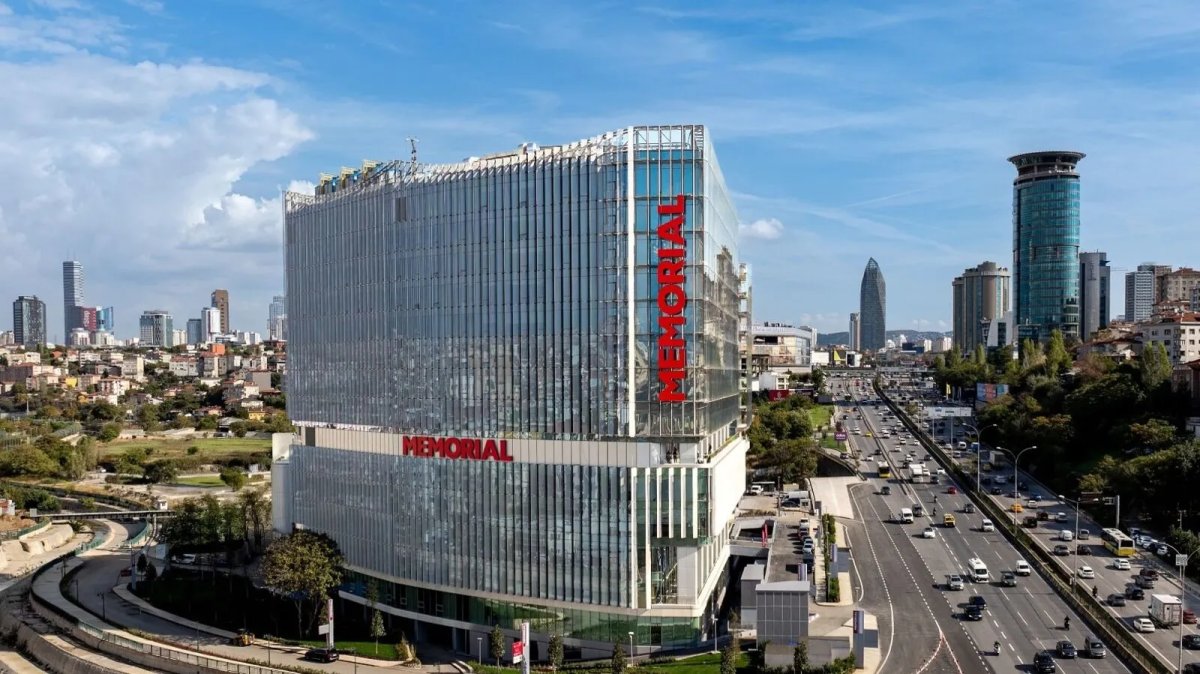
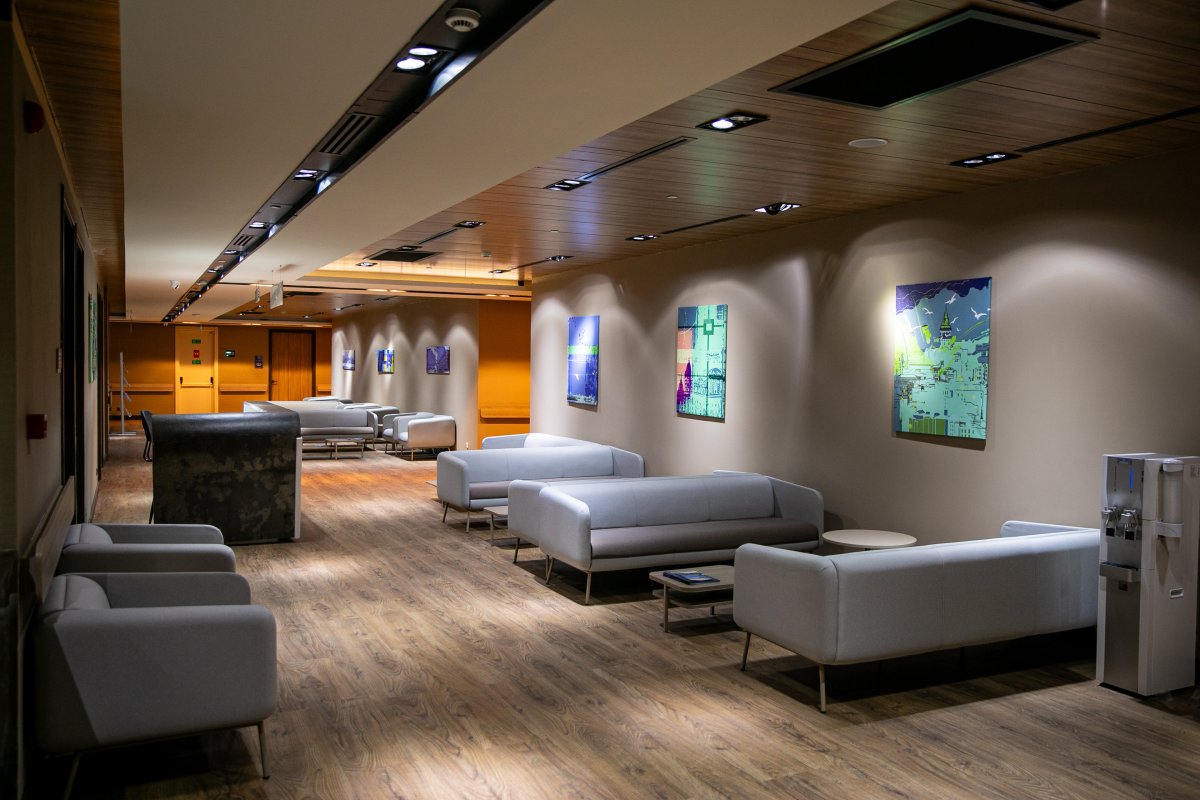
Dunyagoz Eye Hospital Istanbul Etiler
تركيا, إسطنبول
Fevzi Akkan
24سنة خبره ١٦ سنة

العيادة معتمدة من قبل : 



تمت مراجعة المقالة طبيا من قبل
فهد مولود





الطبيب متخصص في أمراض العيون ولديه خبرة واسعة في الفحوصات العامة للعين، وعلاجات الشبكية، والعديد من جراحات العيون، بما في ذلك جراحة الساد مع استبدال العدسة داخل العين، جراحة الساد (عين واحدة)، جراحة الساد مع زراعة عدسة متعددة البؤر، جراحة العيون بالليزك، زراعة العدسات داخل العين، زراعة الشبكية، جراحة العيون ReLEx SMILE، جراحة العيون LASEK، وجراحة العيون بالليزر.<\/p>
معترف به لعمله الرائد، أجرى الطبيب أول جراحة عين بيونيكية في تركيا وحصل على جائزة TOD - أفضل فيديو جراحي في عام 201
الطبيب متخصص مرموق في أمراض العيون مع التركيز على طب العيون. مع أساس أكاديمي قوي، أكمل الطبيب زمالات في مؤسسات مرموقة بما في ذلك Moorfields Eye Hospital، University of California San Diego، Baylor College of Medicine، وDoheny Eye Institute. <\/p>
الطبيب عضو نشط في العديد من الجمعيات المهنية مثل الجمعية التركية لطب العيون، الجمعية الأمريكية لأخصائيي الشبكية، الأكاديمية الأمريكية لطب العيون، والجمعية الأوروبية للشبكية الزجاجية. يختص الطبيب في مجموعة واسعة من جراحات العيون، بما في ذل

الطبيب هو طبيب عيون ذو خبرة عالية مع أكثر من عقدين من الخبرة المهنية، حيث أجرى أكثر من 30,000 عملية جراحية للعين. متخصص في علاجات الساد، القرنية المخروطية، القرنية، الليزر، وقصر النظر الشيخوخي، كما يساهم بنشاط في الأدبيات العلمية، مع أكثر من 100 منشور في هذا المجال.<\/p>
تخرج من كلية الطب بجامعة إسطنبول جراح باشا وتخصص في طب العيون في مستشفى التدريب والبحث في بيوغلو. الطبيب عضو في العديد من المنظمات المرموقة، بما في ذلك الجمعية التركية لطب العيون، والجمعية الأوروبية لجراحي الساد و
الدكتور محمد ديردا أوزير هو أستاذ مشارك وطبيب عيون في عيادته المعتمدة من قبل اللجنة الدولية المشتركة (JCI) في إسطنبول. أكمل زمالة في جراحة الشبكية والجسم الزجاجي في كلية الطب بجامعة كانساس. أجرى الدكتور أوزير أكثر من 25,000 إجراء جراحي خلال ممارسته السريرية. وهو حاصل على شهادة الفحص المتقدم من المجلس الدولي لطب العيون.
 Anna Leonova
ضمور العصب البصري غير قابل للعكس بشكل عام لأن الألياف العصبية الميتة لا يمكنها التجدد. يركز العلاج على وقف فقدان الرؤية الإضافي من خلال معالجة الأسباب الكامنة. تستخدم العيادات المتخصصة في تركيا تقييمات في طب الأعصاب العيون والتصوير المتقدم لتحقيق استقرار الرؤية المتبقية ومنع المزيد من الضرر.
رؤية خبير Bookimed: غالبًا ما تتعامل مستشفيات العيون التركية مع أحجام مرضى أكبر بكثير من المراكز الأوروبية. يعالج مستشفى Dunyagoz للعيون 66,000 مريض كل عام. يعني هذا العبء الضخم من الحالات أن المتخصصين يرون اضطرابات أعصاب العيون النادرة يوميًا. غالبًا ما يتمكنون من تشخيص السبب الجذري بشكل أسرع، وهو أمر حيوي لإنقاذ الرؤية المتبقية.
إجماع المرضى: يشير المرضى إلى أن السيطرة على الالتهاب أو الضغط تؤدي أحيانًا إلى تحسن طفيف في الرؤية. ومع ذلك، يؤكدون أن التشخيص المبكر هو الطريقة الوحيدة لوقف تقدم الضمور بفعالية.
توفر تركيا رعاية متقدمة لضمور العصب البصري داخل مرافق معتمدة من اللجنة الدولية المشتركة (JCI). يحصل المرضى على تقييمات في طب الأعصاب العيون، وعلاجات بالخلايا الجذعية، وجراحات متخصصة. تدمج المراكز الرائدة في إسطنبول التصوير التشخيصي مثل OCT وMRI لتحديد السبب الكامن قبل بدء العلاج.
رؤية خبير Bookimed: يشير حجم المرضى إلى أن مراكز العيون مثل Dunyagoz Etiler تعالج أكثر من 66,000 مريض سنويًا. يسمح هذا التردد العالي للجراحين بالتخصص في حالات طب الأعصاب العيون النادرة التي تراها العيادات العامة بشكل أقل. غالبًا ما يضمن اختيار عيادة ذات معدل جراحي مرتفع وصولًا أفضل إلى أحدث تقنيات العدسات داخل العين أو معدات الليزر.
إجماع المرضى: يشير المرضى إلى أهمية إحضار مسوحات OCT وتقارير التصوير بالرنين المغناطيسي الأخيرة للمراجعة المستقلة. ويوصون بالتركيز على الحفاظ على الرؤية الحالية بدلاً من توقع الشفاء التام، حيث يتطلب التعافي عادةً صبرًا كبيرًا.
تركز علاجات ضمور العصب البصري على تثبيت الرؤية بدلاً من التجديد. تشمل الآثار الجانبية الشائعة تثبيط المناعة من الكورتيكوستيرويدات أو التهاب موضعي من حقن الخلايا الجذعية. ترتبط المخاطر الجسدية مثل النزيف أو العدوى بالإجراءات الجراحية. يعتمد النجاح على إدارة السبب الكامن بشكل فعال.
رؤية خبير Bookimed: تجري مستشفيات العيون التركية مثل دنيوز وفيني فيدي أكثر من 30,000 عملية جراحية سنوياً. غالباً ما يؤدي هذا الحجم المرتفع إلى إدارة أفضل للمخاطر في الحالات المعقدة. يختار العديد من المرضى هذه المراكز لأنها تقدم تشخيصات متقدمة مثل التصوير المقطعي المحوسب بـ 512 شريحة. تساعد تقنية التصوير عالية التقنية الأطباء في تحديد السبب الدقيق وتجنب الإجراءات غير الضرورية.
إجماع المرضى: يلاحظ المرضى أن الألم الأولي في موقع الحقن شائع بعد العلاجات القائمة على الخلايا. يؤكد الكثيرون على أن التحدي الرئيسي هو إدارة التوقعات، حيث غالباً ما تهدف العلاجات فقط إلى وقف المزيد من فقدان الرؤية.
يظهر العلاج بالخلايا الجذعية لضمور العصب البصري فعالية في ما يصل إلى 83% من الحالات. يستخدم الأخصائيون الأتراك خلايا ذاتية من نخاع العظم أو الحبل السري لتحفيز أنسجة الأعصاب الموجودة. يهدف هذا النهج التجريبي إلى تحسين إدراك الضوء وتقليل الإجهاد البصري بدلاً من استعادة الرؤية الكاملة تماماً.
رؤية خبير Bookimed: حجم المرضى مؤشر رئيسي على الخبرة السريرية في تركيا. يعالج مستشفى دنيوز للعيون في إسطنبول إيتيلر 66,000 مريض سنوياً. غالباً ما توفر المراكز ذات الحجم المرتفع إمكانية الوصول إلى جراحين متخصصين مثل الدكتور يوسيل أوزتورك. لقد أجرى أكثر من 30,000 حالة جراحية. قد يكون اختيار هؤلاء الأخصائيين ذوي الخبرة أكثر أهمية للحالات النادرة من أي تكنولوجيا محددة.
إجماع المرضى: يلاحظ المرضى أن النتائج الأولية دقيقة وتتطلب صبراً كبيراً بعد الإجراء. يؤكد الكثيرون على ضرورة التحقق بدقة من أنواع الخلايا المستخدمة لتجنب التضليل بوعود تسويقية غامضة.
يتبع المرضى الدوليون في تركيا عملية منظمة تتضمن مراجعة السجلات عن بُعد، والتأكيد التشخيصي، واللوجستيات المنسقة. توفر مرافق مثل مركز الأناضول الطبي ومستشفى ميموريال شيشلي رعاية معتمدة من اللجنة الدولية المشتركة (JCI). تبدأ الرحلة عادةً بتقديم الفحوصات لتقييم الأخصائي قبل أن يسافر المرضى لتلقي علاجات متخصصة.
رؤية خبير Bookimed: تظهر البيانات أن تركيا تهيمن كوجهة أولى للطلبات الطبية الدولية، حيث تخدم أكثر من 32,000 مريض سنوياً. تدير شبكات كبيرة مثل مستشفى دنيوز للعيون أكثر من 60,000 مريض كل عام من خلال وحدات فرعية متخصصة للغاية. يسمح هذا الحجم المرتفع للعيادات بالحفاظ على عمليات على مدار الساعة طوال أيام الأسبوع وتقديم خبرة متخصصة في حالات الأعصاب العينية المعقدة.
إجماع المرضى: يلاحظ المرضى أنه من الضروري إحضار نسخ رقمية ومادية لجميع صور العين. يؤكد الكثيرون على الحاجة إلى جدولة أيام إضافية لإعادة الاختبارات والاستشارات المتخصصة المفصلة.
يعد التدخل المبكر أمراً حيوياً لعلاج ضمور العصب البصري في تركيا. يؤكد الأخصائيون على علاج السبب الكامن طالما بقيت رؤية متبقية. يعتمد النجاح على معالجة المشكلات النشطة مثل الالتهاب أو الضغط أو العيوب الوعائية. بمجرد اكتمال الضمور، يصبح استعادة الرؤية المفقودة أكثر صعوبة بشكل ملحوظ.
رؤية خبير Bookimed: تظهر البيانات أن مراكز ذات حجم مريض مرتفع مثل مستشفى دنيوز للعيون تعالج 66,000 مريض سنوياً. تشير خبرتهم إلى أن الاستقرار هو الهدف الأساسي للحالات المزمنة. يجب على المرضى البحث عن جراحين مثل الدكتور يوسيل أوزتورك، الذي أجرى 30,000 جراحة. يمكن للخبراء ذوي هذا الحجم تحديد الحالات التي تستفيد حقاً من التدخل بشكل أفضل.
إجماع المرضى: يلاحظ المرضى أن نتائج العلاجات التجديدية قد تستغرق أكثر من 15 يوماً للظهور. ويؤكدون أن إدارة التوقعات بشأن التعافي أمر ضروري عند التعامل مع تلف الأعصاب طويل الأمد.