متلازمة آرنولد خياري العلاج في كوريا الجنوبية - التكاليف 2026


تمت مراجعة المقالة طبيا من قبل
فهد مولود
ما هي تكلفة متلازمة آرنولد خياري إجراءات التشخيص والعلاج في كوريا الجنوبية؟ اعرف الآن
من $53
تكاليف علاج متلازمة أرنولد خياري النموذجية في جمهورية كوريا
- استشارة جراح أعصاب: من $53
- تصوير مقطعي محوسب للجيوب الأنفية: $150 – $400
- حج القحف: من $20,000
رؤية خبراء Bookimed: بالنسبة للحالات العصبية المعقدة، توفر المستشفيات الجامعية متعددة التخصصات أفضل أمان سريري. يقوم مركز آسان الطبي، وهو الأكبر في كوريا، بإجراء أكثر من 65,000 عملية جراحية سنويًا بمعدلات نجاح عالية. يجب على المرضى الذين يبحثون عن أمان متقدم التفكير في مستشفى جامعة سيول الوطنية في بوندانغ (SNUBH). إنه أول مستشفى رقمي في كوريا، ويستخدم نظام BESTcare خصيصًا لمنع الأخطاء الطبية أثناء جراحات الأعصاب عالية الخطورة.
| كوريا الجنوبية | تركيا | إسبانيا | |
|---|---|---|---|
| حج القحف | من $20,000 | من $8,900 | من $32,400 |
مزاياك وضماناتك مع Bookimed
أسعار مباشرة
Bookimed لا يضيف رسوماً إضافية على أسعار علاج متلازمة آرنولد خياري. الأسعار مأخوذة من قوائم الأسعار الرسمية للعيادات. تدفع مباشرة في العيادة مقابل علاجك عند وصولك إلى البلد.
عيادات وأطباء معتمدون فقط
Bookimed ملتزم بسلامتك. نحن نعمل فقط مع المؤسسات الطبية التي تحافظ على معايير دولية عالية في علاج متلازمة آرنولد خياري ولديها التراخيص اللازمة لخدمة المرضى الدوليين في جميع أنحاء العالم.
مساعدة مجانية على مدار الساعة
Bookimed يقدم مساعدة خبراء مجانية. منسق طبي شخصي يدعمك قبل وأثناء وبعد العلاج، ويحل أي مشاكل. لن تكون وحيداً أبداً في رحلة علاج متلازمة آرنولد خياري.

منسقك الطبي الشخصي في Bookimed
- يدعمك في كل مرحلة
- المساعدة في اختيار العيادة الطبية المناسبة والطبيب المناسب
- يضمن الوصول السريع والمريح إلى المعلومات
اكتشف أفضل متلازمة آرنولد خياري العيادات في كوريا الجنوبية: 9 خيارات معتمدة والأسعار








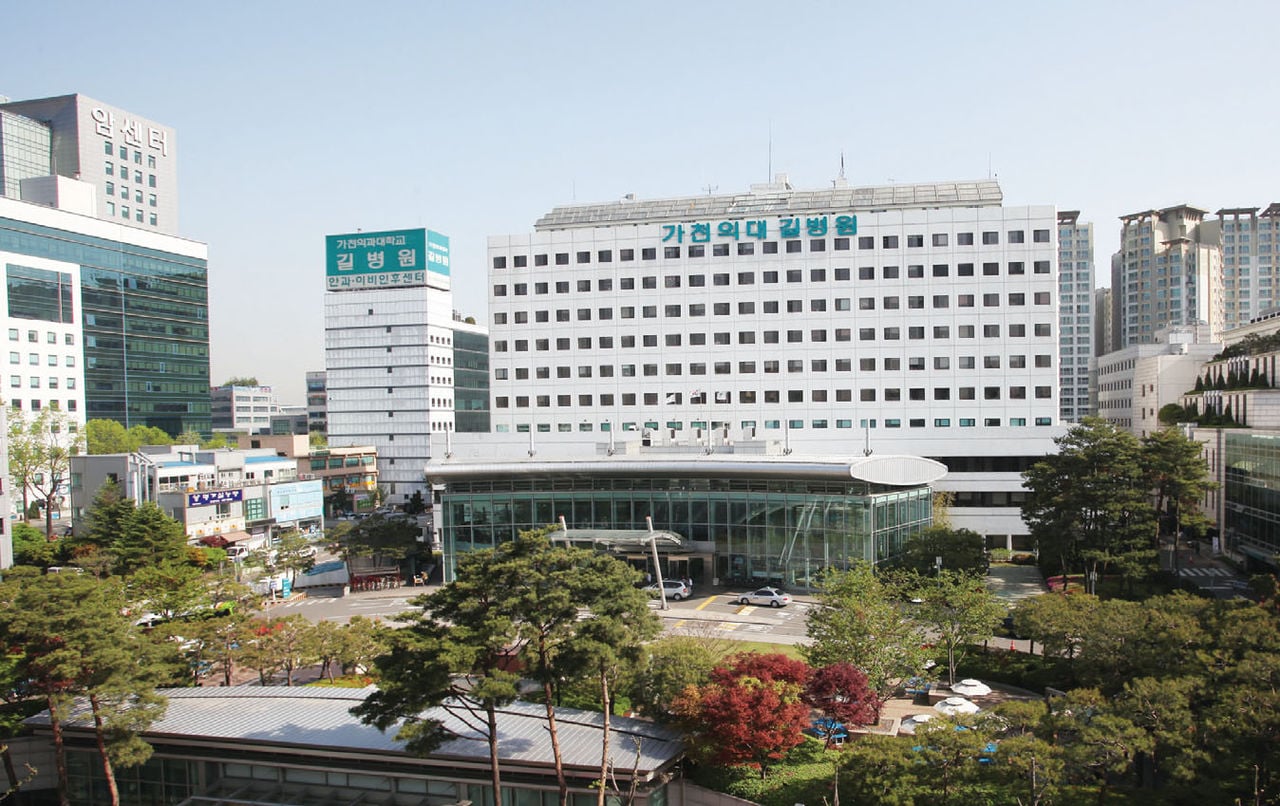



Bumin Hospital Seoul
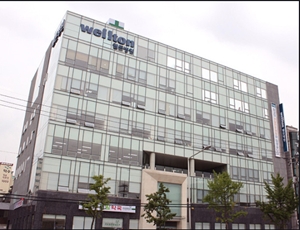
Wellton Hospital

Wiltse Memorial Hospital
مواد ذات صلة

ما هو تشوه خياري؟
كتب بواسطة Veronika Kazina
مشاركة المحتوى
قصص فيديو من مرضى Bookimed
 Anna Leonova
أسئلة متكررة حول علاج متلازمة آرنولد خياري في كوريا الجنوبية
ما هي الخيارات الجراحية الأساسية لتشوه خياري في كوريا الجنوبية؟
تركز الخيارات الجراحية الأساسية في كوريا الجنوبية على تخفيف ضغط الحفرة الخلفية. يقوم جراحو الأعصاب في مراكز سيول المعتمدة من قبل JCI باستعادة تدفق السائل النخاعي عن طريق إزالة جزء صغير من الجمجمة. تشمل التقنيات الرئيسية رأب الجافية للحالات المعقدة وتخفيف الضغط العظمي طفيف التوغل للمرضى الأطفال أو الحالات ذات الأعراض الخفيفة.
- تخفيف الضغط مع رأب الجافية: يقوم الجراحون بفتح غشاء الدماغ واستخدام طعم لتوسيع المساحة.
- تخفيف الضغط العظمي فقط: يقوم الأطباء بإزالة العظام دون فتح الأم الجافية لتقليل مخاطر التسرب.
- التعديلات الجراحية المجهرية: قد يقوم المتخصصون بتقليص لوزتي المخيخ باستخدام الحرارة الموجهة لتنظيف ممرات السوائل.
- التحويلات المتقدمة: يضع الخبراء تحويلات سiringo-subarachnoid-peritoneal لتصريف السوائل عندما يفشل تخفيف الضغط وحده.
رؤية خبير Bookimed: يؤدي حجم العمليات الجراحية المرتفع في كوريا الجنوبية إلى أنظمة أمان فريدة. يستخدم مستشفى جامعة سيول الوطنية في بوندانغ نظام BESTcare لتقليل الأخطاء الطبية. هذا أمر بالغ الأهمية لجراحة الأعصاب المعقدة حيث تحدد الدقة في إزالة العظام وزراعة الجافية سرعة التعافي.
إجماع المرضى: يؤكد المرضى على أهمية العثور على جراحي أعصاب متخصصين في كل من تشوه خياري وتكهف النخاع. ويشيرون إلى أن الاختيار بين تخفيف الضغط العظمي فقط ورأب الجافية يؤثر بشكل كبير على أوقات التعافي وتخفيف الأعراض على المدى الطويل.
ما هي نسبة نجاح جراحة تخفيف الضغط في العيادات الكورية؟
تتراوح معدلات نجاح جراحة تخفيف الضغط في كوريا الجنوبية بين 80% و 95% لمعظم الحالات العصبية. تبلغ المراكز المتخصصة في سيول عن فعالية سريرية تصل إلى 96% عند استخدام التقنيات التنظيرية. تعمل هذه الإجراءات باستمرار على تخفيف ضغط العصب الشديد وتحسين الحركة اليومية للمرضى الدوليين بشكل كبير.
- النجاح السريري: تبلغ العيادات المتخصصة عن معدلات نجاح تصل إلى 96% باستخدام تقنيات تخفيف الضغط بالتنظير.
- رضا المرضى: تحقق المراكز ذات الحجم الكبير مستويات رضا تصل إلى 96% من خلال الأساليب طفيفة التوغل.
- معايير التقنية: يُظهر تخفيف الضغط بالتنظير ثنائي المنفذ أحادي الجانب نتائج ممتازة على المدى الطويل في 89% من الحالات.
- تقليل الألم: تنخفض متوسط درجات الألم من 7.8 إلى 1.5 نقطة في غضون عام واحد.
رؤية خبير Bookimed: بينما يبحث الكثيرون عن مركز أسان الطبي لعملياته الضخمة التي تبلغ 65,000 عملية سنويًا، تركز المراكز المتخصصة الأصغر مثل Wiltse Memorial أو Bumin بشكل خاص على رعاية العمود الفقري العصبية العظمية. غالبًا ما توفر مستشفيات العمود الفقري المخصصة هذه وصولاً أسرع إلى تقييمات الحفرة الخلفية مقارنة بالمؤسسات متعددة التخصصات الأكبر.
إجماع المرضى: يلاحظ المرضى أن الجراحة غالبًا ما تحسن الصداع والدوخة بدلاً من توفير علاج كامل. يؤكد معظمهم أن العثور على جراح يقوم بالعديد من عمليات تخفيف الضغط سنويًا أكثر أهمية من العلامة التجارية للمستشفى.
ما هي المراكز الطبية الرائدة في كوريا الجنوبية المتخصصة في جراحة تشوه خياري؟
تشمل المراكز الكورية الجنوبية الرائدة لجراحة تشوه خياري مركز أسون الطبي (Asan Medical Center)، ومستشفى جامعة سيول الوطنية (Seoul National University Hospital)، ومستشفى سيفيرانس (Severance Hospital). تستخدم هذه المرافق من الدرجة الثالثة المعتمدة من قبل اللجنة الدولية المشتركة (JCI) تقنيات الملاحة العصبية المتقدمة والمراقبة أثناء الجراحة. يقوم الجراحون عادةً بإجراء تخفيف الضغط تحت القذالي ورأب الجافية لاستعادة الدورة الدموية الطبيعية للسائل النخاعي.
- مركز أسون الطبي: يجري أكثر من 65,000 عملية جراحية سنويًا مع وحدة مخصصة لجراحة الأعصاب للأطفال.
- مستشفى جامعة سيول الوطنية في بوندانغ: يستخدم النظام الرقمي BESTcare لتعزيز السلامة أثناء إجراءات حج القحف المعقدة.
- مستشفى سيفيرانس: يتميز بقسم جراحة أعصاب معتمد من JCI متخصص في ديناميكيات تدفق السائل النخاعي.
- التكنولوجيا الجراحية: توظف المراكز الملاحة العصبية في الوقت الفعلي والتنظير العصبي للوصول الدقيق وبأقل تدخل جراحي إلى قاعدة الجمجمة.
رؤية خبير Bookimed: بينما يركز العديد من المرضى على تصنيفات المستشفيات، تؤكد البيانات المتخصصة أن حجم عمليات الجراح هو العامل الحاسم لنتائج تشوه خياري. مع إجراء مستشفى جامعة سيول الوطنية في بوندانغ لأكثر من 32,500 عملية سنويًا، يحافظ متخصصوهم على كفاءة عالية في تقنيات تخفيف الضغط. يجب على المرضى إعطاء الأولوية لهذه المراكز الجامعية ذات الحجم الكبير حيث يتعامل جراحو الأعصاب مع مشاكل السائل النخاعي المعقدة يوميًا.
إجماع المرضى: يؤكد المرضى على
ما هي المزايا الفريدة التي تقدمها كوريا الجنوبية لمرضى تشياري الدوليين؟
توفر كوريا الجنوبية نظاماً بيئياً عالي الكفاءة لعلاج متلازمة أرنولد تشياري. تستخدم مراكز مثل مستشفى جامعة سيول الوطنية بوندانغ أنظمة BESTcare لمنع الأخطاء الطبية. يضمن التصوير المتقدم بالرنين المغناطيسي (MRI) بقوة 3.0 تسلا تخطيطاً جراحياً دقيقاً. غالباً ما يكمل المرضى جميع الفحوصات التشخيصية وجدولة الجراحة في غضون أيام.
- تكنولوجيا منع الأخطاء: يستخدم مستشفى SNUBH أنظمة BESTcare لضمان سلامة المرضى أثناء جراحات الأعصاب المعقدة.
- التشخيص المتقدم: يسمح التصوير الرقمي والرنين المغناطيسي بقوة 3.0 تسلا بدقة جراحية متناهية.
- الجدولة السريعة: تقضي أنظمة المسار السريع على قوائم الانتظار للاستشارات وتشخيصات تشياري المتخصصة.
- الدعم القانوني: تعمل التأشيرات الطبية C-3-3 و G-1-10 المنظمة من قبل الحكومة على تبسيط دخول المرضى الدوليين.
رؤية خبير Bookimed: بينما ينظر الكثيرون إلى كوريا الجنوبية كمركز طبي واحد، تظهر البيانات تميزاً واضحاً في حجم المرضى. تدير مراكز سيول مثل مستشفى سيفيرانس ومركز أسان الطبي أكثر من مليون مريض سنوياً. أدى هذا التدفق الهائل للمرضى الخارجيين إلى لوجستيات متطورة للغاية. يستفيد المرضى العالميون من الأنظمة التي تدمج استشارات الأعصاب والأوعية الدموية العصبية والعمود الفقري في زيارة واحدة.
إجماع المرضى: يشير المرضى إلى أن سرعة التشخيص هي سبب رئيسي لاختيار سيول بدلاً من المستشفيات الغربية. يقدر الكثيرون الدعم المبسط والقدرة على الحصول على رأي ثانٍ سريع من جراحي الأعصاب.