Sourasky Medical Center (Ichilov)
إسرائيل, Tel Aviv
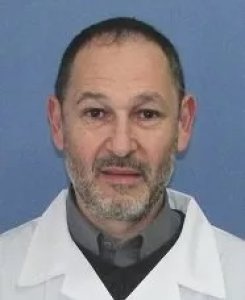
Shlomi Constantini
42سنة خبره ١٦ سنة

الاعتمادات : 
العيادة معتمدة من قبل : 





تمت مراجعة المقالة طبيا من قبل
فهد مولود
| إسرائيل | تركيا | إسبانيا | |
|---|---|---|---|
| حج القحف | من $22,000 | من $8,900 | من $32,400 |
البروفيسور زفي كوهين مدير قسم جراحة الأعصاب ووحدة الأورام العصبية في مركز شيبا الطبي. وهو جرّاح أعصاب وخبير في الأورام العصبية. اختير ضمن قائمة فوربس إسرائيل لأفضل الأطباء لعام 2025. يقود أبحاثًا سريرية حول العلاجات الدوائية لأورام الدماغ الخبيثة. كما أسّس بنك أنسجة أورام الدماغ في شيبا.
حاصل على شهادة البورد في جراحة الأعصاب، وتدرّب في جامعة تل أبيب. أكمل زمالتين: في الأشعة العصبية في بيث إسرائيل، وفي جراحة أورام الأعصاب في مركز إم دي أندرسون. تشمل ممارسته أورام الدماغ المعقّدة والغدة
شلومي قسطنطيني هو طبيب أعصاب بارز في إسرائيل، متخصص في جراحة الأعصاب للأطفال ويعالج الاضطرابات الخلقية وحديثي الولادة في أورام المخ لدى الأطفال.

يرأس الدكتور مارغاليت نافو قسم جراحة الأعصاب في مركز سوراسكي الطبي (إيخيلوف) - وهو وحدة رائدة في جراحة الأعصاب في إسرائيل. وهو متخصص في جراحات قاعدة الجمجمة طفيفة التوغل.

يتخصص الدكتور صموئيل موسكوفيتشي في الحالات الجراحية العصبية المعقدة في مركز هداسا الطبي - أحد المستشفيات الرائدة في إسرائيل.

كتب بواسطة Veronika Kazina
 Anna Leonova
تتركز العلاجات الأساسية لمتلازمة أرنولد خياري في إسرائيل على تخفيف الضغط الجراحي لتخفيف الضغط عن جذع الدماغ. يستخدم المتخصصون بضع القحف وتخفيف الضغط عن الحفرة الخلفية لاستعادة تدفق السوائل الطبيعي. تستخدم المراكز المعتمدة من قبل JCI في تل أبيب والقدس التصوير بالرنين المغناطيسي أثناء الجراحة والملاحة لتحقيق دقة عالية.
رؤية خبير Bookimed: تتميز جراحة الأعصاب الإسرائيلية بأن كبار المتخصصين غالبًا ما يحملون شهادات دولية مزدوجة ومناصب أكاديمية. على سبيل المثال، يقود الدكتور زفي كوهين في مركز شيبا الطبي وحدة متخصصة في الأورام العصبية بينما يجري عمليات بضع القحف المعقدة. يعني هذا التداخل الأكاديمي السريري أن المرضى يحصلون على تقنيات جراحية تم صقلها من خلال أبحاث عالية المستوى وبنوك متخصصة لأنسجة أورام الدماغ. اختيار هذه المراكز متعددة التخصصات يضمن رعاية متكاملة للمشاكل الهيكلية الخلقية المعقدة.
إجماع المرضى: يلاحظ العديد من المرضى أن معالجة الأعراض مبكرًا تتجنب الاعتماد طويل الأمد على مسكنات الألم. وغالبًا ما يؤكدون أن إجراءات ثانوية قد تكون ضروري
تستضيف إسرائيل جراحي أعصاب معترف بهم عالمياً ومتخصصين في تشوه خياري في مراكز معتمدة من قبل اللجنة الدولية المشتركة (JCI). يقود البروفيسور شلومي كونستانتيني في مركز سوراسكي الطبي والبروفيسور تسفي كوهين في مركز شيبا الطبي هذا المجال. يستخدم هؤلاء الخبراء التصوير بالرنين المغناطيسي أثناء الجراحة والمراقبة العصبية لضمان تخفيف الضغط بشكل آمن ودقيق لحالات البالغين والأطفال.
رؤية خبير Bookimed: بينما يبحث الكثيرون عن متخصصين محددين في تشوه خياري، تظهر بياناتنا أن هؤلاء الأطباء غالباً ما يكونون أيضاً من كبار أطباء الأورام العصبية. البروفيسور تسفي كوهين في مركز شيبا الطبي هو مثال رئيسي. خبرته في استئصال الأورام المعقدة تترجم إلى دقة عالية في إجراءات تخفيف الضغط لتشوه خياري. اختيار جراح بمستوى مدير يضمن الوصول إلى فريق متعدد التخصصات للحصول على نتائج أفضل على المدى الطويل.
إجماع المرضى: يؤكد المرضى على أهمية العثور على جراحين في مراكز أكاديمية يتعاملون مع حجم كبير من حالات تخفيف الضغط. يلاحظ الكثيرون أن استشارة مجتمعات
يستخدم جراحو الأعصاب الإسرائيليون التصوير بالرنين المغناطيسي 3T مع دراسات تدفق السائل النخاعي (CSF) لتخطيط تخفيف ضغط أرنولد خياري. تشمل الأدوات أثناء العملية أنظمة الملاحة والتصوير بالرنين المغناطيسي أثناء العملية (iMRI) للتحقق من نجاح تخفيف الضغط. تضمن هذه التقنيات دقة بالمليمتر. فهي تساعد الأطباء على تجنب مسارات المادة البيضاء الحرجة أثناء إجراءات حج القحف.
رؤية خبراء Bookimed: تدمج المراكز الإسرائيلية مثل مركز شيبا الطبي التصوير بالرنين المغناطيسي أثناء العملية مباشرة في جناح جراحة الأعصاب. هذا أمر بالغ الأهمية لحالات خياري لأنه يسمح للأستاذ الدكتور زفي كوهين بالتأكد من أن الدماغ قد تم تخفيف الضغط عنه بالكامل قبل الإغلاق. قد يقلل اختيار عيادة بها iMRI من الحاجة إلى جراحات مراجعة لاحقة. تتضمن حزمة شيبا أيضًا إقامة في المستشفى لمدة 7 أيام لمراقبة هذا التعافي الدقيق.
إجماع المرضى: يؤكد المرضى على طلب مقاييس محددة لتدفق السائل النخاعي لتأكيد الحاجة إلى الجراحة. يجد الكثيرون أيضًا
تحقق جراحة تخفيف ضغط خياري في إسرائيل معدلات نجاح تتراوح بين 95% و98% لتخفيف الأعراض. تستخدم العيادات التصوير بالرنين المغناطيسي أثناء الجراحة والأشعة المقطعية بـ 256 شريحة للتخطيط الجراحي الدقيق. تشمل النتائج عادةً الشفاء التام من الصداع المرتبط بالإجهاد. يبلغ جراحو الأعصاب الإسرائيليون عن تراجع كبير في تجويف النخاع (syrinx) في العديد من الحالات.
رؤية خبير Bookimed: تدمج المراكز الإسرائيلية مثل مركز شيبا الطبي فترات تعافي ممتدة في مسارات العلاج. تظهر بياناتنا أن الباقات تشمل غالبًا 7 أيام في المستشفى و10 أيام في الفندق. نافذة المراقبة هذه التي تبلغ 17 يومًا أطول من معيار الخروج المعتاد من 2 إلى 7 أيام. يسمح هذا الوقت الإضافي لجراحي الأعصاب بمراقبة تسرب السائل النخاعي النادر قبل السفر.
إجماع المرضى: يلاحظ المرضى أنه على الرغم من تحسن الصداع بسرعة، فإن العلاج الطبيعي حيوي للتوازن. ويؤكدون على ضرورة التأكد بدقة من الفحوصات قبل الجراحة المدرجة في الإقامة بالمستشفى.
يتطلب علاج أرنولد خياري في إسرائيل عادةً إقامة في المستشفى لمدة تتراوح بين 3 إلى 7 أيام بعد جراحة تخفيف الضغط أو حج القحف. يحقق المرضى عمومًا تعافيًا وظيفيًا كاملاً في غضون 6 إلى 12 شهرًا. يعود معظم الأفراد إلى الأنشطة الخفيفة والعمل المكتبي بعد 6 إلى 8 أسابيع من العملية.
رؤية خبير Bookimed: غالبًا ما تتضمن باقات جراحة الأعصاب الإسرائيلية إقامة ممتدة من أجل السلامة. على سبيل المثال، يجمع مركز شيبا الطبي بين 7 أيام في المستشفى و10 أيام في فندق محلي. وهذا يسمح للجراحين مثل الدكتور زفي كوهين بمراقبة التقدم العصبي قبل عودة المرضى إلى ديارهم. هذا الفاصل الزمني حيوي لأن الإرهاق العصبي غالبًا ما يصل إلى ذروته بعد أسبوعين من الخروج من المستشفى.
إجماع المرضى: يشير الأفراد إلى أن الأسابيع الثلاثة الأولى أكثر كثافة مما كان متوقعًا. يؤكد الكثيرون على أهمية جدولة العلاج الطبيعي في وقت مبكر، لكنهم يحذرون من أن القدرة المعرفية تستغرق عدة أشهر للعودة بالكامل.
تقدم مراكز جراحة الأعصاب الإسرائيلية للمرضى الدوليين إزالة بالمنظار طفيفة التوغل واستئصالاً موجهاً بالصور لمتلازمة أرنولد خياري. تقلل هذه الأساليب المتقدمة من صدمات الأنسجة. يستخدم الجراحون الملاحة بالرنين المغناطيسي أثناء الجراحة والتجسيم بدون إطار للدقة. تعطي هذه الطرق الأولوية لشقوق أصغر وأوقات شفاء أسرع.
رؤية خبير Bookimed: تتميز المراكز الإسرائيلية مثل شيبا وسوراسكي بتخصصها في حالات قاعدة الجمجمة المعقدة. استخدم البروفيسور تسفي كوهين في شيبا الرنين المغناطيسي أثناء الجراحة لتعزيز الدقة الجراحية لتحقيق نتائج أفضل في جراحة الأورام العصبية. هذه التكنولوجيا نفسها ضرورية لتشوه خياري لضمان تخفيف الضغط الكافي دون استئصال العظام بشكل مفرط.
إجماع المرضى: يوصي المرضى بإرسال الصور للمراجعة عبر الفيديو قبل السفر لمناقشة خيارات المنظار. تساعد فرق التنسيق الزوار الدوليين على إدارة الخدمات اللوجستية أثناء الوصول إلى هذه التقنيات المتخصصة التي تحافظ على الندبات.
تهدف جراحة أرنولد خياري إلى وقف تطور المرض بدلاً من عكس الضرر الموجود. في حين أن تخفيف الضغط يزيل الضغط، فإن فقدان وظيفة الأعصاب أو تندب الحبل الشوكي غالباً ما يظل قائماً. التدخل المبكر أمر حيوي. إجراء الجراحة في غضون 24 ساعة من التغيرات الحادة يحسن النتائج طويلة المدى للمرضى بشكل كبير.
رؤية خبير Bookimed: يستخدم جراحو الأعصاب الإسرائيليون مثل الدكتور زفي كوهين في مركز شيبا الطبي التصوير بالرنين المغناطيسي أثناء الجراحة لضمان أقصى قدر من تخفيف الضغط. تشير البيانات إلى أن العيادات ذات أحجام الجراحات العالية، مثل مستشفى سوراسكي الذي يجري 34,000 جراحة سنوياً، توفر استقراراً أفضل. يجب على المرضى إعطاء الأولوية للمراكز التي تضم أقساماً متخصصة في إعادة التأهيل العصبي لزيادة تعافي أي ألياف عصبية خاملة.
إجماع المرضى: يشير المرضى إلى أن الجراحة توقف بشكل أساسي "الدوامة الهابطة" للأعراض. يبلغ الكثيرون عن تخفيف كبير للألم، لكنهم يذكرون أن التنميل أو مشاكل الحركة طويلة المدى غالباً ما تستمر بعد الإجراء.
تُعدّ إسرائيل مركزًا رائدًا في جراحة الأعصاب بفضل مزيجها من التطورات الطبية عالية التقنية والخبرات الجراحية المتميزة. وتستخدم مرافق متطورة مثل مركز شيبا الطبي أنظمة ملاحة تعتمد على الذكاء الاصطناعي والتصوير بالرنين المغناطيسي أثناء الجراحة في الوقت الفعلي. وتشير المراكز المتخصصة إلى نسبة نجاح تصل إلى 98% في العمليات الجراحية المعقدة، بما في ذلك جراحة الدماغ مع اليقظة وعلاج اضطرابات الحركة.
رأي خبراء بوكيمد: تُظهر البيانات فرقًا واضحًا بين خيارات العلاج في القطاعين العام والخاص في إسرائيل. تُجري المراكز الخاصة، مثل مركز أسوتا الطبي، أكثر من 92,000 عملية جراحية سنويًا، وتتيح للمرضى اختيار جراح را
يعالج جراحو الأعصاب الإسرائيليون طيفاً واسعاً من الحالات، بدءاً من أورام الدماغ والحبل الشوكي وصولاً إلى الاضطرابات الوظيفية المعقدة. وتستخدم المراكز المتخصصة أحدث التقنيات، مثل جهاز جاما نايف، والتحفيز العميق للدماغ، والتصوير بالرنين المغناطيسي أثناء الجراحة، لتشخيص دقيق للغاية لحالات الصرع، ومرض باركنسون، وأمراض الأوعية الدموية الدماغية.
رأي خبراء بوكيمد: غالبًا ما تجمع المستشفيات الإسرائيلية بين تخصصات طبية متعددة لمعالجة الحالات المعقدة. ففي مركز سوراسكي ا
تضم إسرائيل مراكز جراحة أعصاب عالمية المستوى، مثل مركز سوراسكي الطبي، ومركز شيبا الطبي، ومركز هداسا الطبي. وتُعدّ هذه المؤسسات رائدة عالميًا في علاج أورام الدماغ المعقدة، وأمراض العمود الفقري، واضطرابات الحركة. وتستخدم أحدث التقنيات، مثل جهاز جاما نايف، والأنظمة الروبوتية، والتصوير بالرنين المغناطيسي أثناء الجراحة.
رأي خبراء بوكيمد: تُظهر بياناتنا أنه بينما يلجأ معظم المرضى للعلاج في تل أبيب، يُقدّم مركز رامبام الطبي في حيفا رعايةً فريدةً لإصابات الدماغ. فهو يضم وحدةً متخصصةً للعناية المركزة العصبية تُعالج ما يقارب مليون مريض سنويًا. وهذا ما يجعله