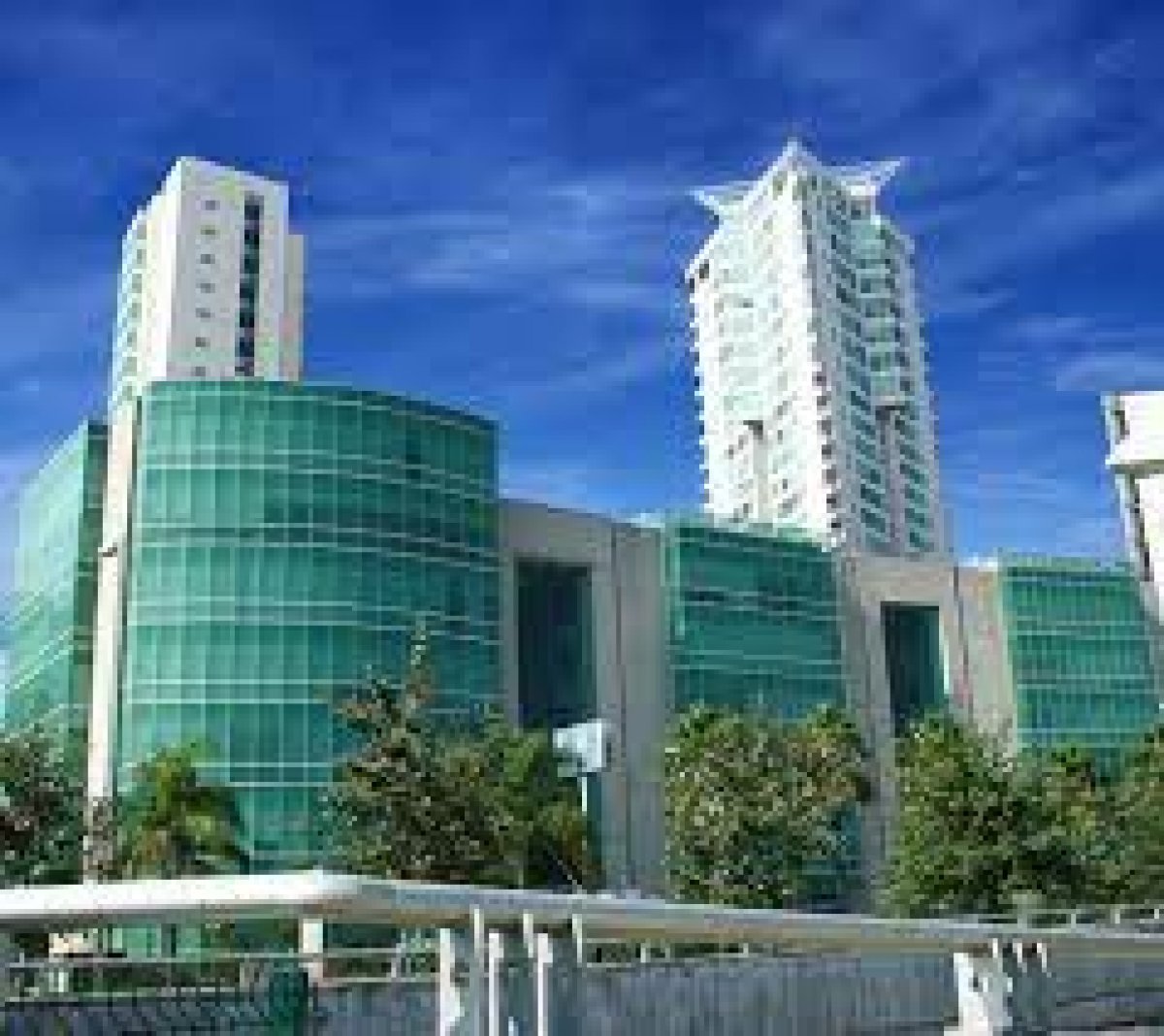
GDL High Specialty Neurosurgery
المكسيك, جوادالاخارا


تمت مراجعة المقالة طبيا من قبل
فهد مولود
تعتبر تكلفة علاج متلازمة أرنولد خياري في المكسيك ميسورة التكلفة بشكل ملحوظ مقارنة بالولايات المتحدة. تتراوح تكلفة الاستشارة التشخيصية القياسية مع جراح الأعصاب من $70 إلى $120. من $12,000. يمكن للمرضى تحقيق وفورات تتراوح بين 70-85% مقارنة بالأسعار في الولايات المتحدة. تشمل مراكز العلاج الرائدة غوادالاخارا، ومكسيكو سيتي، وتيخوانا.
تكاليف علاج متلازمة أرنولد خياري النموذجية في المكسيك
رؤية خبراء Bookimed: يستفيد المرضى الذين يبحثون عن رعاية متخصصة من مراكز مثل GDL High Specialty Neurosurgery في غوادالاخارا. تعالج هذه المنشأة ما يقرب من 690 مريضاً سنوياً، مع تركيز يمتد لعقد من الزمن على إجراءات جراحة الأعصاب. يضمن اختيار العيادات الراسخة الوصول إلى فرق ذات خبرة. يدير هؤلاء الجراحون مئات الحالات القحفية المعقدة كل عام. غالباً ما يؤدي هذا الحجم من العمليات إلى نتائج جراحية أفضل بأسعار إقليمية تنافسية للغاية.
| المكسيك | تركيا | إسبانيا | |
|---|---|---|---|
| حج القحف | من $12,000 | من $8,900 | من $32,400 |
Bookimed لا يضيف رسوماً إضافية على أسعار علاج متلازمة آرنولد خياري. الأسعار مأخوذة من قوائم الأسعار الرسمية للعيادات. تدفع مباشرة في العيادة مقابل علاجك عند وصولك إلى البلد.
Bookimed ملتزم بسلامتك. نحن نعمل فقط مع المؤسسات الطبية التي تحافظ على معايير دولية عالية في علاج متلازمة آرنولد خياري ولديها التراخيص اللازمة لخدمة المرضى الدوليين في جميع أنحاء العالم.
Bookimed يقدم مساعدة خبراء مجانية. منسق طبي شخصي يدعمك قبل وأثناء وبعد العلاج، ويحل أي مشاكل. لن تكون وحيداً أبداً في رحلة علاج متلازمة آرنولد خياري.


كتب بواسطة Veronika Kazina
 Anna Leonova
تضم المكسيك جراحي أعصاب مؤهلين متخصصين في علاج تشوه خياري داخل المراكز الطبية الرئيسية مثل غوادالاخارا. يقوم الأخصائيون بإجراء عمليات تخفيف الضغط القحفي العنقي وعمليات حج القحف. العديد منهم معتمدون من قبل المجلس المكسيكي لجراحة الأعصاب ويتمتعون بخبرة كبيرة في الحالات القحفية المعقدة.
رؤية خبير بوكيميد (Bookimed): تدير العيادات ذات الحجم الكبير مثل GDL High Specialty Neurosurgery ما يقرب من 700 مريض سنويًا. يشير هذا إلى خبرة عميقة في التشريح القحفي. ابحث عن مراكز في غوادالاخارا أو مدينة كويريتارو. طورت هذه المواقع خبرة محددة في اضطرابات الوصلة القحفية العنقية على مر السنين.
إجماع المرضى: يؤكد المرضى على أهمية العثور على جراح لديه عدد كبير من حالات تشوه خياري المحددة. ويقترحون السؤال عن الخبرة في عمليات المراجعة الجراحية ودراسات تدفق السائل النخاعي.
الإجراء الجراحي القياسي هو تخفيف ضغط الحفرة الخلفية. تزيل هذه العملية الجراحية العصبية جزءاً صغيراً من عظم الجمجمة. وهي تخلق مساحة للمخيخ والحبل الشوكي. الهدف هو استعادة التدفق الطبيعي للسائل النخاعي. يبقى معظم المرضى في المستشفى لمدة 2 إلى 4 أيام.
رؤية خبير Bookimed: تحتل المكسيك المرتبة السابعة عالمياً في شبكتنا لطلبات جراحة الأعصاب. تتعامل GDL High Specialty Neurosurgery في غوادالاخارا مع 690 مريضاً سنوياً. يشير هذا الحجم الكبير إلى أن المراكز هناك تتعامل مع الحالات المعقدة بانتظام. يجب على المرضى التأكد مما إذا كان جراحهم متخصصاً بشكل خاص في تخفيف ضغط كياري.
إجماع المرضى: يشير المرضى إلى أن التعافي قد يكون غير متوقع. يؤكد الكثيرون على ضرورة السؤال عما إذا كانت الخطة تشمل تخفيف الضغط العظمي فقط أو رأب الجافية. من الضروري العثور على جراح أعصاب يجري هذا الإجراء المحدد بشكل متكرر.
يبقى المرضى عادة في المكسيك لمدة 7 إلى 14 يوماً بعد الجراحة. تشمل هذه الفترة التعافي في المستشفى والمتابعة الخارجية. يتطلب الأخصائيون في غوادالاخارا هذا الوقت لإدارة الشفاء. كما أنه يقلل من المخاطر مثل جلطات الدم أو التورم قبل السفر لمسافات طويلة.
رؤية خبير Bookimed: تعالج المراكز ذات الحجم الكبير مثل GDL High Specialty Neurosurgery أكثر من 600 مريض سنوياً. تشير خبرتهم إلى أن التعافي يعتمد بشكل كبير على تقنية بضع القحف المستخدمة. بينما يتم الخروج التقني مبكراً، فإن البقاء لمدة 14 يوماً يوفر وسادة أمان. يسمح هذا الوقت الإضافي بإجراء فحوصات حاسمة للجروح قبل عبور الحدود.
إجماع المرضى: يشير المرضى إلى أنه على الرغم من أن العيادات قد تسمح بالسفر المبكر، إلا أن الجاهزية البدنية غالباً ما تستغرق وقتاً أطول. يوصي معظمهم بحجز تذاكر عودة مرنة للتعامل مع التعب غير المتوقع أو تصلب الرقبة خلال الأسبوع الأول.
تحقق من المستشفيات المكسيكية من خلال البحث عن اعتماد اللجنة الدولية المشتركة (JCI) أو شهادة المستشفيات الوطنية (CSG). تضمن هذه المعايير سلامة المرضى وجودة الرعاية. تعالج المراكز ذات الحجم الكبير مثل GDL High Specialty Neurosurgery أكثر من 600 مريض سنويًا. تأكد من أن جراحي الأعصاب حاصلون على شهادة البورد لإجراءات تخفيف ضغط خياري.
رؤية خبير Bookimed: غالبًا ما تكمن إشارات الجودة في التخصص بدلاً من الحجم العام للمنشأة. يعمل مركز GDL High Specialty Neurosurgery مع طبيبين فقط. يركز هذا الفريق الصغير بشكل عميق على حالات جراحة الأعصاب ذات الحجم الكبير. غالبًا ما يؤدي هذا الهيكل إلى رعاية أكثر تخصيصًا في العيادات المكسيكية المتخصصة.
إجماع المرضى: يشير المرضى إلى أنه من الضروري التحقق من قدرات وحدة العناية المركزة (ICU) والمراقبة العصبية في الموقع. ويقترحون طلب خطة واضحة بخصوص عمليات النقل الطارئة وإدارة المضاعفات.تتطلب جراحة متلازمة أرنولد خياري في المكسيك تصويرًا دقيقًا لتأكيد فتق اللوزتين المخيخيتين. عادةً ما يطلب جراحو الأعصاب إجراء تصوير بالرنين المغناطيسي للدماغ وتصوير الرنين المغناطيسي للعمود الفقري العنقي. تحدد هذه الاختبارات وجود كيسات نخاعية أو ازدحام في الحفرة الخلفية قبل إجراء بضع القحف التخفيفي.
رؤية خبير Bookimed: تعالج مراكز جراحة الأعصاب المكسيكية مثل GDL High Specialty Neurosurgery ما يقرب من 700 مريض سنويًا. في حين أن مسوحات الرنين المغناطيسي القياسية تحدد التشريح، يجب على المرضى طلب رنين مغناطيسي من نوع Cine. تثبت هذه الدراسة الوظيفية انسداد السائل النخاعي وغالبًا ما تبرر الجراحة عندما تكون الأعراض شديدة ولكن التشريح يبدو في الحدود الطبيعية.
إجماع المرضى: غالبًا ما يكتشف المرضى وجود كيسة نخاعية فقط بعد إجراء تصوير كامل للعمود الفقري. يؤكد الأطباء على ضرورة تطابق الأعراض مع نتائج التصوير قبل الموافقة على أي تدخل جراحي.