علاج التهاب الفقار اللاصق في كوريا الجنوبية: 13 مستشفيات


تمت مراجعة المقالة طبيا من قبل
فهد مولود
ما هي تكلفة التهاب الفقار اللاصق إجراءات التشخيص والعلاج في كوريا الجنوبية؟ اعرف الآن
من $200. تعتمد النفقات على مرحلة المرض والحاجة إلى العلاجات البيولوجية. يمكن للمرضى توقع توفير ما بين 30-50% مقارنة بالولايات المتحدة. تتركز الرعاية الأكثر تقدمًا في سيول وبوسان وإنشيون.
تكاليف علاج التهاب الفقار المقسط النموذجية في جمهورية كوريا
- استشارة طبيب عظام: $90 – $200
- أشعة سينية للعمود الفقري: $60 – $130
- تحليل دم موسع: من $200
- تصوير بالرنين المغناطيسي للصدر: من $350
- فحوصات مخبرية: من $110
- تصوير مقطعي للجيوب الأنفية: $150 – $400
- العلاج الطبيعي: من $200
رؤية خبير Bookimed: تعد الرعاية متعددة التخصصات ضرورية للتحكم في الالتهاب الجهازي والحفاظ على الحركة. يُعد مستشفى جامعة سيول الوطنية بوندانغ (SNUBH) مثاليًا للتشخيصات المعقدة، حيث يستخدم نظام BESTcare لتقليل الأخطاء الطبية أثناء العلاج طويل الأمد. بالنسبة للمرضى الذين يركزون على التعافي المتخصص للجهاز العضلي الهيكلي، يقدم مستشفى كانغ دونغ في بوسان نهجًا تقويميًا متعدد الجوانب مشهور عالميًا. توفر المراكز الكبيرة مثل مستشفى سيفيرانس معايير سلامة معتمدة من اللجنة الدولية المشتركة (JCI) للمرضى الدوليين.
| كوريا الجنوبية | تركيا | إسبانيا | |
|---|---|---|---|
| العلاج بالخلايا الجذعية لالتهاب الفقار اللاصق | ≈ $8,000 | ≈ $6,500 | ≈ $6,500 |
| العلاج الطبيعي | من $200 | من $150 | من $120 |
| العلاج البيولوجي | ≈ $6,500 | ≈ $2,500 | ≈ $3,800 |
مزاياك وضماناتك مع Bookimed
أسعار مباشرة
Bookimed لا يضيف رسوماً إضافية على أسعار علاج التهاب الفقار اللاصق. الأسعار مأخوذة من قوائم الأسعار الرسمية للعيادات. تدفع مباشرة في العيادة مقابل علاجك عند وصولك إلى البلد.
عيادات وأطباء معتمدون فقط
Bookimed ملتزم بسلامتك. نحن نعمل فقط مع المؤسسات الطبية التي تحافظ على معايير دولية عالية في علاج التهاب الفقار اللاصق ولديها التراخيص اللازمة لخدمة المرضى الدوليين في جميع أنحاء العالم.
مساعدة مجانية على مدار الساعة
Bookimed يقدم مساعدة خبراء مجانية. منسق طبي شخصي يدعمك قبل وأثناء وبعد العلاج، ويحل أي مشاكل. لن تكون وحيداً أبداً في رحلة علاج التهاب الفقار اللاصق.

منسقك الطبي الشخصي في Bookimed
- يدعمك في كل مرحلة
- المساعدة في اختيار العيادة الطبية المناسبة والطبيب المناسب
- يضمن الوصول السريع والمريح إلى المعلومات
اكتشف أفضل التهاب الفقار اللاصق العيادات في كوريا الجنوبية: 13 خيارات معتمدة والأسعار









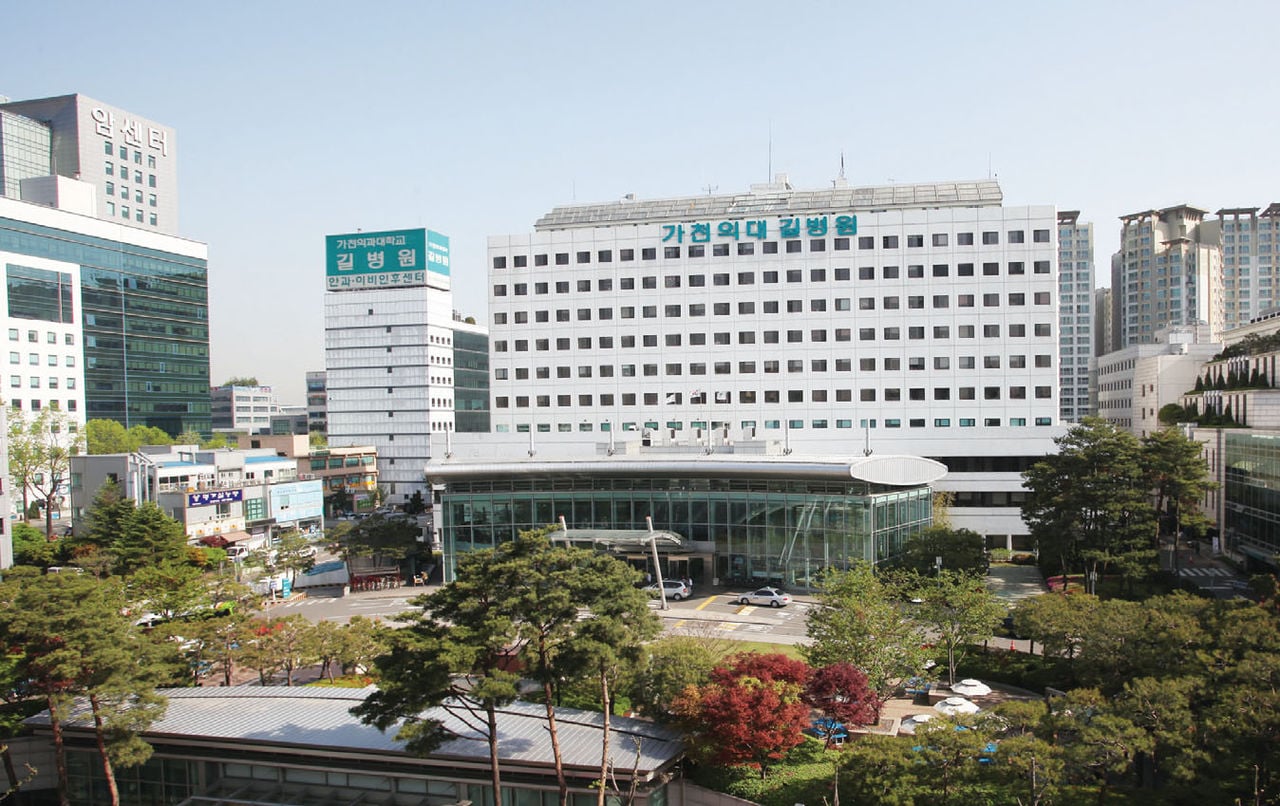




Bumin Hospital Seoul
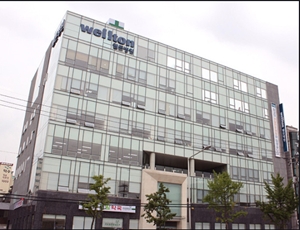
Wellton Hospital

Wiltse Memorial Hospital

احصلوا على تقييم طبي لـ التهاب الفقار اللاصق في كوريا الجنوبية: استشيروا أطباء ذوي خبرة الآن
عرض جميع الأطباء
Yang Yeongjun
الدكتور يانغ يونغجون جرّاح عظام متخصص في رعاية المفاصل وتنظيرها. يعالج اضطرابات الركبة والكتف، ويُجري الجراحة التنظيرية للمفاصل واستبدال المفاصل (رأب المفصل). كما يعالج الرضوض والحالات المرتبطة بالرياضة، بما في ذلك إصابات الرياضيين، ومشكلات القدم والكاحل، ومتلازمة النفق الرسغي، والكسور.
أكمل برنامج الإقامة في جراحة العظام بالمركز الطبي الكاثوليكي، ثم زمالة في مستشفى سانت بول التابع للمركز نفسه. وهو عضو عامل في جمعية التنظير المفصلي الكورية، وجمعية الركبة الكورية، وجمعية الكتف والمرفق ا
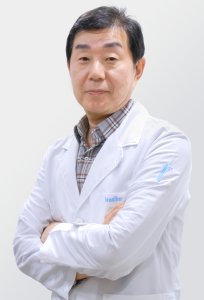
Jang Hyo Kim
الدكتور جانغ هيو كيم جرّاح عظام يركّز على الحفاظ على المفاصل وإعادة البناء المعقّدة. يختص بمناظير المفاصل للكتف والركبة والكاحل والمرفق والمعصم. يُجري استبدال مفاصل الكتف والركبة والكاحل والمرفق والورك. يشمل عمله في العمود الفقري تثبيت ودمج الفقرات العنقية والقطنية. كما يُجري استئصال القرص، واستئصال الصفيحة الفقرية، وترميم الأعصاب، ورأب الفقرة. وتشمل ممارسته علاج الكسور وإصلاح العضلات والأربطة.
هو أستاذ منتسب في جامعة كيونغ هي، ويشغل منصب مدير مركز المفاصل في مستشفى فيري غود. وشغل سابق
مشاركة المحتوى
قصص فيديو من مرضى Bookimed
 Anna Leonova
أسئلة متكررة حول علاج التهاب الفقار اللاصق في كوريا الجنوبية
هل تغطي التأمين الصحي الوطني في كوريا الأدوية البيولوجية لالتهاب الفقار المقسط؟
يغطي التأمين الصحي الوطني في كوريا الجنوبية الأدوية البيولوجية لالتهاب الفقار المقسط بموجب برنامج الأمراض النادرة والمستعصية (RID). يدفع المرضى عادةً 10% فقط من تكاليف العلاج. تتطلب التغطية معايير سريرية محددة مثل التهاب المفصل العجزي الحرقفي النشط في التصوير وفشل العلاجات التقليدية بعد 3 أشهر.
- المشاركة في الدفع للمريض: يؤدي التسجيل في برنامج RID إلى خفض التكاليف المباشرة إلى حوالي 10% للعلاج.
- الأدوية البيولوجية المشمولة: تشمل التغطية مثبطات TNF ومثبطات IL-17 مثل Secukinumab أو Adalimumab.
- المعايير الطبية: يجب أن يظهر المرضى درجة BASDAI تبلغ 4.0 أو أعلى.
- العلاج المتدرج: يجب أن تثبت الوثائق استجابة غير كافية لاثنين على الأقل من مضادات الالتهاب غير الستيروئيدية المختلفة.
رؤية خبير Bookimed: يجب على المرضى إعطاء الأولوية للمستشفيات الجامعية مثل Severance أو Asan Medical Center للحصول على الموافقة الأولية على الأدوية البيولوجية. تدير هذه المراكز الأكاديمية أعداداً كبيرة من المرضى ولديها أنظمة مبسطة لتسجيل RID. تستخدم المرافق الرئيسية أيضاً أنظمة رقمية مثل BESTcare لتتبع تاريخ العلاج ومنع أخطاء التوثيق أثناء الاستئناف.
إجماع المرضى: يشير المرضى إلى أن توثيق كل فشل في الدواء أمر حيوي للحصول على موافقة التأمين. يجد الكثيرون أنه على الرغم من أن تكاليف الأدوية الأولية تبدو مرتفعة، فإن سقف المشاركة في الدفع بنسبة 10% يجعل العلاج البيولوجي طويل الأمد ميسور التكلفة.