علاج التهاب الفقار اللاصق في بولندا: 9 مستشفيات


تمت مراجعة المقالة طبيا من قبل
فهد مولود
ما هي تكلفة التهاب الفقار اللاصق إجراءات التشخيص والعلاج في بولندا؟ اعرف الآن
تتحدد تكلفة علاج التهاب الفقار المقسط في بولندا بشكل أساسي من خلال الاختيار بين الإدارة التحفظية والتدخلات المتقدمة. من $650. تعتمد النفقات الإجمالية على مرحلة المرض واحتياجات إعادة التأهيل، مما يوفر وفورات بنسبة 40-60% مقارنة بالولايات المتحدة. تقع أفضل مراكز العلاج في وارسو وكراكوف وجيشوف.
تكاليف علاج التهاب الفقار المقسط النموذجية في بولندا
- استشارة طبيب عظام: من $98
- تحليل دم موسع: من $650
- العلاج البيولوجي: $3,500 – $8,000
- علاج التهاب الفقار المقسط بالخلايا الجذعية: من $400
- العلاج الطبيعي: $300 – $750
رؤية خبير Bookimed: يستفيد المرضى الذين يحتاجون إلى رعاية تقويم عظام متخصصة من المرافق المعتمدة من قبل JCI وISO مثل مستشفى كارولينا في وارسو. يعمل المستشفى كشريك طبي للجنة الأولمبية البولندية، مما يضمن معايير عالية في الطب الرياضي ورعاية الجهاز العضلي الهيكلي. بالنسبة لأولئك الذين يحتاجون إلى تعافٍ مكثف، يعد مستشفى العائلة المقدسة التخصصي العالي في جيشوف خياراً أولاً. وقد تم الاعتراف به كأفضل عيادة لإعادة التأهيل من قبل Bookimed، ويعالج 4000 مريض سنوياً.
| بولندا | تركيا | إسبانيا | |
|---|---|---|---|
| العلاج بالخلايا الجذعية لالتهاب الفقار اللاصق | من $400 | ≈ $6,500 | ≈ $6,500 |
| العلاج الطبيعي | ≈ $300 | من $150 | من $120 |
| العلاج البيولوجي | ≈ $3,500 | ≈ $2,500 | ≈ $3,800 |
مزاياك وضماناتك مع Bookimed
أسعار مباشرة
Bookimed لا يضيف رسوماً إضافية على أسعار علاج التهاب الفقار اللاصق. الأسعار مأخوذة من قوائم الأسعار الرسمية للعيادات. تدفع مباشرة في العيادة مقابل علاجك عند وصولك إلى البلد.
عيادات وأطباء معتمدون فقط
Bookimed ملتزم بسلامتك. نحن نعمل فقط مع المؤسسات الطبية التي تحافظ على معايير دولية عالية في علاج التهاب الفقار اللاصق ولديها التراخيص اللازمة لخدمة المرضى الدوليين في جميع أنحاء العالم.
مساعدة مجانية على مدار الساعة
Bookimed يقدم مساعدة خبراء مجانية. منسق طبي شخصي يدعمك قبل وأثناء وبعد العلاج، ويحل أي مشاكل. لن تكون وحيداً أبداً في رحلة علاج التهاب الفقار اللاصق.

منسقك الطبي الشخصي في Bookimed
- يدعمك في كل مرحلة
- المساعدة في اختيار العيادة الطبية المناسبة والطبيب المناسب
- يضمن الوصول السريع والمريح إلى المعلومات
اكتشف أفضل التهاب الفقار اللاصق العيادات في بولندا: 9 خيارات معتمدة والأسعار



University Hospital in Krakow

Health Clinic “Pod Tezniami”

Medical Centre ENEL-MED

John Paul II Western Hospital
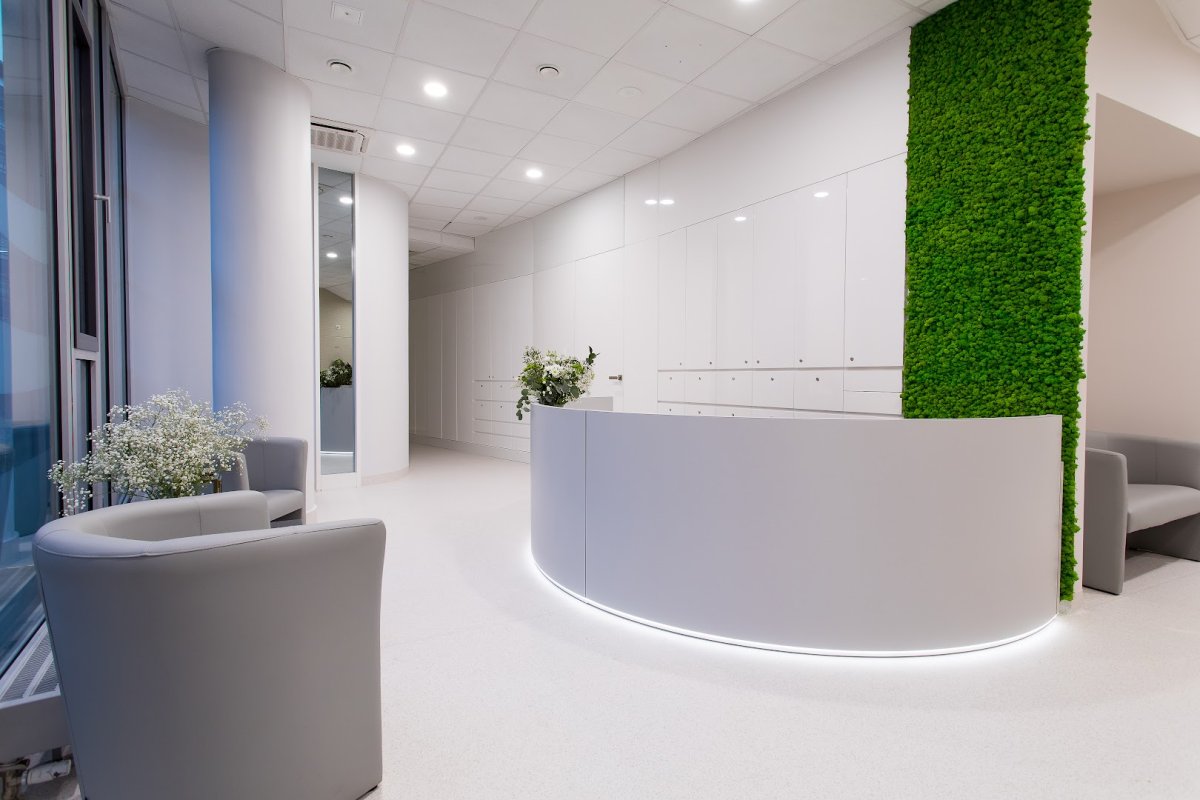
Medi Horizon Clinic
Rmed Kopernika
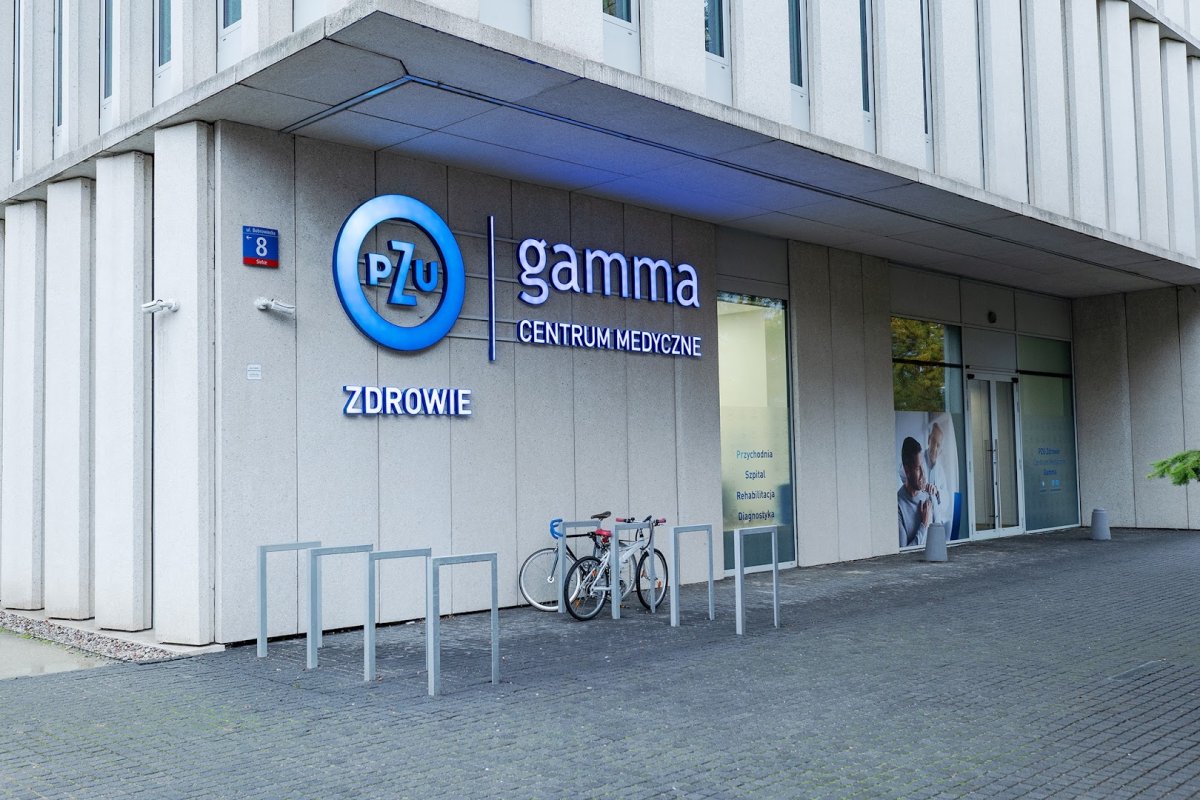
Centrum Medyczne Gamma
احصلوا على تقييم طبي لـ التهاب الفقار اللاصق في بولندا: استشيروا أطباء ذوي خبرة الآن
عرض جميع الأطباء
Piotr Dudek
يتخصص الدكتور بيوتر دوديك في العلاجات العظمية والروماتيزمية العظمية، مع تدريب مكثف في بولندا والخارج. يركز على استبدال المفاصل والإجراءات الترميمية.
- مساعد أول في عيادة العظام والروماتيزم العظمي منذ عام 2015
- باحث مساعد في المركز الطبي للتعليم بعد التخرج
- مؤلف ومشارك في تأليف العديد من المنشورات
- يتحدث البولندية والإنجليزية بطلاقة

Andrzej Komor
متخصص في علاجات المفاصل باستخدام الخلايا الجذعية – يقدم الدكتور كومور نهجاً مبتكراً لرعاية التهاب الفقار المقسط في مستشفى كارولينا.
- جراح عظام ممارس منذ عام 1993
- حاصل على زمالة EFORT للسفر
- تلقى تدريباً دولياً في إسرائيل والولايات المتحدة وإسبانيا والنمسا
- يركز على الكاحلين والقدمين والركبتين والكتفين
مشاركة المحتوى
قصص فيديو من مرضى Bookimed
 Anna Leonova
أسئلة متكررة حول علاج التهاب الفقار اللاصق في بولندا
ما هي خيارات العلاج الأساسية لالتهاب الفقار المقسط في بولندا؟
يركز علاج التهاب الفقار المقسط في بولندا على العلاج البيولوجي المتقدم وإعادة التأهيل المكثف. تستخدم البروتوكولات القياسية مثبطات TNF ومثبطات IL-17 جنبًا إلى جنب مع العلاج الحركي المتخصص. توفر مرافق مثل مستشفى كارولينا والمستشفى الجامعي في كراكوف رعاية متعددة التخصصات. تدمج هذه المراكز الخبرة في تقويم العظام مع برامج الروماتيزم.
- العلاج البيولوجي: الوصول إلى أداليموماب، وإيتانيرسيبت، وسيكوكينوماب من خلال برامج تعويض متخصصة.
- إعادة التأهيل المكثف: يعد العلاج الحركي والعلاج المائي مدى الحياة ضروريين للحفاظ على حركة العمود الفقري.
- التشخيص المتقدم: مراقبة دقيقة عبر التصوير بالرنين المغناطيسي، والأشعة السينية للعمود الفقري، والاختبارات الجينية HLA-B27.
- العلاج بالتبريد: تعمل جلسات الجسم بالكامل على تقليل الالتهاب الجهازي وإدارة آلام العمود الفقري المزمنة بفعالية.
رؤية خبير Bookimed: تخدم بولندا أكثر من 2580 مريضًا دوليًا سنويًا، مع تركيز ملحوظ للخبرة في وارسو وريزيسوف. تظهر البيانات الصادرة عن مستشفى العائلة المقدسة التخصصي العالي أنه يعالج 4000 مريض سنويًا، مما يسلط الضوء على قدرته على إعادة التأهيل العظمي المعقد. يضمن اختيار عيادة حاصلة على شهادة ISO 9001:2015 جودة موحدة في إدارة الأمراض طويلة الأمد.
إجماع المرضى: يشير المرضى إلى أن الاستشارات الخاصة تسرع بشكل كبير الطريق إلى العلاج البيولوجي. يؤكد الكثيرون أن الحركة اليومية والعلاج الطبيعي المهني حيويان تمامًا مثل الأدوية لإدارة النوبات.
هل العلاجات البيولوجية متاحة ومشمولة بالتغطية للمرضى الدوليين؟
تتوفر العلاجات البيولوجية لالتهاب الفقار المقسط للمرضى الدوليين في بولندا. يتطلب السداد العام من خلال الصندوق الوطني للصحة (NFZ) عادةً الإقامة أو رقم تعريف بولندي (PESEL). يحصل معظم المرضى الدوليين على هذه العلاجات بشكل خاص في مراكز تقويم العظام والروماتيزم المتخصصة في وارسو أو كراكوف.
- أهلية السداد: تتطلب التغطية العامة عادةً الإقامة أو بطاقة التأمين الصحي الأوروبية (EHIC).
- تكلفة العلاج الخاص: تتراوح تكاليف العلاج البيولوجي في بولندا من حوالي 9,000 إلى 16,000 دولار.
- الشهادات السريرية: تمتلك المراكز الكبرى مثل مستشفى كارولينا شهادات إدارة الجودة ISO 9001:2015.
- خبرة المتخصصين: يمارس خبراء مثل الدكتور أندريه كومور الطب دوليًا منذ أكثر من 30 عامًا.
رؤية خبير Bookimed: توفر بولندا ميزة سرعة كبيرة للمرضى الدوليين الذين يبحثون عن علاجات بيولوجية. تخدم المراكز الكبيرة متعددة التخصصات مثل المستشفى الجامعي في كراكوف أكثر من 450,000 مريض سنويًا. يسمح هذا الحجم الكبير بمسارات تشخيص فعالة. غالبًا ما يمكن للمرضى بدء العلاج في غضون أسبوع واحد من استشارتهم الأولية. هذا أسرع بكثير من قوائم انتظار الصحة العامة في العديد من الدول الغربية.
إجماع المرضى: يشير المرضى إلى أن العيادات الخاصة في بولندا توفر وصولاً أسرع بكثير إلى العلاجات البيولوجية مقارنة بالأنظمة العامة. يؤكد الكثيرون على أهمية إحضار نتائج التصوير بالرنين المغناطيسي واختبارات الدم الخاصة بك لتسريع العملية بشكل أكبر.
ما هي المستشفيات أو المراكز في بولندا المتخصصة في التهاب الفقار المقسط؟
توفر بولندا رعاية متخصصة لالتهاب الفقار المقسط من خلال معاهد البحوث الوطنية والعيادات الخاصة بمعايير JCI. توفر مرافق مثل مستشفى كارولينا والمستشفى الجامعي في كراكوف علاجات بيولوجية متقدمة. تشمل بروتوكولات التشخيص اختبارات HLA-B27، والتصوير بالرنين المغناطيسي للعمود الفقري، واستشارات الروماتيزم المتخصصة لضمان تحديد دقيق للمرحلة.
- المعاهد المتخصصة: يطور المعهد الوطني لطب الشيخوخة والروماتيزم (NIGRiR) المعايير الوطنية لاعتلالات الفقار.
- العلاج البيولوجي: يتميز المستشفى الجامعي في كراكوف بمركز علاج بيولوجي مخصص لالتهاب الفقار المقسط.
- الخبرة الجراحية: مستشفى كارولينا هو مركز طبي متميز تابع للفيفا لجراحات العمود الفقري المعقدة.
- التركيز على إعادة التأهيل: يدمج مستشفى العائلة المقدسة أجهزة تدريب المشي المتقدمة في التعافي العضلي الهيكلي.
رؤية خبير Bookimed: غالبًا ما يشير حجم المرضى إلى الموثوقية التشخيصية في الحالات المعقدة. يخدم المستشفى الجامعي في كراكوف أكثر من 455,000 مريض سنويًا. يشير هذا النطاق الهائل إلى أن فرق الروماتيزم لديهم تتعامل على الأرجح مع مضاعفات التهاب الفقار المقسط النادرة أكثر من المراكز الخاصة الأصغر. بالنسبة للمرضى الذين يحتاجون إلى الوصول إلى الأدوية البيولوجية، تعد هذه المراكز الأكاديمية ذات الحجم الكبير نقطة الدخول الرئيسية في بولندا.
إجماع المرضى: غالبًا ما يوصي المرضى بإجراء اختبارات الرنين المغناطيسي وHLA-B27 الخاصة لتجاوز قوائم الانتظار العامة الطويلة. يشير الكثيرون إلى أنه على الرغم من أن طواب
كيف يتم مراقبة نشاط المرض قبل وأثناء العلاج؟
تبدأ مراقبة التهاب الفقار المقسط في بولندا بإنشاء خط أساس سريري باستخدام التصوير بالرنين المغناطيسي واختبار HLA-B27. ثم يتتبع الأطباء فعالية العلاج من خلال علامات الالتهاب والنتائج الوظيفية الموحدة. تضمن الفحوصات المنتظمة لوظائف الكبد والكلى سلامة العلاجات البيولوجية أو الدوائية طويلة الأمد.
- التصوير التشخيصي: يفحص التصوير بالرنين المغناطيسي للعمود الفقري وذمة نخاع العظم قبل البدء في العلاجات البيولوجية.
- علامات الالتهاب: اختبارات البروتين التفاعلي C (CRP) ومعدل ترسيب كريات الدم الحمراء (ESR) هي معيار كل 3 أشهر.
- التقييم الوظيفي: يستخدم المتخصصون درجات BASDAI و BASFI لقياس الألم والحركة.
- هدف العلاج: تتطلب البروتوكولات البولندية غالبًا تحسنًا بنسبة 20% في BASDAI خلال 12 أسبوعًا من العلاج.
رؤية خبير Bookimed: تظهر البيانات السريرية من المراكز البولندية الكبرى مثل مستشفى كارولينا أو المستشفى الجامعي في كراكوف اعتمادًا كبيرًا على التشخيص الشامل. يستفيد المرضى من المرافق التي تجمع بين الخبرة في تقويم العظام والتصوير المتقدم مثل التصوير بالرنين المغناطيسي للصدر والأشعة السينية للعمود الفقري. يعد اختيار مستشفى متعدد التخصصات أمرًا حيويًا لأن المراقبة غالبًا ما تتطلب تنسيقًا بين أطباء الروماتيزم وأخصائيي إعادة التأهيل لضبط جرعات العلاج البيولوجي بفعالية.
إجماع المرضى: يشير المرضى إلى أن تتبع تصلب الصباح والتعب يوميًا ضروري لإثبات نشاط المرض أثناء المراجعات الطبية. يوصي الكثيرون بالاستمرار في التقييم الذاتي
ما الذي تشمله إعادة التأهيل الداخلي أو في المنتجعات الصحية وما هي مدة البرنامج المعتادة؟
توفر إعادة التأهيل الداخلي في بولندا إشرافاً طبياً على مدار الساعة طوال أيام الأسبوع وعلاجاً مكثفاً لمدة تتراوح بين 12 إلى 28 يوماً. تشمل البرامج عادةً من 3 إلى 5 ساعات من العلاج الطبيعي اليومي، وإدارة الأدوية، والإجراءات المتخصصة. تركز إعادة التأهيل في المنتجعات الصحية على العلاج بالمياه المعدنية باستخدام المياه المعدنية والطين لتقليل الالتهاب المزمن.
- العلاج اليومي: يتلقى المرضى من 3 إلى 6 ساعات من التمارين الخاضعة للإشراف والعلاجات المتخصصة.
- المراقبة الطبية: تشمل الإقامة الداخلية رعاية تمريضية على مدار الساعة واستشارات طبية منتظمة.
- العلاج بالمياه المعدنية: تستخدم المنتجعات الصحية حمامات الكبريت ومياه الرادون والمحاليل الملحية المعدنية لتخفيف الآلام.
- مدة البرنامج: تستمر البرامج المكثفة القياسية لمدة 21 يوماً لضمان تحسن ملموس في الحركة.
رؤية خبير Bookimed: مشهد إعادة التأهيل في بولندا فريد من نوعه لأنه يسد الفجوة بين جراحة العظام السريرية والعلاج الطبيعي بالمياه المعدنية. تدير مراكز مثل مستشفى العائلة المقدسة التخصصي العالي أكثر من 4000 مريض سنوياً باستخدام معدات عالية التقنية. وفي الوقت نفسه، تستخدم المنتجعات الصحية مثل تلك الموجودة في تشيخوتسينك أكثر من 35 عاماً من الخبرة في علاجات المياه المعدنية. يسمح حجز عيادة في منطقة منتجع صحي متخصصة للمرضى بالجمع بين العلاج الطبيعي المتقدم والحمامات الطبيعية المضادة للالتهابات. غالباً ما يؤدي هذا النهج المزدوج إلى تحسن أفضل على المدى الطويل لحالات العمود الفقري المزمنة.
إجماع المر
ما هي الفحوصات التي يتم إجراؤها عند الوصول لتأكيد التشخيص واختيار العلاج؟
عند الوصول إلى بولندا، يؤكد الأطباء الإصابة بالتهاب الفقار المقسط من خلال الفحوصات البدنية والتصوير الموجه. تشمل الفحوصات الرئيسية الأشعة السينية للمفاصل العجزية الحرقفية والتصوير بالرنين المغناطيسي للكشف عن وذمة نخاع العظم المبكرة. يقوم المتخصصون بإجراء اختبارات جينية HLA-B27 وتحليل علامات الالتهاب لتحديد ما إذا كانت العلاجات البيولوجية أو الخلايا الجذعية مناسبة.
- التقييم السريري: يقوم متخصصون مثل الدكتور أندريه كومور بتقييم حركة العمود الفقري وحساسية المفاصل.
- التصوير المتقدم: تستخدم عيادات مثل مستشفى كارولينا الأشعة السينية والتصوير بالرنين المغناطيسي للعمود الفقري لتحديد المرحلة.
- لوحات المختبر: تشمل الاختبارات فحص HLA-B27، والبروتين التفاعلي C (CRP)، ومعدل ترسيب كرات الدم الحمراء.
- استشارة المتخصصين: يراجع أطباء العظام أو الروماتيزم التاريخ المرضي لتصميم خطط بيولوجية أو علاج طبيعي مخصصة.
رؤية خبير Bookimed: بينما يسعى الكثيرون للحصول على فحوصات فورية، تؤكد المراكز البولندية مثل المستشفى الجامعي في كراكوف على علامات الالتهاب أولاً. تظهر البيانات أن الجمع بين نتائج HLA-B27 ونتائج التصوير بالرنين المغناطيسي يسرع الوصول إلى العلاجات البيولوجية. يساعد هذا النهج المزدوج المتخصصين على تأكيد التشخيص حتى عندما تبدو الأشعة السينية القياسية طبيعية.
إجماع المرضى: يشير المرضى إلى أنه من المهم إحضار مذكرات الأعراض والفحوصات السابقة. وغالباً ما يجدون أن الوصول الخاص إلى التصوير بالرنين المغناطيسي يسرع من بدء العلاجات المتخصصة.
ما هي مراقبة السلامة المطلوبة أثناء العلاج البيولوجي في بولندا؟
تتضمن مراقبة السلامة للعلاج البيولوجي في بولندا فحوصات أولية للكشف عن السل والتهاب الكبد الفيروسي. يتبع المرضى بروتوكولات صارمة للصندوق الوطني للصحة مع تقييمات سريرية كل 6 أشهر. تضمن الفحوصات المخبرية المنتظمة مثل تعداد الدم الكامل ومراقبة وظائف الكبد سلامة وفعالية العلاج لالتهاب الفقار المقسط.
- الفحوصات الأولية: اختبارات إلزامية للكشف عن السل والتهاب الكبد B/C قبل بدء العلاج.
- فترات السلامة: تتم التقييمات بعد شهرين و4 أشهر من الجرعة الأولى.
- مرحلة الصيانة: يجب على المرضى المستقرين الخضوع لتقييمات صحية كل 6 أشهر على الأقل.
- مراقبة الدم: تعداد الدم الكامل واختبارات وظائف الكبد هي متطلبات قياسية.
رؤية خبير Bookimed: يستفيد المرضى في المراكز متعددة التخصصات مثل مستشفى جامعة كراكوف من موارد تشخيصية واسعة. تعالج هذه المؤسسات الكبيرة أكثر من 450,000 مريض سنوياً وتوفر تحاليل الدم الموسعة والتصوير المتخصص المطلوب. اختيار المستشفيات ذات الحجم الكبير يضمن إكمال جميع فحوصات الصندوق الوطني للصحة الإلزامية في الموقع دون تأخير في التشخيص.
إجماع المرضى: يشير المرضى إلى أهمية تتبع أي عدوى والإبلاغ عن الحمى فوراً لتجنب مضاعفات خطيرة. يوصي الكثيرون بجدولة فحوصات الدم بشكل استباقي كل 3 أشهر لضمان الموافقة المستمرة على برنامج الدواء.
ما مدى جودة جراحة الأعصاب في بولندا؟
تُقدم جراحة الأعصاب في بولندا رعاية عالية الجودة في مرافق معتمدة من قبل اللجنة الدولية المشتركة (JCI) والمنظمة الدولية للمعايير (ISO). يلتزم جراحو الأعصاب البولنديون بمعايير تدريب صارمة معتمدة من قبل الاتحاد الأوروبي. وقد أكمل العديد منهم زمالات في الولايات المتحدة أو ألمانيا. وتتوفر التقنيات المتقدمة، مثل جهاز سايبر نايف وجهاز جاما نايف والأنظمة الروبوتية، على نطاق واسع في المراكز الخاصة.
- المؤهلات التخصصية: غالباً ما يكون الأطباء أعضاء في الرابطة الأوروبية لجمعيات جراحة الأعصاب.
- التقنيات المتقدمة: تستخدم العيادات أنظمة CyberKnife والموجات فوق الصوتية المركزة الموجهة بالرنين المغناطيسي لعلاج الدماغ غير الجراحي.
- الحجم السريري: تعالج المراكز الرائدة مثل مستشفى الجامعة في كراكوف أكثر من 455000 مريض سنوياً.
- جراحون ذوو خبرة: أجرى الدكتور ماسيج بوجكو من مستشفى كارولينا أكثر من 2500 عملية جراحية بمفرده.
رأي خبراء بوكيمد: تُظهر البيانات وجود علاقة وثيقة بين تخصص العيادة وأصول مرضاها. تعالج عيادة KCM أكثر من 700 مريض دولي سنويًا، وهي متخصصة في جراحة العمود الفقري طفيفة التوغل. يُمكّنها هذا الحجم من العمل من تقديم باقات خدمات متخصصة، تشمل غالبًا حواجز تشخيصية وزرعات محددة،
ما هي مؤهلات جراحي الأعصاب البولنديين؟
يُعدّ جراحو الأعصاب البولنديون متخصصين ذوي كفاءة عالية، إذ أتموا ما لا يقل عن 13 عامًا من التدريب الطبي المكثف. يشمل ذلك ست سنوات من الدراسة في كلية الطب، و13 شهرًا من التدريب العملي، وست سنوات من الإقامة. ويجب عليهم اجتياز امتحان التخصص الحكومي (PES)، وغالبًا ما يحصلون على شهادة من الجمعية الأوروبية لجمعيات جراحة الأعصاب (EANS).
- التعليم: يتلقى الأطباء تعليمهم الطبي (الطب) بعد 6 سنوات من الدراسة في الجامعة.
- التخصص: تشمل الإقامة 6 سنوات من التدريب المعياري في جراحة الأعصاب السريرية وعلم الأشعة العصبية.
- حجم العمليات الجراحية: غالبًا ما يقوم الأطباء المقيمون بإجراء أكثر من 1000 عملية جراحية، وهو ما يتجاوز متوسط حجم التدريب في المناطق الأخرى.
- الشهادات: العديد من المتخصصين أعضاء في منظمة AO Spine أو الجمعية البولندية لجراحة العمود الفقري.
رأي خبراء بوكيميد: تشير البيانات إلى أن جراحي الأعصاب البولنديين غالبًا ما يتخصصون في تقنيات بالغة التخصص، مثل نظام ApiFix أو نظام SED-YESS لتنظير الفقرات القطنية. ويجمع أخصائيون مثل الدكتور ستانيسواف كويك من عيادة KCM بين أبحاث ما بعد الدكتوراه والممارسة الجراحية النشطة. هذا المزيج من المعرفة الأكاديمية المتعمقة والخبرة الجراحية الوا
ما هي أفضل عيادات جراحة الأعصاب في بولندا؟
من بين أفضل عيادات جراحة الأعصاب في بولندا مستشفى كارولينا، وعيادة KCM، ومراكز أكاديمية رائدة مثل مستشفى جامعة كراكوف. تقدم هذه المؤسسات علاجات متطورة لأمراض العمود الفقري والدماغ، مطابقة لمعايير الجودة ISO، وتضم أخصائيين أعضاء في منظمات دولية مثل AO Spine.
- مستشفى كارولينا: مركز التميز الطبي التابع للفيفا، والمتخصص في جراحات العمود الفقري المعقدة ذات التدخل الجراحي المحدود.
- عيادة KCM: معترف بها دوليًا لجودة إجراءات تنظير العمود الفقري، وتخدم أكثر من 700 مريض دولي سنويًا.
- مستشفى جامعة كراكوف: مركز متعدد التخصصات كبير يقوم بإجراء أكثر من 800 عملية جراحية عصبية سنوياً منذ عام 1788.
- لوكسميد: مركز طبي خاص مرموق في وارسو متخصص في جراحة العمود الفقري المتقدمة للمرضى الدوليين.
رأي خبراء بوكيمد: بينما يتجه الكثيرون إلى أكبر المستشفيات، تُظهر البيانات أن عيادات مثل مستشفى كارولينا تُقدم كفاءة أعلى في العمليات الجراحية الاختيارية. فمع وجود أكثر من 40 طبيباً متخصصاً في هذه المنشأة التي تضم 30 سريراً، تكون نسبة الأطباء إلى المرضى أعلى بكثير مما هي عليه في المراكز الجامعية الحكومية. وهذا يعني رعاية ما بعد الجراحة أكثر عناية، وجدولة أسرع بكثير لإجراءات مثل علاج الانزلاق الغضروفي